
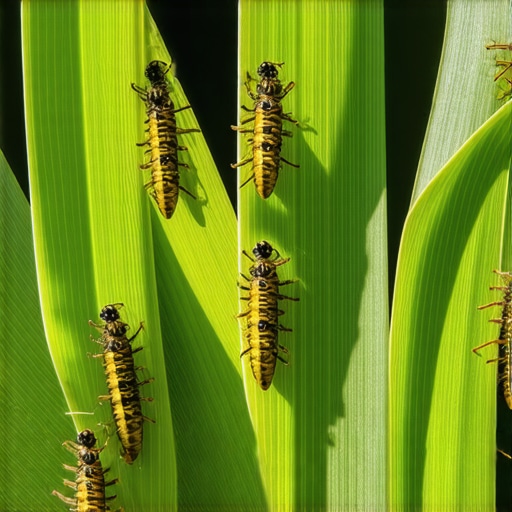
How can you tell if armyworms are in your grass?
Identifying armyworms requires looking for asymmetrical chewing on grass blades and a sudden thinning of the canopy. These pests are often preceded by small tan moths fluttering over the grass at dusk, signaling the egg-laying phase that leads to a massive larval outbreak within weeks. If you see birds pecking at your lawn, they are not there for the seeds; they are hunting the larvae.
I have seen more than a few grown men nearly in tears over their turf. A homeowner called me in a panic after they completely torched their front lawn by applying three different types of concentrated pesticide they bought at a big-box store. They thought they had a fungus. In reality, they had a massive infestation of Spodoptera frugiperda, the Fall Armyworm. By the time they called me, they had not only failed to kill the worms but had chemically burned the soil, making a simple sod install a nightmare of pH correction and soil remediation. The lawn was not just dead; it was toxic. We had to excavate three inches of topsoil just to get new grass to take hold. Don’t be that guy. Diagnosis comes before treatment. Always.
The 2026 season is projected to be a high-pressure year based on moisture cycles and overwintering patterns. You need to understand the lifecycle of the enemy. The armyworm is the larval stage of a moth. One female can lay up to 2,000 eggs. They move in a literal line across your yard, eating everything in their path. If your neighbor’s yard is turning brown, yours is next. The damage looks like drought stress at first, but water will not fix it. In fact, improper irrigation can actually make the environment more hospitable for certain larval stages. You need to check the thatch layer. Get down on your hands and knees. Part the grass. If you see green or brown caterpillars with an inverted ‘Y’ shape on their heads, the clock is ticking.
“Effective management of fall armyworm requires scouting for small larvae. Once larvae exceed 3/4 inch in length, they consume about 80 percent of their total food intake, leading to rapid turf loss.” – Purdue University Extension
How much damage can armyworms do in 24 hours?
An established army of larvae can consume an entire 5,000-square-foot lawn in less than 48 hours. They eat the leaf blade down to the crown. If the crown survives, the grass might come back, but usually, the stress is too high. This is why yard cleanup and debris removal are vital. Debris provides the humidity and shelter these pests need during the heat of the day. A clean yard is a defensible yard.
| Damage Stage | Visual Signs | Action Required |
|---|---|---|
| Early (Instar 1-3) | Pin-sized holes in blades, light yellowing | Preventative insecticide (Chlorantraniliprole) |
| Mid (Instar 4-5) | Jagged edges, visible ‘frosted’ appearance | Curative insecticide (Bifenthrin or Carbaryl) |
| Late (Instar 6) | Bare dirt, total brown-out, visible worms | Total sod replacement and soil flush |
To test for their presence without expensive tools, use the soapy water test. Mix two tablespoons of lemon-scented dish soap in a gallon of water. Pour it over a four-square-foot area of your turf. The soap irritates the larvae’s skin, forcing them to the surface. Wait five minutes. If more than five worms surface, you are in the ‘Red Zone.’ You need a professional landscaping intervention immediately. Do not wait for the weekend. The worms don’t take days off.
“A retaining wall doesn’t fail because of the stone; it fails because of the water trapped behind it, much like a lawn fails not just because of the pest, but because of the stress conditions that allowed the pest to thrive.” – Hardscape Engineering Axiom
What is the best way to prevent armyworms in 2026?
Prevention starts with irrigation management and nitrogen control. High-nitrogen fertilizers create tender, succulent growth that armyworms crave. If you are pushing 46-0-0 Urea in late summer, you are ringing the dinner bell for moths. Switch to a slow-release organic meal or a lower nitrogen analysis to toughen the cell walls of the grass. This makes the leaf harder to digest and less attractive to the larvae.
- Inspect your lawn daily during August and September.
- Monitor for tan moths around porch lights at night.
- Keep the thatch layer below 0.5 inches to eliminate hiding spots.
- Maintain a consistent mowing height; do not scalp the lawn.
- Check the ‘811’ utility marks before any deep aeration or irrigation repair.
If you lose the battle, don’t just throw seed on top of dead grass. That is a waste of money. You must perform a full yard cleanup, removing the dead organic matter that will otherwise harbor pathogens. Then, a professional sod install is the only way to restore the lawn before winter. We use a sod cutter to remove the top layer, level the grade to prevent standing water, and lay fresh, farm-grown turf that has been treated with systemic insecticides. It is an investment in your property’s engineering. It is not just grass; it is a living filtration system for your home.