
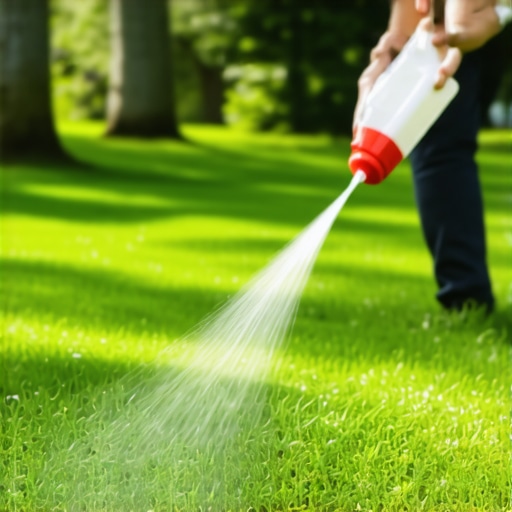
The Chemical Nightmare in the Modern Backyard
I recently walked onto a property where the homeowner had attempted a DIY fix that turned into a total disaster. They had a massive moss problem under a stand of mature oaks and decided to hit it with a heavy-duty agricultural fertilizer and a massive dose of vinegar based on some internet ‘hack.’ Within 48 hours, they hadn’t just scorched the moss; they had chemically burned the remaining fescue and altered the soil chemistry so severely that the ground smelled like a pickling factory. It was a chemical nightmare that required excavating the top three inches of soil and a full sod install just to hit the reset button. Most people see moss and think ‘invader,’ but as a professional with decades in the dirt, I see it as a symptom of a deeper biological failure. Moss is an opportunist that moves in when your soil pH drops, your drainage fails, or your soil compaction prevents grass roots from breathing. To fix it for the 2026 season, you need to understand the molecular reality of liquid lime and how it interacts with the Cation Exchange Capacity (CEC) of your dirt.
“Soil acidity is a major constraint to turfgrass growth, and lime applications are essential to maintain a pH between 6.0 and 7.0 for optimal nutrient availability.” – Penn State Extension
The Science of Soil pH and Moss Colonization
Liquid lime works by neutralizing the hydrogen ions in your soil using micronized calcium carbonate particles that are significantly smaller than those found in traditional pelletized lime. When your soil pH dips below 5.5, fescue and bluegrass struggle to uptake essential nutrients like nitrogen and phosphorus, leaving a vacuum that moss—specifically Bryophyta—is more than happy to fill. Moss does not have a traditional root system; it uses rhizoids to anchor itself and absorbs water and nutrients directly through its leaves. It thrives in the anaerobic, acidic conditions where grass fails. Using a liquid calcium product allows for immediate interaction with the soil solution. Unlike pelletized lime, which can take six to nine months to break down and move through the soil profile, liquid lime provides a rapid ‘bump’ in pH that can begin neutralizing acidity in weeks. This is critical for landscaping projects where you need to stabilize the environment before a spring seeding or sod install. If you don’t fix the chemistry, the moss will return every single time.
How fast does liquid lime work on moss?
Liquid lime begins working almost immediately upon contact with the soil moisture, providing a calcium boost that shifts the pH within days. While it won’t physically ‘kill’ the moss like a herbicide, it changes the soil chemistry to favor turfgrass growth, allowing the grass to outcompete the moss over the course of 3 to 6 weeks. It is the most efficient way to prep a shady lawn for the 2026 growing season. Don’t expect an overnight miracle. The moss is a survivor. You have to change the environment to make it uncomfortable.
| Feature | Liquid Lime (Micronized) | Pelletized Lime (Dolomitic) |
|---|---|---|
| Particle Size | 1-5 Microns | 100+ Microns |
| Activation Time | 7-14 Days | 6-9 Months |
| Application Method | Sprayer / Irrigation | Drop/Broadcast Spreader |
| Ph Impact | Rapid / High Intensity | Slow / Long Duration |
| Labor Intensity | Low (Tank Mix) | High (Heavy Bags) |
The Engineering of Shady Lawn Drainage
Moss loves water, and in shady areas, evaporation is minimal. This is where irrigation management becomes a civil engineering problem. If your irrigation zones are set to the same duration for the full-sun front yard and the deep-shade backyard, you are essentially creating a swamp. Over-watering in the shade leads to hydrostatic pressure in the soil that pushes out oxygen, leading to root rot in fescue and a perfect nursery for moss. During a yard cleanup, I often find that the soil is so compacted from years of foot traffic and leaf debris that water just sits on the surface. You need to verify your soil structure. If you can’t push a screwdriver six inches into the ground with ease, your soil is a brick. No amount of lime will fix a lawn that is drowning. You must address the compaction through core aeration before applying liquid lime to ensure the calcium reaches the root zone. Stop watering the shade every day. It doesn’t need it. Once a week, deep and slow, is the rule.
“Compaction and poor drainage create an environment where turfgrass roots cannot survive due to lack of oxygen, providing an open niche for moss and algae.” – Texas A&M Agrilife Extension
Can I apply liquid lime and fertilizer at the same time?
Yes, you can apply liquid lime and most liquid fertilizers simultaneously, but you must check the compatibility of the specific products to avoid ‘clobbering’ the mixture in the tank. Combining liquid lime with a high-nitrogen fertilizer can help jumpstart turf growth in early spring, as the lime ensures the nitrogen is actually available to the plant’s roots rather than being locked up in acidic soil. Always perform a jar test first. If the mixture curdles, don’t spray it. It will clog your lines and ruin your day.
A Professional Checklist for 2026 Moss Prevention
- Conduct a Soil Test: Do not guess. You need to know your exact pH and calcium levels before dumping product.
- Mechanical Moss Removal: Use a power rake or a heavy-duty hand rake during your yard cleanup to physically pull up the moss mats.
- Calibrate Irrigation: Reduce the frequency of watering in shady zones by at least 50% compared to sun zones.
- Apply Micronized Liquid Lime: Target the early spring or late fall when soil moisture is high for maximum penetration.
- Core Aeration: Pull 3-inch plugs to relieve compaction and allow the liquid lime to move vertically through the soil profile.
- Overseed with Shade-Tolerant Cultivars: Use a high-quality creeping red fescue or specialized shade mix to fill the gaps.
The Reality of Maintenance
Landscaping is not a one-and-done event. It is a biological process. When you apply liquid lime, you are participating in a chemical exchange. The calcium ions (Ca2+) in the lime replace the hydrogen (H+) and aluminum (Al3+) ions on the soil particles. This makes the soil more friable and nutrient-dense. But if you ignore your yard cleanup and let oak leaves sit and rot on the grass all winter, those leaves will release tannins and acids back into the soil, resetting the clock on your moss problem. It will rot. Your grass needs light, even in the shade. Keep the canopy thinned. Keep the leaves off the ground. Use the right tools. If you follow this protocol, by the time the 2026 season rolls around, you won’t be looking at a green carpet of moss; you’ll be looking at a healthy, resilient lawn that can actually stand up to the elements. Don’t be the guy who burns his yard down with vinegar. Be the pro who manages the chemistry.