
The Anatomy of a Dying Pond Feature
To repair a leaking pond effectively, you must first identify if the water loss is due to evaporation, mechanical failure in filtration, or a structural breach in the 45-mil EPDM liner itself. A drop of more than two inches per day usually signals a puncture or seam failure rather than natural transpiration. Most homeowners ignore the signs until the anaerobic sludge at the bottom starts smelling like rotten eggs because the water level has dropped below the oxygenating shelf plants. It is a slow-motion disaster. I recently got called out to tear up a $30,000 backyard installation that was sinking because the previous contractor failed to account for hydrostatic pressure. The water wasn’t just leaking out; groundwater was pushing up from underneath, creating ‘whales’ or air pockets that eventually shredded the liner against the jagged limestone subgrade. This is what happens when you skip the underlayment or use cheap PVC instead of professional-grade EPDM. If you do not fix the underlying soil compaction and drainage, you are just throwing money into a mud hole.
“A retaining wall doesn’t fail because of the stone; it fails because of the water trapped behind it.” – Hardscape Engineering Axiom
How do you find a leak in a pond liner?
Finding a leak requires a systematic isolation of the pond’s components, starting with turning off the pump to see if the water level stabilizes, which indicates the leak is in the waterfall or external plumbing. If the water continues to drop, let it fall until it stops; the leak is located at that exact waterline. Check the perimeter for damp soil or moss that looks unusually green compared to the rest of your landscaping. One professional trick is using milk or a specialized leak-detection dye. Squirt a small amount near suspected areas. If the dye gets sucked toward a specific point, you found your puncture. Don’t waste time looking at the deep bottom first. Most leaks occur in the top six inches where UV degradation is highest or where the irrigation runoff from the yard puts extra pressure on the pond edges.
The Science of EPDM Repair and Cold-Vulcanization
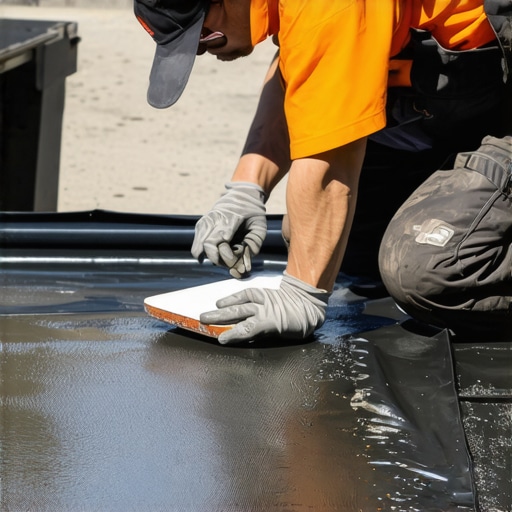
Repairing an EPDM liner on a budget requires solvent-based primers and EPDM-specific cover tape to create a chemical bond that is stronger than the original material through a process called cold-vulcanization. Do not use generic waterproof tapes or silicone from a big-box store; they will fail within months as the rubber expands and contracts. You need to strip the area of all bio-film and algae using a stiff scrub brush and specialized EPDM cleaner. The primer is the most critical step. It reacts with the rubber to open its pores. When you apply the tape, you are not just sticking something on top; you are fusing two layers of rubber into one. Use a heavy silicone roller to drive out every air bubble. If an air pocket remains, the freeze-thaw cycle in 2026 will turn that tiny bubble into a massive tear.
| Material Type | Longevity | Repair Difficulty | Cost Factor |
|---|---|---|---|
| EPDM (45-mil) | 20+ Years | Moderate | Medium |
| PVC Liner | 5-7 Years | High | Low |
| RPE (Reinforced Polyethylene) | 25+ Years | Hard (requires heat welding) | High |
Can you patch a pond liner under water?
While some specialized wet-surface glues exist, you cannot achieve a permanent, structural weld on an EPDM liner while it is submerged because the primer cannot chemically react with the rubber in the presence of H2O. For a patch that lasts a decade, you must drain the water below the leak site, dry the area completely, and use a solvent-based primer. A ‘wet patch’ is a temporary fix, useful only for preventing a total collapse until you can perform a proper dry-site repair during a yard cleanup. If you see a contractor trying to patch a structural seam underwater, fire them. It won’t hold.
Preparation Checklist for Pond Remediation
- Pressure washer with a wide-fan tip (do not use a narrow tip or you will cut the liner).
- EPDM Primer and scrubbing pads (essential for the chemical bond).
- 6-inch wide EPDM Cover Tape (for seam repairs).
- Heavy-duty silicone seam roller.
- Nitrile gloves (the primer is caustic and will stain skin for weeks).
- A bucket of clean water for rinsing, but keep the repair zone bone-dry.
Maintaining Structural Integrity Post-Repair
After the patch is cured—which takes about 24 hours for a full chemical bond—you must address why the leak happened. If it was a rock puncture, your sod install or surrounding rock work might be shifting. Check the ‘shelf’ stability. If the ground is soft, the weight of the water will continue to pull the liner downward. This tension is what snaps seams.
“Ethylene Propylene Diene Monomer (EPDM) membranes provide superior resistance to UV radiation and ozone, though structural integrity depends entirely on substrate preparation and seam execution.” – Pond Engineering Journal
Every spring, perform a ‘visual autopsy’ of the edges. Look for thinning rubber. If the liner feels brittle or cracks when you fold a small section, the plasticizers have leached out. At that point, no amount of patching will save it; you are looking at a full liner replacement. But for a single puncture from a heron’s beak or a dropped rock, the cold-vulcanization method is the only way to stay on budget while ensuring the feature survives the next five seasons. Keep your irrigation lines at least three feet away from the pond’s edge to prevent soil saturation and shifting. Proper drainage is the only thing that keeps a pond from becoming a swamp.