
The Fatal Error of the Late-Season Scalp
The best height to cut your grass before the first frost is generally 2 to 2.5 inches for cool-season lawns, achieved through a gradual reduction in height over several weeks. This specific range prevents snow mold by stopping the leaf blades from matting under heavy snow while simultaneously insulating the turfgrass crown against lethal temperature swings.
I remember a call I took three years ago from a homeowner who had just dropped five figures on a custom sod install of high-performance Kentucky Bluegrass. They were a DIY enthusiast who followed some bad advice on a forum suggesting they should ‘scalp’ the lawn to one inch in November to ‘clean it up.’ By March, that yard looked like a burnt battlefield. They had torched the turf by exposing the apical meristem—the crown—to the desiccating winter winds. Every plant was dead. It wasn’t the cold that killed it; it was the lack of insulation and the chemical shock of a late-season fertilizer application they’d done on top of the scalp. It was a $15,000 mistake that could have been avoided with a simple understanding of grass physiology. Nature doesn’t care about your desire for a golf-green look in December; nature cares about carbohydrate storage and thermal mass.
The Biology of the Final Mow
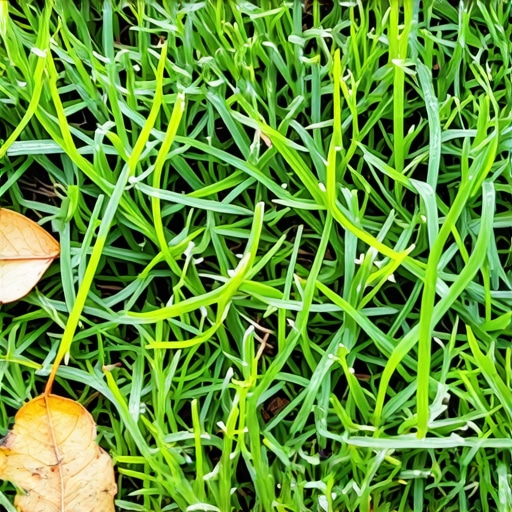
Your lawn is a collection of individual plants, each with a primary growing point called the crown. This crown sits right at the soil surface. During the late autumn, the plant stops vertical growth and begins ‘hardening off,’ a process of moving sugars from the blades down into the root system. If you leave your grass too long—say, over 4 inches—the first heavy snow will flatten those blades into a dense, soggy mat. This is the primary vector for Microdochium nivale, commonly known as pink snow mold. This fungus thrives in the cold, dark, anaerobic environment created by matted grass. It will rot your lawn from the top down. Don’t let this happen.
“The goal is to prevent the grass from matting down under snow cover, which creates a micro-environment conducive to snow mold.” – Penn State Center for Turfgrass Science
Conversely, the ‘mow-and-blow’ hacks will tell you to just drop the deck all the way down on the last visit to save them time on yard cleanup. This is malpractice. Cutting too short removes the plant’s ability to photosynthesize during those final sunny, cold days, and it removes the physical buffer that protects the crown from ‘heaving’ during freeze-thaw cycles. In areas with heavy clay soil, this heaving can literally eject a plant from the ground, snapping the root system. You want a height that is short enough to stand upright under the weight of a light snow but long enough to shade the soil and maintain a stable temperature at the root zone.
How short should I cut my grass for winter?
You should target a final height of 2 to 2.5 inches, but you cannot reach this in one day. Use the one-third rule: never remove more than one-third of the leaf blade in a single mowing session. If you have been maintaining your lawn at 4 inches all summer for heat resistance, you need to start your reduction four weeks before the ground freezes. Drop the deck by half an inch each week. This gradual shift prevents the plant from entering a state of shock and allows it to adjust its internal pressure and nutrient distribution. This is essential for landscaping longevity.
| Grass Species | Summer Height (Inches) | Final Winter Height (Inches) | Primary Winter Risk |
|---|---|---|---|
| Kentucky Bluegrass | 3.0 – 3.5 | 2.5 | Snow Mold |
| Tall Fescue | 3.5 – 4.5 | 2.5 – 3.0 | Crown Desiccation |
| Perennial Ryegrass | 2.5 – 3.0 | 2.0 | Winter Kill |
| Fine Fescue | 3.0 – 4.0 | 2.5 | Matting |
When should I stop mowing my lawn for the season?
Stop mowing only when the grass physically stops growing. This usually happens when soil temperatures consistently drop below 45 degrees Fahrenheit. Even if the air is crisp, the roots are still active. If you stop too early and we have a ‘long’ autumn, the grass will grow just enough to become shaggy and prone to matting, yet not enough for you to feel like dragging the mower back out. Keep the blades sharp. A dull blade at this time of year creates a jagged wound that won’t heal before the frost, leaving the plant vulnerable to pathogens.
The Critical Yard Cleanup Checklist
Preparation for the first frost involves more than just the mower. You are managing a biological system.
- Leaf Removal: Never let a thick layer of leaves sit on the turf for more than three days. It blocks light and traps moisture. Shred them with a mulching mower or remove them entirely.
- Irrigation Shutdown: Blow out your irrigation lines before the first hard freeze. Water trapped in PVC or copper lines will expand and shatter the pipes. Hydrostatic pressure is an unforgiving force.
- Compaction Check: If your soil is compacted, the roots can’t breathe. Fall is the ideal time for core aeration to improve gas exchange before the winter dormancy.
- NPK Balance: Avoid high-nitrogen fertilizers in late fall. You don’t want to encourage tender new growth that will be instantly killed by frost. Focus on potassium to strengthen cell walls.
“Turfgrass crown hydration is the primary physiological factor in winterkill; proper height management regulates this moisture.” – Agronomy Manual for Professional Turf Managers
The soil chemistry matters here. If your pH is off, the plant can’t uptake the nutrients it needs to build the ‘antifreeze’ proteins required for winter survival. I see too many homeowners buying big-box store weed-and-feed products that are 30% nitrogen in November. That is insane. You are essentially giving the grass a shot of adrenaline right before it needs to go to sleep. It exhausts the plant’s energy reserves. Instead, focus on soil health and proper mechanical cultural practices like correct mowing height and aeration.
The Winter Hardening Protocol
By the time the first frost hits, your lawn should be a uniform 2.5 inches of resilient, toughened turf. It should not be ‘lush’—that’s a word for spring. It should be sturdy. If you have done a recent sod install, be even more careful. New sod has a limited root system and is far more susceptible to drying out. You might even need to run your irrigation manually for a few minutes on warmer winter days if there is no snow cover, as winter drought is a real threat to new landscaping. Do not skip the final yard cleanup. One forgotten pile of leaves can leave a dead patch that will take all of next year to fill in. Stay disciplined. The work you do in the cold determines the green you see in the spring.