
The Biological Cost of Ignoring Wet Leaves on Professional Turf
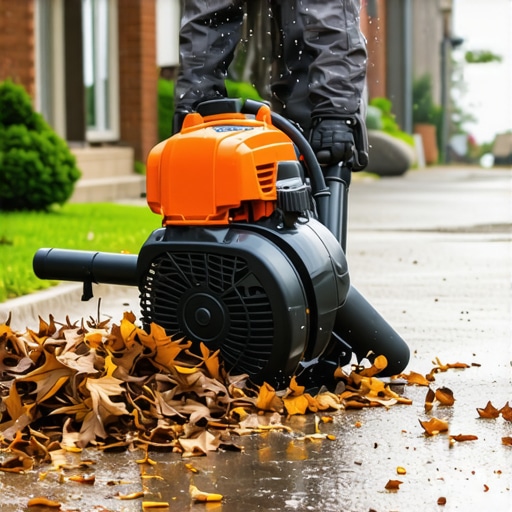
To clear wet leaves quickly, you must break the surface tension created by water using a high-CFM (Cubic Feet per Minute) backpack blower or a specialized walk-behind vacuum, rather than a rake. This method prevents the formation of an anaerobic mat that suffocates the sod install and prevents the irrigation system from reaching the root zone. Wet leaves are not just a nuisance; they are a structural threat to the soil biology. When leaves saturate, they lose their rigidity and conform to the shape of the turf, effectively sealing off the soil from oxygen exchange. This is the start of root-zone hypoxia. I have seen 10,000 square feet of prime Kentucky Bluegrass die in less than a week because a storm dumped four inches of oak leaves that the homeowner didn’t move. The moisture stayed trapped, the temperature hovered around 50 degrees, and the fungus took over. It is not a pretty sight. It smells like a swamp and costs a fortune to fix. You are looking at a total yard cleanup and likely a full re-seed or new sod if you let it sit.
How long can grass survive under wet leaves?
Grass can generally survive for 3 to 5 days under a heavy, wet leaf mat before significant chlorosis and fungal pathogens like Microdochium nivale (pink snow mold) begin to colonize the crown. Beyond 7 days, the lack of sunlight and oxygen will lead to permanent turf death. You have to understand the physics here. A single dry oak leaf weighs almost nothing. A wet oak leaf is a different animal. Water has a density of 62.4 pounds per cubic foot. When that water is trapped in the interstitial spaces of a leaf pile, the weight on your turf is immense. It flattens the grass blades, crushing the stomata and stopping transpiration. Stop thinking about aesthetics and start thinking about plant physiology.
“Wet leaves form an anaerobic mat that prevents gas exchange in the soil, leading to rapid root-zone hypoxia.” – Agronomy Manual Vol 4
The Forensic Autopsy: A $12,000 Sod Disaster
A homeowner called me in a panic last October after they completely torched their front lawn. They had just finished an expensive sod install two weeks prior. A massive coastal storm rolled through, dumping six inches of rain and a carpet of wet maple leaves. Instead of clearing them, the homeowner thought, “I’ll wait until they dry out.” They never dried out. By the time I arrived with my crew, the smell of rotting organic matter was unmistakable. We peeled back a layer of leaves to find the new sod had turned a slimy, translucent yellow. The roots hadn’t even had a chance to knit into the soil before the anaerobic conditions killed them. We had to scrape the entire yard, treat the soil for fungal spores, and start over. It was an expensive lesson in landscaping maintenance. If they had spent two hours with a high-power blower or even a heavy-duty rake the morning after the storm, that lawn would still be there. Instead, they paid for two installs. My new crew members get told this story every year: if you see standing water and matted leaves, you are looking at a ticking time bomb for the client’s investment.
The Tool Kit: Physics over Brute Force
You cannot use a standard plastic leaf rake on wet leaves unless you want to destroy your shoulders and the grass crowns. You need the right landscaping equipment for the job. We look for blowers that prioritize CFM over MPH. High MPH (Miles Per Hour) is great for moving a rock or a single stick, but high CFM is what moves volume. To lift a wet leaf, you need to break the suction. This requires a concentrated blast of air directed at the base of the leaf pile at a 45-degree angle. If you go too low, you’ll scour the soil. If you go too high, you’ll just blow the top layer off. It is all about the angle of attack. We also utilize irrigation-friendly techniques, ensuring we aren’t blowing debris into the heads of the sprinkler system, which can cause clogs or prevent the heads from retracting properly.
| Tool Type | Primary Benefit | Best Use Case | Professional Verdict |
|---|---|---|---|
| Backpack Blower (700+ CFM) | Maximum Volume | Large residential yards | The gold standard for wet debris. |
| Walk-Behind Vacuum | Direct Suction | Patios and flat turf | Excellent for heavy saturation. |
| Power Rake | Vertical Action | Dethatching + Cleanup | Use only if the lawn is dormant. |
| Mulching Mower | Organic Breakdown | Light leaf cover | Avoid if leaves are dripping wet. |
What is the best blower for wet leaves?
The best blower for wet leaves is any commercial-grade unit producing at least 750-900 CFM, such as the Stihl BR 800 or Husqvarna 580BTS. These units provide the raw force necessary to overcome the surface tension of water-saturated foliage. Do not rely on battery-operated handheld units for storm cleanup; they lack the kinetic energy to move heavy, matted organic material. I have seen guys try to use those little electric units on a wet yard. It is like trying to move a brick wall with a hair dryer. You need a gas-powered engine with enough displacement to push the air through the nozzle at a rate that displaces the water weight. Anything less is a waste of your time.
“Excessive moisture trapped against the turf crown for more than 48 hours in temperatures between 40-60°F is the primary vector for Microdochium nivale.” – University Extension Pathogen Guide
The Ground-Up Build: A Step-by-Step Cleanup Protocol
When my crew hits a site for a post-storm yard cleanup, we follow a strict operational lane. We don’t just start blowing aimlessly. We work with the wind and the slope of the land. If the yard has a drainage issue or a French drain, that is the first place we clear. If the irrigation valves are covered, we clear those next. We move the heavy mass to a hard surface—a driveway or the street—where the water can drain away from the leaves, making them lighter for final removal. Don’t try to tarp wet leaves; the weight will tear the tarp or your back. Move them in small increments. It is a game of inches. You want to see the grass blades standing back up as you move past. If they are still matted, you haven’t moved enough material. Don’t skip the edges. Leaves love to trap moisture against the foundation of the house, which leads to hydrostatic pressure issues and basement leaks. It is all connected.
- Assess the Grade: Identify where water is pooling. Clear those areas first to allow the turf to breathe.
- Equipment Check: Ensure your blower filters are clean. Wet leaf cleanup puts a massive load on the engine.
- The 45-Degree Rule: Always attack the pile from the side, never the top.
- Irrigation Safety: Hand-clear around sprinkler heads to avoid damaging the nozzles with high-pressure air.
- Final Mulching: Once the bulk is removed, run a mulching mower over the remaining bits to return nitrogen to the soil.
How do you clear leaves from a French drain?
To clear leaves from a French drain or catch basin, use a shop vac to remove the heavy muck or clear it by hand with gloves. Never use a blower to push wet leaves into a drainage grate, as this will cause an immediate clog that requires professional snaking. Drainage is the circulatory system of your landscaping. If it is blocked, the whole system fails. I have had to dig up entire drainage runs because some “mow-and-blow” guy thought he could just hide the leaves in the catch basin. That is a $2,000 mistake you don’t want to make. Keep your pipes clear and your turf will thank you.
The Long-Term Maintenance Schedule
Once the leaves are gone, the work isn’t finished. You need to assess the damage. If the leaves were sitting for more than three days, the pH of the soil might have dipped slightly due to the tannic acid in the leaves, especially with Oak and Maple. I recommend a soil test to check the nitrogen levels. If the sod install looks yellow, a light application of a high-nitrogen, slow-release fertilizer can help jumpstart the recovery. But don’t overdo it. Too much nitrogen in the fall can lead to succulent growth that gets killed by the first hard frost. It is a balance. You are a steward of a living ecosystem. Treat it with the respect it deserves, and don’t let the weather dictate the health of your yard. Keep the air moving, keep the water draining, and get those leaves off the ground as soon as the wind stops howling.