
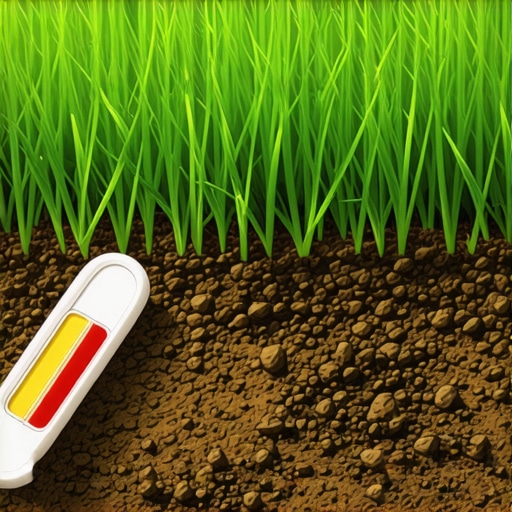
The Fatal Error of Calendar-Based Seeding
To successfully seed your 2026 lawn, you must monitor soil temperature rather than the calendar, targeting a consistent range of 50 to 65 degrees Fahrenheit for cool-season grasses or 70+ degrees for warm-season varieties. This biological window ensures optimal germination rates and prevents seed rot from excessive moisture or desiccation from unexpected heat spikes. A homeowner called me in a panic last season after they completely torched their front lawn by applying a high-nitrogen ‘winterizer’ fertilizer during a dry spell in late August. They thought the calendar said it was time for fall prep, but the soil was still baking at 85 degrees. The chemicals reacted with the heat to create a localized salt toxicity that literally carbonized the root flares of their existing fescue. We didn’t just have to reseed; we had to perform a full-scale soil remediation to fix the cation exchange capacity before a single new blade of grass could survive. This is the reality of landscaping: the dirt doesn’t care about your schedule. It only cares about chemistry and physics. When you ignore the soil temperature, you are just throwing expensive bird seed onto a hot plate.
“The success of any turf establishment program is more dependent on soil moisture and temperature than on the specific date of application.” – Penn State Center for Turfgrass Science
Measuring the Biological Clock: Soil Temperature vs. Air Temperature
Soil temperature is a lagging indicator of air temperature, meaning it takes several days of consistent weather for the ground to reach the thermal mass required for seed germination. While the air might hit 70 degrees on a sunny March afternoon, the soil four inches down may still be a frigid 40 degrees, which is a death sentence for expensive seed. You need a dedicated soil probe. Don’t guess. Push that stainless steel thermometer four inches into the ground in three different spots: a sunny patch, a shaded area, and a mid-point. Average those numbers. You are looking for the sweet spot where the microbial activity in the soil begins to cycle nitrogen effectively. If you seed too early, the seed sits in cold, damp earth and becomes a buffet for Pythium and other fungal pathogens. If you seed too late, the tender young roots won’t have the cellular strength to survive the first hard frost or the brutal summer heat of 2026. This is not gardening; it is biological engineering.
How do I check my soil temperature?
To accurately check your soil temperature, use a long-stem analog or digital soil thermometer inserted 4 inches deep into the substrate. Take measurements at 10:00 AM over three consecutive days to establish a reliable average, as this time of day represents the median temperature before the midday sun creates a false peak. Avoid taking readings immediately after a heavy rain, as the water can temporarily skew the data. Check multiple zones across your yard, as soil near a concrete sidewalk or driveway will be significantly warmer due to the thermal mass of the hardscape. Consistency is key. If the average stays within the 50 to 65 degree range for three days, your window is open.
| Grass Species | Min. Soil Temp (°F) | Optimum Soil Temp (°F) | Germination Days |
|---|---|---|---|
| Kentucky Bluegrass | 55 | 60-75 | 14 to 30 |
| Tall Fescue | 50 | 50-65 | 7 to 12 |
| Perennial Ryegrass | 50 | 50-65 | 5 to 10 |
| Bermudagrass | 65 | 70-85 | 10 to 21 |
Why Your 2025 Yard Cleanup Dictates Your 2026 Growth
A comprehensive yard cleanup is the foundational step for 2026 lawn success because it removes the physical barriers to seed-to-soil contact and eliminates nutrient-competing debris. If you have a layer of thatch thicker than half an inch, your new seed will never hit the dirt. It will get hung up in the organic mat, sprout, and then die the first time the sun comes out because the roots can’t penetrate the soil. This is where most people fail. They buy the most expensive seed but skip the power rake. You need to strip away the dead cellulose. You need to core aerate to relieve the sub-surface compaction that acts like a concrete barrier to oxygen and water. Think of it as preparing a surgical site. You wouldn’t perform surgery through a dirty shirt; don’t try to grow a lawn through a layer of dead leaves and old clippings.
- Mechanical Dethatching: Remove the brown spongy layer so the soil is visible.
- Core Aeration: Pull 3-inch plugs to allow oxygen to reach the rhizosphere.
- PH Testing: Ensure your soil isn’t too acidic; most turf prefers a pH of 6.2 to 7.0.
- Debris Removal: All sticks, acorns, and leaf litter must be gone to prevent fungal pockets.
Irrigation Logistics and Hydrostatic Germination
Irrigation for a new 2026 lawn must be managed with precise, high-frequency, low-volume cycles to keep the top half-inch of soil continuously moist without causing runoff or pooling. Once a seed starts the germination process, if it dries out even once, it is dead. There are no second chances. You need a smart irrigation controller that can handle four to five short cycles a day. I’ve seen 20,000 square foot projects fail because the owner thought a single 20-minute soak in the evening was enough. It’s not. You need to maintain the hydrostatic pressure in the seed coat. However, you must also be careful of ‘damping off,’ a condition where too much water and poor drainage rot the seedling at the base. It is a delicate balance of moisture and oxygen. If you see moss or algae forming, you are overwatering. If the soil surface looks dusty or light brown, you are too dry.
“A retaining wall doesn’t fail because of the stone; it fails because of the water trapped behind it.” – Hardscape Engineering Axiom
What is the best month to seed a lawn in 2026?
The best month to seed a lawn in 2026 depends entirely on your USDA Hardiness Zone, but for most transition zone regions, the window falls between late August and early October. This period utilizes the cooling air temperatures to reduce plant stress while benefiting from the residual summer warmth in the soil which accelerates root development. For southern regions using warm-season grasses like Zoysia or Bermuda, the ideal window is late spring, specifically May or June, once the soil has reached a stable 70 degrees. Always prioritize the soil temperature probe over the specific date on your calendar to account for yearly weather fluctuations.
Sod Install vs. Seeding: The Reality of Instant Gratification
A professional sod install provides an immediate, mature root system and erosion control that seeding cannot match, though it requires a significantly higher initial investment in both material and labor. Many homeowners opt for sod when they have steep grades where seed would simply wash away in the first rainstorm. When we do a sod install, we aren’t just laying carpet. We are integrating two different soil profiles. If you don’t prep the base soil to match the sod’s nursery soil, you get ‘root girdling’ where the roots refuse to leave the sod mat. You end up with a lawn that looks great for a month and then dies because it’s not actually attached to the earth. Seeding, conversely, allows the plant to adapt to your specific soil chemistry from day one. It is slower, requires more patience, but often results in a more resilient stand of grass if managed correctly. If your budget allows for the $1.50 to $2.50 per square foot for sod, it’s a great shortcut, but the soil temperature rules still apply. Laying sod on frozen ground or scorched earth will still result in a failed project.