
Why Starter Fertilizer is Essential for Successful Sod Establishment
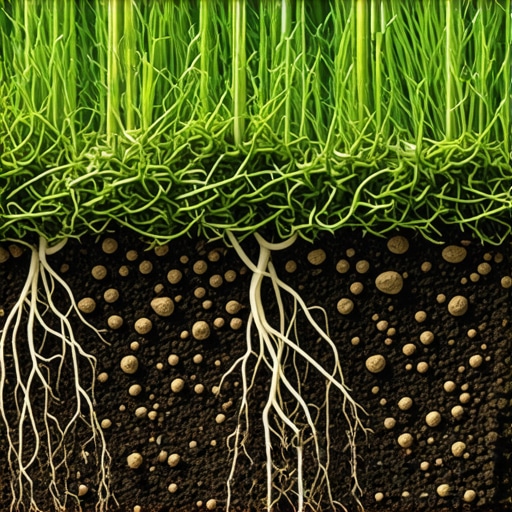
Starter fertilizer provides the critical phosphorus and potassium levels required to initiate root elongation and rhizome development in fresh turfgrass. Unlike maintenance fertilizers, these specialized blends prioritize subterranean growth over vertical foliage production, ensuring the sod knits to the native soil before desiccation occurs. It is the literal lifeblood of a new sod install.
I recently walked onto a job site that looked like a chemical warfare zone. A homeowner called me in a panic after they completely torched their front lawn—three thousand dollars of fresh Kentucky Bluegrass—by applying a high-nitrogen weed-and-feed meant for established lawns. The nitrogen salts literally sucked the moisture out of the tender, unestablished roots. The turf was crispy, yellow, and detached. We had to scrape the whole mess up, remediate the soil, and start from scratch. That is a $5,000 mistake that could have been avoided with a simple bag of 10-20-10. If you don’t understand the chemistry of the rhizosphere, you shouldn’t be handling the spreader.
The Biochemical Necessity of Phosphorus and Potassium
Starter fertilizers utilize a specific NPK ratio (Nitrogen, Phosphorus, Potassium) that differs significantly from standard lawn food to support seedling and sod development. While nitrogen drives green growth, phosphorus is the primary driver of ATP production, which fuels the cellular division needed for roots to penetrate the soil profile. Without it, your sod is just a carpet sitting on top of the ground, waiting to die in the first heat wave.
“Phosphorus is relatively immobile in the soil, making its placement near the developing root zone of new turf essential for early establishment.” – University of Minnesota Extension Service
We look at the Cation Exchange Capacity (CEC) of the soil during the landscaping phase. If your soil is heavy clay, the phosphorus gets tied up easily. If it is sandy, it leaches. A starter fertilizer with a high P-value ensures that even if the soil chemistry is stubborn, the plant has an immediate, accessible source of nutrition. Don’t skip the soil test. I see guys throw down sod on 5.0 pH soil all the time. It will not take. You need that 6.5 sweet spot for the nutrients to actually become bioavailable.
How do I test my soil pH before installing sod?
To test soil pH before a sod install, collect samples from six inches deep across the yard cleanup area and use a calibrated digital pH meter or send the samples to an agricultural extension office. Accurate readings allow you to adjust acidity or alkalinity with lime or sulfur before the turf is laid.
| Nutrient Type | Standard Maintenance Fertilizer | Starter Fertilizer Blend | Primary Function for Sod |
|---|---|---|---|
| Nitrogen (N) | 30-0-0 (High) | 10-10-10 or 12-24-14 | Controlled leaf growth |
| Phosphorus (P) | 0% – 2% | 15% – 25% | Root initiation and ATP |
| Potassium (K) | Moderate | High | Cellular turgor and stress |
The Infrastructure of Growth: Irrigation and Soil Grading
Irrigation systems must be calibrated to provide hydrostatic pressure that reaches the root zone without creating anaerobic conditions. When you apply starter fertilizer, you must water it in immediately to move those granules down to the soil-sod interface. If the fertilizer sits on the blades, it burns. If it sits on top of the sod without moving into the soil, the roots won’t follow the nutrient trail downward. This is physics, not just gardening.
[image_placeholder]
The yard cleanup process involves more than just raking leaves. You need to remove every rock and twig that could create an air pocket. An air pocket is a death sentence for sod. When I train my crew, I tell them that if they can see a gap between the sod and the dirt, they failed. We use a water-filled sod roller to ensure 100% contact. The fertilizer acts as the glue in this equation, encouraging the roots to bridge that gap and dive into the native earth. If your soil grading is off, water will pool, the fertilizer will concentrate in the low spots, and you’ll end up with nutrient toxicity in one corner and starvation in the other.
“A retaining wall doesn’t fail because of the stone; it fails because of the water trapped behind it.” – Hardscape Engineering Axiom
While that axiom refers to walls, the same logic applies to turf. Poor drainage and improper irrigation management will negate any benefit the fertilizer provides. You need a 2% slope away from the foundation. Period. No exceptions.
Can I use regular fertilizer on new sod?
Using regular maintenance fertilizer on new sod is highly discouraged because the high nitrogen content can cause foliar burn and inhibit root development. Standard blends lack the phosphorus concentration required to stimulate the quick root-to-soil knitting necessary for the sod’s survival during the first 21 days.
The Professional Sod Installation Checklist
- Pre-Install Soil Test: Check for NPK levels and pH balance.
- Sub-Grade Prep: Remove debris and ensure a 2% drainage slope.
- Starter Application: Apply 1 lb of phosphorus per 1,000 sq. ft.
- Sod Placement: Stagger seams like bricks to prevent erosion.
- Compaction: Use a roller to eliminate air pockets.
- Initial Irrigation: Saturate to a 4-inch depth immediately.
The first fourteen days are a race against time. The sod is living off the energy stored in its crown. Once that energy is spent, if the roots haven’t hit the soil and started pulling in the phosphorus you provided, the plant goes into dormancy or dies. This isn’t about making it look pretty; it’s about biological survival. Keep the irrigation frequent but shallow for the first week, then transition to deep, infrequent watering to force those roots to hunt. Professional landscaping is about managing these variables with precision. Don’t be the homeowner who buys a Ferrari and puts 87 octane in the tank. Feed your sod the right fuel from day one.