
The Forensic Autopsy of a Suffocating Boxwood
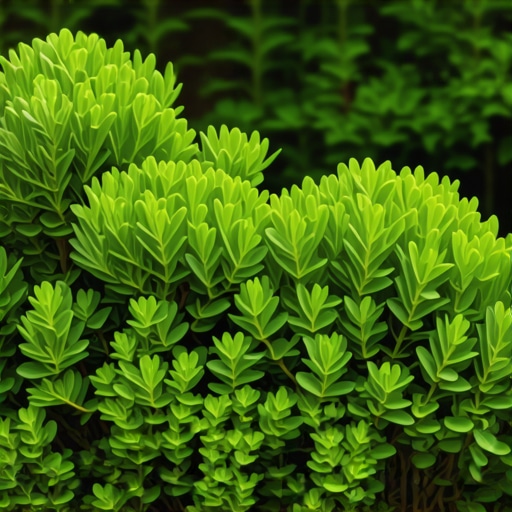
When I walk onto a property and see a Buxus sempervirens that looks like a giant, neon-green marshmallow with a hollow, dead center, I know I’m looking at a ticking time bomb. Most homeowners and ‘mow-and-blow’ crews treat boxwoods like topiary playthings, shearing the outer three inches of growth every spring until the plant develops a shell so thick that sunlight and air can’t penetrate the interior. This isn’t just an aesthetic failure; it is a structural and biological crisis. Inside that dense shell, humidity spikes, the wood stays damp for 48 hours after a light rain, and the plant essentially begins to rot from the inside out. This environment is the primary breeding ground for Calonectria pseudonaviculata, better known as boxwood blight. If you don’t change your approach to yard cleanup and maintenance, you aren’t pruning; you’re performing a slow-motion execution.
I always drill into my new crew members: if you don’t fix the soil grading first, every plant you put in the ground is just expensive compost. I’ve seen million-dollar landscapes fall apart because someone planted a boxwood two inches too deep or ignored the fact that the downspout was dumping water directly into the root ball. For boxwoods, the margin for error is razor-thin. We are looking at a species that demands precise irrigation, specific soil pH (6.5 to 7.2), and, most importantly, a pruning regimen that respects the biology of the stem rather than the shape of the hedge. If your shears are dull or your timing is off, you’re opening up thousands of microscopic wounds that act as doorways for fungal spores.
The Biology of Stem Blight and Fungal Pathogens
To prune overgrown boxwoods without triggering stem blight, you must prioritize thinning cuts over shearing to ensure canopy ventilation and reduce leaf wetness duration. Stem blight thrives in stagnant air where the spore load can accumulate on damp foliage. By removing selective branches, you disrupt the microclimate that allows fungi to thrive.
“A retaining wall doesn’t fail because of the stone; it fails because of the water trapped behind it.” – Hardscape Engineering Axiom
This same logic applies to your boxwood canopy. If water is trapped inside the dense foliage, the plant’s structural integrity will fail, just like a poorly drained wall. When we talk about landscaping at this level, we are managing moisture. Boxwood blight is a predator of moisture. The spores are heavy and sticky; they don’t just float through the air like some fungi. They move through splashing water, contaminated tools, and the fur of passing animals. If you shear your plants into a tight ball, you create a perfect catchment system for these spores to settle and stay.
How do I tell if my boxwoods have blight or just winter burn?
Distinguishing between abiotic stress and stem blight is critical before you pick up your tools. Winter burn typically affects the tips of the leaves and is caused by desiccation when the ground is frozen. Boxwood blight, however, presents as dark, circular leaf spots that often have a narrow yellow halo. You will also see black, linear streaks (cankers) on the green stems. If you see those black streaks, put the shears down. You need a sanitation protocol, not a yard cleanup. Pruning a blighted plant without disinfecting your tools between every single cut is the fastest way to contaminate your entire sod install and every other Buxus on the property. We use a 70 percent isopropyl alcohol solution or a 10 percent bleach solution for tool sterilization. If you skip this, you are the vector.
The Rejuvenation Pruning Strategy: The Three-Year Rule
When dealing with a 2026-sized overgrown specimen, you cannot fix it in one season. You need a multi-year landscaping plan. The goal is to remove about 20 to 30 percent of the oldest, heaviest wood each year. This is called ‘knuckle pruning’ or ‘renewal cuts.’ You reach deep into the plant and cut a branch back to a lateral junction. This opens ‘windows’ in the canopy. [image_placeholder_1] These windows allow light to hit the interior wood, which stimulates latent adventitious buds. Over time, the plant will fill in from the inside out, rather than just growing at the tips. This is the only way to reduce the size of the plant while maintaining its health. If you just ‘hatrack’ it and cut it back to bare wood, it might never recover. Boxwoods are slow growers; they don’t have the aggressive recovery power of a privet or a forsythia.
Markdown Table: Pruning Methods vs. Plant Health
| Feature | Shearing (The Wrong Way) | Thinning (The Pro Way) |
|---|---|---|
| Airflow | Minimal / Traps Humidity | Maximum / Dries Quickly |
| Light Penetration | Outer 2-3 inches only | Deep into the center |
| Fungal Risk | High (Blight/Volutella) | Low (Improved Vigor) |
| Growth Habit | Stunted / ‘Meatball’ shape | Natural / Structural |
| Tool Requirement | Hedge Trimmers | Bypass Pruners / Loppers |
Notice the tool requirement. I don’t let my guys use gas-powered hedge trimmers on boxwoods unless we are doing a formal landscaping project that requires a dead-flat top. For health-focused yard cleanup, it’s hand pruners only. The clean, sharp cut of a bypass pruner minimizes tissue damage. Anvil pruners crush the stem, creating a ragged wound that is much harder for the plant to compartmentalize. Think of it like surgery: you want a scalpel, not a hammer.
Soil, Irrigation, and the Root Flare
A plant’s ability to fight off stem blight is directly tied to its overall stress levels. This starts at the root. Many sod install projects fail because the sod is layered over the root flare of existing trees and shrubs. Boxwoods have shallow, fibrous root systems. They need oxygen. If you’ve buried the root flare under six inches of ‘vibrant’ (a word the hacks use) mulch, you’re suffocating the plant. This causes root rot, which weakens the immune system.
“Proper plant spacing and thinning are critical to reducing leaf wetness duration, the primary driver of fungal infection.” – Connecticut Agricultural Experiment Station
We use irrigation systems that utilize drip-line technology rather than overhead spray. Overhead watering is a death sentence in a high-blight-risk area. It keeps the foliage wet and splashes spores from the soil onto the leaves. If you must use spray heads, set them to run at 4:00 AM so the morning sun can dry the leaves as quickly as possible.
How much modified gravel do I need for a patio base near boxwoods?
If you are installing hardscapes near your Buxus, you must account for drainage. Typically, you need 4 to 6 inches of compacted modified gravel (2A or QB) for a pedestrian patio. However, you must ensure this base doesn’t redirect water toward your boxwood beds. We often install a French drain or a sod install swale between the patio and the planting bed to ensure the boxwood roots aren’t sitting in a bath of hydrostatic pressure from the patio runoff. Water management is 90 percent of the job.
Post-Pruning Checklist and Maintenance
Once you’ve completed your thinning cuts, the job isn’t over. You need to manage the debris. Yard cleanup after pruning boxwoods is a biohazard operation. You do not compost these clippings. You bag them and get them off the property. If blight is present, those clippings are loaded with microsclerotia that can survive in the soil for years.
- Sanitize all tools with 70% alcohol before and after the job.
- Remove all ‘duff’ (fallen leaves) from the interior of the plant.
- Apply a thin layer of hardwood mulch, but never touch the stem.
- Test soil pH and adjust with lime if it’s too acidic.
- Monitor for Boxwood Leafminer, which often weakens the plant before blight hits.
Don’t expect the plant to look perfect immediately. It will look a bit ‘holy’ for a season. That’s good. That’s air. That’s life. If you want a plastic-looking green cube, buy a fake one. If you want a living Buxus that will last 50 years, you have to let it breathe. I’ve seen boxwoods in Europe that are 200 years old. They weren’t maintained by people with leaf blowers and gas shears. They were maintained by gardeners who understood the slow, deliberate pace of horticultural engineering. Stop trying to rush a biological process with a machine.
Summary of the Boxwood Recovery Protocol
Recovering an overgrown plant is about patience. You are reversing years of bad landscaping habits. Focus on the internal structure. Ensure your irrigation is hitting the ground, not the leaves. Keep the root flare visible. If you see dieback, cut it out immediately, well below the infection line. This isn’t just about ‘cleaning up the yard.’ This is about preserving a biological asset that adds significant value to the property. A mature, healthy boxwood is worth thousands; a blighted one is a liability that will cost you even more to remove and remediate. Do it right the first time. It will rot if you don’t. Don’t skip the thinning. Science doesn’t care about your weekend schedule.