
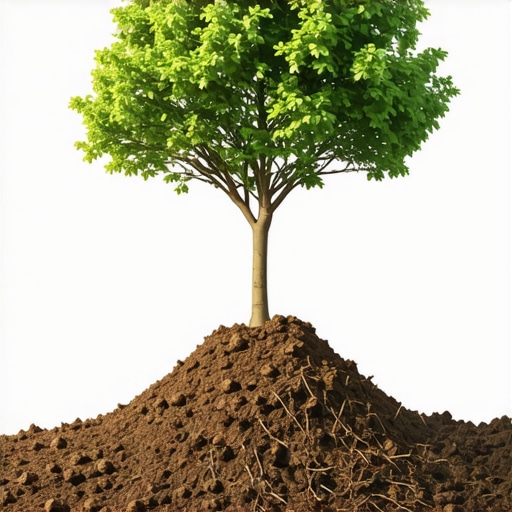
Why You Should Never Use Mulch Volcanoes Around Your Trees
I always drill into my new crew members: if you don’t fix the soil grading first, and if you don’t respect the root flare, every plant you put in the ground is just expensive compost. I have spent two decades watching homeowners and ‘mow-and-blow’ contractors pile mulch six inches deep against the base of a $1,500 Red Maple, effectively signing its death warrant. They think they are helping. They think it looks clean. In reality, they are creating a localized environment for fungal pathogens and structural instability. It is a slow, expensive murder. When I walk a property for a yard cleanup or a sod install, the first thing I look for is the root flare. If I can’t see where the trunk widens into the soil, we have a problem. This isn’t just about aesthetics; it is about the basic biological survival of the tree’s vascular system.
The Anatomy of a Slow Death
Mulch volcanoes kill trees by trapping moisture against the tree bark, which leads to bark rot, prevents gas exchange at the root level, and encourages the growth of girdling roots that eventually strangle the tree’s vascular tissue. This practice causes long-term structural failure and nutrient deficiencies.
You have to understand the difference between bark and roots. Roots are designed to be in the soil, absorbing water and oxygen. Bark is designed to be in the air, protecting the tree. When you pile mulch against the trunk—the ‘volcano’—you are forcing the bark to act like a root. It cannot. The moisture trapped by that mulch causes the bark to soften and decay. Once the bark is compromised, you’ve opened a door for Phytophthora and other fungal pathogens to move into the cambium layer. The cambium is the tree’s highway for nutrients. If the highway is flooded and rotting, the tree starves. It doesn’t happen overnight. It happens over three to five years. You’ll notice the canopy thinning, the leaves undersized, and the overall vigor of the tree declining. By then, it’s often too late. I have seen irrigation systems that exacerbate this by constantly spraying the mulch pile, keeping the rot active 24/7. It’s a recipe for disaster.
“A mulch volcano is one of the most common causes of tree death in the urban landscape. It is not a matter of if the tree will suffer, but when.” – Texas A&M AgriLife Extension
How much mulch do I actually need for a healthy tree?
For a healthy landscaping ecosystem, you only need 2 to 3 inches of organic mulch spread in a wide circle around the tree. This mulch should never touch the trunk. Maintain a 3 to 4-inch gap between the mulch and the root flare to ensure proper aeration and prevent bark decay.
The Biological Consequence of Girdling Roots
When trees are subjected to mulch volcanoes, they often develop stem-girdling roots (SGRs) which grow in a circular pattern around the trunk rather than extending outward. These roots eventually constrict the phloem and xylem, preventing the transport of water and carbohydrates between the roots and the canopy.
As the tree grows, its trunk expands. If it has roots growing in a circle around it because they were seeking moisture in a mulch pile, those roots and the trunk eventually collide. They crush each other. This is hydrostatic pressure applied in the worst possible way. The tree literally chokes itself. I’ve excavated trees where the girdling roots were so thick they had fused to the trunk, cutting off 70% of the tree’s nutrient flow. This also makes the tree a liability. A tree with a strangled root system has no structural integrity. During a high-wind event, that tree isn’t going to bend; it’s going to snap at the base because the wood is compromised by rot and the roots aren’t anchored properly. In our landscaping projects, we prioritize structural pruning and root inspection to prevent this from the start.
| Mulching Metric | Mulch Volcano (Hack Method) | Professional Ring (Correct Method) |
|---|---|---|
| Mulch Depth | 6-12 inches | 2-3 inches |
| Trunk Contact | High (Buried) | Zero (Exposed Flare) |
| Gas Exchange | Anaerobic (Suffocated) | Aerobic (Oxygenated) |
| Root Direction | Circular/Girdling | Lateral/Outward |
| Tree Longevity | 3-10 years | 50+ years |
Remediation: The Forensic Autopsy and Repair
If you have mulch volcanoes on your property, you need to act now. This is not a suggestion; it is a requirement for tree survival. The process is labor-intensive but necessary. We call it a ‘root flare excavation.’ It involves carefully removing the excess mulch and soil from the base of the tree until the point where the first main roots emerge from the trunk is visible. You may find adventitious roots—tiny, fibrous roots growing out of the trunk into the mulch. These are a sign of stress. They should be pruned away. If you find larger girdling roots, you may need a certified arborist to determine if they can be safely cut without destabilizing the tree.
“The root flare must be visible at the soil surface. This area is responsible for the exchange of gases that are vital to the health of the tree’s root system.” – Penn State Extension
Can a tree recover from a mulch volcano?
Yes, many trees can recover if the root flare excavation is performed before the cambium layer is completely girdled. Recovery requires removing the mulch, pruning secondary roots, and ensuring the soil pH and moisture levels are stabilized to reduce further stress on the vascular system.
- Step 1: Carefully shovel away the ‘volcano’ mulch. Do not use a pickaxe; you will damage the bark.
- Step 2: Use a stiff brush or a handheld trowel to remove soil until you find the flare.
- Step 3: Prune any small roots that are growing across the trunk.
- Step 4: Apply a new layer of mulch, keeping it 3-4 inches away from the bark.
- Step 5: Monitor for signs of fungal growth or pest infestation in the newly exposed area.
Don’t be the homeowner who spends thousands on a sod install only to let their mature oaks rot from the ground up. Landscaping is a long-term investment. It requires a fundamental understanding of how plants actually breathe and grow. Every time I see a mulch volcano, I see a contractor who took a shortcut or a homeowner who didn’t know better. It will rot. It will die. Don’t skip the excavation. The health of your entire yard depends on the soil-to-trunk interface. If you’re doing a yard cleanup, make ‘pulling back the mulch’ your first priority. Your trees will thank you with decades of shade and structural stability.