
The Forensic Autopsy of a Saturated Lawn
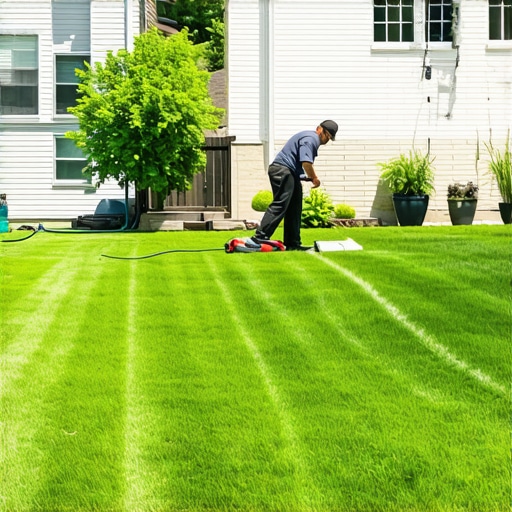
You can hear it before you see it. It is that sickening, rhythmic squish beneath your boots that tells you the soil profile is completely maxed out. I see it every season: a homeowner gets impatient after a three-day deluge, fires up the zero-turn, and proceeds to commit horticultural homicide on their turf. They think they are just cutting grass. In reality, they are destroying the soil structure and inviting a fungal buffet that will cost thousands to remediate. To understand the best time to mow your lawn after heavy rainfall, you must understand that your yard is not a carpet; it is a living, breathing biological filter that relies on pore space to survive. If those pores are filled with water and you add 800 pounds of mower, you are essentially sealing your lawn in a plastic bag. I always drill into my new crew members: if you do not fix the soil grading first and respect the saturation point, every plant you put in the ground is just expensive compost. I have watched $15,000 sod install projects turn into mud pits because some hack tried to mow while the clay was still plastic. It is not about the height of the grass; it is about the structural integrity of the root zone.
“Soil compaction occurs when soil particles are pressed together, reducing pore space between them. Heavily compacted soils contain few large pores, which are critical for water infiltration and drainage.” – Penn State Center for Turfgrass Science
Why Mowing Wet Grass Is a Maintenance Sin
Mowing your lawn after heavy rainfall is dangerous because saturated soil cannot support the PSI (pounds per square inch) of a mower, leading to soil compaction and crown damage. When you mow wet, you are not cutting the grass blades; you are tearing them, which creates an entry point for pathogens like Pythium blight and Rhizoctonia solani. The weight of the machine collapses the macro-pores in the soil that hold oxygen. Without oxygen, the roots suffocate. It is that simple. You are trading a neat-looking yard for a dead one. If you have just finished a yard cleanup or a fresh sod install, the danger is doubled. New sod has not knit into the native soil yet. A heavy mower will literally slide the sod off its base, ruining the landscaping grade you just paid for.
How long should I wait to mow after it rains?
The standard rule is to wait until the grass is dry to the touch and the soil no longer feels soft under your feet, which usually takes 12 to 24 hours of sunlight and wind. If you walk across the lawn and see your footprint fill with water, stay off it. If the grass blades are still sticking together in clumps, the mower deck will not be able to generate the necessary lift to achieve a clean cut. For those with heavy clay soils, you might need to wait 48 hours. Conversely, sandy soils drain faster, but the blade of the grass itself still needs to be dry to avoid fungal transfer. Use a moisture meter or the “screwdriver test” to check the top two inches of soil before bringing out the heavy equipment.
| Soil Type | Drainage Rate | Wait Time After 1″ Rain | Risk Level |
|---|---|---|---|
| Sandy Loam | High | 12 Hours | Low |
| Silt/Loam | Medium | 24-36 Hours | Moderate |
| Heavy Clay | Low | 48+ Hours | Severe |
The Mechanics of Mower Damage and Turf Pathology
When grass is wet, the cellulose structure of the blade is heavy and prone to bending. Your mower blade, no matter how sharp it is, will struggle to create the vacuum needed to pull the grass upright. Instead of a surgical cut, you get a ragged tear. This isn’t just about aesthetics. A torn blade loses moisture faster and requires more energy from the plant to heal. Furthermore, those wet clippings will clump. These “green bricks” of wet grass sit on top of the turf, blocking sunlight and creating a high-humidity micro-environment. This is a five-star hotel for Brown Patch and Dollar Spot. If you must mow because the irrigation system malfunctioned and the grass is a foot tall, you have to bag every single clipping. Leaving wet clumps is a death sentence for the grass underneath.
“A retaining wall doesn’t fail because of the stone; it fails because of the water trapped behind it.” – Hardscape Engineering Axiom
The same logic applies to your lawn’s drainage. If your landscaping doesn’t have a 2% slope away from the house, the water pools. That standing water creates anaerobic conditions. When you mow over these areas, you create ruts. Ruts are not just ugly; they are permanent changes to your yard’s topography. They collect more water, leading to more rot, and eventually, you have a swamp instead of a lawn. If your yard cleanup involves fixing these ruts, you are looking at top-dressing with a 50/50 sand and compost mix, which is labor-intensive and expensive.
The Post-Rain Turf Readiness Protocol
- Check the irrigation controller: Ensure the rain sensor actually tripped and the system isn’t adding more water to the mess.
- The Boot Test: Walk the lowest point of the property. If it feels spongy, the mower stays in the shed.
- Blade Inspection: If the grass is even slightly damp, your blades must be razor-sharp to minimize tearing.
- Height Adjustment: Raise your mower deck to its highest setting. Never take off more than 1/3 of the blade height, especially when the plant is stressed by excess water.
- Cleaning the Deck: After you finish, you MUST scrape the underside of the mower. Wet grass and mud will harden like concrete, ruining your deck’s aerodynamics.
What is the best mower height for wet grass?
If you have to mow when the ground is marginally damp, you should set your mower to at least 3.5 to 4 inches. This reduces the stress on the plant’s root system and prevents the mower deck from scalping uneven, soft ground. Higher grass also has a larger surface area to transpire excess moisture out of the soil. Lowering the deck while the ground is soft is the fastest way to scalp the crowns of your grass and kill the entire stand.
Final Verdict from the Field
Patience is the most underrated tool in your shed. I have seen too many homeowners rush out after a storm because they have a party or they just hate the look of a shaggy lawn. They end up with ruts, fungus, and a mower with a blown belt from clumping. If you recently did a sod install, stay off it for at least 14 days, regardless of the rain. The irrigation needs to settle the soil, not have a machine compact it. Landscaping is a long game. Don’t lose the season because you couldn’t wait 24 hours for the sun to do its job. It will rot. Don’t skip the wait time. Your lawn will thank you with deeper roots and better resilience during the August heat waves.”