
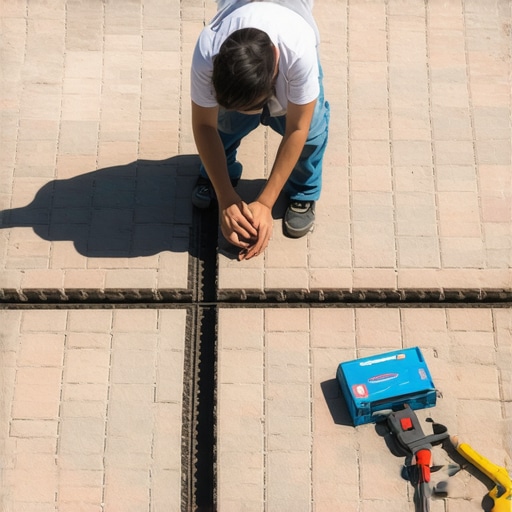
The Hardscape Autopsy: Why Your High-End Patio is Disintegrating
A sinking paver is never just a surface problem; it is a structural failure of the geological layers beneath your feet. Sinking pavers occur when the sub-base is improperly compacted, when the wrong aggregate materials are used, or when water infiltration undermines the integrity of the soil. To fix it, you must stop looking at the stones and start analyzing the sub-surface engineering. Most homeowners see a dip in their walkway and think they just need more sand. They are wrong. It is usually a failure of the 2A modified stone base or a lack of geotextile separation.
I recently got called out to tear up a $30,000 patio that was sinking because the previous contractor used stone dust as a base instead of a properly graded aggregate. Within two seasons, that stone dust turned into a mushy, non-draining slurry. The pavers were literally floating on a sponge. We had to excavate 30 tons of material just to get back to a stable sub-grade. This is the reality of the industry: hacks will save $500 on materials today, costing you $10,000 in remediation five years later. If you do not understand the Proctor density of your soil, you have no business installing hardscapes. I tell my crew every morning: water is the enemy, and compaction is the only defense.
“A retaining wall doesn’t fail because of the stone; it fails because of the water trapped behind it.” – Hardscape Engineering Axiom
The Science of Sub-Base Compaction and Aggregate Gradation
Proper hardscape stability requires a minimum of 4 to 6 inches of compacted 2A modified crushed stone for walkways and 8 to 12 inches for driveways. This base must be compacted in 2-inch lifts using a vibratory plate compactor to reach 95% Standard Proctor Density. Using the wrong material, such as pea gravel or uncrushed river rock, will result in immediate failure because these rounded stones act like ball bearings under a load. You need angular, crushed stone that interlocks under pressure. This creates the structural bridge needed to distribute weight across the sub-grade.
How much modified gravel do I need for a patio base?
To calculate the required gravel, multiply the total square footage by the desired depth in feet (e.g., 0.5 feet for 6 inches), then divide by 27 to get cubic yards. Always add a 20% compaction factor to your order to ensure you have enough material to reach the necessary density. For a standard 400-square-foot patio with a 6-inch base, you will need approximately 9 to 10 cubic yards of crushed stone. Anything less, and you are sacrificing the structural integrity of the installation.
| Material Type | Drainage Rating | Compaction Stability | Recommended Use |
|---|---|---|---|
| 2A Modified Crushed Stone | Excellent | Very High | Structural Base Layer |
| #57 Clean Stone | Superior | Medium | Drainage/French Drains |
| Stone Dust | Poor | Low | Avoid for Base Layers |
| Concrete Sand (ASTM C33) | Moderate | High (as bedding) | 1-inch Bedding Layer Only |
Water Management: The Silent Killer of Patios
Hydrostatic pressure and poor drainage are the primary reasons pavers shift and sink over time. If your irrigation system is spraying directly onto the edge of your patio, or if your downspouts are discharging near the base, the water will saturate the sub-grade and cause the soil to liquefy. This is why a 1% to 2% slope—dropping 1/8 to 1/4 inch per foot—is mandatory for every hardscape project. You are not just building a patio; you are building a watershed management system. Without proper grading, you are just waiting for gravity to win.
What is the best way to prevent weeds between pavers?
Weeds do not grow from the soil beneath the pavers; they grow from seeds that land in the joints. The only way to prevent weed growth and joint wash-out is the application of high-quality polymeric sand that has been properly hydrated and cured. This sand contains chemical binders that harden when wet, creating a flexible but solid barrier. However, if your pavers are sinking, the polymeric sand will crack, allowing water to enter the base and accelerating the failure. Fix the sink first, then seal the joints.
“The stability of a pavement system is dependent upon the moisture content of the subgrade and the ability of the base to distribute loads.” – Interlocking Concrete Pavement Institute (ICPI)
- Excavation: Remove all organic topsoil until you reach the inorganic sub-grade.
- Geotextile: Lay down a non-woven geotextile fabric to prevent the stone base from sinking into the clay soil.
- Base Layers: Add stone in 2-inch increments, wetting it slightly to achieve maximum compaction.
- Bedding: Use exactly 1 inch of screeded concrete sand. Do not use more, or the pavers will shift.
- Edge Restraints: Install heavy-duty PVC or aluminum edging pinned with 10-inch steel spikes every 12 inches.
The Post-Repair Integration: Landscaping and Sod Install
Once the hardscape is stabilized, the surrounding landscaping must be addressed to protect the investment. A professional yard cleanup and strategic sod install are necessary to stabilize the soil around the patio edges and prevent erosion of the base material. If you leave raw dirt exposed at the edge of your new pavers, the first heavy rain will wash out the bedding sand. I always recommend a 2-foot buffer of fresh sod or heavy mulch with deep-rooted perennials to lock the perimeter in place. Furthermore, check your irrigation heads to ensure they are not creating