
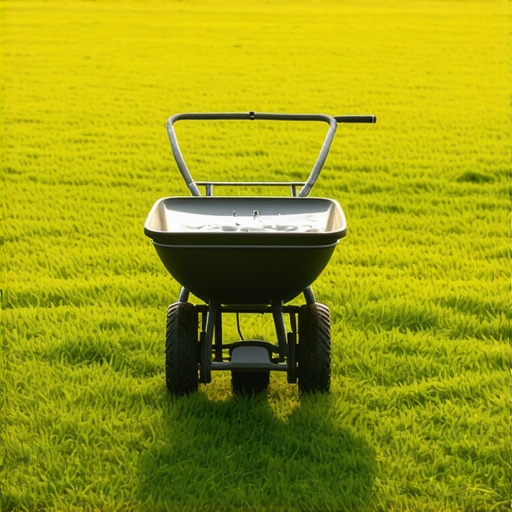
The Visible Failure: When Good Fertilizer Goes Bad
The best time of day to fertilize your lawn is either early morning or early evening, specifically between 6:00 AM and 10:00 AM or after 4:00 PM, to avoid evaporative loss and foliar burn. Applying nitrogen-rich nutrients during these windows ensures turfgrass can absorb the NPK (Nitrogen, Phosphorus, Potassium) mixture before high-intensity UV rays and heat cause nitrogen volatilization or osmotic stress to the plant tissue.
A homeowner called me in a panic last August after they completely torched their front yard. They had spent thousands on a fresh sod install earlier that spring, but the grass was looking a little pale. In an effort to ‘green it up,’ they dumped a high-nitrogen quick-release fertilizer at 1:00 PM on a 90-degree day. By the time I arrived, the lawn looked like it had been hit with a blowtorch. The salt index in the fertilizer, combined with the heat, had pulled every drop of moisture out of the grass blades. This wasn’t a disease; it was a chemical autopsy of poor timing. This is why I tell my crew: your landscaping results depend as much on the clock as they do on the chemistry. If you don’t respect the sun, you’re just paying to kill your yard. It will rot. Don’t skip the science. Most people think they are feeding the grass, but they are actually disrupting the soil microbiology when they apply chemicals during peak heat. The irrigation schedule must be perfectly synced with your application to prevent the fertilizer from sitting on the leaf blade like a caustic salt. We are talking about hydrostatic pressure within the plant cells. When you apply fertilizer, you increase the salinity of the soil water. If the sun is beating down, the plant can’t pull water fast enough to offset that salt, and the cell walls collapse. It’s that simple.
“Nitrogen loss from urea-based fertilizers via ammonia volatilization can exceed 30% if the product is applied to warm, moist surfaces without immediate incorporation or irrigation.” – Penn State Center for Turfgrass Science
The Science of Nutrient Absorption and Volatilization
Understanding nitrogen volatilization is critical for anyone managing high-end landscaping. When you spread urea-based fertilizers on a hot, damp lawn in the middle of the day, the urease enzyme breaks down the urea into ammonia gas. You are literally watching your money evaporate into the atmosphere. Early morning applications are superior because the grass is typically covered in dew. This slight moisture helps the fertilizer granules begin to break down and settle toward the soil surface, but it’s not enough to cause the rapid gas-off seen in mid-day heat. However, you must follow up with 1/4 inch of irrigation. This isn’t a suggestion. It’s a mechanical necessity. The water moves the solutes past the thatch layer and into the root zone. If you leave fertilizer sitting on top of a thick thatch layer, you’re just feeding the microbes that break down organic matter, not the grass itself. This is often where a yard cleanup becomes essential. If your lawn is choked with two inches of dead organic matter, that fertilizer never reaches the dirt. You need to core aerate or power-rake before a major feeding to ensure the CEC (Cation Exchange Capacity) of your soil can actually hold the nutrients you’re providing.
How much water do I need after fertilizing?
You need exactly 0.25 to 0.5 inches of water immediately following a fertilizer application to move the nutrients into the soil. Use a rain gauge or a tuna can to measure your irrigation output; most systems need 20-30 minutes per zone to hit this mark. Do not flood the yard. Over-watering will cause nutrient leaching, where the nitrogen washes past the root zone and into the groundwater. It’s a waste. Focus on precision. Stop guessing. The goal is to move the product 1 to 2 inches deep. That is where the rhizomes and feeder roots live. If the water doesn’t reach that depth, the fertilizer stays on the surface, increasing the risk of turfgrass scalping and burn during the next heat cycle.
Can I fertilize my lawn at night?
While late evening is better than mid-day, fertilizing at night carries the risk of fungal pathogens like brown patch or pythium blight. When you water in fertilizer late at night, the grass stays wet for 10-12 hours. This is a breeding ground for spores. If you must fertilize in the evening, do it at 5:00 PM and finish watering by 7:00 PM so the leaf blades can dry before nightfall. Wet grass is a liability. Keep it dry at night. This is non-negotiable for fescue or ryegrass varieties in humid climates.
The Logistics of Material Selection
Not all fertilizers are created equal, and your operational lane depends on the product type. Slow-release nitrogen (SRN) is the only thing I allow on my job sites for summer maintenance. These granules are coated in polymers or sulfur that break down slowly based on temperature and moisture. Fast-release fertilizers are like a caffeine jolt for grass; they cause a massive growth spike that the irrigation system often can’t support, leading to a weak, leggy canopy. Below is a breakdown of how different materials behave based on the time of day and temperature.
| Fertilizer Type | Best Application Time | Release Mechanism | Burn Risk |
|---|---|---|---|
| Urea (Quick Release) | 6:00 AM – 8:00 AM | Water Solubility | High |
| Poly-Coated (Slow Release) | Anytime (Early AM preferred) | Temperature/Osmosis | Low |
| Organic (Milorganite/Compost) | Early Evening | Microbial Activity | Very Low |
| Liquid Foliar | 6:00 AM (Sharp) | Leaf Stomata Absorption | Moderate |
If you are doing a sod install, the rules change. You need a starter fertilizer with higher phosphorus levels to encourage root elongation. But even then, the timing remains the same. You don’t want to stress new rhizomes that are already struggling to establish a connection with the native soil. I’ve seen $10,000 landscaping projects fail because the crew was lazy with the spreader and the water. It’s heartbreaking. Check your soil pH first. If your pH is above 7.5, your grass can’t even ‘see’ the iron or phosphorus you’re putting down. It’s chemically locked out. You’re throwing money into a hole. Fix the soil chemistry, then worry about the clock.
“A lawn is a living, breathing hydraulic system. If you introduce chemicals without adequate water, you aren’t feeding it; you’re dehydrating it at a cellular level.” – Agronomy Manual Volume IV
The Maintenance Checklist for Professional Results
Before you even touch a spreader, you need a plan. Most homeowners treat fertilization as an afterthought during a yard cleanup. That’s a mistake. Follow this protocol to ensure your turfgrass actually benefits from the application:
- Soil Test: Do not fly blind. Know your NPK and pH levels before buying product.
- Clear Debris: Perform a thorough yard cleanup. Remove leaves, sticks, and heavy thatch.
- Calibrate the Spreader: Ensure your equipment is dropping the correct pounds-per-thousand-square-feet.
- Watch the Forecast: Never fertilize before a monsoon-level rain. It will just wash into the storm drain.
- Check Irrigation: Ensure your sprinkler heads are providing head-to-head coverage.
Precision is everything in landscaping. I don’t care if you have the most expensive mower in the world. If your soil is dead and your timing is off, your lawn will look like a goat pasture. You have to be a steward of the ecosystem. This means understanding evapotranspiration rates. In the heat of the day, the plant closes its stomata to preserve water. If the stomata are closed, the plant isn’t ‘breathing’ or moving nutrients efficiently. You are fighting against the plant’s natural defense mechanisms. Wait for the morning. Let the plant wake up, open its pores, and drink. That is how you build a professional-grade lawn. It’s not magic. It’s engineering.