
The Early Morning Discovery of Aquatic Distress
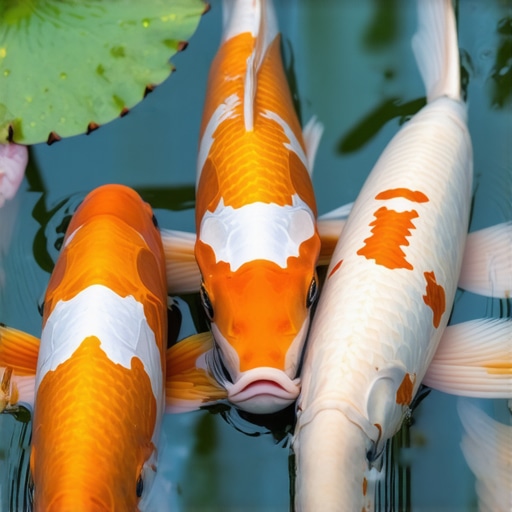
You walk out to your backyard with a cup of coffee, expecting the quiet ripple of your pond, but instead, you see a dozen mouths breaking the surface tension. The fish are piping. They aren’t hungry. They are suffocating in a medium that should be life-sustaining. This is a forensic emergency. As a landscaper who has spent decades digging out failed ponds and remediating chemical spills, I know that when your koi or goldfish are gasping at the surface, you are witnessing a breakdown of the aquatic nitrogen cycle or a total collapse of dissolved oxygen levels. It is a terrifying sight. The fish are lethargic, their gills are pumping at a frantic pace, and the larger ones are usually the first to go. This isn’t a fluke of nature. It is a mechanical or chemical failure within the landscape ecosystem.
The Chemical Nightmare: A Cautionary Tale of Mismanaged Turf
I remember a call I got two years ago in a high-end subdivision. The homeowner had just invested $15,000 in a premium sod install and a full yard cleanup. They wanted the property to look like a golf course by the weekend. Against my advice, they hired a separate chemical crew to ‘blast’ the new turf with a high-nitrogen starter fertilizer and a heavy dose of pre-emergent herbicide. Then, the irrigation system kicked in for a three-hour soak. Within twelve hours, their $5,000 show-grade koi were belly up or gasping at the waterfall. The fertilizer runoff had bypassed the pond’s perimeter, surged the nutrient levels, and triggered a massive ammonia spike. The high nitrogen didn’t just feed the grass; it stripped the water of its ability to support life. We had to do an emergency 50 percent water change and install four high-output aerators just to save the survivors. It was an expensive lesson in how landscaping and pond biology are inextricably linked.
Understanding Dissolved Oxygen and the Biological Oxygen Demand
Pond fish gasp at the surface because the dissolved oxygen levels have dropped below 3 to 4 parts per million, often due to high water temperatures or a spike in biological oxygen demand. This occurs when aerobic bacteria consume oxygen to break down organic matter like decaying leaves or excess fish waste. When temperature rises, the water’s capacity to hold oxygen decreases. This is a law of physics. Warm water is less dense and holds fewer gas molecules. If you have an algae bloom triggered by fertilizer runoff from a recent sod install, the problem doubles. During the day, algae produce oxygen via photosynthesis. At night, they switch to respiration, sucking the oxygen out of the water and leaving the fish with nothing by 4:00 AM.
“Oxygen solubility in water is inversely proportional to temperature; as the pond warms, the available oxygen for fish and beneficial bacteria decreases significantly.” – Agricultural Extension Office Manual on Aquaculture
To understand the severity, look at the math of oxygen saturation. At 50 degrees Fahrenheit, water can hold about 11.3 mg/L of oxygen. At 85 degrees, that number drops to around 7.5 mg/L. If your pond is poorly designed with a shallow basin and no shade, that temperature will spike fast. If you add high BOD from yard debris left after a sloppy yard cleanup, the oxygen level can crash to 2 mg/L in hours. The fish have no choice but to head for the surface where gas exchange occurs. They are trying to find that thin layer of oxygenated water where the atmosphere meets the pond.
How do I increase oxygen in my pond quickly?
To increase oxygen immediately, you must introduce mechanical aeration through a high-volume air pump or by aiming your irrigation discharge or a garden hose spray into the air to splash back into the pond. This creates surface agitation. Surface tension is the enemy of gas exchange. By breaking that tension, you allow carbon dioxide to escape and oxygen to enter. Do not just drop a hose in; the splashing is what does the work. If the gasping is severe, check your pump. If the pump is clogged with debris from a recent landscaping project, the water is stagnant. Stagnant water is dead water. Every minute of pump downtime in July is a risk to your livestock.
The Connection Between Sod Installs and Pond Toxicity
When you perform a sod install near a water feature, you are essentially placing a massive nutrient sponge uphill from your pond. Most homeowners don’t realize that new sod requires frequent, heavy irrigation to establish its root system. This heavy watering often leads to nutrient leaching. Nitrogen and phosphorus are the primary components of turf fertilizer. In a pond, these are fuel for cyanobacteria and algae. When these organisms bloom, they don’t just look ugly; they create a volatile oxygen environment. High pH levels during the day can also turn relatively harmless ammonium into toxic, free ammonia (NH3), which burns the gills of your fish. Once those gills are damaged, the fish cannot process oxygen even if the water is saturated with it. This is why a professional landscaping plan must include a buffer zone—a ‘no-fly zone’ for fertilizers within ten feet of the water’s edge.
Technical Parameters for Pond Health Management
| Parameter | Target Range | Impact of Deviation |
|---|---|---|
| Dissolved Oxygen (DO) | 6.0 – 9.0 mg/L | Below 3.0 mg/L causes acute fish stress and death. |
| Ammonia (NH3/NH4+) | 0.0 ppm | Any measurable amount indicates a failed bio-filter. |
| Nitrite (NO2-) | 0.0 ppm | Blocks oxygen transport in fish blood (brown blood disease). |
| Water Temperature | 65 – 75 F | High temps reduce O2 holding capacity and increase fish metabolism. |
| pH Level | 7.0 – 8.5 | Fluctuations stress fish and change ammonia toxicity. |
If you aren’t measuring these numbers, you are just guessing. A digital DO meter or a high-quality liquid reagent kit is mandatory for anyone with more than a few hundred dollars invested in fish. I see it all the time: people spend thousands on landscaping but won’t spend fifty bucks on a water test kit. Don’t be that person. You need to know your baseline. If your ammonia is creeping up after a yard cleanup where grass clippings blew into the pond, you need to react before the fish start piping. The clippings rot, the bacteria bloom, the oxygen vanishes. It is a predictable chain of events.
How much irrigation runoff is too much for a pond?
Even a small amount of irrigation runoff can be catastrophic if it contains high concentrations of pesticides or concentrated nitrogen. If your irrigation heads are misaligned and spraying directly into the pond or onto a patio that drains into it, you are bypassing the natural filtration of the soil. Ideally, 100 percent of your irrigation should stay on the turf. In many municipal jurisdictions, allowing nutrient-rich runoff to enter a water body is a violation of environmental codes. You should ensure your landscaping is graded so that all surface water flows into a rain garden or a French drain system, rather than directly into your pond’s basin.
The Restoration Checklist: Preventing Future Hypoxia
- Audit the Aeration: Ensure your air stones are not clogged with calcium scale or algae. You should see a vigorous ‘boil’ at the surface.
- Clean the Skimmer: After any yard cleanup, check the skimmer basket. Decaying organic matter in the skimmer consumes oxygen just as fast as if it were on the bottom.
- Grade for Drainage: If your pond is the lowest point in the yard, install a swale or a berm to divert rainwater and irrigation runoff away from the pond.
- Monitor the Pump: A pump should be sized to turn over the entire pond volume at least once per hour. If you have 2,000 gallons, you need a 2,000 GPH pump.
- Reduce Fish Density: Too many fish create too much waste. High waste leads to high oxygen consumption by nitrifying bacteria.
- Strategic Plantings: Use marginal plants like Anacharis or Hornwort. These submerged plants are excellent oxygenators, though they also respire at night.
“A retaining wall doesn’t fail because of the stone; it fails because of the water trapped behind it. Similarly, a pond doesn’t fail because of the fish; it fails because of the waste trapped within it.” – Hardscape Engineering Axiom
The Long-Term Maintenance Strategy
Pond health is a game of management. You cannot set it and forget it. If you are planning a major landscaping project, whether it is a new sod install or a complete irrigation overhaul, the pond must be protected. Cover it during the work. Set up temporary aeration if you have to turn off the main pump. And for the love of the craft, stop using cheap, high-phosphorus fertilizers near the water. Use slow-release organic fertilizers that won’t cause a massive spike in the water chemistry. Your fish don’t have lungs; they rely on you to keep their atmosphere clean. If you see them at the surface, the clock is ticking. Act now. Increase the air. Test the water. Fix the grade. It is the only way to ensure your backyard doesn’t become a graveyard for expensive koi.