
Stopping 2026 Root Rot in Clay Soil Gardens
I always drill into my new crew members: if you don’t fix the soil grading first, every plant you put in the ground is just expensive compost. I have seen too many rookies spend ten grand on nursery-grade specimens only to bury them in a clay-lined coffin. That is exactly what happens when you ignore the structural reality of your land. In my twenty years of running a landscaping firm, the number one killer of gardens is not drought or pests; it is the suffocating grip of anaerobic, waterlogged clay soil. If you are planning your 2026 garden layout, you need to understand that clay is not just dirt. It is a microscopic engineering challenge that requires a precise mechanical and biological intervention.
Identifying Root Rot Before the Garden Dies
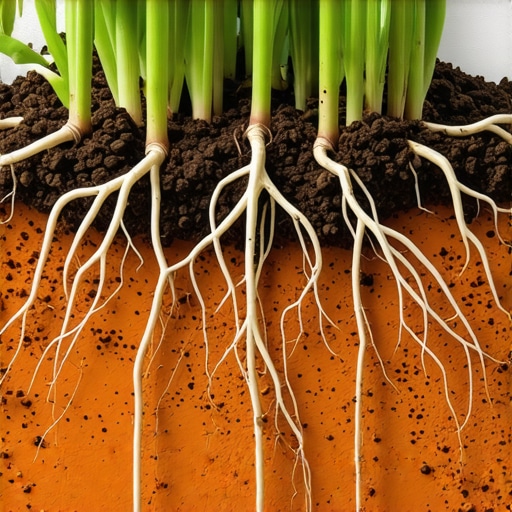
Root rot in clay soil occurs when excess water replaces oxygen in the pore spaces, leading to anaerobic conditions that allow pathogens like Phytophthora to thrive. To stop it, you must improve sub-surface drainage and adjust irrigation cycles to match the soil’s low percolation rate. Unlike sandy loam, clay particles are flat and plate-like. They stack together under the weight of foot traffic or heavy machinery, creating a nearly impermeable barrier. When you install new sod or plants on top of this, you create a perched water table. The water has nowhere to go. It sits. It stagnates. It rots. By the time you see yellowing leaves or a wilting canopy, the root system is likely already a mushy, black mess of necrotic tissue. It is far easier to prevent this during a yard cleanup or initial landscaping phase than it is to treat a dying landscape.
“Clay particles are less than 0.002 mm in diameter, creating microscopic pore spaces that hold water through capillary action far longer than sand or loam.” – USDA Natural Resources Conservation Service
The Science of Clay Soil and Hydrostatic Pressure
Hydrostatic pressure is the primary enemy of your garden’s foundation and root health. When clay becomes saturated, it expands. This expansion exerts pressure against retaining walls and prevents further water infiltration. In a standard sod install, homeowners often make the mistake of laying the grass directly over compacted clay. This leads to a shallow root system that cannot breathe. To fix this, you must look at the soil at a chemical level. Clay is often negatively charged, which allows it to hold onto water and cations tightly. Adding gypsum (calcium sulfate) can sometimes help flocculate these particles, but it is not a magic wand. You need physical aeration and the introduction of organic matter to break the structural bond of the clay.
“A retaining wall doesn’t fail because of the stone; it fails because of the water trapped behind it.” – Hardscape Engineering Axiom
How much modified gravel do I need for a patio base?
For a standard residential patio or walkway, you need a minimum of 4 to 6 inches of compacted 2A modified gravel. In heavy clay environments, this base must be deeper to prevent heaving and to allow for hydrostatic pressure relief through a dedicated drainage pipe system. If you skip the compaction or use the wrong aggregate, the clay will eventually swallow the stone, leading to a sinking, uneven mess that traps water right next to your garden beds.
Remediation: Fix the Foundation, Not Just the Plant
The forensic autopsy of a failed garden usually reveals a lack of vertical drainage. You cannot just dig a hole and drop a plant in. That is a bucket. In clay, you must dig a wider, shallower hole and scarify the sides of the pit. If you leave the sides smooth, they act like a terracotta pot, trapping the roots and the water. During a yard cleanup, focus on removing any debris that prevents surface runoff. You want a minimum 2% slope away from your planting beds. If the grade is flat, you must install a French drain. This involves a trench, a perforated pipe wrapped in geotextile fabric, and a bed of clean 3/4 inch crushed stone. This creates a path of least resistance for the water to exit your property rather than drowning your root zones. It is simple physics. It is non-negotiable. It works.
| Remediation Strategy | Cost per Square Foot | Effectiveness in Clay | Expected Lifecycle |
|---|---|---|---|
| Surface Regrading | $2.50 to $6.00 | High (with 2% slope) | Permanent |
| French Drain Install | $30.00 to $65.00 | Critical/Mandatory | 15 to 20 Years |
| Soil Amendment (Organic) | $1.75 to $4.00 | Moderate | 3 to 5 Years |
| Core Aeration | $0.15 to $0.40 | Temporary Relief | Annual |
Proper Irrigation Management in Clay Biomes
Most irrigation systems are set to run too frequently for clay soil. If you water your lawn for 15 minutes every morning, you are killing it. Clay needs deep, infrequent watering. You want to apply roughly 1 inch of water per week, but you should do it in one or two heavy sessions. This forces the roots to grow deeper into the soil profile to find moisture as the surface dries out. If you keep the surface constantly wet, the roots stay shallow and rot. Use a soil probe. If the probe cannot penetrate 6 inches into the ground, your soil is too compacted. If the probe comes out covered in slimy, stinky mud, you are over-watering. Your irrigation controller should be your most scrutinized tool, not a set-it-and-forget-it appliance. Adjust it based on the evapotranspiration rates of your specific zip code.
Why is my new sod turning yellow and mushy?
Yellow, mushy sod is a classic sign of anaerobic saturation and nitrogen leaching. When the soil below the sod is too compacted, water sits between the new thatch and the clay, effectively boiling the roots in the sun or drowning them in a stagnant pool. You must ensure the soil is tilled and amended before the sod install occurs to ensure immediate root-to-soil contact and proper drainage. Do not just slap it on top of hard ground.
The 2026 Clay Soil Recovery Checklist
- Perform a percolation test: Dig a 12-inch hole, fill it with water, and time how long it takes to drain. Less than 1 inch per hour is a red flag.
- Inspect for mulch volcanoes: Never pile mulch against the trunk of a tree or the base of a shrub. It traps moisture against the bark and invites rot.
- Clear surface debris: Use your yard cleanup to ensure all swales and drainage grates are clear of leaf litter.
- Calibrate irrigation: Ensure you are delivering 1 inch of water per week in no more than two cycles.
- Core aerate: Remove 3-inch to 4-inch plugs of soil to allow oxygen to reach the root zone.
- Check root flares: Ensure the flare of the tree is visible at the soil line. If it is buried, the tree is slowly suffocating.
The 2026 season will be a disaster for those who treat their yard like a painting rather than an ecosystem. You have to get the dirt right. If the soil is healthy, the plants will follow. If the soil is a compacted block of clay, no amount of fertilizer or expensive landscaping will save it. Do the hard work now. Dig the trenches. Amend the beds. Stop the rot before it starts. Your plants do not have a voice, but they will show you exactly how much they are suffering through their growth. Listen to the soil. It never lies. Maintenance is a year-round commitment, not a weekend hobby. Keep the oxygen flowing, keep the water moving, and keep the hacks away from your property. This is how you build a landscape that lasts for decades rather than one that rots in a single season.