
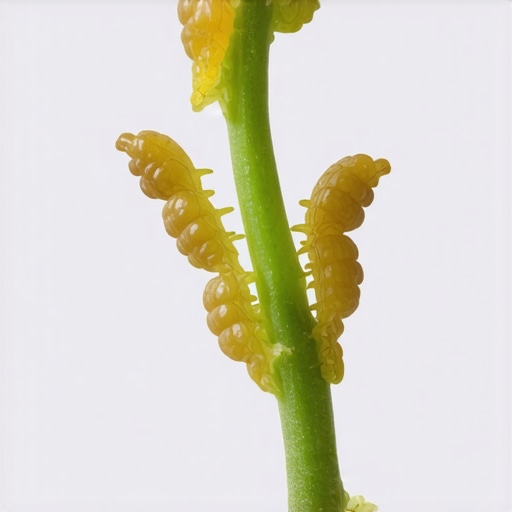
Identifying and Managing 2026 Scale Insect Infestations on Ornamental Shrubs
Identifying 2026 scale insects requires a microscopic understanding of hemicellulose consumption and the armored lifecycle of these immobile parasites. Most homeowners mistake scale for a fungal infection or natural bark growth, but by the time the leaves yellow, the plant’s vascular system is already compromised. We are seeing a massive uptick in scale populations due to inconsistent winter freezes and improper nitrogen application during sod install phases.
What are Scale Insects and Why Are They Killing Your Shrubs?
Scale insects are small, sap-sucking Hemiptera that attach themselves to stems and leaves, secreting a protective waxy coating to shield against predators and landscaping chemicals. They deplete the plant’s carbohydrate reserves, leading to branch dieback, stunted growth, and eventual death if the crawler stage is not intercepted. It is a slow, silent execution of your ornamental investment.
The Apprentice Lesson: Soil Health and Scale Vulnerability
I always drill into my new crew members: if you don’t fix the soil grading and chemistry first, every plant you put in the ground is just expensive compost. I remember a job in 2024 where we were called to a property that had just spent $15,000 on sod install and mature boxwoods. Within six months, the boxwoods were covered in Lepidosaphes ulmi (Oystershell scale). The previous contractor had buried the root flares 6 inches too deep and cranked the irrigation to compensate for poor drainage. The resulting anaerobic soil conditions stressed the plants to the point where their natural defenses failed. Scale insects are like vultures; they smell the ethylene production of a dying plant from a mile away. If you don’t manage your yard cleanup by removing infested debris, you are just inviting the next generation to feast.
“Scale insects are particularly difficult to manage because their protective waxy covering limits the effectiveness of many contact insecticides. Success depends on timing applications with the emergence of the crawler stage.” – Penn State Extension, Woody Ornamental Insect Management
Identifying the 2026 Scale Threats: A Technical Breakdown
The 2026 season is projected to see a rise in both soft scale and armored scale varieties. You must know the difference, or you will waste hundreds of dollars on the wrong systemic treatment. Soft scales produce honeydew, which leads to sooty mold. Armored scales do not. This distinction is critical for your landscaping maintenance plan.
| Scale Type | Key Host Plants | Physical Characteristics | Vulnerability Window |
|---|---|---|---|
| Euonymus Scale | Euonymus, Pachysandra | White, pear-shaped (males); Grey, oyster-shaped (females) | Late May to June (Crawler stage) |
| Calico Scale | Maple, Oak, Dogwood | 1/4 inch, dark brown with white spots | April-May (Nymphal migration) |
| Cottony Cushion | Boxwood, Holly | White, fluted egg sac | Multiple generations per year |
How much horticultural oil do I need for dormant spraying?
For most ornamental shrubs, a 2% to 3% dilution of horticultural oil (3-4 ounces per gallon of water) is the standard for dormant applications. Apply when temperatures are between 40°F and 70°F for at least 24 hours. Don’t skip the undersides of the branches. That is where they hide. Coverage must be 100%.
[IMAGE_PLACEHOLDER]
Can irrigation affect scale insect populations?
Excessive irrigation creates high-humidity microclimates within the shrub canopy, which favors the survival of the crawler stage and promotes the growth of secondary fungal pathogens. Conversely, drought-stressed plants produce higher concentrations of amino acids in their sap, making them a more nutritious food source for scale. Consistency is key. Precisely 1 inch of water per week, delivered via drip-line to the root zone, is the goal.
The Forensic Autopsy of an Infestation: Why Treatments Fail
When I see a failed scale remediation, it’s usually because the person used a contact spray on armored scale. It’s like throwing pebbles at a tank. You have to understand the instar phases. Once the crawler finds its permanent home, it molts and builds its shield. At that point, your only options are systemic neonicotinoids (like Imidacloprid) or IGR (Insect Growth Regulators) that prevent the next generation from forming shells.
“A retaining wall doesn’t fail because of the stone; it fails because of the water trapped behind it, and a plant doesn’t fail because of the bug; it fails because of the stress that invited the bug.” – Hardscape and Horticulture Engineering Axiom
The Ground-Up Remediation Strategy
If you have an infestation, don’t just spray and pray. Follow this engineering-grade protocol to save your landscaping:
- Step 1: The Mechanical Scrub. For light infestations on hardy shrubs, use a soft-bristle brush to physically remove the scale bodies. It is tedious. It works.
- Step 2: Soil Moisture Regulation. Adjust your irrigation timers. Check the soil with a moisture probe 4 inches down. If it’s saturated, back off.
- Step 3: Targeted Yard Cleanup. Prune out heavily encrusted branches. Do not toss them in the compost pile. Bag them and remove them from the property.
- Step 4: The Systemic Drench. Apply a soil drench in early spring so the plant can translocate the insecticide to the leaves before the crawlers emerge.
Precision matters. If your soil pH is above 7.5, some systemic chemicals become bio-unavailable. Test your soil. It’s the foundation of everything. Cheap big-box store products won’t cut it here. Use professional-grade dinotefuran for faster uptake if the infestation is severe. It’s expensive. It’s worth it.
Maintenance Schedule for Long-Term Defense
Scale management isn’t a one-and-done event. It is a multi-year commitment to ornamental health. In year one, you focus on the knockdown. In year two, you focus on soil microbiology and root development. By year three, the plant should have enough lignin and natural defenses to resist all but the most aggressive outbreaks. Avoid high-nitrogen fertilizers that produce succulent new growth; scale insects love that soft tissue. Use slow-release organic matter instead. Don’t be a hack. Do it right or don’t do it at all.