
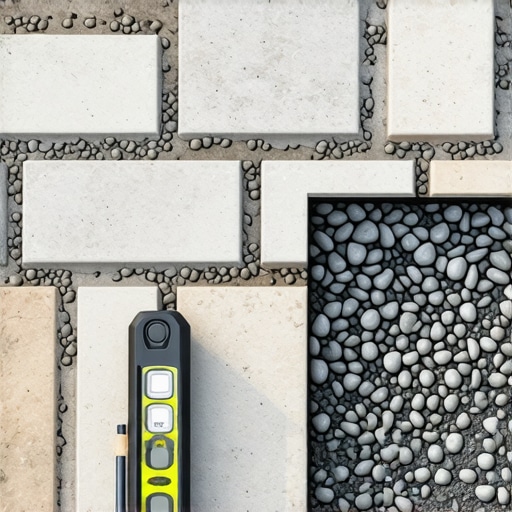
Walk out onto your patio and look at the joints. If you see dips where water pools or pavers that have tilted like tombstones in an old graveyard, you are looking at a structural failure. It is not just an eyesore. It is a trip hazard and a sign that the ground beneath your feet is moving. Most contractors ignore the physics of soil because it is invisible once the stone is down. I recently got called out to tear up a $30,000 patio that was sinking because the previous contractor used stone dust instead of a proper modified gravel base and skipped the plate compactor entirely. They walked away with the check, and the homeowner was left with a swampy mess of concrete blocks. Landscaping is not just about aesthetics; it is about engineering the earth to stay put.
Why Do Paver Patios Sink?
Paver patios sink primarily due to inadequate base compaction, poor drainage leading to soil erosion, or the use of incorrect base materials like sand-only foundations. When the subgrade soil is not excavated to the correct depth or compacted to 95% Proctor density, the weight of the pavers and foot traffic causes the earth to settle unevenly.
The Forensic Autopsy of a Failed Base
Most failed patios I see suffer from the same three sins: bad dirt, bad stone, or bad water management. If you do not excavate the organic topsoil—the dark, spongy stuff—you are building on a sponge. Organic matter decomposes and shifts. You need to reach the mineral subsoil. Once there, you cannot just dump six inches of gravel and call it a day. You have to install it in two-inch lifts, running a heavy-duty vibratory plate compactor over every single layer. If you skip this, the gravel has air pockets. Over time, those pockets collapse. It is inevitable. We call it settlement. Your patio is essentially a floating bridge on a sea of stone. If that stone is not locked together, the bridge falls.
“A retaining wall doesn’t fail because of the stone; it fails because of the water trapped behind it.” – Hardscape Engineering Axiom
Water is the enemy of all hardscaping. If your irrigation system is spraying directly onto the patio or if the yard grading sends runoff toward the house, that water will find its way under the pavers. Once it gets into the base, it lubricates the stone particles, allowing them to slide past each other. In colder climates, this water freezes, expands, and heaves the pavers upward. When it melts, the pavers drop, but they never drop back into the same place. This is why yard cleanup and proper gutter extension are critical for patio longevity.
How much modified gravel do I need for a patio base?
To calculate the required gravel, you must account for a minimum 6-inch base for pedestrian traffic and add 20% for compaction loss. Multiply the square footage by the total depth in feet (e.g., 0.5 feet for 6 inches) to find the cubic footage, then divide by 27 to get cubic yards. A standard patio requires roughly 1 ton of modified gravel per 50 square feet at a 4-inch depth. Never guestimate this. If you are short, you will be tempted to thin out the base. Don’t do it. It will rot.
| Material Type | Compaction Rating | Best Use Case | Risk Level |
|---|---|---|---|
| Dense-Graded Aggregate (21A/CR6) | High | Standard patio base | Low |
| Clean #57 Stone | Moderate | Permeable/Poor drainage areas | Medium |
| Stone Dust/Screenings | Low | Do not use as a base | High (Failure) |
| Concrete Sand | N/A | 1-inch bedding layer only | Low (if used correctly) |
How to Fix a Sinking Paver Patio
Fixing a sinking patio requires lifting the affected pavers, excavating the failed base material, and re-installing a compacted gravel foundation followed by a leveled sand bedding layer. You cannot simply pour more sand into the cracks; you must address the structural deficit beneath the surface to prevent future settlement.
The Remediation Process
If you have a localized dip, you don’t necessarily have to tear up the whole project. But you do have to be surgical. First, use two flat-head screwdrivers or a paver puller to lift the low stones. Clear out the old sand. You will likely see a depression in the gravel. Fill this with 21A modified gravel, not sand. Pack it down with a hand tamper until the tamper literally bounces off the compacted base. You should feel the shock in your wrists. That is the feeling of a solid foundation.
- Remove pavers in a 2-foot radius around the sunken area.
- Scrape away the old bedding sand to expose the gravel base.
- Add crushed stone (3/4-inch minus) in 1-inch increments.
- Compact each layer until it is rock hard.
- Apply exactly 1 inch of washed concrete sand as a bedding layer.
- Reset pavers and use a dead-blow hammer to seat them.
- Sweep in polymeric sand to lock the joints.
Impact of Landscaping and Sod Install on Stability
I often see beautiful patios ruined by a subsequent sod install. If the landscaper brings in heavy equipment and changes the grade around the patio, they can trap water against the stone. If the new sod is higher than the patio edge, water will sit on the pavers. This saturates the base. Always ensure the patio has a 2% slope—that is a 1-inch drop for every 4 feet of length—away from any structures. This ensures gravity does the work of moving water off your hardscape and into the lawn where it belongs.
“Failure to manage hydrostatic pressure through proper drainage aggregates is the leading cause of segmental pavement settlement.” – ICPI Tech Spec No. 2
How do I stop my pavers from shifting at the edges?
Edge restraint is the only thing keeping your patio from spreading like pancake batter. Plastic or aluminum edging must be secured with 10-inch steel spikes driven into the compacted gravel base, not the dirt. If the spikes go into the soil, they will pull out within two seasons. A proper landscaping professional will ensure the edge restraint is hidden by a thin layer of soil and mulch, but the structural integrity must be metal on stone. If your edges are migrating, your center will eventually sink.
Maintaining Your Investment
Once the fix is in, maintenance is non-negotiable. Yard cleanup should include checking the joints. If the polymeric sand has eroded, weeds will grow. Those weeds have roots that exert incredible pressure, pushing pavers apart and allowing more water to infiltrate the base. At least once a year, power wash the surface (carefully) and top off the sand. Keep your irrigation heads pointed away from the stone. Deep, infrequent watering of the lawn is better for the sod install and safer for the patio foundation. Don’t skip the small stuff. One missing handful of sand can lead to a thousand-dollar repair later.