
Understanding the Mechanics of Winter Desiccation
Winter burn occurs when evergreens lose water through transpiration faster than roots can absorb it from frozen or dry soil. This physiological drought leads to desiccated needles, browning foliage, and cellular death, primarily affecting the windward or south-facing sides of shrubs like Boxwoods and Hollies. When the ground is frozen solid, the root system is effectively locked out of the hydration cycle. Meanwhile, the winter sun and harsh winds continue to pull moisture out of the foliage through the stomata. This is not just a cosmetic issue. It is a failure of the plant’s internal hydraulic system. I always drill into my new crew members: if you don’t fix the soil grading and moisture retention first, every plant you put in the ground is just expensive compost. I have seen 20 year old Yews die in a single February because the homeowner forgot that evergreens never truly stop drinking. They are biological machines that require a constant water column. When that column snaps due to ice or lack of groundwater, the cells collapse. This is the microscopic reality of your yard. You are not just looking at brown leaves; you are looking at a vascular system that has suffered a catastrophic vacuum event.
How to tell if an evergreen is dead or just winter burned?
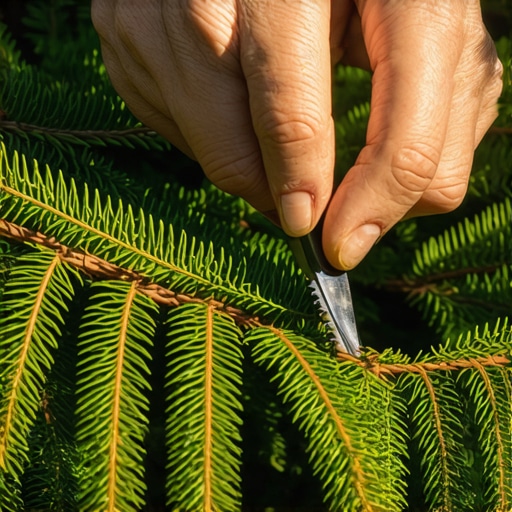
To determine if an evergreen is salvageable, perform a cambium scratch test by using a thumbnail or small knife to scrape a tiny section of bark on a brown branch to see if the underlying tissue is green and moist. If the tissue beneath the bark is brown and brittle, that specific branch is likely dead, but if it is green, the branch is alive and may produce new growth once the root flare is hydrated and temperatures stabilize. Many homeowners panic and rip out shrubs that are perfectly healthy at the core. Do not be that person. Patience is the only tool that works in early spring. Wait for the ‘push’ of new growth. If you see buds swelling, the plant is fighting back. If the buds are dry and crumble like dust, you have a problem. We call this ‘dead wood walking.’ You might see green needles now, but if the cambium is toast, those needles will drop by June.
“Evergreens do not go dormant in the same sense as deciduous trees; they continue to transpire throughout the winter months, necessitating a consistent internal water column.” – Cornell University Agricultural Extension
The Forensic Restoration Process: A Step-by-Step Recovery
Restoring a damaged shrub is about managing the NPK ratios and soil microbiology to support recovery without forcing the plant into a state of shock. First, you must address the hydration deficit. If the ground has thawed, you need to apply deep, infrequent watering. We are talking about five gallons per shrub, delivered slowly to ensure it reaches the 12 to 18 inch root zone. This is where irrigation maintenance becomes critical. If your system is still winterized, get a hose out there. Do not wait for the first rain of April. The plant is thirsty now. Next, check your mulch. If you have ‘mulch volcanoes’ piled against the trunk, you are suffocating the root flare and inviting fungal rot. Clear it back. You want a two inch layer of high quality organic compost or aged wood chips, but keep it three inches away from the stem. This provides thermal mass to prevent further freeze thaw cycles from heaving the roots out of the dirt.
When should I prune winter burned evergreens?
You should never prune winter-burned foliage until late spring or early summer, specifically after the first flush of new growth has fully emerged. Pruning too early removes the terminal buds that might still be viable and exposes the inner, protected foliage to late season frosts, which can cause secondary damage to an already stressed specimen. If you cut back in March, you are stimulating the plant to put energy into new growth before the weather is stable. This is a rookie mistake. Let the plant tell you where the dead wood is. Once the new green growth is four inches long, you can safely clip away the brown, desiccated tips. Use sharp, bypassed pruners. Dull blades crush the xylem and phloem, creating an entry point for pathogens. I have seen more shrubs killed by ‘helpful’ pruning than by the cold itself.
| Evergreen Species | Winter Burn Risk | Recovery Potential | Action Level |
|---|---|---|---|
| Japanese Boxwood | High | Moderate | Heavy Hydration |
| American Holly | Low | High | Minor Pruning |
| Rhododendron | High | Moderate | Anti-desiccant |
| Eastern White Pine | Medium | High | Soil PH Adj |
Advanced Soil Science and Chemical Remediation
While the internet tells you to water every day, turf grass and shrubs actually need deep, infrequent watering exactly 1 inch per week to force roots to chase the water down. This is the difference between a resilient landscape and a fragile one. If you are dealing with a sod install near your burned shrubs, be aware that the new grass will compete for every drop of nitrogen and water. You need to manage that competition. I often see ‘mow and blow’ hacks throw high nitrogen fertilizer on a burned shrub in March. That is a death sentence. High nitrogen forces rapid leaf growth that the damaged root system cannot support. Use a slow release, low nitrogen organic fertilizer with a focus on mycorrhizae. These beneficial fungi attach to the roots and increase the surface area for water absorption by up to 100 times. It is like giving the shrub a biological turbocharger. Also, check your soil pH. Most evergreens prefer a slightly acidic environment, around 5.5 to 6.5. If your soil is too alkaline, the plant cannot uptake the iron and magnesium it needs to repair its chlorophyll. This is basic agronomy, but it is ignored by 90% of contractors.
“A retaining wall doesn’t fail because of the stone; it fails because of the water trapped behind it, just as a shrub fails not from the cold, but from the lack of available moisture.” – Hardscape Engineering Axiom
The Post-Winter Yard Cleanup Checklist
- Hydration Check: Probe the soil with a screwdriver; if it cannot penetrate 6 inches, the ground is too dry or compacted.
- Mulch Audit: Remove excess mulch from the root flare to prevent bark decay and rodent nesting.
- Foliar Feed: Use a kelp-based foliar spray in the evening to provide micronutrients directly through the needles.
- Anti-Desiccant Review: Plan to apply a wax-based anti-transpirant next November before the first hard freeze.
- Nutrient Management: Apply a 5-10-10 slow-release fertilizer only after the risk of frost has passed.
Infrastructure and Long-Term Prevention
If you are serious about preventing this next year, you need to look at your irrigation layout. Most systems are designed for summer, but evergreens need a ‘last drink’ protocol in late November. If you have landscaping projects planned, consider windbreaks or burlap screens for sensitive species. A burlap screen acts as a sacrificial barrier, taking the hit from the wind so your Boxwoods don’t have to. Also, stop using big box store weed and feed. The herbicides in those mixes can leach into the root zones of your shrubs, weakening their cellular walls and making them more susceptible to winter burn. Stick to professional grade products or organic alternatives. If you are doing a yard cleanup, don’t just blow the leaves away. Shred them and put them back in the beds. They are free nutrients and insulation. Real landscaping is applied biology and civil engineering. It is about understanding hydrostatic pressure, nitrogen cycles, and the physics of wind. Don’t be a hack. Do the work. Respect the biology of the plant, and it will survive the hardest winter.