
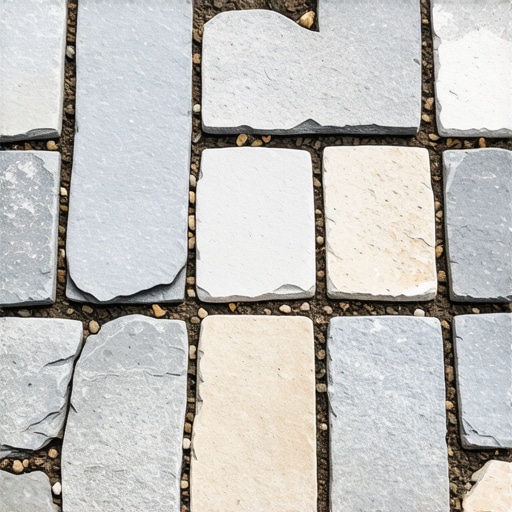
The Engineering Realities of Joint Stabilization
Polymeric sand is a high-tech blend of graded silica sand and binding agents (polymers) that harden when misted with water to create a permanent, flexible seal. Unlike regular masonry sand, this material provides structural interlock, prevents joint erosion from heavy rain, and creates a chemical barrier against weed germination and ant infestations in your patio or walkway.
I recently got called out to tear up a $30,000 patio that was sinking because the previous contractor thought cheap play sand was an acceptable joint filler. Within two seasons, the rain had washed the sand out of the joints, allowing water to infiltrate the base. This created a hydrostatic nightmare. The 21A modified gravel base became saturated, lost its load-bearing capacity, and the pavers began to ‘teeter-totter’ under foot traffic. It was a $30,000 lesson in why you never cut corners on the ‘glue’ that holds a hardscape together. When I see a ‘pro’ using bag-run play sand on a high-end paver install, I know they aren’t a landscaper; they’re a hack. Hardscaping is civil engineering on a domestic scale. If you don’t respect the physics of water migration, the ground will eventually reclaim your work.
The Molecular Difference: Why Polymers Change the Game
Standard sand is just crushed rock. It has no cohesive strength. When you apply it to a paver joint, it sits there via gravity alone. Polymeric sand, however, utilizes specialized polymers—usually a mix of polyurethane or acrylic-based binders—that activate upon hydration. This creates a semi-rigid matrix. It’s flexible enough to handle the freeze-thaw cycles common in northern climates but strong enough to stay put during a 100-year storm event. If you are doing a sod install nearby, the last thing you want is sand washing out of the patio and suffocating your new turf’s root zone.
“Joint sand stabilization is critical for the horizontal and vertical interlock of a segmental pavement system. Without proper jointing material, the system acts as individual units rather than a unified structural surface.” – ICPI (Interlocking Concrete Pavement Institute) Technical Manual
The grit size also matters. High-quality polymeric sand is screened for consistent gradation. This allows it to flow deep into the joint rather than ‘bridging’ at the top. When you run a plate compactor over the pavers with the sand in the joints, you are forcing those grains into a dense state. This is called achieving mechanical interlock. Regular sand simply cannot maintain this density over time as it is prone to ‘fines migration’—where the smaller particles wash down into the base, leaving voids behind.
Polymeric Sand vs. Regular Masonry Sand Comparison
| Feature | Polymeric Sand | Regular Masonry Sand |
|---|---|---|
| Binding Strength | High (Chemical Bond) | Zero (Friction Only) |
| Erosion Resistance | Excellent (Wash-out resistant) | Poor (Washes away in rain) |
| Weed Suppression | Integrated Barriers | None (Perfect for weed seeds) |
| Insect Prevention | Hardened surface stops ants | Invites nesting |
| Flexibility | Elastic (Handles movement) | Static (Shifts and settles) |
The Ground-Up Build: Preparation and Installation
Before you even think about sand, you have to talk about the base layer. Most DIYers think four inches of gravel is enough. It isn’t. For a pedestrian walkway, you need a minimum of six inches of compacted 21A or 3/4-inch modified stone. For driveways, you’re looking at 10 to 12 inches. You must hit a 98% Proctor density with your compaction. If the base moves, the joints crack. It’s that simple. Also, never forget to call 811 before you dig. I’ve seen enough severed irrigation lines and shredded fiber-optic cables to last a lifetime. Don’t be that guy.
How much modified gravel do I need for a patio base?
To calculate your gravel base needs, multiply the square footage by the depth in feet (e.g., 0.5 feet for 6 inches) and divide by 27 to get cubic yards. Always add a 20% ‘fluff factor’ because the stone will shrink significantly once you hit it with a 5,000-lbf plate compactor. Proper compaction is the only thing standing between you and a sunken patio.
The Proper Hydration Sequence
Applying the water is where most people fail. You aren’t ‘watering’ the sand; you are activating a chemical reaction. You use a light misting setting. If you use a heavy stream, you’ll wash the polymers right out of the sand, leaving a white, chalky mess called polymeric haze. You mist, wait 10 minutes, and mist again. You want the water to penetrate about an inch deep into the joint. Any more, and you risk saturating the bedding sand layer below, which leads to ‘pumping’ where the pavers bounce under pressure.
“Effective drainage is the single most important factor in the longevity of any exterior structure. If water cannot exit the system, it will eventually destroy it through hydrostatic pressure.” – Agricultural Extension Engineering Bulletin
How long does polymeric sand take to cure?
Under ideal conditions (70°F and low humidity), polymeric sand curing time is 24 hours for foot traffic and 48 to 72 hours for vehicular traffic. However, if a heavy rainstorm hits within 12 hours of application, you’re in trouble. The sand can liquefy and wash onto the face of the pavers, creating a permanent stain. Always check the 48-hour forecast before you open a bag.
Yard Cleanup and Maintenance Protocols
Once your pavers are locked in, the rest of your landscaping needs to support that structure. This means ensuring your irrigation heads are aimed away from the patio. While polymeric sand is water-resistant, constant daily soaking from a misdirected sprinkler head will eventually soften the polymers. During your seasonal yard cleanup, avoid using a high-pressure power washer directly on the joints. You’ll blast the sand out. Use a leaf blower on a low setting or a stiff broom. It will last. If it doesn’t, you didn’t compact the base properly.
- Check for ‘hazing’ immediately after wetting.
- Ensure joints are dry before application—moisture in the joint will cause ‘bridging.’
- Always sweep off excess sand before misting; once it’s wet, it’s a glue.
- Maintain a 1/8-inch reveal below the paver chamfer (edge).