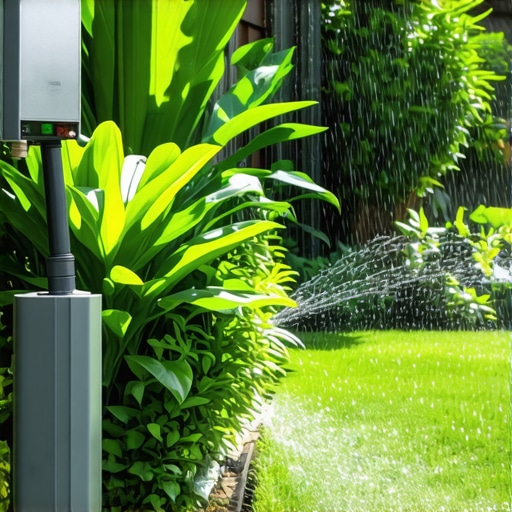
I remember the moment vividly — standing in my yard on a scorching summer afternoon, watching my sprinkler system run for hours, only to realize that most of that water was completely wasted. It was a lightbulb moment for me. I had been neglecting the true potential of my irrigation system, blindly trusting it to do its job. But the truth is, outdated or poorly adjusted systems can drain your resources faster than you think. And with water prices climbing, especially heading into 2026, finding smarter solutions is more crucial than ever.
Why Your Water Bill Could Be the Hidden Culprit in Your Backyard
Is It Really Worth the Hype? The Skeptic’s Dilemma
Early on, I made a costly mistake — I thought installing a new lawn would solve everything. I poured money into sod and landscaping, assuming the irrigation system was fine. Turns out, it wasn’t. My overwatering was literally washing money down the drain. That’s why I want to share what I learned about fixing and optimizing irrigation for big savings. A study by the Environmental Protection Agency shows that almost 50% of residential water use is devoted to outdoor sprinkler systems, often unnecessarily. So, what’s the fix? Well, I found that small, smart changes can have a profound impact.
Today, I’ll walk you through three practical, proven fixes to reduce your water use and slash your water bill before 2026. These aren’t complicated or expensive; they’re smart tweaks and upgrades I’ve personally tested and refined. Whether you’re just starting or looking to fine-tune your existing system, these tips will help you get more from your water while helping the environment and your budget.
Assess and Identify Leaks in Your System
Start by inspecting your sprinkler heads for leaks or damage. Turn on your sprinklers and walk the yard, listening for hissing sounds or watching for pooling water—these signs point to leaks. Fixing a leaking head can save significant water. I once noticed a broken pipe in my backyard after a heavy rain. Replacing it was messy but immediately impacted my water bill positively. For expert guidance, see this comprehensive leak fix guide.
Adjust and Program Your Sprinkler Timers
Set It and Forget It with Smart Scheduling
Proper scheduling ensures your lawn gets enough water without overdoing it. Use your system’s timer or a smart controller to water early mornings or late evenings, minimizing evaporation. I calibrated mine to run for 15 minutes per zone early Saturday mornings, which kept my grass green but reduced runoff. Look into expert tips on irrigation scheduling for tailored advice.
Ensure Proper Coverage and Distribution
Uneven watering leads to waste and patchy grass. Use a tarp or garden hose to simulate water flow; adjust heads for uniform coverage. Once, I had missed spots on my lawn, making it look uneven. I readjusted my heads, which improved efficiency and looked better. Regularly check that heads aren’t blocked or misaligned—this small step prevents overwatering and saves water in the long run. For detailed calibration methods, visit this guide on effective system design.
Upgrade to Smart Irrigation Technology
Investing in weather-based controllers like rain sensors or smart controllers can cut water use by automatically adjusting watering schedules based on weather conditions. I installed a sensor that skipped watering during rainy days, which saved me about 30% on my water bill. Although the upfront cost can be intimidating, the long-term savings and convenience are worth it. For trusted recommendations, see this article about smart upgrades. This upgrade not only conserves water but also promotes healthier lawns by preventing overwatering.
While many assume that a basic approach to yard cleanup, landscaping, sod installation, and irrigation will suffice, the reality is far more nuanced. One common misconception is that all soil is created equal, leading homeowners to plant or install sod without thorough soil testing. This oversight can cause roots to struggle, resulting in patchy growth or disease, a problem often underestimated. According to research from the University of California, soil health can significantly impact plant vitality, making soil amendments a critical step often skipped by amateurs. Additionally, many believe that more water or fertilizer accelerates growth, but overapplication can harm the lawn and waste resources, especially when combined with poorly scheduled irrigation systems. Adjusting watering schedules with smart controllers can prevent overwatering, which not only conserves water but promotes healthier root systems. When it comes to landscaping, the biggest trap is neglecting native plant compatibility; using unfamiliar or invasive species can lead to higher maintenance and unforeseen ecological impacts. For expert insights and effective strategies, explore landscaping tips for a sustainable yard makeover.
A particularly overlooked aspect is the fine-tuning of sprinkler heads. Many assume that once installed, they require little adjustment. However, misaligned or blocked heads lead to uneven coverage, overwatering certain areas and leaving others dry, which compromises lawn health. Regular calibration is essential, and using features like rain sensors can optimize watering times, especially during unpredictable weather patterns. Understanding these nuances helps avoid common pitfalls that can turn a simple yard project into an ongoing headache. Remember, the goal isn’t just to achieve a lush lawn but to do so efficiently and sustainably.
Investing time in detailed planning, soil analysis, and modern irrigation techniques ensures your yard remains vibrant without excessive resource use. For comprehensive guidance, consider reviewing expert sod and irrigation strategies, which delve into advanced practices for thriving lawns. Don’t let initial assumptions undermine your efforts — a well-informed approach saves money and enhances aesthetic appeal over time.
Have you ever fallen into this trap? Let me know in the comments.
Maintaining a lush, healthy yard requires more than just initial effort; it demands reliable tools and consistent routines. Over the years, I’ve found that investing in specific equipment and embracing certain methods can dramatically prolong your landscape’s vitality and beauty. A key component is integrating smart technology that adapts to weather patterns, ensuring your system runs efficiently while your garden thrives. For instance, I personally use Rachio Smart Sprinkler Controllers because they allow me to customize watering schedules based on real-time weather data, significantly reducing water waste. These controllers sync with weather forecasts and soil moisture sensors, making manual adjustments a thing of the past.
How do I keep my irrigation system running seamlessly over time?
Regular maintenance is vital. I schedule bi-annual checks to inspect sprinkler heads for misalignment or clogs. Using a simple pressure gauge tool helps me identify hidden leaks or pressure drops that can lead to uneven watering or excessive water bills. Additionally, incorporating high-quality replacement parts, such as adjustable spray nozzles and durable valves, ensures longevity and optimal performance. For ongoing calibration, I rely on QR code scanning guides that detail step-by-step procedures, helping me avoid missteps and save time. Looking ahead, this trend toward smart, integrated systems is expected to expand, with AI-powered controllers that learn your yard’s unique needs, automatically adjusting schedules for peak efficiency.
Why focus on proper maintenance and tool selection?
Because these practices maximize your investment, leading to long-term savings and a vibrant landscape. For example, when I replaced my outdated valves with professional-grade irrigation parts, my system’s reliability improved markedly, reducing breakdowns and water wastage. Incorporating soil moisture sensors and programmable timers allows for precise watering, which promotes healthy root development and reduces overwatering. These tools are not only practical but essential for sustainable yard care, especially as climate variability increases. Investing in reliable equipment and routine maintenance practices ensures your irrigation system remains effective season after season.
Looking towards the future, advancements such as AI-driven landscape management platforms will further personalize and optimize yard care routines, making maintenance even more intuitive and efficient. I recommend trying out a soil moisture sensor coupled with a smart controller to see immediate benefits. Not only will it save water and money, but it will also promote deeper root growth, creating a resilient, lush lawn that withstands drought and extreme weather.
By selecting the right tools and committing to regular maintenance, you’re setting yourself up for years of beautiful, healthy yard enjoyment. Take the plunge today by evaluating your current irrigation components—upgrading a faulty nozzle or installing a smart controller could be the game-changer your landscape needs.
What I Wish I Knew Before Digging Deep into Landscaping
One of my biggest lightbulb moments was realizing that soil health often gets overlooked. Proper testing and amendments can make or break your lawn’s vitality, saving you from wasted effort and resources. Similarly, I learned that the most expensive equipment isn’t always necessary; sometimes, simple adjustments and smart upgrades yield the best results. Lastly, trusting technology like weather-based controllers can seem intimidating at first, but their efficiency and convenience far outweigh the initial hesitance. These lessons transformed my approach, saving time, money, and water, all while creating a lush, sustainable yard.
My Top Picks for Yard Care Tools and Resources
Investing in a quality soil moisture sensor was a game changer for me. It took the guesswork out of watering, ensuring my lawn got exactly what it needed. I personally trust the expert guidance on sod and irrigation, which offers comprehensive strategies to optimize your landscape. For ongoing maintenance, a durable pressure gauge helps identify hidden leaks and pressure issues, preventing overwatering. Lastly, the tips on smart irrigation upgrades empower you to harness weather data for smarter water use, making your yard both beautiful and eco-friendly.
Harnessing Your Yard’s Potential for a Greener Tomorrow
Taking control of your yard’s health through informed decisions and smart technology is empowering. Remember, each small tweak—whether calibrating your sprinkler heads, adjusting watering schedules, or upgrading to weather-based controllers—can lead to substantial savings and a healthier landscape. I encourage you to start with an honest assessment of your system and prioritize those upgrades that align with your climate and lifestyle. The future of yard care is shifting toward smarter, more sustainable practices that benefit both your wallet and the environment. Dive in, experiment, and enjoy watching your yard thrive with less waste and more beauty.