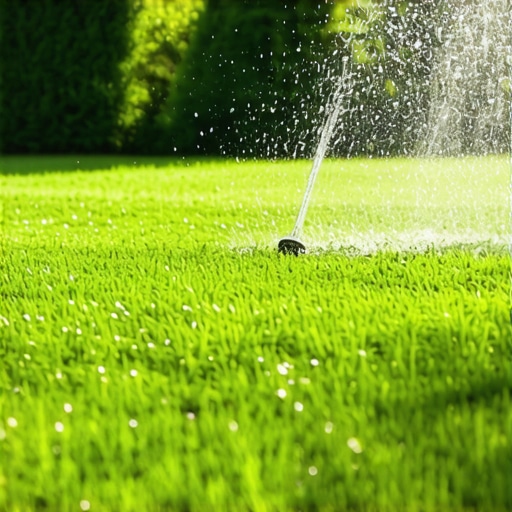
I remember the moment vividly—standing over my struggling lawn, my heart sinking as I realized that despite all my efforts, patches of grass looked drenched, yellowing, and on the verge of dying. It was a lightbulb moment that hit me hard. My irrigation system, which I had tirelessly tinkered with, was inadvertently causing more harm than good. Overwatering had become my silent enemy, drowning my grass instead of nourishing it. Have you ever faced a similar frustration, pouring time and resources into your yard only to see it battle against itself?
The Hidden Culprit Behind Drowning Grass
One thing I learned early on is that irrigation isn’t just about watering; it’s about doing it smartly. If your sprinkler system is delivering excess water or uneven coverage, you could be inadvertently promoting fungal diseases, root rot, and ultimately, dead patches. According to turfgrass experts, improper irrigation is one of the leading causes of lawn stress and failure (source: Urban Landscaping X).
In my case, I had ignored signs like soggy spots and persistent lush areas that didn’t seem to dry out. That oversight cost me precious time and money. Early mistakes like neglecting to calibrate my timer or assuming every zone had the same needs ended up causing more harm than good. Trust me, I wish I had known then what I do now—that simple irrigation tweaks could drastically alter my lawn’s fate.
Is Irrigation Fixing Overhyped? Think Again!
Many homeowners dismiss irrigation issues as minor or cosmetic. But the truth is, ignoring uneven watering or overwatering can lead to long-term damage. My mistake was thinking that more watering equaled a healthier lawn. Spoiler alert: overwatering weakens grass roots and attracts pests. A smarter approach can save your lawn and your water bills, as discussed in detail here.
Now, I’m committed to sharing the practical fixes that turned my lawn around. These aren’t just quick tips—they are game changers that any homeowner can implement. Ready to stop grass drowning and give your yard the nourishing it truly deserves? Let’s dive into the five irrigation pressure fixes that made all the difference for my lawn in 2026—and can do the same for yours.
,
Adjust Sprinkler Zones to Ensure Even Coverage
Start by inspecting each sprinkler zone during a dry part of the day. Observe which areas are watering excessively or inadequately. I once used a bucket to mark coverage patterns, noticing soggy spots around certain sprinklers. This hands-on method revealed uneven spray outlets, leading me to replace faulty nozzles. By calibrating each zone to deliver consistent amounts, you prevent overwatering and protect your grass from drowning.
Replace or Clean Nozzles for Consistency
Clogged or damaged nozzles divert or reduce water flow, causing patchy coverage. When I cleaned and replaced my sprinkler nozzles, I immediately saw a more uniform spray pattern. Use a nozzle cleaning tool or replace them wholesale if spraying unevenly. Regular maintenance guarantees precise watering, avoiding the mess of soggy patches and dry corners.
Calibrate Your Irrigation Timer Like a Pro
Many overlook timer calibration, leading to excessive watering. I previously set my timer and forgot it; my lawn paid the price. Proper calibration involves setting appropriate run times based on your area’s climate and soil type. Check if your current timer supports detailed adjustments. A quick calibration session, using the smart timer calibration guide, can dramatically reduce overwatering.
Use a Soil Moisture Sensor for Smarter Watering
Soil moisture sensors act like a lawn’s COVID test—telling you when watering is truly needed. I installed one and watched my lawn no longer drown during rain or over-enthusiastic watering. These sensors connect to your irrigation system, preventing unnecessary watering. Investing in this tech helps conserve water and keeps roots healthy.
Incorporate a Zone Tuning System to Match Plant Needs
Different areas need different watering schedules. I faced lush front lawns and patchy back yards, so I divided zones meticulously. Use a zone mapping tool or create physical demarcations. Adjust zones to match plant types and sun exposure, avoiding overwatering sensitive areas. This targeted approach saves water and promotes a healthier lawn overall.
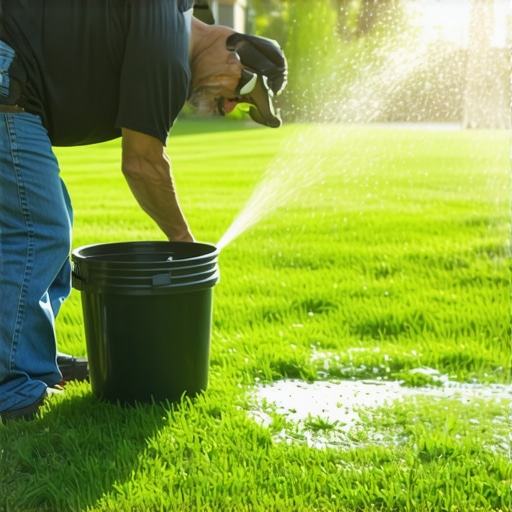
Visualize your zone map with markings for each area to fine-tune watering schedules effectively.
Install Pressure Regulators for Optimal Flow
High water pressure can cause misting and uneven coverage. I noticed my sprinklers were short, misty bursts; installing pressure regulators fixed this instantly. Regulators ensure consistent pressure across zones, preventing drowning or dry patches. Check your system’s pressure with a manometer, and adjust accordingly for uniform watering.
Test Your System After Adjustments to Confirm Uniformity
After making tweaks, run your system and verify each zone’s coverage. Use catch cups or the bucket method again to monitor flow. This real-world testing confirms your adjustments are effective, giving you peace of mind that your soil isn’t being over- or under-watered.
Many homeowners believe that yard cleanup, landscaping, sod installation, and irrigation are straightforward tasks—simply mow, plant, and water. However, this simplistic view often leads to costly mistakes and overlooked nuances that can sabotage an otherwise beautiful yard. Let’s dig deeper into some misconceptions and advanced pitfalls that even experienced gardeners tend to ignore.
First, a prevalent myth is that all grass types and plants require the same care. In reality, understanding the specific needs of your turf and landscaping plants is crucial. For example, cool-season grasses like Kentucky bluegrass thrive in different conditions than warm-season grasses like Bermuda. Overgeneralizing irrigation schedules without considering these differences can lead to overwatering or under-watering, which damages plants and wastes water. Professional lawn care experts emphasize tailoring your irrigation and fertilization routines to your plant varieties for optimal health (see details on [top sod installation and irrigation tips](https://urbanlandscapingx.com/top-sod-installation-landscaping-tips-for-a-beautiful-2025-yard)).
Another common mistake is assuming that sod or new plants will root and establish themselves quickly without proper soil preparation. Many overlook the importance of soil testing and amendments. Clay-heavy or compacted soils hinder root growth, making your investment in sod or landscaping efforts fail prematurely. The secret lies in proper soil conditioning, such as aeration and adding organic matter. Experts suggest conducting soil tests and adjusting pH and drainage accordingly, which can dramatically improve success rates with sod installation (see [why sod fails in clay soil](https://urbanlandscapingx.com/why-sod-fails-in-clay-soil-3-vital-prep-steps-for-2026)).
When it comes to irrigation, the misconception that more watering is better can be particularly damaging. Much like overwatering can drown your grass, it also fosters fungal diseases, pest infestation, and root rot. Advanced homeowners leverage soil moisture sensors and smart timers to optimize watering schedules, preventing these issues. Interestingly, recent studies indicate that precise, targeted irrigation not only benefits plant health but significantly reduces water bills—sometimes by over 30% (see [smart irrigation tweaks for 2026](https://urbanlandscapingx.com/stop-high-water-bills-with-6-smart-irrigation-tweaks-for-2026)).
Let’s answer a question that often baffles many: How can I ensure my landscaping efforts are truly sustainable and efficient? The answer lies in integrating variable zone tuning based on plant types, sun exposure, and soil moisture levels, rather than applying a uniform approach across your entire yard. This requires a nuanced understanding of microclimates within your property and the use of zone mapping tools.
Finally, maintaining your system and understanding the ‘oops’ factors—such as clogged nozzles, misaligned sprinklers, or pressure inconsistencies—are often underestimated. These seemingly minor issues compound over time, leading to uneven coverage and wasted resources. Regular maintenance, calibration, and pressure regulation are vital. For instance, installing pressure regulators has been shown to stabilize flow and improve coverage uniformity significantly.
Remember, establishing a thriving yard isn’t just about the initial setup but continuous learning and adjustments. Have you ever fallen into this trap? Let me know in the comments. If you’re ready to go beyond basics, explore detailed guides on [transforming your yard with professional landscaping](https://urbanlandscapingx.com/pro-landscaping-expert-yard-cleanup-landscaping-tips-2025-2) or optimizing your irrigation system further.
Keeping Your Yard Systems in Top Shape with Precision Tools
Maintaining a lush, thriving lawn requires more than just initial setup; it’s about consistently using the right tools and methods to keep everything functioning smoothly over time. One of my go-to tools is a high-quality infrared soil thermometer, which provides instant readings of soil temperature—crucial for scheduling sod installation or overseeding at optimal times. I personally rely on this device to determine the perfect window for planting, ensuring faster root establishment and healthier growth (see The Importance of Soil Temp for Sod).
Beyond soil tools, I swear by a smart controller for irrigation systems. Modern systems, like the Rain Bird or Hunter Pro-C controllers, allow you to set zone-specific watering schedules that adapt to weather forecasts and soil moisture levels. This technology has saved me countless hours and water bills, especially during unpredictable seasons. I recommend installing a sensor-compatible timer to automate moisture levels effectively, preventing drownings and dry patches.
Embracing Long-term Care with Maintenance Rituals
Building a resilient yard isn’t about quick fixes; it’s about establishing routines that support ongoing health. Every season, I perform a soil test using a comprehensive kit, which guides my fertilization and soil amendment strategies. Regular aeration, especially for clay-heavy soils, keeps roots oxygenated and prevents compaction, directly influencing root growth and nutrient uptake. For detailed aeration techniques, check soil leveling and aeration methods.
Technology Trends Pointing Toward Smarter Yard Care
Looking ahead, I believe the future of yard maintenance leans heavily on integrated sensor networks and AI-driven data. As weather patterns grow increasingly erratic, localized soil moisture sensors linked to centralized control apps will become the standard. These advances will enable homeowners to automate watering with precision, conserving resources while ensuring plant health. In fact, early adopter systems have shown to reduce water waste by up to 30%, making them a smart move for eco-conscious property owners.
How do I keep my irrigation system working flawlessly over time?
My best advice is to perform regular system audits, including inspecting for leaks, clogged nozzles, and pressure inconsistencies. A quick visual check every season combined with calibration of timers and sensor testing will keep your system running efficiently. Additionally, scheduling a professional system review annually can catch issues before they become costly failures. For precise calibration, I follow expert calibration tips, which have helped me maintain optimal coverage year-round. Implementing these steps has been transformative in maintaining a healthy, low-maintenance yard. I encourage you to try one of these advanced maintenance techniques—like installing soil moisture sensors—to elevate your yard’s performance now.
The Hidden Lessons I Only Learned After Many Lawn Failures
My biggest lightbulb moment came after countless setbacks—realizing that patience and detailed attention to irrigation could save my yard. A key lesson was that every inch of soil and every sprinkler zone needs individualized care. Rushing into fixes without understanding my yard’s unique quirks only prolonged the struggle. I discovered that small adjustments, like calibrating my timer or replacing a nozzle, could have prevented months of frustration. These practical insights are lessons I wish I had embraced earlier, reminding me that a thriving lawn is a culmination of consistent, informed effort.
Tools and Resources That Turn a DIY Dilemma into Lawn Mastery
After years of trial, I found that investing in quality tools made all the difference. A soil moisture sensor helped me avoid overwatering, while a professional-grade irrigation caliper ensured my sprinkler pressure was spot-on. I trust these resources because they turn guesswork into precise action, saving me time and water. Additionally, my favorite guide on smart irrigation adjustments has saved me from costly errors—it’s a game changer for proactive yard management. Leveraging the right tools and expert advice fuels my confidence in maintaining a lush yard year-round.
Believe in Your Power to Create Your Dream Yard
Take heart—your yard’s health isn’t determined by luck but your commitment to understanding and adjusting your system. Whether you’re battling dry patches or soggy spots, remember that each tweak gets you closer to a resilient landscape. Don’t shy away from trying new techniques like zone tuning or pressure regulation; these small steps have the potential to revolutionize your yard care routine. Your effort can transform your outdoor space into a paradise, one smart adjustment at a time. The future of your yard depends on the actions you take today—so go ahead and make those changes with confidence.