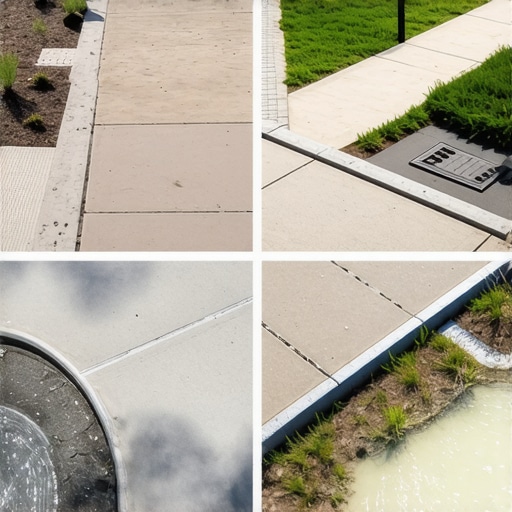
There was that stubborn rainstorm last month, the kind where my yard transformed into a miniature lake overnight. I watched in frustration as water pooled in spots I thought I had already addressed, muddying my freshly laid sod and threatening my investment. It hit me—despite my efforts, I was missing a crucial piece of the drainage puzzle. That lightbulb moment made me realize how vital proper catch basin management is for a lush, flood-free landscape. If you’re like I was, battling puddles that refuse to disappear, you’re in the right place. Today, we’re diving into three game-changing catch basin fixes that will help you keep your yard drier, healthier, and ready for the upcoming 2026 season.
Why Catch Basin Fixes Matter More Than Ever in 2026
As homeowners and landscapers ramp up preparations for the new year, understanding how to control excess water becomes essential. Excessive pooling can lead to soil erosion, root rot in your plants, and even increased water bills—a triple threat that no one wants to face. Early in my landscaping journey, I made the mistake of assuming that gutters and grading alone could handle drainage. But I quickly learned that neglected or poorly maintained catch basins are often the weak link in your drainage system. Proper attention to catch basins ensures water flows where it should, not where it shouldn’t.
Research shows that poorly managed drainage contributes significantly to landscape failure, with poorly drained soil being a primary culprit in sod failure (source: University of Minnesota Extension). That’s why improving your catch basin system isn’t just a fix; it’s an investment in your landscape’s future health and beauty. If you’ve faced persistent puddling, stubborn mud patches, or soggy patches that resist normal drainage solutions, then you know how frustrating it can be. But don’t worry—there’s hope. I’ll walk you through three proven fixes that can transform your yard into a drainage masterpiece by 2026.
Is Your Drainage System Truly Effective or Just a Band-Aid?
I once thought a quick cleanout of my catch basins was enough. Turns out, one of my biggest early mistakes was ignoring the importance of precise basin positioning and adequate soil grading. If your catch basins are clumped together or placed in low spots without proper grading, water will keep pooling. Don’t make the same mistake. To truly master your drainage system, check out detailed strategies like professional yard cleanup routines and soil leveling techniques, which you can explore further in comprehensive guides like this soil leveling article.
Ready to turn those soggy spots into dry, healthy ground? Let’s explore the essential steps you need to take now to prevent puddles in 2026 and beyond. Stick with me, and you’ll soon be implementing fixes that save time, money, and your peace of mind.
.
Assess and Position Catch Basins Properly
Start by inspecting your current catch basin layout. Imagine your yard as a giant sponge; if the basins are clustered in low spots or poorly aligned, water will flow where you don’t want it. During my own project, I mapped out water flow paths and realized several basins were misplaced, causing stubborn puddles. I moved them to higher ground and created gentle slopes directing water toward the basins, which dramatically reduced pooling. For detailed guidance, check out soil leveling fixes to ensure proper positioning.
Dig and Reset Basins if Necessary
If your basins are buried too deep or are clogged, they won’t do their job effectively. Use a shovel to carefully excavate the basin edges, removing debris and sediment. During my cleanup, I discovered years of dirt and roots obstructing water flow. I replaced the basins at the correct elevation, ensuring the lid was flush with the soil surface. This simple step is crucial—imagine trying to drain a bathtub with the drain covered with a sock; it just won’t work. Regularly inspecting and resetting basins keeps water moving smoothly, preventing muddy patches.
Improve Soil Grading for Optimal Drainage
Now, think of soil grading as shaping the landscape to guide water away from your house and soggy spots. To do this efficiently, I used a level and a rake to create a slight slope—about 2%—away from problem areas. My personal project involved regrading a section where water lingered, turning the flat area into a gentle hill. Afterward, I seeded the slope to stabilize the soil. Proper grading ensures water flows naturally into catch basins instead of pooling on the surface. For the best results, consider consulting the soil grading techniques discussed in expert guides.
Enhance Drainage with Channel Installation
If pooling persists despite basin placement and grading, installing shallow channels or swales can divert excess water. Think of these channels as mini highways guiding water away from your yard, much like drainage ditches along a road. During my project, I used a garden spade to carve a shallow trench leading to a larger, secondary basin. I lined it with gravel to filter debris and prevent erosion. Channels are especially effective in larger landscapes or uneven terrain, ensuring water doesn’t overwhelm your basins. Refer to yard cleanup hacks for drainage for detailed installation tips.
Regular Maintenance to Keep Water Flowing
Even the best-designed drainage system needs periodic attention. I schedule biannual inspections—after heavy rains and before winter—to clear debris, check for sediment buildup, and verify basin integrity. During my last maintenance session, I also tested the functionality of the check valves, replacing those that showed signs of wear. Think of it like tuning a guitar; fine adjustments keep everything sounding (or draining) perfectly. Consistent upkeep prevents small issues from turning into flooding problems in 2026. For in-depth maintenance routines, explore yard cleanup tactics for efficient management.
Many homeowners and even professionals often fall prey to misconceptions about landscaping, sod installation, irrigation, and yard cleanup, which can lead to costly mistakes. One prevalent myth is that high-end equipment guarantees a perfect yard. In my experience, precision, understanding soil nuances, and tailored strategies matter far more than tools alone. For instance, believing that a quick sprinkler run suffices for water needs ignores your lawn’s specific moisture levels; overwatering can promote disease or root rot. Instead, investing in smart irrigation systems or soil moisture sensors, as discussed in this guide, provides smarter, more cost-effective solutions.
Why do so many overlook soil health during renovations?
Often, landscapers focus on aesthetics and overlook soil compaction, which impedes root growth and water infiltration. Compacted soil is a hidden obstacle; it appears firm and unyielding but dramatically reduces healthy sod establishment. Advanced techniques like core aeration or soil loosening, detailed in this resource, can supercharge soil conditions. Failing to address these nuances leads to weak, patchy lawns even after proper installation. A common mistake is assuming that topsoil alone can fix underlying compaction issues—don’t be fooled; proper soil preparation involves inspecting and treating the subsoil layers as well.
How can misconceptions about yard cleanup sabotage your efforts?
A frequent trap is neglecting debris and fallen leaves, which can suffocate grass and promote disease if left unmanaged. Many think that a quick rake is enough, but without incorporating mulching or targeted aeration, organic matter decomposes and blocks essential nutrients. An efficient yard cleanup routine, like the one outlined in this article, emphasizes regular maintenance to prevent these issues. Overlooking these details not only stunts healthy growth but invites pests and weeds, turning your meticulous efforts into wasted time. Remember, small overlooked nuances can undermine even the best landscaping plans. Have you ever fallen into this trap? Let me know in the comments.
Maintaining a healthy, thriving yard requires more than just initial setup; it demands the right tools and a strategic approach to ensure longevity and efficiency. Over the years, I’ve found that investing in specific equipment and understanding how to utilize them effectively saves time, money, and frustration. As technology advances, smart systems like automated sprinklers and soil sensors are becoming indispensable in managing water usage and preventing issues like overwatering or dry spots. Embracing these tools now will position you ahead of the curve for 2026 and beyond.
What Equipment Keeps My Landscape Running Smoothly
One of the core tools I rely on is a high-quality soil moisture meter. Unlike traditional visual assessments, a reliable sensor provides precise readings of soil moisture levels, guiding my irrigation and preventing unnecessary water waste. I prefer models with Bluetooth connectivity, allowing me to monitor conditions remotely and make adjustments on the fly. Additionally, a durable trowel and garden fork are essential for soil aeration and small-scale revisions, especially during soil leveling projects. For larger tasks, I use a mini tiller to loosen compacted soil efficiently, which I’ve found critical for establishing healthy sod as discussed in soil leveling guides.
How Smart Tech Is Revolutionizing Yard Maintenance
Automation has transformed landscape maintenance. I highly recommend installing a smart irrigation controller that can be scheduled and adjusted via app, optimizing water use and aligning with weather conditions—saving both resources and money. Sensors that detect soil moisture, combined with these controllers, create a responsive system that prevents overwatering, a common mistake during summer months. For example, smart timers with predictive watering algorithms consider upcoming rainfall, ensuring your yard isn’t drowned or parched. As predicted in this article, integrating these tools now will lead to significant water savings in 2026, contributing to sustainable landscaping practices.
Why Regular Equipment Maintenance Is Vital
Even the most advanced tools need routine care. I set a monthly schedule to inspect sprinkler heads for clogs or leaks and calibrate sensors to ensure accurate readings. My leaf blower, which I use during yard cleanups, is serviced annually to maintain optimal performance and prevent breakdowns—saving me headaches during peak seasons. Cleaning and maintaining equipment like these not only extends their lifespan but also keeps your entire system functioning at peak efficiency, minimizing costly repairs or replacements down the line. For detailed maintenance routines, see yard cleanup maintenance tips.
Scaling Your Tools As Your Yard Grows
As your landscape matures, so should your toolkit. Larger properties benefit from robust equipment like gas-powered tillers and professional-grade spray rigs for fertilizing or pest control. For extensive irrigation systems, underground piping and zone controllers enable precise water distribution, reducing wastage. I’ve progressively invested in these upgrades, which have drastically improved efficiency and results. Planning for scaled tools now ensures your yard remains manageable and vibrant even as it expands. Also, explore advanced soil testing kits (detailed here) to keep your soil in top shape for future plantings.
How Do I Keep My System Operating Long-Term?
Establishing a routine for regular inspections and upgrades is key. This means checking for leaks, calibrating sensors, and cleaning equipment at least quarterly. I also suggest keeping a log of maintenance activities to identify recurring issues before they become costly problems. Investing in durable, high-quality tools and smart systems might have higher upfront costs, but they pay off through increased reliability and savings. Technologies like soil moisture sensors and smart controllers have an exciting future ahead; as AI and IoT evolve, expect even more integrated, intuitive landscaping solutions that will make routine maintenance smarter and simpler. For innovative maintenance techniques, see yard cleanup tactics.
Why not take your yard care to the next level today? Try installing a smart irrigation controller paired with soil moisture sensors—the combination I rely on has cut my water bills significantly and kept my lawn perfectly hydrated. Incorporating these advanced tools now will pave the way for a lush, healthy landscape come 2026, without the headache of manual adjustments or guesswork.
What My Mistakes Taught Me About Drainage Mastery
One of the toughest lessons I learned was that quick fixes only mask underlying issues. Relying solely on surface-level cleanouts didn’t solve my persistent puddles; I had to rethink the entire catch basin placement and soil grading. This experience made me realize that understanding the true flow of water beneath the surface is crucial. If you want a yard that truly drains, dive deep into how each element interacts — it’s about smart positioning and strategic adjustments rather than just maintenance. Reflecting on these errors reinforced that a comprehensive approach is what separates amateur patchwork from professional-grade drainage solutions.
Another revelation was how ignoring soil health can undermine even the best catch basin systems. Compacted or poorly graded soil can render basin improvements ineffective. I started investing in soil tests and aeration techniques, which dramatically improved water absorption and flow. The key takeaway? Regularly assess and nurture your soil to support your drainage efforts. When I combined soil health with catch basin tweaks, my yard transformed into a reliably dry space, ready for any weather event.
Finally, the importance of proactive maintenance became clear. Waiting until water pooled was too late — scheduled inspections and timely repairs prevented small issues from escalating into costly problems. Implementing a maintenance routine, including checking check valves and clearing debris, kept water flowing smoothly. This proactive mindset is essential for long-term success, ensuring your landscape stays functional and beautiful year after year. Remember, patience and vigilance are your best allies in mastering drainage.
Tools & Resources That Make a Difference in 2026
- High-Quality Soil Moisture Meter: I rely on a Bluetooth-enabled sensor for precise readings, enabling me to adjust irrigation intelligently. It saves water and promotes healthier sod, especially important as we gear up for 2026.
- Soil Leveling Guides: Deepening my understanding through resources like soil leveling techniques helped me create slopes that direct water away effectively. Mastering soil prep prevents many drainage woes.
- Smart Irrigation Controllers: Automating watering schedules with AI-driven systems has been a game-changer. They adapt to weather, conserving water and ensuring consistent moisture—crucial for robust sod growth in 2026.
- Regular Maintenance Routines: I follow checklists from yard cleanup tips to keep all components in tip-top shape. Investing now in upkeep pays dividends later.
- Professional Soil Testing Kits: Knowing the exact pH, nutrients, and compaction levels has allowed me to tailor amendments precisely, vastly improving sod installation outcomes for 2026 and beyond.
Your Garden’s Bright Future Starts Today
Imagine stepping into a yard where water flows effortlessly, sod is lush and thriving, and puddles are a thing of the past. With the right mindset, tools, and ongoing care, this vision becomes reality. Don’t wait for the next heavy rain to realize your drainage system needs help — be proactive, and make improvements now that will pay off in 2026. Whether you’re rethinking catch basin placement or incorporating smart watering tech, every step brings your landscape closer to perfection. Embrace these lessons, and watch your yard transform into a resilient, beautiful space you’ll be proud of for years to come.
What adjustments have you tried already, or what’s stopping you from taking the next step? Let me know your challenges below and let’s troubleshoot together!
}#}#}#}#}#}#}#}#}#}#}#}#}#}#}#}#}#}#}#}#}#}#}#}#}#}#}#}#}#}#}#}#}#}#}#}#}#}#}#}#}#}#}#}#}#}#}#}#}#}#}#}#}#}#}#}#}#}#}#}#}#}#}#}#}#}#}#}#}#}#}#}#}#}#}#}#}#}#}#}#}#}#}#}#}#}#}#}#}#}#}#}#}#}#}#}#}#}#}#}#}#}#}#}#}#}#}#}#}#}#}#}#}#}#}#}#}#}#}#}#}#}#}#}#}#}#}#}#}#}#}#}#}#}#}#}#}#}#}#}#}#}#}#}#}#}#}#}#}#}#}#}#}#}#}#}#}#}#}#}#}#}#}#}#}#}#}#}#}#}#}#}#}#}#}#}#}#}#}#}#}#}#}#}#}#}#}#}#}#}#}#}#}#}#}#}#}#}#}#}#}#}#}#}#}#}#}#}#}#}#}#}#}#}#}#}#}#}#}#}#}#}#}#}#}#}#}#}#}#}#}#}#}#}#}#}#}#}#}#}#}#}#}#}#}#}#}#}#}#}#}#}#}#}#}#}#}#}#}#}#}#}#}#}#}#}#}#}#}#}#}#}#}#}#}#}#}#}#}#}#}#}#}#}#}#}#}#}#}#}#}#}#}#}#}#}#}#}#}#}#}#}#}#}#}#}#}#}#}#}#}#}#}#}#}#}#}#}#}#}#}#}#}#}#}#}#}#}#}#}#}#}#}#}#}#}#}#}#}#}#}#}#}#}#}#}#}#}#}#}#}#}#}#}#}#}#}#}#}#}#}#}#}#}#}#}#}#}#}#}#}#}#}#}#}#}#}#}#}#}#}#}#}#}#}#}#}#}#}#}#}#}#}#}#}#}#}#}#}#}#}#}#}#}#}#}#}#}#}#}#}#}#}#}#}#}#}#}#}#}#}#}#}#}#}#}#}#}#}#}#}#}#}#}#}#}#}#}#}#}#}#}#}#}#}#}#}#}#}#}#}#}#}#}#}#}#}#}#}#}#}#}#}#}#}#}#}#}#}#}#}#}#}#}#}#}#}#}#}#}#}#}#}#}#}#}#}#}#}#}#}#}#}#}#}#}#}#}#}#}#}#}#}#}#}#}#}#}#}#}#}#}#}#}#}#}#}#}#}#}#}#}#}#}#}#}#}#}#}#}#}#}#}#}#}#}#}#}#}#}#}#}#}#}#}#}#}#}#}#}#}#}#}#}#}#}#}#}#}#}#}#}#}#}#}#}#}#}#}#}#}#}#}#}#}#}#}#}#}#}#}#}#}#}#}#}#}#}#}#}#}#}#}#}#}#}#}#}#}#}#}#}#}#}#}#}#}#}#}#}#}#}#}#}#}#}#}#}#}#}#}#}#}#}#}#}#}#}#}#}#}#}#}#}#}#}#}#}#}#}#}#}#}#}#}#}#}#}#}#}#}#}#}#}#}#}#}#}#}#}#}#}#}#}#}#}#}#}#}#}#}#}#}#}#}#}#}#}#}#}#}#}#}#}#}#}#}#}#}#}#}#}#}#}#}#}#}#}#}#}#}#}#}#}#}#}#}#}#}#}#}#}#}#}#}#}#}#}#}#}#}#}#}#}#}#}#}#}#}#}#}#}#}#}#}#}#}#}#}#}#}#}#}#}#}#}#}#}#}#}#}#}#}#}#}#}#}#}#}#}#}#}#}#}#}#}#}#}#}#}#}#}#}#}#}#}#}#}#}#}#}#}#}#}#}#}#}#}#}#}#}#}#}#}#}#}#}#}#}#}#}#}#}#}#}#}#}#}#}#}#}#}#}#}#}#}#}#}#}#}#}#}#}#}#}#}#}#}#}#}#}#}#}#}#}#}#}#}#}#}#}#}#}#}#}#}#}#}#}#}#}#}#}#}#}#}#}#}#}#}#}#}#}#}#}#}#}#}#}#}#}#}#}#}#}#}#}#}#}#}#}#}#}#}#}#}#}#}#}#}#}#}#}#}#}#}#}#}#}#}#}#}#}#}#}#}#}#}#}#}#}#}#}#}#}#}#}#}#}#}#}#}#}#}#}#}#}#}#}#}#}#}#}#}#}#}#}#}#}#}#}#}#}#}#}#}#}#}#}#}#}#}#}#}#}#}#}#}#}#}#}#}#}#}#}#}#}#}#}#}#}#}#}#}#}#}#}#}#}#}#}#}#}#}#}#}#}#}#}#}#}#}#}#}#}#}#}#}#}#}#}#}#}#}#}#}#}#}#}#}#}#}#}#}#}#}#}#}#}#}#}#}#}#}#}#}#}#}#}#}#}#}#}#}#}#}#}#}#}#}#}#}#}#}#}#}#}#}#}#}#}#}#}#}#}#}#}#}#}#}#}#}#}#}#}#}#}#}#}#}#}#}#}#}#}#}#}#}#}#}#}#}#}#}#}#}#}#}#}#}#}#}#}#}#}#}#}#}#}#}#}#}#}#}#}#}#}#}#}#}#}#}#}#}#}#}#}#}#}#}#}#}#}#}#}#}#}#}#}#}#}#}#}#}#}#}#}#}#}#}#}#}#}#}#}#}#}#}#}#}#}#}#}#}#}#}#}#}#}#}#}#}#}#}#}#}#}#}#}#}#}#}#}#}#}#}#}#}#}#}#}#}#}#}#}#}#}#}#}#}#}#}#}#}#}#}#}#}#}#}#}#}#}#}#}#}#}#}#}#}#}#}#}#}#}#}#}#}#}#}#}#}#}#}#}#}#}#}#}#}#}#}#}#}#}#}#}#}#}#}#}#}#}#}#}#}#}#}#}#}#}#}#}#}#}#}#}#}#}#}#}#}#}#}#}#}#}#}#}#}#}#}#}#}#}#}#}#}#}#}#}#}#}#}#}#}#}#}#}#}#}#}#}#}#}#}#}#}#}#}#}#}#}#}#}#}#}#}#}#}#}#}#}#}#}#}#}#}#}#}#}#}#}#}#}#}#}#}#}#}#}#}#}#}#}#}#}#}#}#}#}#}#}#}#}#}#}#}#}#}#}#}#}#}#}#}#}#}#}#}#}#}#}#}#}#}#}#}#}#}#}#}#}#}#}#}#}#}#}#}#}#}#}#}#}#}#}#}#}#}#}#}#}#}#}#}#}#}#}#}#}#}#}#}#}#}#}#}#}#}#}#}#}#}#}#}#}#}#}#}#}#}#}#}#}#}#}#}#}#}#}#}#}#}#}#}#}#}#}#}#}#}#}#}#}#}#}#}#}#}#}#}#}#}#}#}#}#}#}#}#}#}#}#}#}#}#}#}#}#}#}#}#}#}#}#}#}#}#}#}#}#}#}#}#}#}#}#}#}#}#}#}#}#}#}#}#}#}#}#}#}#}#}#}#}#}#}#}#}#}#}#}#}#}#}#}#}#}#}#}#}#}#}#}#}#}#}#}#}#}#}#}#}#}#}#}#}#}#}#}#}#}#}#}#}#}#}#}#}#}#}#}#}#}#}#}#}#}#}#}#}#}#}#}#}#}#}#}#}#}#}#}#}#}#}#}#}#}#}#}#}#}#}#}#}#}#}#}#}#}#}#}#}#}#}#}#}#}#}#}#}#}#}#}#}#}#}#}#}#}#}#}#}#}#}#}#}#}#}#}#}#}#}#}#}#}#}#}#}#}#}#}#}#}#}#}#}#}#}#}#}#}#}#}#}#}#}#}#}#}#}#}#}#}#}#}#}#}#}#}#}#}#}#}#}#}#}#}#}#}#}#}#}#}#}#}#}#}#}#}#}#}#}#}#}#}#}#}#}#}#}#}#}#}#}#}#}#}#}#}#}#}#}#}#}#}#}#}#}#}#}#}#}#}#}#}#}#}#}#}#}#}#}#}#}#}#}#}#}#}#}#}#}#}#}#}#}#}#}#}#}#}#}#}#}#}#}#}#}#}#}#}#}#}#}#}#}#}#}#}#}#}#}#}#}#}#}#}#}#}#}#}#}#}#}#}#}#}#}#}#}#}#}#}#}#}#}#}#}#}#}#}#}#}#}#}#}#}#}#}#}#}#}#}#}#}#}#}#}#}#}#}#}#}#}#}#}#}#}#}#}#}#}#}#}#}#}#}#}#}#}#}#}#}#}#}#}#}#}#}#}#}#}#}#}#}#}#}#}#}#}#}#}#}#}#}#}#}#}#}#}#}#}#}#}#}#}#}#}#}#}#}#}#}#}#}#}#}#}#}#}#}#}#}#}#}#}#}#}#}#}#}#}#}#}#}#}#}#}#}#}#}#}#}#}#}#}#}#}#}#}#}#}#}#}#}#}#}#}#}#}#}#}#}#}#}#}#}#}#}#}#}#}#}#}#}#}#}#}#}#}#}#}#}#}#}#}#}#}#}#}#}#}#}#}#}#}#}#}#}#}#}#}#}#}#}#}#}#}#}#}#}#}#}#}#}#}#}#}#}#}#}#}#}#}#}#}#}#}#}#}#}#}#}#}#}#}#}#}#}#}#}#}#}#}#}#}#}#}#}#}#}#}#}#}#}#}#}#}#}#}#}#}#}#}#}#}#}#}#}#}#}#}#}#}#}#}#}#}#}#}#}#}#}#}#}#}#}#}#}#}#}#}#}#}#}#}#}#}#}#}#}#}#}#}#}#}#}#}#}#}#}#}#}#}#}#}#}#}#}#}#}#}#}#}#}#}#}#}#}#}#}#}#}#}#}#}#}#}#}#}#}#}#}#}#}#}#}#}#}#}#}#}#}#}#}#}#}#}#}#}#}#}#}#}#}#}#}#}#}#}#}#}#}#}#}#}#}#}#}#}#}#}#}#}#}#}#}#}#}#}#}#}#}#}#}#}#}#}#}#}#}#}#}#}#}#}#}#}#}#}#}#}#}#}#}#}#}#}#}#}#}#}#}#}#}#}#}#}#}#}#}#}#}#}#}#}#}#}#}#}#}#}#}#}#}#}#}#}#}#}#}#}#}#}#}#}#}#}#}#}#}#}#}#}#}#}#}#}#}#}#}#}#}#}#}#}#}#}#}#}#}#}#}#}#}#}#}#}#}#}#}#}#}#}#}#}#}#}#}#}#}#}#}#}#}#}#}#}#}#}#}#}#}#}#}#}#}#}#}#}#}#}#}#}#}#}#}#}#}#}#}#}#}#}#}#}#}#}#}#}#}#}#}#}#}#}#}#}#}#}#}#}#}#}#}#}#}#}#}#}#}#}#}#}#}#}#}#}#}#}#}#}#}#}#}#}#}#}#}#}#}#}#}#}#}#}#}#}#}#}#}#}#}#}#}#}#}#}#}#}#}#}#}#}#}#}#}#}#}#}#}#}#}#}#}#}#}#}#}#}#}#}#}#}#}#}#}#}#}#}#}#}#}#}#}#}#}#}#}#}#}#}#}#}#}#}#}#}#}#}#}#}#}#}#}#}#}#}#}#}#}#}#}#}#}#}#}#}#}#}#}#}#}#}#}#}#}#}#}#}#}#}#}#}#}#}#}#}#}#}#}#}#}#}#}#}#}#}#}#}#}#}#}#}#}#}#}#}#}#}#}#}#}#}#}#}#}#}#}#}#}#}#}#}#}#}#}#}#}#}#}#}#}#}#}#}#}#}#}#}#}#}#}#}#}#}#}#}#}#}#}#}#}#}#}#}#}#}#}#}#}#}#}#}#}#}#}#}#}#}#}#}#}#}#}#}#}#}#}#}#}#}#}#}#}#}#}#}#}#}#}#}#}#}#}#}#}#}#}#}#}#}#}#}#}#}#}#}#}#}#}#}#}#}#}#}#}#}#}#}#}#}#}#}#}#}#}#}#}#}#}#}#}#}#}#}#}#}#}#}#}#}#}#}#}#}#}#}#}#}#}#}#}#}#}#}#}#}#}#}#}#}#}#}#}#}#}#}#}#}#}#}#}#}#}#}#}#}#}#}#}#}#}#}#}#}#}#}#}#}#}#}#}#}#}#}#}#}#}#}#}#}#}#}#}#}#}#}#}#}#}#}#}#}#}#}#}#}#}#}#}#}#}#}#}#}#}#}#}#}#}#}#}#}#}#}#}#}#}#}#}#}#}#}#}#}#}#}#}#}#}#}#}#}#}#}#}#}#}#}#}#}#}#}#}#}#}#}#}#}#}#}#}#}#}#}#}#}#}#}#}#}#}#}#}#}#}#}#}#}#}#}#}#}#}#}#}#}#}#}#}#}#}#}#}#}#}#}#}#}#}#}#}#}#}#}#}#}#}#}#}#}#}#}#}#}#}#}#}#}#}#}#}#}#}#}#}#}#}#}#}#}#}#}#}#}#}#}#}#}#}#}#}#}#}#}#}#}#}#}#}#}#}#}#}#}#}#}#}#}#}#}#}#}#}#}#}#}#}#}#}#}#}#}#}#}#}#}#}#}#}#}#}#}#}#}#}#}#}#}#}#}#}#}#}#}#}#}#}#}#}#}#}#}#}#}#}#}#}#}#}#}#}#}#}#}#}#}#}#}#}#}#}#}#}#}#}#}#}#}#}#}#}#}#}#}#}#}#}#}#}#}#}#}#}#}#}#}#}#}#}#}#}#}#}#}#}#}#}#}#}#}#}#}#}#}#}#}#}#}#}#}#}#}#}#}#}#}#}#}#}#}#}#}#}#}#}#}#}#}#}#}#}#}#}#}#}#}#}#}#}#}#}#}#}#}#}#}#}#}#}#}#}#}#}#}#}#}#}#}#}#}#}#}#}#}#}#}#}#}#}#}#}#}