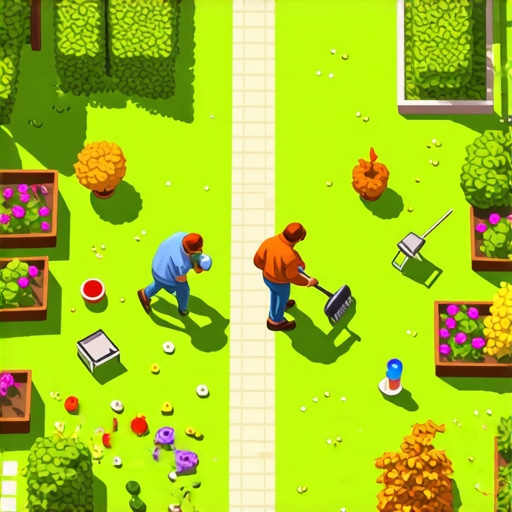
Let me tell you about the time I glanced out my window, only to be greeted by a jungle of weeds, uneven patches, and a lawn that looked more like a forgotten wilderness than a welcoming outdoor space. It hit me—my yard was a disaster, and I’d been ignoring it for far too long. That lightbulb moment sparked a realization: maintaining a stunning yard doesn’t have to be a weekend-long ordeal. The secret? A simple, effective 15-minute routine that I’ve refined over the years, and that I believe every homeowner can adopt to achieve that professional look by 2026.
The Power of a Short, Daily Yard Cleanup
Imagine dedicating just a quarter of an hour each day—yes, only 15 minutes—to your yard. It sounds almost too good to be true, but this small daily effort compounds over time, transforming your outdoor space into a lush, tidy paradise. The key is consistency and focus. Instead of letting clutter and neglect pile up, these quick sessions keep your lawn healthy and attractive. It’s the kind of routine I wish I had started years ago, and now I want to share it with you, so your yard becomes the envy of the neighborhood.
Is Spending 15 Minutes a Day Really Enough?
I’ve been there—skeptical about whether such a tiny daily commitment can yield pro-level results. Early on, I made the mistake of thinking lawn care required hours on end or expensive equipment. Trust me, I learned my lesson the hard way. My initial blunder was underestimating the impact of regular, small actions. It’s surprising how much difference a focused 15-minute routine can make. If you’re curious whether this approach works, I’m here to tell you that with just a bit of discipline, you’ll see noticeable improvements, especially if you incorporate targeted tasks like edging, watering, and debris removal.
For tailored advice about lawn improvement techniques, considering innovations like sod installation and smart irrigation upgrades can elevate your yard to the next level. And remember, small daily efforts easily prevent larger problems like overgrowth or drought damage, saving you money and time in the long run.
Now, let’s dive into the practical steps that will help you master this 15-minute routine and get your yard looking professional and pristine come 2026. Ready to reclaim your outdoor space? Let’s go!
Start with a Focused Cleanup
First, gather your basic tools—rakes, trash bags, pruning shears—and set a timer for five minutes. Picture this as cleaning out a cluttered closet; removing debris and dead plants instantly makes the space feel bigger and more manageable. When I tackled my yard, I started on a Saturday morning, clearing leaves and trash, which transformed the space visually and mentally. For stubborn weeds, use a weed puller to loosen roots, preventing regrowth, just like pulling a stubborn splinter by first loosening it with tweezers.
Break Down Large Areas
Divide the yard into sections—front, back, sides. Tackle each one with 3-minute sprints, focusing on one area at a time. This compartmental approach prevents burnout and makes the task less overwhelming. In my case, focusing on one corner at a time allowed me to see concrete progress, like patching a puzzle piece by piece instead of attempting to finish the entire picture at once.
Revamp Your Soil Before Installing New Sod
Healthy soil is the foundation of a lush lawn. Use a garden fork or aerator to pierce the soil, allowing air, water, and nutrients to penetrate deeply. Imagine your soil like a sponge that needs to be squeezed periodically; if it’s compacted, water runs off, and roots struggle to grow. I once spent an afternoon aerating my patchy grass area, which immediately improved water absorption and made my upcoming sod installation more successful. Linking to practical tips, check out this article for ensuring your new sod takes root quickly.
Prepare and Install Sod with Precision
Lay the sod in staggered rows like bricks—this prevents seams from lining up and creating weak spots. Use a sharp knife to cut and fit pieces snugly around curves or edges. Think of it as bedding a new mattress; proper placement ensures comfortable, healthy growth. After installation, water thoroughly to settle the soil and eliminate air pockets, which can hinder root contact. Remember, if your sod looks yellow or wilting after a few days, it might be overwatered—learn the signs at this guide.
Water Smartly for a Healthy Lawn
Proper irrigation is key. Use sprinklers or soaker hoses to deliver even moisture without runoff. Set a schedule targeting early morning hours—this minimizes evaporation and fungal risk. Think of irrigation like watering a delicate plant; overdoing it can drown roots, while too little leaves it dry. For efficient water use, consider installing a smart system. I tested a simple drip irrigation kit last spring, reducing water waste and keeping my grass lush despite a drought concern, a real game-changer. For detailed setup techniques, consult this article.
Implement Smart Irrigation Upgrades
Invest in a moisture sensor and a timer to automate watering. These devices act like your yard’s personal trainers, pushing only when needed. This not only conserves water but also prevents the common mistake of overwatering, which can lead to shallow roots and disease. When I added a moisture sensor last year, I noticed my grass stayed healthier, and my water bills decreased significantly. Check out this resource for recommended upgrades.
Maintain Consistency for Long-Term Beauty
Set your 15-minute routine as a daily habit. Use a checklist—weed removal, light pruning, watering, and debris clearing—to stay efficient. Think of it as brushing your teeth: small daily efforts prevent bigger problems down the line. When I committed to this schedule, my yard transformed from a source of stress into a source of pride. Over months, this consistent effort created a vibrant, inviting outdoor space that impressed neighbors and made weekends relaxing instead of exhausting.
Adjust Based on Seasonal Needs
Different seasons call for different routines. Increase watering during hot months and focus more on pruning in fall. Adapt your small daily tasks to maintain year-round health. For example, I added fall leaf removal to my routine, preventing mold and promoting healthier soil for the next season. Fine-tuning your habits ensures your yard stays stunning without requiring hours of work. For seasonal strategies, review related tips.
Many homeowners assume that adopting popular lawn care techniques guarantees lush, healthy grass, but in my experience, there’s a lot more nuance behind the scenes. For instance, a frequent misconception is that more water always results in better growth. In reality, overwatering can compact soil and promote fungal diseases, as highlighted by research from the University of California. Similarly, many believe that installing sod is a quick fix for a bad lawn, but without proper soil preparation and smart irrigation, the new grass may struggle to establish, leading to disappointment. Advanced landscapers understand that soil aeration and tailored watering schedules are crucial for sod success. When it comes to irrigation, the so-called ‘set-it-and-forget-it’ approach is often a trap. Automated systems that lack feedback from soil moisture can waste water and harm your lawn. Investing in smart irrigation upgrades, like moisture sensors, can significantly improve efficiency—an idea supported by sustainable landscaping studies. Additionally, yard cleanup isn’t just about aesthetics; neglecting to remove excessive thatch or failing to clear debris can inhibit root growth and water absorption, ultimately undermining your efforts. An often-overlooked nuance is timing: performing yard cleanup during the optimal season can prevent pests and disease, saving you trouble later. To master these intricate details, check out expert advice on proper yard cleanup techniques. So, the next time you plan your landscaping, consider these advanced insights to avoid common pitfalls and ensure your yard flourishes. Have you ever fallen into this trap? Let me know in the comments.
Maintaining a thriving lawn and landscape isn’t just about the initial setup; it’s an ongoing process that requires the right tools and systems in place. Over the years, I’ve refined my toolkit to include equipment that saves time, ensures quality, and adapts to evolving trends like smart irrigation and sustainable practices. Investing in these tools not only improves the immediate results but also sets the stage for effortless long-term maintenance. Let’s delve into the essential equipment and techniques that help keep your yard working smoothly year after year.
Prioritize Precision with the Right Equipment
One of my go-to investments has been a high-quality **rotary mower with adjustable height settings**. This allows me to tailor cutting height depending on the season and grass type, promoting healthier growth and reducing stress. Unlike cheaper models, a durable mower with a reliable engine ensures consistent performance, making regular mowing less cumbersome. I also use a **battery-powered weed wrench** for stubborn weeds, which minimizes soil disruption and is eco-friendly. These tools have become indispensable in my routine, particularly when managing large patches or difficult spots.
How do I maintain my equipment over time?
Consistent maintenance is key. For my mower, I keep the blades sharp and change the oil annually, which maintains efficiency and prevents costly breakdowns. Proper storage—like using a garage or protective cover—protects tools from the elements, extending their lifespan. Additionally, I invest in **lubricants and cleaning supplies** to keep moving parts functioning smoothly. Regular inspection and cleaner blades directly translate to healthier grass and fewer service interruptions. For sophisticated irrigation systems, like the smart setups detailed in this guide, scheduled checks ensure sensors and timers work seamlessly, helping conserve water and optimize growth.
Harness Technology to Simplify Maintenance
Automation has revolutionized yard care. I rely heavily on **smart irrigation controllers** that adjust watering based on weather forecasts and soil moisture data. This feature is a game-changer, dramatically reducing water waste and promoting deep root growth. As I mentioned before, adding a **moisture sensor** can further refine watering schedules—think of it as giving your yard a personal trainer who pushes only when needed. The trend towards integration of apps and real-time data makes managing your yard easier and more effective than ever. Looking ahead, I believe smart systems will become even more intuitive, predictive, and tailored to microclimates within your property, making yard maintenance almost hands-free.
What should I check regularly to keep my system working?
Periodic inspection is essential. I recommend checking sensors for dirt buildup, ensuring electrical connections are secure, and calibrating timers seasonally. Cleaning filters and flushing system lines prevents blockages that could lead to uneven watering. Doing so allows your smart irrigation to operate at peak efficiency. For detailed instructions, this article provides expert advice on maintaining irrigation systems.
Tools that Make Yard Cleanup Easier
Nothing hampers long-term success like neglecting the basics of yard cleanup. Using ergonomic **leaf blowers** has significantly reduced my physical strain, and their powerful suction mode can gather debris efficiently. For soil aeration and dethatching, I prefer a **gas-powered aerator with adjustable settings**. It loosens compacted soil and improves water and nutrient absorption, which is crucial for healthy turf. These tools save time and ensure the environment remains hospitable for grass roots and beneficial microbes.
Ready to try something advanced?
Absolutely—consider incorporating a **zone-controlled irrigation system** paired with moisture sensors. This setup ensures each part of your yard receives the tailored care it needs, drastically improving water efficiency and turf health. Invest in a system that allows remote monitoring and adjustment; the technology is now robust enough for homeowners to master. For example, this resource discusses strategic zoning for optimal results. Give it a shot, and watch your yard thrive with minimal effort!
By choosing the right tools and leveraging smart technology, you can transform yard maintenance from a chore into a seamless process. Regularly updating your toolkit and systems ensures your landscape remains lush and inviting, season after season. Now, I encourage you to evaluate your current equipment and consider one of these upgrades to enhance your long-term yard health.
Lessons That Changed My Yard Game
One of the most eye-opening lessons I learned was about patience. I used to believe that quick fixes like instant sod or heavy watering would yield instant results, but I quickly realized that consistency and understanding your yard’s unique needs are what truly make a difference. Another insight was the importance of soil health. I underestimated how much aeration and soil conditioning could boost turf vitality, and now I see it as the foundation of any lush lawn. Finally, I discovered that integrating smart irrigation initially felt overwhelming, but with a little guidance, it became a game-changer, saving water and improving plant health significantly. These lightbulb moments kept me motivated and helped me avoid common pitfalls, leading to a yard I love to showcase and maintain.”
My Benchmark Tools and Guides
After experimenting with various equipment and resources, I’ve found that investing in a high-quality rotary mower with adjustable height, a reliable aerator, and a good set of pruning tools are non-negotiable for effortless yard maintenance. For learning, I rely on expert blogs like this guide on sod installation and irrigation, which combines practical advice with innovative tips. Books such as The Lawn Care Bible have deepened my understanding of soil chemistry and seasonal care, making my efforts much more targeted. Hand-in-hand with these tools and resources, I’ve embraced technology—smart controllers and moisture sensors—that take the guesswork out of watering. Streamlining my approach with trusted sources and reliable tools has truly transformed my yard into a year-round showpiece.”
Your Green Journey Starts Now
Remember, creating a thriving yard isn’t about perfection but consistent effort, smart choices, and a willingness to learn. Each small step you take today builds the foundation for a lush, inviting outdoor space that can become your sanctuary. Don’t let fear of initial mistakes hold you back—imagine where you’ll be in a year if you commit to these refined routines and tools. Your future self will thank you for the decision to start now. Every great yard begins with that first purposeful effort, so why not make today the day you embark on your landscaping journey? Your lush, healthy yard awaits—go for it!”
Have you ever faced a particular challenge when trying to improve your yard or had a breakthrough that made all the difference? Share your story below—I’d love to hear how you’re transforming your outdoor space!