
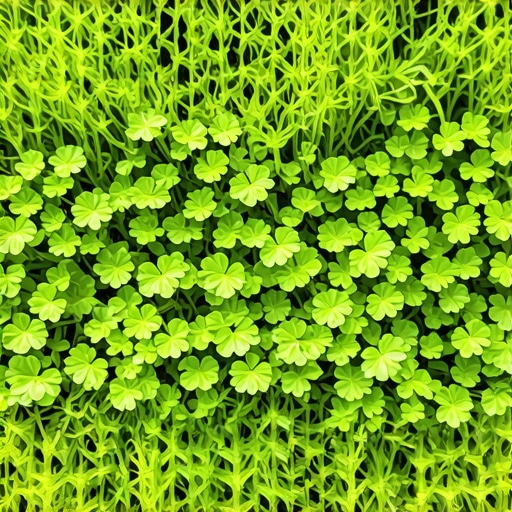
Creeping Charlie, scientifically known as Glechoma hederacea, is more than just a nuisance; it is a specialized biological opportunist that thrives where your turf grass is weakest. Most homeowners see a few purple flowers and a minty-smelling vine and think a quick pass with a big-box store spray will solve it. They are wrong. This weed uses a network of horizontal stems called stolons to map out your lawn, rooting at every node to create a dense, suffocating mat. If you do not understand the mechanical and chemical weaknesses of this plant, you are just wasting money on blue-tinted water. Getting rid of it requires a calculated strike on its vascular system during its most vulnerable growth phases. It is not about killing a weed; it is about reclaiming the soil profile.
The Anatomy of a Ground Ivy Takeover
Creeping Charlie eradication involves using selective herbicides containing Triclopyr or Dicamba to target the weed’s hormonal pathways without damaging monocot turfgrass. Successful removal depends on soil temperature, translocation timing, and correcting cultural deficiencies like compaction and low nitrogen levels that allowed the infestation to begin. A homeowner called me in a panic after they completely torched their front lawn by applying a massive dose of agricultural-grade glyphosate to spot treat some Charlie. They did not just kill the weed; they killed the soil microbiome and every blade of Kentucky Bluegrass for a ten-yard radius. Now we are looking at a full sod install just to get back to zero. They ignored the label, ignored the biology, and ended up with a dirt lot. This is what happens when you treat landscaping like a hobby instead of a science.
Why Your Lawn is Losing the War to Glechoma Hederacea
Creeping Charlie thrives in the conditions that kill high-end turf. It loves shade. It loves damp, poorly drained soil. It loves low nitrogen. If you have a massive infestation, your yard is telling you that your irrigation schedule is wrong or your soil density is too high. High bulk density in soil prevents deep root penetration for grass but allows the shallow, creeping roots of ground ivy to thrive. You need to look at your yard as a series of competing biological systems. When your turf is stressed by improper mowing heights or lack of nutrients, the Glechoma moves in to fill the void. It is a colonizer. It uses its round, scalloped leaves to shade out the grass crown, effectively starving the grass of sunlight. Every time you mow and leave the clippings of a Charlie-infested lawn, you risk spreading nodes to clean areas of the yard. This is why a thorough yard cleanup is the first step in any remediation plan.
“A retaining wall doesn’t fail because of the stone; it fails because of the water trapped behind it.” – Hardscape Engineering Axiom
The same logic applies to weeds. The weed is the symptom; the water and soil condition are the cause. If you have Creeping Charlie, you likely have a drainage issue or a shade problem that needs to be addressed through landscaping modifications, such as thinning the tree canopy or installing a French drain. Without fixing the underlying environmental stressors, the seeds and dormant stolons will simply return the following season. You must change the environment to favor the grass.
Selective Herbicides: The Professional’s Toolkit
To kill the weed without killing the grass, you must use chemistry to your advantage. Most general weed killers use 2,4-D, which is effective against dandelions but barely tickles Creeping Charlie. You need Triclopyr. This is a systemic herbicide that mimics a plant growth hormone called auxin. It causes the plant to grow so rapidly and uncontrollably that it literally exhausts its nutrient reserves and dies. The trick is timing. You must spray when the plant is actively moving nutrients from its leaves to its roots. This happens in late spring when it is flowering and again in the fall after the first light frost. In the fall, the plant is preparing for dormancy and pulls everything down into the root system. If you hit it with Triclopyr then, the chemical goes straight to the heart of the plant. If you spray in the heat of summer, the plant is in a semi-dormant state to protect itself from the sun, and the herbicide will just sit on the leaf surface and evaporate. Use a non-ionic surfactant to help the chemical penetrate the waxy cuticle of the leaf.
When is the best time to spray for Creeping Charlie?
The most effective window for Creeping Charlie control is during the autumn translocation period, specifically after the first frost but before the ground freezes, or in late spring during the bloom cycle. During these windows, the plant moves carbohydrates to its root system, ensuring the herbicide reaches the nodes for a complete kill.
Can you kill Creeping Charlie without chemicals?
While mechanical removal by hand-pulling is possible for small patches, the adventitious roots at every node make it difficult to ensure total eradication without leaving rhizome fragments behind. Improving soil aeration, increasing nitrogen levels, and reducing moisture retention are essential non-chemical steps to prevent re-infestation of the turfgrass canopy.
| Treatment Method | Active Ingredient | Best Application Window | Efficacy Rating |
|---|---|---|---|
| Standard Weed Killer | 2,4-D, MCPP | Mid-Summer | Low |
| Professional Grade | Triclopyr (Ester) | Fall / Post-Frost | High |
| Borax Solution | Sodium Borate | Spring | Dangerous (Soil Toxicity) |
| Manual Removal | Hand-Pulling | Post-Rain | Moderate (Small Areas) |
The Borax Myth vs. Soil Reality
You will see blogs suggesting you mix Borax with water to kill Creeping Charlie. Stop. Boron is a micro-nutrient, but at the levels required to kill weeds, it becomes a permanent soil sterilant. Grass has a slightly higher tolerance for Boron than Creeping Charlie, but the margin of error is razor-thin. If you over-apply, you will create a toxic patch of ground where nothing will grow for years. It ruins the soil pH and chemistry. As a professional, I never use it. I have seen too many DIYers turn their front yards into a salt flat because they read a Pinterest post. Stick to EPA-registered selective herbicides that break down in the soil over 30 to 60 days. Your landscaping health depends on the long-term viability of the soil microbiome.
“Triclopyr is most effective when applied during the flowering stage in spring or after the first frost in autumn.” – Purdue University Extension
The Ground-Up Remediation Process
If your lawn is more Charlie than grass, you need to stop patching and start over. This is where a sod install becomes the more cost-effective choice. We scrape the top two inches of biomass and soil, regrade for proper drainage, and lay fresh Kentucky Bluegrass or Tall Fescue. But before that sod hits the ground, the irrigation system must be audited. Most people water too often and too shallow. This keeps the surface damp, which Creeping Charlie loves. You need to water deep and infrequent. Aim for exactly 1 inch of water per week, delivered in one or two sessions early in the morning. This forces the grass roots to chase the moisture down into the soil, building a resilient root system that can crowd out invaders. Use a tuna can to measure your sprinkler output. Do not guess. Measurements are the difference between a lawn and a swamp.
The Professional Eradication Checklist
- Identify the infestation density and check for soil compaction using a penetrometer or screwdriver test.
- Core aerate the lawn to a depth of 3 inches to improve oxygen exchange and water infiltration.
- Apply a Triclopyr-based selective herbicide during the fall transition or spring bloom.
- Wait 14 days, then perform a yard cleanup to remove dead organic matter and thatch.
- Overseed with a shade-tolerant seed mix if the area receives less than 4 hours of direct sun.
- Adjust irrigation to deliver 1 inch of water weekly, ensuring the soil surface dries between cycles.
- Maintain a mowing height of 3.5 to 4 inches to shade out any remaining weed seedlings.
Consistency is the only way to win. It will not be a one-shot deal. It will take two seasons to fully suppress the seed bank. Don’t skip the fall application. It is the most important move you can make. If you are lazy in October, you will be miserable in May. Keep the nitrogen levels up, keep the compaction down, and keep the blades sharp. That is how you run a professional-grade lawn. It is science, not luck. It will rot if you don’t drain it. Don’t skip the aeration. It is the backbone of the whole operation. Your grass needs to breathe as much as it needs to drink. If you ignore the bulk density of your soil, you are just gardening in a concrete box. Fix the ground, and the grass will take care of itself.