
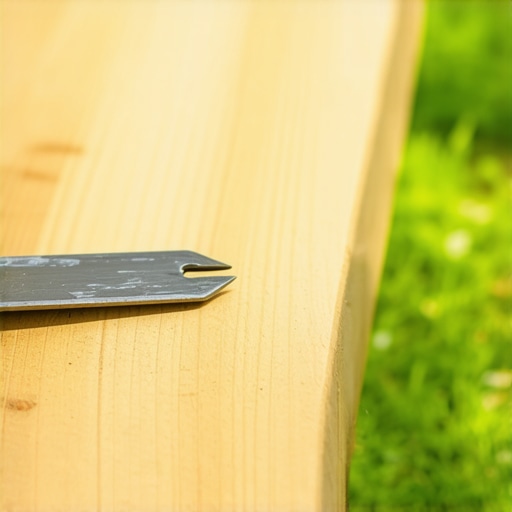
How to Sharpen Your Mower Blades for a Cleaner Cut
A dull mower blade is not just an inconvenience; it is a biological threat to your turf. When you operate a machine with a compromised edge, you aren’t cutting the grass—you are bludgeoning it. This leads to tissue necrosis, increased transpiration, and a lawn that looks like it was chewed by a pack of stray dogs rather than maintained by a professional.
The Forensic Reality of a Dull Blade
A dull mower blade shatters the vascular structure of the grass blade instead of providing a clean, surgical incision, leading to whitened leaf tips and a massive increase in fungal susceptibility. This mechanical trauma forces the plant to divert energy from root development to wound healing, effectively stalling the nitrogen cycle in your soil. [IMAGE_PLACEHOLDER]
A homeowner called me in a panic last June after they completely torched their front lawn, or so they thought. They had spent a fortune on a sod install only for the entire yard to take on a ghostly, tan hue within weeks. They were convinced it was a chemical burn from a botched fertilizer application or a failure in their irrigation system. I knelt down, pulled a few blades of Kentucky Bluegrass, and showed them the tips. They weren’t burned; they were shredded. Their ‘budget’ mowing service was running blades so dull they were essentially beating the grass into submission. The ragged edges had allowed Exserohilum turcicum (Northern Leaf Blight) to set in across the entire property. It was a $15,000 lesson in metallurgy.
“A mower blade rotating at 3,000 RPM creates a tip speed of nearly 190 mph. At these velocities, even a slight dullness results in significant impact damage to the plant’s cell walls.” – Agricultural Engineering Standards Manual
Why Sharpness Affects Turf Physiology
The physics of a lawn mower involve more than just rotation; they involve lift. A sharp blade with a functional ‘sail’ (the turned-up back edge) creates a vacuum that pulls the grass upright before the cutting edge passes through. When the edge is blunt, the vacuum is compromised. The grass remains flattened, the cut is uneven, and the landscaping aesthetics vanish. Sharp blades ensure that the stomata can close properly after the cut, preserving internal moisture. This is critical during high-heat months when irrigation demands are at their peak. If you are mowing with dull steel, you are effectively increasing your water bill by 20% just to keep the shredded plants from wilting.
How often should I sharpen my lawn mower blades?
For a standard residential lot, you should sharpen your blades every 20 to 25 hours of operation, or at least twice per season, to maintain optimal turfgrass health and prevent pathogenic entry. If your yard cleanup routine is sloppy and you’re hitting twigs or hidden stones, you’ll need to grind those nicks out immediately to maintain balance. Heavy commercial crews sharpen daily. For a homeowner, if the tips of your grass look frayed or white 24 hours after a mow, you’re already late.
The Anatomy of the Sharpening Process
Before you even touch a wrench, you need to understand the 30-degree bevel. You aren’t aiming for a razor edge like a chef’s knife. A razor edge on a mower blade is actually a failure; it’s too thin and will roll over or chip the moment it hits a thick stalk of fescue or a stray pebble. You want a ‘butter knife’ sharpness—consistent, clean, and durable. [IMAGE_PLACEHOLDER]
| Feature | Dull Blade Consequence | Sharp Blade Benefit |
|---|---|---|
| Leaf Tip Integrity | Tissue shredding and bleaching | Clean, horizontal cauterization |
| Fungal Resistance | Open wounds invite spores | Rapid sealing of the cuticle |
| Engine Strain | Higher torque required; fuel waste | Efficient cutting; lower RPM drop |
| Water Retention | High moisture loss through tips | Minimal transpiration stress |
What tools do I need for mower blade maintenance?
Don’t bother with those cheap drill-bit stone attachments. They are garbage. You need a 10-inch mill bastard file for manual work or an angle grinder with a 60-grit flap disc for serious metal removal. You also absolutely require a blade balancer. An unbalanced blade spinning at 3,000 RPM will shred your engine’s crankshaft bearings. It’s a $10 tool that saves a $500 motor.
Step-by-Step Blade Refurbishment
- Disconnect the Spark Plug: This is non-negotiable. If the engine has a compression stroke left, moving the blade by hand could fire the motor.
- Tip the Mower Correctly: Always tip the mower with the air filter side up. If you tip it the other way, oil will drain into the carburetor and ruin your day.
- Remove the Bolt: Use a breaker bar or an impact wrench. Note the orientation of the blade. The ‘sails’ must point toward the mower deck. Putting a blade on upside down is a classic hack move that will ruin a sod install in minutes.
- Clean the Blade: Use a putty knife to scrape off dried grass and debris. You can’t sharpen what you can’t see.
- Grind the Edge: Follow the existing 30-degree bevel. Move the grinder or file from the inside of the blade toward the tip. Do not overheat the metal; if it turns blue, you’ve ruined the temper, and it will never hold an edge again.
- Balance the Blade: Place the center hole on the balancer. If one side dips, grind more metal off the back of that side (not the cutting edge) until it sits level.
- Reinstall: Torque the bolt to the manufacturer’s spec, usually between 45 and 60 foot-pounds.
“Improperly balanced mower blades are the leading cause of premature spindle failure in walk-behind and zero-turn equipment.” – ICPI Equipment Maintenance Guide
The Intersection of Sharpness and Yard Cleanup
Your sharpening frequency is directly tied to your yard cleanup habits. If you use your mower as a vacuum for sticks, pinecones, and acorns, you are dulling the steel via abrasion. Professionals never mow over debris. We clear the deck first. A clean surface ensures the blade only encounters the resistance of the grass, preserving the edge for the duration of the season. If you’ve recently finished a landscaping project involving gravel or pavers, be doubly sure that no stray stones have migrated into the turf. One stone can turn a perfectly balanced blade into a vibrating disaster.
Can I sharpen a mower blade without removing it?
Technically, you can use a file while the mower is tipped, but you cannot balance the blade this way. Skipping the balance check is a recipe for catastrophic mechanical failure. Take the five minutes to remove the bolt. It’s the difference between a professional result and a vibrating mess that destroys your mower’s deck. Don’t be lazy. [IMAGE_PLACEHOLDER]
Maintenance Checklist for the High-End Lawn
- Check blade sharpness every 3 mows.
- Inspect for blade cracks or thinning metal (especially if you have sandy soil).
- Verify that the mower deck is level; a sharp blade on a crooked deck still produces a bad cut.
- Clean the underside of the deck after every mow to maintain airflow and ‘lift.’
- Replace blades entirely every 2 seasons or when the ‘sail’ has worn thin.
Precision matters. If you treat your mower like a piece of precision machinery, your lawn will respond like a professional golf course. If you treat it like a ‘mow-and-blow’ hack, your grass will tell the story. Keep your steel sharp and your irrigation calibrated. The results speak for themselves.