
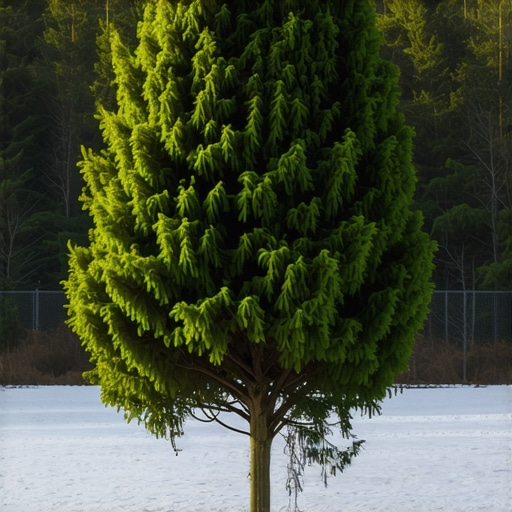
Protecting 2026 Arborvitae from Winter Deer Browse
The survival of your 2026 landscape investment hinges on more than just aesthetic placement. I always drill into my new crew members: if you don’t fix the soil grading first, every plant you put in the ground is just expensive compost. This applies doubly to arborvitae. Most contractors slap these evergreens into the ground and walk away, leaving the homeowner with a six-foot-tall salad bar for the local deer population. When the ground freezes and the natural forage disappears, your Thuja occidentalis becomes the only high-moisture, high-nitrogen snack in the neighborhood. Without a rigorous protection protocol involving physical barriers, chemical deterrents, and soil moisture management, you are essentially throwing money into a wood chipper.
The Strategic Foundation of Winter Preservation
Protecting 2026 arborvitae from winter deer browse requires a multi-layered defense system that integrates physical exclusion and olfactory repellents to safeguard the terminal leaders and lower canopy. Effective winterization begins with a comprehensive yard cleanup to remove secondary food sources that attract Odocoileus virginianus to your property perimeter. This strategy must be implemented before the first hard freeze to ensure structural stability of the barriers. Failing to act before the first snow means you are already behind the curve.
Arborvitae, specifically the Smaragd or Emerald Green variety, are highly susceptible to browse damage because their foliage remains relatively soft and accessible throughout the winter months. Unlike some pines or spruces that develop high resin content or sharp needle structures, the arborvitae provides a consistent caloric return for a hungry deer. We aren’t just talking about a few nibbles. A single deer can consume up to 6 to 8 pounds of forage daily during a harsh winter. If you have a herd of five, your privacy screen will be stripped to the bark in a single weekend. This is why we focus on the physics of the browse line. Deer typically browse from the ground up to a height of about six feet. Any foliage within that strike zone is at risk. If you are planning a new landscaping project or a sod install in 2026, you must factor in the cost of deer protection as a non-negotiable line item.
“Winter deer damage is often the result of starvation-driven behavior where the animal ignores its natural fear of human scents to access high-energy evergreens.” – Penn State Agricultural Extension
Biological Vulnerability: Why Deer Target Thuja Occidentalis
The biological makeup of arborvitae makes them an irresistible target during the winter months. In my 20 years of experience, I have seen entire rows of fifteen-foot trees decimated because the owner thought they were too big to be eaten. Deer don’t just eat the leaves; they rip at the branches, causing structural damage that can lead to permanent disfigurement. The plant’s internal chemistry during dormancy doesn’t produce the bitter alkaloids that some other species use for defense. This makes them the premium choice for cervids in a landscape setting. When we perform a yard cleanup, we evaluate the surrounding flora to see what else might be drawing them in. Are there fallen apples? Is there a bird feeder spilling grain? These are tactical vulnerabilities.
Furthermore, the health of the soil directly impacts the tree’s ability to recover from browse. A tree planted in compacted clay with poor drainage is already stressed. When a deer strips the foliage, the tree has fewer carbohydrate reserves to push out new growth in the spring. This is where irrigation management becomes critical. Most people blow out their irrigation systems in October and forget about them. However, if the late fall is dry, the arborvitae enter winter in a state of desiccation. Dehydrated foliage is actually more attractive to deer because they are seeking moisture as much as calories. We recommend a deep root watering schedule until the ground actually freezes to ensure maximum cellular turgidity.
How tall should a deer fence be for arborvitae protection?
To provide absolute protection for arborvitae, a deer fence must be at least 7.5 to 8 feet high, as a healthy adult deer can easily clear a standard 6-foot barrier when motivated by hunger. If using temporary winter netting, ensure the material is UV-stabilized polypropylene to prevent degradation from sun exposure and heavy snow loads. Do not let the netting touch the foliage directly, as deer can still nibble through the mesh gaps. Instead, use stakes to create a physical offset of at least 6 inches from the outer branches.
The Engineering of Physical Barriers
When it comes to physical barriers, we don’t use that flimsy bird netting you buy at the big-box store. That stuff is a death trap for songbirds and a minor annoyance for a hungry buck. We use heavy-duty, 3/4-inch mesh polypropylene or, for high-end residential sites, custom-built wooden frames wrapped in burlap. The frame is the key. You cannot just wrap burlap around an arborvitae like a mummy. If you do that, the burlap will hold moisture against the foliage, leading to fungal issues or needle drop. You need to drive 2×2 stakes into the ground at least 12 inches deep to create a cage. This cage supports the burlap and prevents snow loads from crushing the tree. It also keeps the deer from being able to press their weight against the fabric to reach the green material inside.
| Protection Method | Estimated Cost per Tree | Longevity | Effectiveness Rating |
|---|---|---|---|
| Heavy-Duty Burlap Caging | $45 – $75 | 2-3 Seasons | 9/10 |
| Polypropylene Deer Fencing | $15 – $30 | 5+ Seasons | 8/10 |
| Chemical Repellents | $5 – $10 (monthly) | 4-6 Weeks | 4/10 |
| Electric Fencing | $200+ (setup) | 10+ Seasons | 9.5/10 |
Notice the effectiveness rating for chemical repellents. Most homeowners rely on these because they are cheap and easy to spray. But in a real winter, they fail. Rain, snow, and UV light break down the active ingredients like putrescent egg solids or capsaicin. If you don’t reapply after every major weather event, your protection is gone. It is a supplement, not a solution. Real landscaping pros know that structural exclusion is the only way to guarantee results. If we are doing a sod install in a high-pressure deer area, we often suggest installing a permanent perimeter fence before the first blade of grass is laid down. It’s about protecting the entire ecosystem of the yard.
The Irrigation Connection and Soil Health
Soil health is the often-ignored component of winter protection. A tree with a robust root system has a higher tolerance for occasional browse. During our yard cleanup services, we check for soil compaction. If the soil is too dense, the roots can’t breathe, and the tree becomes weak. We use liquid aeration or mechanical core aeration around the drip line to ensure oxygen and water can reach the root zone. This is vital before the winter freeze sets in. If the roots are healthy, the tree can mobilize nutrients more effectively to repair any minor damage that occurs during the winter months.
“A retaining wall doesn’t fail because of the stone; it fails because of the water trapped behind it.” – Hardscape Engineering Axiom
While that axiom usually refers to masonry, the same logic applies to your plants. Water management is the silent killer. If your irrigation system is poorly designed, you might have standing water near the base of your arborvitae. When that water freezes, it can cause frost heave, pushing the young trees out of the ground and exposing the root flare. A compromised root system makes the tree a sitting duck. We ensure that the grading around the planting bed slopes away at a minimum of 2 percent. This prevents ice collars from forming around the trunk, which can gird the bark and kill the tree faster than any deer ever could.
How do I wrap arborvitae for winter properly?
To properly wrap arborvitae, drive three wooden stakes into the ground around the tree to create a protective tripod, then wrap industrial-grade burlap around the outside of the stakes. This creates a micro-climate buffer that protects the foliage from winter windburn while preventing deer browse without physically compressing the branches. Secure the burlap with heavy-duty staples or twine, ensuring there is a gap at the top and bottom for atmospheric gas exchange and to prevent moisture buildup.
2026 Winterization Checklist
- Final Deep Soak: Apply 5-10 gallons of water per inch of trunk diameter in late November.
- Mulch Management: Apply 3 inches of double-ground hardwood mulch, keeping it 2 inches away from the root flare.
- Stake and Frame: Install 2×2 pressure-treated stakes for every tree under 8 feet tall.
- Barrier Application: Wrap frames with burlap or 1-inch mesh fencing.
- Repellent Backup: Apply a systemic repellent to the foliage for an extra layer of olfactory defense.
- 811 Notification: If installing permanent fence posts, always call for utility marking to avoid hitting irrigation lines.
Winter yard cleanup isn’t just about raking leaves. It’s a strategic audit of your property’s defenses. We look for broken irrigation heads that might have leaked and created ice dams. We check the tension on existing deer netting. We look for signs of early browse on nearby hostas or hydrangeas. If the deer are already eating your perennials in October, you can bet they will be on your arborvitae by December. This is a battle of attrition. You don’t have to be faster than the deer; you just have to make your yard less attractive and more difficult to access than your neighbor’s. Professional landscaping is about foresight. It’s about understanding that a tree is a living organism with biological needs, not just a green pole in the ground. If you treat your 2026 arborvitae with the respect their biology demands, they will reward you with twenty years of privacy. If you skip the winterization, you’ll be calling me in the spring to haul away dead sticks.