Why Your 2026 Sod is Spongy: 3 Drainage Fixes

Why Your 2026 Sod is Spongy: 3 Drainage Fixes
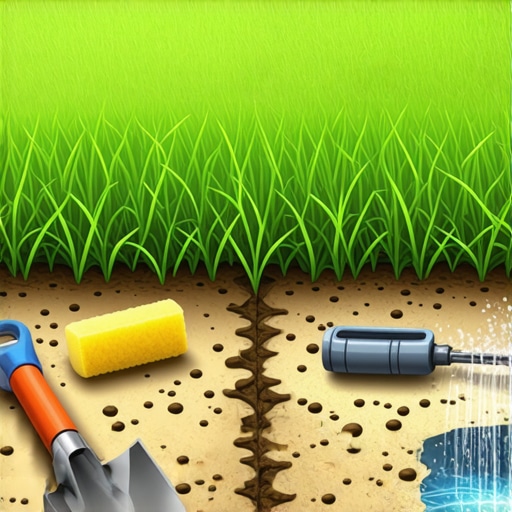
The Diagnosis: Why Your Yard Feels Like a Marsh Spongy sod is usually caused by surface water retention, sub-soil compaction, or excessive thatch preventing proper infiltration. When water cannot penetrate the root zone, it sits in the top two inches of the turf, creating a localized swamp that promotes fungal rot and root death. If … Read more
Why Your 2026 Sod Failed in the First Two Weeks

Why Your 2026 Sod Failed in the First Two Weeks

The Anatomy of an Expensive Failure New sod fails within the first fourteen days primarily due to hydrophobic soil layers, root-zone air pockets, and osmotic stress caused by improper nutrient timing. If the root system cannot establish capillary action with the native subgrade within 72 hours, the plant enters a state of permanent wilting point … Read more

Stop 2026 Sod Heat Stress with This Water Tweak

Stop 2026 Sod Heat Stress with This Water Tweak

The 2026 Heatwave Autopsy: Why Your New Sod is Cooking Sod heat stress occurs when transpiration rates exceed the root system’s ability to uptake moisture, often exacerbated by shallow watering and high nitrogen levels. To stop the burn, you must shift to deep, infrequent irrigation that targets the 6-inch soil profile rather than the surface. … Read more

Patch 2026 Sod Bare Spots Using Scraps [Pro]

Patch 2026 Sod Bare Spots Using Scraps [Pro]

The Science of the Root-Soil Interface: Repairing Turf with Precision Patching sod bare spots using scraps requires more than just tossing green side up; it demands a surgical focus on soil density, capillary action, and nutrient availability to ensure the patch integrates with the existing turfgrass system rather than desiccating and dying. Most homeowners fail … Read more

Why 2026 Sod Won’t Root: Fix the Soil Contact

Why 2026 Sod Won't Root: Fix the Soil Contact

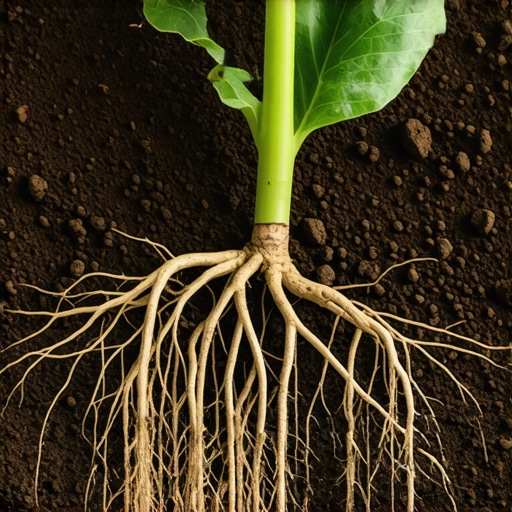
The Anatomy of a Failed Sod Install Sod rooting failure in 2026 stems from poor soil-to-root contact, often caused by compacted subgrade, improper soil pH, or an interface layer of organic debris. Without direct contact, the rhizosphere cannot establish hydraulic connectivity, leading to localized desiccation and eventual turf death. It happens every spring. I always … Read more