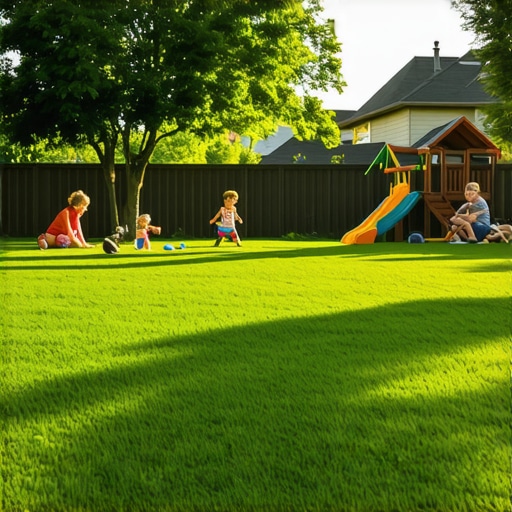
It was a Saturday afternoon when I looked out my window and saw my youngest trampolining across the freshly laid sod, while my Labrador happily dug trenches—completely oblivious to the fragile green carpet beneath her paws. That’s when it hit me: I’d jumped into lawn replacement without a real game plan, and my kids and pets were about to turn my yard into a battleground for turf survival.
Do Your Kids and Pets Put Your Lawn at Risk?
If your backyard is more battleground than oasis, you’re not alone. I learned the hard way that a beautiful lawn doesn’t just happen; it requires strategy—especially when young explorers and furry friends are involved. The common mistake I made early on was not considering how high-traffic areas and pet play zones impact sod health. That oversight nearly cost me my investment and left me frustrated. Luckily, I discovered a few essential secrets that transformed my yard from a muddy mess to a lush paradise, and I want to share them with you. These aren’t just tips; they’re proven strategies to ensure your 2026 lawn survives kids, pets, and everything in between.
Is The Hype About Sod Survival Worth It?
I used to think regular watering and fertilizing would do the trick, but I learned that rushing into sod installation without proper preparation often backfires. A giant mistake I made was skipping the crucial step of soil testing—something I now know is vital for root growth and sod resilience. Ignoring this detail led to patchy, weak grass that succumbed quickly under foot traffic. According to experts, proper soil prep can make or break new sod’s success, especially if your yard’s soil is less than ideal (more on what goes wrong with sod).
So, how do we prevent this? The key lies in three core secrets that I wish someone had told me before I started. These little-known strategies can boost sod durability, speed up rooting, and help your lawn stand tall through loads of kid-friendly fun and pet antics.
Prep Your Soil Like a Pro
Before laying down your sod, imagine preparing a bed for a delicate flower. I once skipped this step, and my new grass struggled to root, resulting in patchy spots. To avoid this, test your soil using a simple kit; if it shows deficiencies, amend it with compost or specific nutrients. Break up compacted soil with a rototiller or a sturdy garden fork, ensuring a loose, aerated base. This resembles fluffing a pillow before inserting a new insert—setting a foundation that promotes healthy root establishment. Proper soil preparation significantly boosts sod resilience and speed of rooting. For best results, consider detailed soil tests and amendments, as outlined in this guide.
Lay the Sod with Precision
Think of laying sod as assembling a patchwork quilt—each piece must fit snugly to prevent gaps and uneven growth. Roll out the sod within 24 hours of purchase to prevent it from drying out. Start from a straight edge—like aligning tiles—so your pattern remains tidy. Cut irregular pieces to fill gaps, avoiding overlapping edges which can suffocate roots. Gently press each piece down with a lawn roller or by hand, ensuring contact with the soil beneath. I recall struggling with uneven shingles, which only led to weak spots; I now know smooth, tight seams prevent air pockets that hinder rooting. For flawless installation, follow a consistent pattern, ensuring all seams are tightly butted together. Check out these tips.
Water Wisely for Strong Roots
Imagine watering as giving your new grass a gentle shower—more like a spa treatment than a drizzle. Right after installation, water thoroughly; I once lightly misted and watched my sod wilt within days. Use a spray nozzle or sprinkler to moisten the soil to about 6 inches deep, encouraging roots to seek water downward. Frequency depends on weather—warm, windy days demand more watering. Keep the soil moist but not waterlogged; overwatering can drown roots, leading to rot, as explained in this article. Consider setting an irrigation timer to maintain consistent moisture levels, especially if you’re away. Applying a light layer of mulch or straw can help retain soil moisture and prevent evaporation. Regular, deep watering accelerates rooting and increases sod resilience to foot traffic and pet activity. For optimal watering strategies, see these expert tips.
Maintain and Monitor Rigorously
Think of sod maintenance as nurturing a fragile sprout—consistent care yields a flourishing lawn. Mow once the grass reaches about 3 inches, but be gentle; remove no more than one-third of height at a time to prevent shock. Fertilize with a starter formula to supply essential nutrients; I once delayed fertilizing and watched my lawn grow weak. Keep an eye out for weeds, pests, or signs of stress, which can open the door for disease. Aerate lightly after four weeks if the soil becomes compacted or soggy. Regularly check your irrigation system for leaks or clogs—like tuning a musical instrument, it ensures everything performs smoothly. Remember, the early weeks are critical—stick with your routine to foster deep roots and a lush, durable lawn. For ongoing maintenance secrets, refer to this resource.
While many homeowners focus on the obvious aspects of lawn care, such as choosing the right grass type or installing sprinklers, the real nuances often slip through the cracks. One widespread misconception is that a quick, DIY approach to sod installation can yield a perfect lawn, but expert landscapers know that precise soil prep and understanding soil chemistry are fundamental. Skipping detailed soil tests and relying solely on manual amendments can lead to inadequate root establishment. For a deeper dive, check out this insightful guide.
Why Do So Many Get the Watering Wrong?
The myth that more watering means faster rooting can backfire spectacularly. Overwatering not only drowns roots but also encourages fungal diseases, which are common pitfalls on the path to lush grass. Conversely, underwatering leads to stress and slow root growth. Achieving the perfect balance involves understanding soil moisture retention and adjusting irrigation schedules accordingly. Modern smart timers and soil moisture sensors can help, but many forget to calibrate these correctly. This often results in water wastage and weak sod. Experts emphasize that consistent, deep watering—aimed at penetrating 6 inches of soil—promotes healthy root systems, as discussed in this comprehensive resource.
Another nuanced mistake involves the landscape’s drainage capacity. A poorly drained yard can cause water pooling around roots, leading to root rot and eventual death of your sod. This is an often overlooked factor, even by seasoned gardeners. Proper grading and soil amendments tailored to drainage improve longevity and health. Remember, even the best sprinkler system won’t help if water doesn’t drain away efficiently. To prevent these issues, consider consulting with professionals or performing a simple drainage test before installation. For detailed assistance, explore these expert tips.
What About Yard Cleanup That Can Sabotage Your Results?
Many think that yard cleanup is just about aesthetics, but proper cleanup can significantly impact sod establishment and overall lawn health. Removing debris without considering soil conditions can compact soil or disturb existing beneficial organisms, hindering root growth. Additionally, tarring or over-pruning trees and shrubs during cleanup may reduce shade, exposing tender young grass to sun stress, which can stunt growth or cause patches. Another often overlooked aspect is clearing out old roots and organic matter that can harbor pests or diseases, undermining your efforts. Proper yard cleanup involves a strategic plan—targeted, not aggressive—to prepare the site for successful sod rooting. For tailored advice, take a look at this expert guide.
In all these cases, the key lies in understanding soil dynamics, water management, and strategic cleanup—elements that are essential for a thriving, resilient lawn. When you incorporate these advanced insights into your planning, you’re far less likely to encounter the common failures that frustrate so many homeowners. Remember, attention to detail at every stage makes all the difference, and no shortcut substitutes for expert knowledge. Do you have specific challenges in your yard? Share your experiences in the comments, and let’s troubleshoot together!
Keeping your lawn in top shape over the years requires more than just a one-time effort; it demands the right tools, consistent maintenance, and an understanding of long-term sustainability. From effective irrigation systems to soil management tools, investing in quality equipment can make all the difference in ensuring your yard remains lush and resilient.
How do I maintain my landscaping tools and irrigation systems over time?
Regular maintenance of your equipment is essential to prevent breakdowns and extend their lifespan. For instance, I personally swear by maintaining my sprinkler heads with a simple routine: once a month, I inspect each head for clogs or leaks, clean out any debris, and replace worn nozzles. Using pressure gauges to monitor your irrigation system’s performance is also a smart move—consistent pressure ensures even watering and avoids over- or under-watering spots. For soil health, a good quality garden tiller helps in aerating compacted soils—an often overlooked step that promotes root growth. Remember, the key to long-term results isn’t just initial setup; it’s ongoing care and readiness to troubleshoot issues as they arise.
Looking ahead, the trend is leaning toward smart, sensor-based irrigation controllers, which adapt watering schedules based on real-time weather data, effectively reducing waste and improving lawn health. Incorporating such devices can save you time and money, while also benefiting the environment.
If you want to get a head start on perfecting your watering strategy, I recommend calibrating your smart timer regularly. According to this comprehensive guide, a simple calibration can prevent issues like dry patches or overwatering caused by sensor drift or misreading. Try calibrating your system this week—your lawn will thank you!
Using quality hand tools such as durable pruning shears and ergonomic rakes also contributes to better yard care. They reduce fatigue and improve precision, making yard cleanup more efficient. Consider investing in a multi-purpose leaf blower with adjustable settings for debris removal—it’s a game-changer for fast, thorough cleanup, especially before overseeding or applying mulch.
Why is equipment maintenance critical for long-term yard health?
Neglecting your tools and irrigation systems can lead to breakdowns during peak seasons, forcing costly replacements or repairs. Regular inspections help catch small issues—like cracked sprinkler heads or clogged filters—before they escalate. Moreover, using proper drainage tools ensures your yard doesn’t suffer from persistent soggy spots that undermine sod root development.
By maintaining your equipment diligently, you’ll ensure consistent results, minimize downtime, and keep your yard looking its best year after year. Remember, a well-maintained tool or system is an investment in the health of your lawn—so keep those blades sharp, filters clean, and controllers calibrated.
Don’t forget—try out a sensor-based irrigation upgrade this season. It’s an advanced tip that can turn your yard into a water-wise, thriving paradise—an investment that truly pays off with long-term savings and healthier grass. For detailed steps, check this guide.
What I Learned the Hard Way About Yard Mastery
- Patience is essential—rushing soil prep or sod installation often leads to weak patches that invite frustration and rework.
- Every yard has secrets—like hidden drainage issues or soil deficiencies—that can sabotage your efforts if not identified early.
- Investing in quality tools and periodic maintenance saves time and money, turning small tasks into effortless wins.
- Trial and error are part of the process—embracing setbacks as learning opportunities builds a more resilient, lush lawn over time.
- Being proactive with tailored watering and ongoing care sets your yard apart from the competition, making it a true oasis.
Tools and Tips That Brighten My Path
My secret weapon has become a combination of trusted resources and reliable tools. Books like Expert Strategies for a Lush Lawn offered insights I couldn’t find elsewhere, transforming my approach from guesswork to precision. Investing in a quality soil tester helped me fine-tune amendments, saving countless headaches later. Smart irrigation timers paired with soil moisture sensors took the guesswork out of watering, ensuring my grass received exactly what it needed without waste. These tools aren’t just products—they’re game-changers, turning a stressful project into a manageable, even enjoyable, task. For additional guidance, the yard cleanup tips and mistakes to avoid pages helped me refine my routine and celebrate my progress.
Seize Your Lawn’s Potential Today
The journey to a thriving yard isn’t about perfection; it’s about persistence, knowledge, and small daily wins. Each step—whether it’s testing soil, laying sod with care, or setting up smart watering—brings you closer to that lush, resilient landscape you envision. Remember, your yard is more than just grass; it’s a reflection of your dedication and future memories awaiting to happen. Take that first or next step today—your dream lawn is within reach, and every effort counts. Are you ready to transform your outdoor space and create a yard that handles whatever 2026 throws at it? Share your plans below, and let’s cheer each other on!