
The Science of Post-Storm Property Restoration
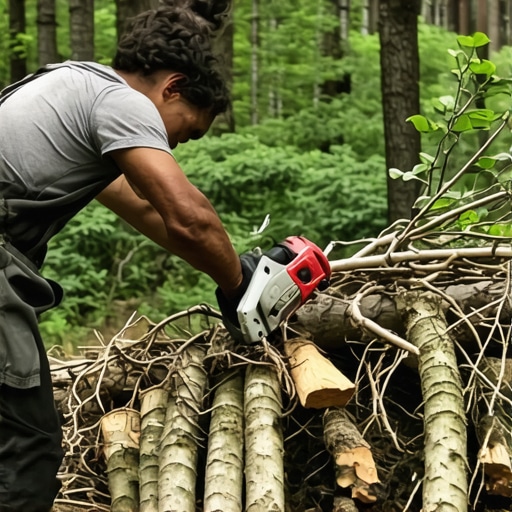
To clear 2026 storm debris effectively, prioritize identifying structural hazards like widow-makers and limb tension before using mechanical equipment. Systematic removal prevents secondary damage to turf, irrigation systems, and soil structure, ensuring the property remains safe for subsequent landscaping and sod installation efforts. It requires more than a rake. You need a plan.
I always drill into my new crew members: if you do not fix the soil grading and clear the subsurface debris first, every plant you put in the ground is just expensive compost. After the 2026 storms, I saw guys out there with chainsaws who did not understand the physics of a barber-chair split. They were cutting into limbs under 500 pounds of tension without a relief cut. That is how you lose a saw or a finger. Storm cleanup is not just about aesthetics. It is about mitigating long-term horticultural decline and structural instability. When a 40-foot oak limb hits the ground, it does more than break the grass. It compacts the soil to a bulk density that roots cannot penetrate. It crushes irrigation lines three inches deep. If you just haul the wood and throw down seed, you will have a dead lawn by July.
How do you safely cut down broken branches after a storm?
Safe branch removal involves the three-cut method to prevent the bark from stripping down the trunk, which exposes the tree to pathogens and decay. You must identify whether the limb is under tension or compression before the first bite of the chain. Use a dedicated pole saw for anything above shoulder height. Do not climb ladders with a chainsaw. It is a death wish.
“Proper pruning after a storm is critical for tree health. Heading cuts or topping can lead to weak regrowth that is even more susceptible to future storm damage.” – Texas A&M AgriLife Extension
The Mechanics of Tree Triage and Debris Extraction
Tree triage is the process of evaluating which specimens can be saved and which pose an immediate threat to the property or residents. Focus on the root flare and the structural integrity of the main leader before deciding to prune or remove. A tree with more than fifty percent canopy loss is usually a candidate for removal. If the bark is ripped away, the vascular system is compromised. Xylem and phloem cannot transport water and nutrients. The tree will starve. We use a 1:3 ratio for pruning. Never take more than one-third of the green canopy in a single season. After a storm, this is hard to follow. But it is the rule. We look for internal rot. We check for boring insects that move in the moment a tree is stressed. This is forensic landscaping.
| Debris Type | Equipment Required | Safety Risk Level | Soil Impact |
|---|---|---|---|
| Light Brush | Steel Rake / Chipper | Low | Minimal |
| Hanging Limbs | Pole Saw / ANSI A300 Gear | Extreme | N/A |
| Fallen Trunks | High-Torque Chainsaw / Log Splitter | High | Severe Compaction |
| Stump Remnants | Vertical Grinder | Medium | Subsurface Cavity |
The Three-Cut Method for Precision Removal
To execute the three-cut method, start with an undercut 12 inches from the trunk. This prevents the weight of the falling branch from tearing the bark. The second cut is an overcut further out on the limb. This removes the weight. The final cut is the collar cut. Do not cut flush to the trunk. You must leave the branch collar intact. This is where the tree’s natural healing chemicals reside. If you cut the collar, the tree cannot seal the wound. It will rot.
What is the average cost of storm yard cleanup?
The cost of professional yard cleanup varies between $500 and $5000 depending on the tonnage of debris and the height of the hanging limbs. Most reputable contractors charge by the hour or the load, factoring in the cost of heavy equipment and disposal fees. Never hire a guy with a truck and a saw who cannot provide an insurance certificate. One falling limb on your roof will cost more than the savings of a cheap contractor.
Remediating Soil Compaction and Sod Installation
Soil compaction is the silent killer of post-storm landscapes, occurring when the weight of fallen debris or heavy machinery crushes the pore spaces in the earth. Healthy soil needs 25 percent air and 25 percent water. When that pore space is gone, your grass suffocates. After the debris is gone, we test the compaction with a penetrometer. If it is over 300 PSI, we have to aerate. We use core aerators that pull 3-inch plugs. Then we talk about sod. You cannot just slap sod over a compacted mess. You need a 4-inch bed of loose, nutrient-rich topsoil. We use a 70/30 blend of sandy loam and organic compost. This ensures the new sod can knit its roots into the base. We roll it with a water-filled roller to ensure contact. No air pockets. Air pockets kill roots. Use a starter fertilizer with a high phosphorus count. 10-20-10 is my standard. It pushes root growth rather than top-growth.
“Irrigation systems must be pressure-tested following any major landscaping overhaul or debris removal to identify subsurface leaks caused by ground shifting.” – Irrigation Association Standards
- Inspect all 811 marked utility lines before any stump grinding or deep excavation.
- Flush the irrigation zones to clear sediment that may have entered through broken heads.
- Check the backflow preventer for cracks caused by soil heaving.
- Reset the irrigation controller to account for the loss of shade trees.
- Monitor new sod for at least 14 days, watering twice daily at 10 AM and 4 PM.
Irrigation Repair and Hydrological Integrity
Irrigation systems are often the primary casualty of fallen debris, with lateral lines and sprinkler heads crushed under the weight of large branches. We find leaks by looking for the soft spots. If you have a swampy area in a dry yard, you have a broken pipe. We use PVC primer and cement on all repairs. No push-fit connectors. They fail under pressure. We check the spray patterns. If a tree is gone, the sun hits the ground harder. You have to adjust the run times on your zones. More sun means more evaporation. We use MP Rotators for high efficiency. They deliver water at a slower rate, which is better for the clay soils we see after a storm. It prevents runoff. Every drop should go to the roots. Not the sidewalk.