Building 2026 Timber Retaining Walls That Don’t Lean

Building 2026 Timber Retaining Walls That Don't Lean

Why Timber Retaining Walls Fail by 2026 Building 2026 Timber Retaining Walls That Don’t Lean requires a 12-inch gravel backfill, 4-inch perforated drain pipe, and 6×6 pressure-treated timbers secured with galvanized spikes or TimberLOK screws. This setup ensures that water, the primary cause of wall failure, is diverted away from the structure effectively. I recently … Read more
Fixing loose flagstone steps with the right mortar mix

Fixing loose flagstone steps with the right mortar mix

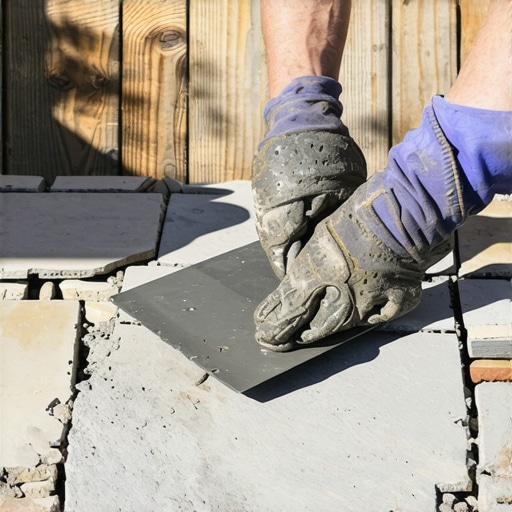
The Forensic Autopsy of a Wobbly Flagstone Step To fix loose flagstone steps permanently, you must diagnose the bond failure caused by thermal expansion, moisture ingress, or an improper mortar-to-aggregate ratio. Most failures occur because the installer treated natural stone like a ceramic tile, ignoring the specific hydrostatic pressure and freeze-thaw cycles that pull masonry … Read more

How to build a stable walkway on a steep hill

How to build a stable walkway on a steep hill

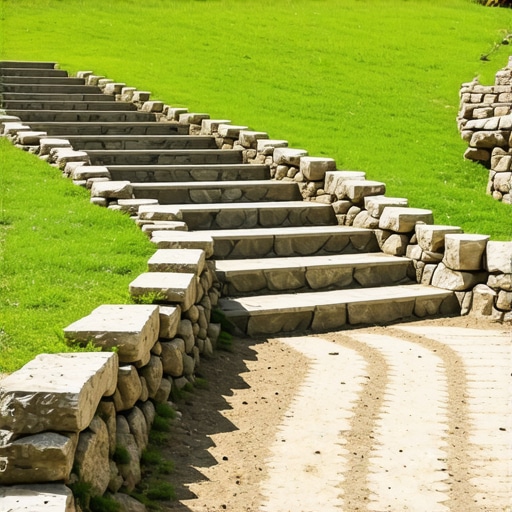
The Physics of Hillside Hardscaping and Why Most DIY Paths Fail Building a stable walkway on a steep hill requires more than just laying stone; it is an exercise in civil engineering and soil stabilization that must account for gravity and water velocity. To succeed, you must manage hydrostatic pressure and soil friction through deep … Read more

How to Build a 2026 Timber Retaining Wall [DIY]

Understanding the Engineering Behind a Timber Wall Building a timber retaining wall requires managing hydrostatic pressure through proper drainage and using UC4B-rated pressure-treated lumber to ensure structural integrity for 20+ years. Most DIY failures occur because the builder treats the wall as a fence rather than a gravity-based soil retention system that must withstand lateral … Read more

Building a 2026 Natural Stone Retaining Wall [No Mortar]

The Physics of Dry-Stacked Stone Walls A natural stone retaining wall built without mortar relies on gravity, friction, and hydrostatic pressure management to maintain structural integrity over decades. Unlike rigid concrete, dry-stacked stone flexes with freeze-thaw cycles, preventing the cracking common in mortared structures while providing superior drainage through open joints. I recently got called … Read more