
The Anatomy of a Pump Failure: Why Your Intake Is Choking
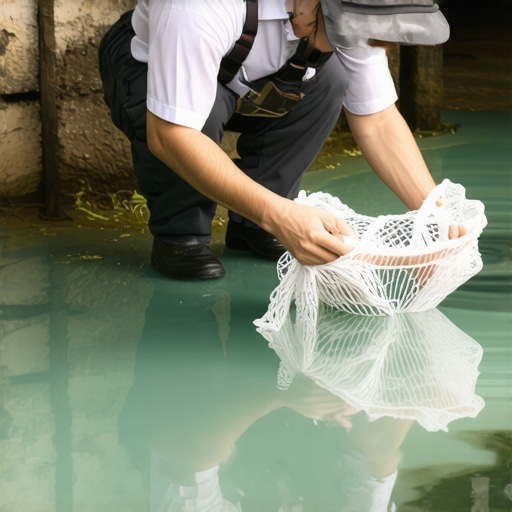
To fix a clogged pond pump, you must install a mesh pre-filter bag around the intake housing to intercept organic debris and suspended solids before they enter the impeller chamber. This technical barrier prevents motor burnout caused by cavitation and thermal overload in high-flow water features or irrigation systems.
I recently got called out to tear up a $30,000 patio and pond system that was literally stagnant because the previous contractor buried a high-volume submersible pump in a pit of loose river rock without a vault or a pre-filter. Within six months, the organic load from the surrounding sod install and yard cleanup debris had turned into a thick, anaerobic sludge. The pump was screaming, the motor housing was hot enough to fry an egg, and the water flow was down to a trickle. This wasn’t a pump failure: it was an engineering failure. If you don’t protect the volute, you are essentially asking a precision machine to digest a compost pile. It will fail every single time. Most homeowners and ‘mow-and-blow’ crews think you just throw a pump in the water and walk away. That is how you turn a professional landscape into an expensive mosquito breeding ground.
“A submersible pump does not fail because of age; it fails because the net positive suction head is compromised by biological occlusion or mechanical obstruction.” – Hardscape Engineering Axiom
How do I know if my pond pump is clogged?
Recognizing the symptoms of pump occlusion is the first step in hydraulic remediation. You will notice a significant drop in Gallons Per Hour (GPH) at the waterfall weir, a distinct grinding sound from the impeller, or the pump’s thermal switch tripping repeatedly. These are not suggestions. They are warnings. If the pump is pulling amperage but not moving water, the internal friction loss will eventually melt the stator. You need to pull that unit out and perform a forensic cleaning before you even think about the mesh bag. The goal is to restore the Total Dynamic Head (TDH) capacity of the motor by clearing the intake screen and checking the ceramic shaft for pitting or wear from abrasive silt.
| Mesh Material | Micron Rating | Debris Target | Durability Level |
|---|---|---|---|
| Nylon Monofilament | 200-400 | Fine silt and algae | Medium (UV sensitive) |
| High-Density Polyethylene | 500-800 | Leaf litter and mulch | High (Chemical resistant) |
| Polyester Felt | 100-200 | Micro-particles | Low (Clogs rapidly) |
The Physics of Pre-Filtration: Selecting the Right Mesh
Choosing the correct mesh micron rating is critical for balancing filtration efficiency with hydraulic flow to prevent pump cavitation and ensure long-term motor cooling. If the mesh is too fine, it will clog in twenty-four hours: if it is too coarse, it will let impeller-shredding pebbles through. I typically recommend an 800-micron HDPE mesh bag for most pond environments. This size is large enough to allow beneficial bacteria and microscopic biology to pass through while stopping the fibrous roots and decomposing organic matter that cause the majority of clogged pump issues. This is especially vital during a yard cleanup when debris levels spike. You are creating a sacrificial barrier that is easy to clean, protecting the core of your irrigation and water feature system.
“Effective pond filtration requires a multi-stage approach where mechanical pre-filtration precedes biological processing to prevent anaerobic dead zones in the filter media.” – Penn State Agricultural Extension
What size mesh bag is best for pond pumps?
For most residential pond pumps ranging from 1000 to 5000 GPH, a mesh bag measuring 12 inches by 18 inches with a pore size of 1/16th of an inch is the industry standard. This provides enough surface area to ensure that even if 30 percent of the bag is covered in algae, the pump can still pull sufficient water to keep the motor cool. Never use a standard laundry bag. The nylon used in household bags is not UV-stabilized and will degrade into microplastics within one season, potentially tangling the impeller and voiding your warranty. Use industrial pond mesh specifically designed for submerged applications. This is about civil engineering on a small scale: managing fluid dynamics through a permeable membrane.
- Step 1: Disconnect the power supply and pull the pump from the vault or pond floor.
- Step 2: Scrub the intake screen with a stiff brush to remove existing biofilm.
- Step 3: Slide the pump into the mesh bag, ensuring the discharge pipe and power cord exit the drawstring opening.
- Step 4: Secure the drawstring tightly with a UV-rated cable tie to prevent the bag from being sucked into the intake.
- Step 5: Re-submerge the pump, ensuring it is elevated on a submerged plinth or brick to keep it off the silt layer.
Maintenance Protocols for High-Performance Water Features
The mesh bag is not a ‘set and forget’ solution: it is a maintenance tool that requires periodic inspection to prevent flow restriction and ensure the nitrogen cycle remains balanced. During peak growth seasons or after a sod install, your pond pump is under extreme stress from nutrient runoff. This increases algal blooms which will coat your mesh bag in a slippery biofilm. I tell my crew that if they aren’t checking the bag every two weeks, they aren’t doing landscaping: they are just waiting for a failure. You need to pull the bag, blast it with a high-pressure hose, and re-install it. This simple five-minute task can extend the life of a $500 pump by five to ten years. Don’t skip the yard cleanup around the pond edge either. Leaves that fall into the water today become the sludge that chokes your pump tomorrow. Physical removal of organic mass is the only way to maintain hydraulic equilibrium.