
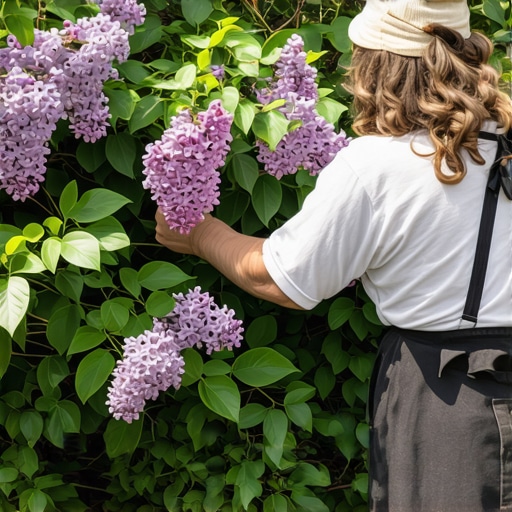
You look at an overgrown lilac and see a mess; I see a hydraulic system that is clogged. After two decades in the dirt, I have seen thousands of Syringa vulgaris specimens that have been reduced to leggy, woody skeletons because a homeowner or a mow-and-blow hack did not understand the biology of a shrub. An overgrown lilac is a plant in structural decline, where the vascular efficiency of the old wood can no longer support the energetic demands of flower production. If your bush is fifteen feet tall and only blooming at the very top, you do not have a plant; you have a tall weed. To fix it, we have to perform a forensic autopsy on its growth patterns and execute a multi-year remediation plan.
The Anatomy of a Failed Shrub: Why Your Lilacs Stopped Blooming
Reviving overgrown lilacs requires renewal pruning, a three-year process focusing on the removal of mature canes to stimulate juvenile growth. By eliminating one-third of the oldest wood annually, you reset the plant’s apical dominance and improve airflow, reducing the risk of powdery mildew and fungal pathogens like Microsphaera alni. I always drill into my new crew members: if you do not fix the soil grading and the plant structure first, every plant you put in the ground is just expensive compost. Most people think they can just shear the top of a lilac like a hedge. That is a death sentence for blooms. Lilacs bloom on old wood, meaning the buds for next year are set shortly after this year’s flowers fade. If you cut the tops off in winter, you are literally throwing next spring’s flowers into the woodchipper. We see this all the time during spring yard cleanup calls where the previous contractor scalped the shrubs to make them look neat.
“Renewal pruning involves removing the oldest one-third of the shrub’s stems to the ground each year to stimulate new growth from the base of the plant.” – Penn State Extension
How do you fix a leggy lilac bush?
To fix a leggy lilac, you must identify the primary canes that are over two inches in diameter and have cracking, gray bark. These stems are the bottlenecks in your plant’s circulatory system. Using a sharp pruning saw, you must cut these canes down to within two inches of the ground. This drastic measure forces the plant to redirect its nitrogen and phosphorus reserves into dormant buds at the root flare, producing vigorous new shoots that will bloom in two to three years. Do not leave stubs. A stub is an invitation for borers and rot. You need a clean, angled cut that sheds water.
| Tool Type | Target Diameter | Mechanical Function |
|---|---|---|
| Bypass Pruners | Up to 0.5 inch | Clean shearing of green wood and suckers |
| Loppers | 0.5 to 1.5 inches | Leverage for medium-thickness structural canes |
| Pruning Saw | 1.5 to 4.0 inches | Aggressive removal of old, woody trunks |
When is the best time to prune lilacs for more flowers?
The optimal window for lilac pruning is immediately after the flowers fade in late spring. This timing allows the plant to spend the entire summer growing new vegetative wood that will develop flower buds for the following season. If you wait until late summer or autumn, you risk stimulating soft growth that will get killed off by the first hard freeze. In my experience, timing is everything in landscaping. If you miss the window, you are better off waiting until next year than hacking away in July and leaving the plant vulnerable to drought stress and pests.
The Three-Year Renewal Protocol
Do not try to fix ten years of neglect in one afternoon. If you cut a lilac to the ground all at once, you might kill it, or at the very least, you will have a bare spot in your yard for three years. We use the 1/3 rule. In year one, identify the oldest, most diseased-looking trunks. Take them out. This opens up the center of the bush to sunlight. Sunlight is the fuel for bud development. Without light hitting the interior of the plant, you will never get blooms at eye level. In year two, you remove the next third of the old wood. By then, the shoots from year one should be a few feet tall. In year three, you remove the remaining original wood. This creates a staggered age demographic within the plant, ensuring consistent blooming while keeping the height manageable.
“Pruning should always maintain the natural shape of the shrub; heading cuts that remove just the tips of branches result in a ‘witches broom’ of weak growth.” – International Society of Arboriculture (ISA)
While you are working on the structure, do not ignore the soil. Lilacs are heavy feeders but they hate wet feet. If your irrigation system is spraying the foliage every night, you are begging for powdery mildew. Adjust your irrigation heads to hit the soil, not the leaves. We often see poor sod install projects where the grass is grown right up to the trunk of the lilac. This is a mistake. Grass is a nitrogen thief. It will out-compete the lilac for nutrients every time. We pull back the sod and install a three-inch layer of organic mulch, keeping it away from the root flare to prevent bark rot. Check your soil pH. Lilacs prefer a neutral to slightly alkaline soil (pH 6.5 to 7.0). If you are in an area with acidic soil, a little pelletized lime can do wonders for bloom density.
- Sterilize tools with 70% isopropyl alcohol between plants to prevent disease spread.
- Remove any ‘suckers’ growing from the rootstock if the lilac is a grafted variety.
- Thin out the center to allow a bird to fly through it; that is the gold standard for airflow.
- Deadhead spent flowers to prevent the plant from wasting energy on seed production.
- Monitor for lilac borer holes in the remaining old wood.
The final step is the most overlooked: the cleanup. During a yard cleanup, we ensure all pruned material is hauled away. If you leave diseased lilac wood sitting near the plant, the fungal spores will just reinfect the new growth next spring. It is a cycle of failure that many DIYers fall into. My crew knows that the job is not done until the site is clean and the soil is top-dressed. Landscaping is about the long game. You are not just cutting branches; you are managing a biological asset that should outlive you if treated with respect.