
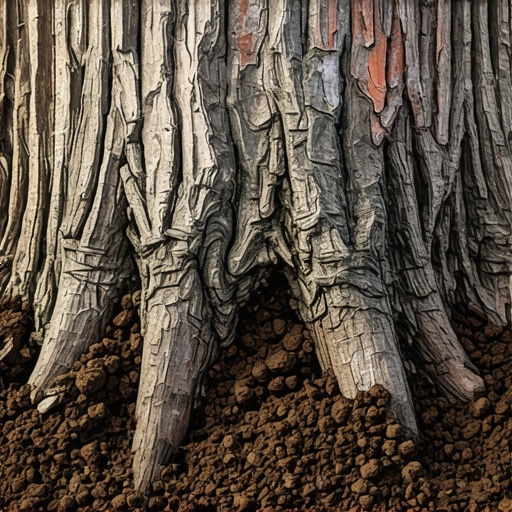
The smell of a dying tree is unmistakable. It is a sour, fermented odor that signals the anaerobic breakdown of living tissue. When you walk up to a mature oak or a newly planted maple and see a mound of wood chips piled six inches high against the trunk, you are looking at a ticking time bomb. This practice, known as a mulch volcano, is the primary reason for premature tree failure in residential landscaping. It is not an aesthetic choice; it is a structural and biological error that leads to phloem rot, girdling roots, and eventual death. As a professional, I have spent decades excavating these mess-ups and trying to save specimens that homeowners paid thousands of dollars to install during a sod install or a general yard cleanup. If the root flare is not visible, the tree is essentially being suffocated by the very material meant to protect it.
The Visual Autopsy of a Suffocating Root System
Mulch volcanoes cause tree death by trapping moisture against the bark, which triggers phloem rot and prevents necessary gas exchange at the root collar. This leads to girdling roots that wrap around the trunk, eventually strangling the tree vascular system and cutting off the flow of nutrients and water between the canopy and the roots. I always drill into my new crew members: if you don’t fix the soil grading first, every plant you put in the ground is just expensive compost. This is the lesson I give every apprentice when we find a specimen with its bark peeling off in wet, mushy strips at the base. You can see the damage clearly when you pull back the mulch: the bark underneath is often soft, discolored, and crawling with opportunistic insects like wood-boring beetles or carpenter ants. These pests are not the primary cause of the problem; they are merely the cleanup crew for the mess created by the person who piled that mulch. In 2026, we need to move past this hack technique. When bark remains constantly saturated, the lenticels, small pores that allow for gas exchange, become clogged. The tree cannot breathe. This triggers a localized fermentation process. The resulting acetic acid and ethanol literally cook the inner bark. It is a slow, agonizing death for the organism. We often see this paired with irrigation systems that are misaligned, spraying directly onto the mulch mound and keeping the rot cycle in a perpetual state of moisture. If your landscaping contractor tells you that the mulch needs to be piled up to protect the tree from the cold, fire them. They do not understand basic plant physiology.
“A tree’s root flare is the most critical junction of its vascular system, requiring constant oxygen access to prevent tissue necrosis.” – Arboricultural Standards Manual
Why Mulch Volcanoes Are a Landscaping Death Sentence
The root flare, also known as the root collar or trunk flare, is the area where the trunk expands as it transitions into the root system, and it must remain exposed to the air to ensure oxygen exchange and prevent fungal infection. When this area is buried, the tree often attempts to grow adventitious roots into the mulch. These roots are a desperate survival mechanism, but they are structurally useless. Because they are growing in a loose, artificial medium rather than mineral soil, they frequently circle the trunk. As the tree grows in diameter, these circling roots begin to press against the main stem. This is called girdling. Think of it like a slow-motion tourniquet. It cuts off the downward flow of photosynthates from the leaves to the roots. The roots then begin to starve and die. Once the root system begins to fail, the canopy follows. You will see dieback at the tips of the branches first. By the time the homeowner notices the top of the tree looks thin, the damage at the base is often irreparable. This is why a proper yard cleanup involves more than just leaf blowing; it requires a forensic look at how mulch has been applied over the years. Over-mulching is the hallmark of a contractor who wants to hide poor soil work or save time on weeding. It is a shortcut that costs the client thousands in the long run.
| Mulch Type | Porosity Level | Water Retention | Risk of Volcano Rot |
|---|---|---|---|
| Shredded Hardwood | Medium | High | High |
| Pine Straw | High | Low | Low |
| Wood Chips (Arborist) | High | Medium | Moderate |
| Cedar Bark | Low | Very High | Extreme |
How much mulch do I actually need for a healthy tree?
For most residential applications, a layer of mulch should be exactly 2 to 3 inches deep and must never touch the trunk of the tree. This depth is sufficient to suppress weed growth and retain soil moisture without creating an anaerobic environment. If you go deeper, you risk soil compaction and nitrogen immobilization, where the bacteria breaking down the wood chips steal nitrogen from the soil that the tree needs for growth. You should create a donut shape, not a volcano. The hole in the middle of the donut is where the tree trunk sits, completely clear of debris. This allows the bark to stay dry. Dry bark is resistant to fungi; wet bark is a petri dish. During a sod install, many crews will pile the excess soil and sod edges against the tree flare as a way to level the yard. This is just as deadly as mulch. The root flare needs to be at the grade level of the surrounding soil, not buried under a decorative mound.
Can I save a tree that has been buried for years?
Saving a buried tree is possible through a process called root collar excavation, which involves carefully removing the excess mulch and soil using hand tools or a pneumatic air spade to expose the trunk flare without damaging the bark. If you find girdling roots during this process, they must be surgically pruned using sterilized bypass loppers. It is a delicate operation. If you cut too many roots, you destabilize the tree. If you cut too few, the strangulation continues. This is why hiring a certified arborist is better than letting a generic landscaping crew handle a distressed tree. After the excavation, the area should be left open for a few weeks to allow the bark to dry and harden off before a very thin layer of compost or light mulch is applied, making sure to keep the flare clear this time.
“Moisture trapped against the bark for extended periods induces phloem failure and provides an entry point for fungal pathogens.” – USDA Forest Service Technical Bulletin
Step-By-Step Remediation Checklist
- Inspect the base of every tree: If it looks like a telephone pole sticking straight out of the ground, the flare is buried.
- Remove mulch by hand: Use a hand trowel to pull back the material until you see the flare. Do not use a shovel, as you will nick the bark.
- Check for soft spots: If the bark is mushy or falls off, the rot has already started.
- Prune circling roots: Any root that is crossing the trunk must be removed carefully.
- Adjust irrigation: Ensure no sprinkler heads are hitting the trunk directly.
- Educate your crew: Make sure anyone doing yard cleanup knows the donut rule.
The engineering of a yard depends on drainage. When you build a volcano, you are creating a localized drainage failure. The water sits in the mulch, creates hydrostatic pressure against the bark, and prevents the soil beneath from ever drying out. This creates a playground for Phytophthora and Armillaria, two of the most aggressive root-rotting fungi in the industry. It will rot. There is no way around the biology. Even the most expensive sod install or high-end landscaping design is a failure if the primary canopy trees are dead within five years. We must stop the cycle of bad habits. In my firm, we treat mulch as a tool, not a blanket. Use it sparingly, keep it away from the trunk, and let the tree breathe. Your property value and the health of our urban forest depend on this one simple change in maintenance protocol.