
Why an Alumawood Patio Cover Beats a Traditional Wood Pergola (and Saves You Thousands)
There is an undeniable allure to the classic wooden pergola. The scent of fresh cedar, the rustic grain of Douglas fir, and the architectural elegance of heavy timber have defined American backyards for decades. However, as an experienced outdoor contractor, I’ve seen the “honeymoon phase” of natural wood structures end abruptly after just a few seasons. Homeowners often find themselves trapped in a cycle of sanding, staining, and repairing, watching their beautiful investment succumb to the elements. My name is Nicolas Smith Decker, and after years in the field, I’ve transitioned my focus toward solutions that offer beauty without the burden. In this guide, I’ll explain why an Alumawood structure is the superior choice for the modern homeowner, offering the timeless look of wood with the indestructible nature of aluminum.
The Evolution of the Patio Roof: From Cedar to Alumawood
For a long time, if you wanted a patio roof, your options were limited. You either chose natural wood, which required constant vigilance, or you chose cheap-looking corrugated metal that made your backyard feel like an industrial warehouse. The evolution of outdoor living changed significantly with the introduction of Alumawood. But what exactly is it?
Alumawood is high-quality, structural aluminum that has been embossed with a realistic cedar-grain texture. It is then finished with a sophisticated multi-stage coating process. Unlike a traditional patio and pergola set built from lumber, Alumawood is engineered to mimic the aesthetic of wood while eliminating its biological weaknesses. When we look at traditional cedar or Douglas fir, we are looking at organic material. Wood is porous; it breathes, it absorbs moisture, and it eventually decays. Even the highest-grade lumber will eventually experience “checking” – those long cracks that run along the grain as the wood dries and shrinks.
One of the most significant advantages of Alumawood is that it does not absorb water. In regions with heavy rainfall or high humidity, wood structures act like sponges. This leads to swelling, warping, and the eventual failure of fasteners. Because Alumawood is inorganic, it remains dimensionally stable regardless of the weather. It won’t crack, it won’t peel, and it certainly won’t rot. This evolution in material science allows us to build structures that look just as grand as timber but remain pristine for decades.
Durability Face-Off: Why Aluminum Wins the Long Game
When planning a patio renovation, durability should be your primary concern. A patio cover is a structural addition to your home, and it needs to withstand wind, snow, and sun. Traditional wood pergolas are highly susceptible to “weathering.” UV rays break down the lignin in wood cells, causing that familiar silver-gray color and making the surface brittle. To prevent this, you must apply chemical sealants every two to three years.
In contrast, Alumawood is designed with a “set it and forget it” philosophy. It utilizes a Teflon-surface protector that repels dust, dirt, and oil. But the real “long game” winner is safety. We live in an era where environmental factors are becoming more extreme. In many regions, fire safety is a top priority for homeowners. Wood acts as fuel for fire; it is a combustible material that can accelerate a house fire if the pergola is attached to the home. Alumawood, however, is non-combustible. It will not ignite, providing a literal firebreak between your yard and your home. This level of safety is often a deciding factor for my clients, and in some cases, it can even lead to lower home insurance premiums because you are reducing the combustible load on your property.
Furthermore, wood is the primary target for termites and carpenter bees. These pests can hollow out a 6×6 cedar post before you even notice the damage. Since aluminum offers no nutritional value to insects, your structure remains structurally sound without the need for toxic pesticide treatments. When you invest in patio construction using Alumawood, you are investing in a lifetime of structural integrity.
Maintenance Realities: Sanding vs. Spraying
Let’s talk about your weekends. A traditional wood pergola demands a rigorous maintenance schedule. Every 24 to 36 months, you’ll need to clear the furniture, power-wash the wood (carefully, so as not to gouge it), sand down the rough spots, and apply a fresh coat of stain or sealant. This process is back-breaking, expensive, and time-consuming. If you neglect it just once, the rot can take hold, and by then, it’s often too late for a simple fix.
With an Alumawood patio cover, your maintenance routine consists of a garden hose and perhaps a mild soap once or twice a year to remove dust or pollen. The factory-applied finish is baked on, meaning it won’t flake or bubble like paint on wood. This ease of maintenance allows you to focus on the aesthetics of your yard rather than the chores. For instance, while you aren’t busy sanding your patio cover, you might finally have time to address other backyard eyesores, such as learning how to hide ugly AC units with breathable lattice designs to create a truly cohesive outdoor oasis.
I often tell my clients that the “cost” of a wood pergola isn’t just the check you write to the patio contractors on day one. It’s the thousands of dollars in stain, brushes, and professional labor you’ll pay over the next twenty years. Alumawood eliminates those recurring costs entirely. If you’ve already dealt with outdoor maintenance headaches – like figuring out why polymeric sand is failing in your paver joints – you know that low-maintenance solutions are worth their weight in gold.
Cost Analysis: Upfront Investment vs. Lifetime Value
One of the biggest myths in the home improvement industry is that aluminum is significantly more expensive than wood. While it’s true that Alumawood has a higher upfront cost than cheap pressure-treated pine, it is often a fraction of the cost of high-end hardwoods like Ipe. When you look at the Trex decking installation cost, you see a similar trend: homeowners are increasingly willing to pay a bit more upfront for composite and metal materials because the ROI (Return on Investment) is so much higher.
Consider the “Total Cost of Ownership.” A standard wood pergola might cost $6,000 to install but will require $1,000 in maintenance every three years. Over 15 years, that’s an additional $5,000. An Alumawood structure might cost $8,000 to install but costs $0 in maintenance over that same period. By year six, the Alumawood cover has already paid for itself. Additionally, because Alumawood doesn’t rot or look “dated” due to weathering, it adds more consistent resale value to your home. Appraisers recognize the longevity of aluminum structures compared to aging wood that may be flagged during a home inspection for dry rot.
When you hire a deck and patio contractor, ask them for a 10-year cost projection. Most honest builders will tell you that wood is a luxury material that requires a luxury maintenance budget. For the average family looking to maximize their budget, Alumawood is the clear financial winner.
Aesthetics and Customization: Can You Tell the Difference?
The most common objection I hear from homeowners is: “But I want the look of real wood.” I understand that. Ten years ago, aluminum patio covers looked like mobile home carports. But the technology has changed. Today’s Alumawood features deep-embossed wood textures and “Aluma-Shield” finishes that diffuse light just like natural timber. From “Spanish Brown” to “Adobe” and “Mojave Tan,” the color palettes are designed to complement modern home exteriors perfectly.
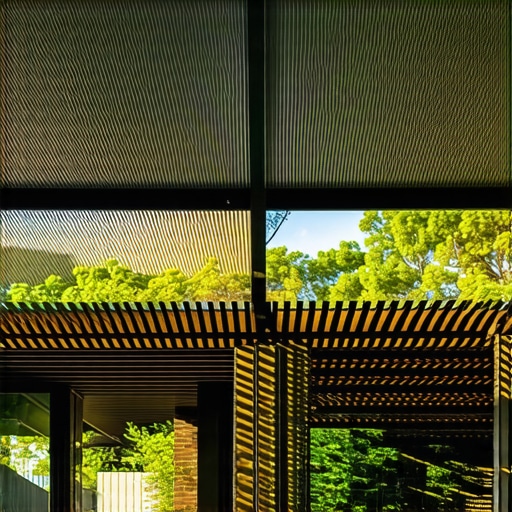
You also have incredible flexibility in design. You can choose a classic “lattice” style, which provides the dappled shade of a traditional pergola, or a solid enclosed patio roof that provides 100% protection from rain and snow. Many homeowners even opt for a combination of both. You can add recessed LED lighting, ceiling fans, and even outdoor speakers directly into the Alumawood beams – something that is much more difficult and dangerous to do with wood due to wiring concealment and fire risks.
Whether you want a sleek, modern look with straight lines or a more ornate “Corbel” end-cut that mimics Mediterranean architecture, Alumawood can be customized to fit your vision. It doesn’t look “fake”; it looks “finished.” And unlike wood, which might have knots, sap pockets, or uneven grain, every piece of Alumawood is manufactured to perfection. While you are designing your layout, don’t forget the ground-level details; avoiding 3 mistakes homeowners make when planning a new flower bed can ensure your new patio cover is surrounded by a landscape that matches its beauty.
Professional Installation vs. DIY
With the rise of big-box store kits, many homeowners are tempted to try a DIY installation. However, when it comes to a patio cover, professional installation is vital. Alumawood is a specialized system that requires specific engineering knowledge. Professional deck and patio builders understand local building codes, snow load requirements, and wind uplift ratings.
A deck and patio contractor will ensure that the ledger board is properly flashed to your house to prevent leaks – a common failure point in DIY projects. Furthermore, Alumawood products typically come with a limited lifetime warranty, but that warranty is often only valid if the product is installed by a certified professional. If you’ve spent time stopping weeds from growing between bricks permanently, you know that doing a job right the first time saves you an incredible amount of work later. The same applies to your patio structure. Hiring pros ensures that your investment is safe, legal, and built to last a lifetime.
Conclusion: Making the Right Choice for Your Backyard
Choosing between a traditional wood pergola and an Alumawood patio cover comes down to how you want to spend your time and money. If you enjoy the labor of wood maintenance and have the budget for frequent refinishing, natural timber is a beautiful choice. However, for the vast majority of homeowners, Alumawood offers a superior alternative. It provides the same aesthetic appeal but adds fire safety, termite resistance, and a lifetime of durability without the rot.
By choosing Alumawood, you are choosing a product that is environmentally friendly, cost-effective in the long run, and virtually maintenance-free. You won’t have to worry about the structural integrity of your cover after a decade of sun and rain. Instead, you can simply sit back, relax, and enjoy the shade. If you’re ready to transform your outdoor living space with a high-quality patio cover, I highly recommend reaching out to a professional patio and pergola specialist. Your future self – the one not standing on a ladder with a paintbrush in three years – will thank you.