
The Lethal Mistake of Pond Winterization
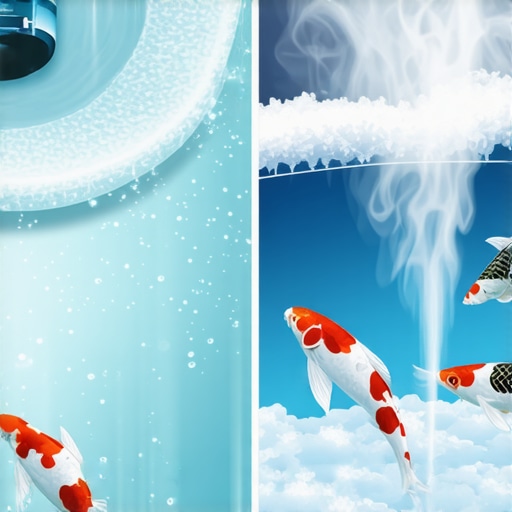
To winterize a 2026 koi pond successfully, you must differentiate between heating the water volume and maintaining gas exchange using a floating de-icer. For most backyard systems, a pond de-icer is the standard requirement, as it prevents total ice coverage, allowing toxic carbon dioxide to escape and oxygen to enter the water column.
I recently got called out to tear up a $30,000 patio and pond combo that was a total loss because the previous contractor failed to understand hydrostatic pressure and gas exchange. The homeowner had spent a fortune on high-end landscaping, including a complex irrigation system and a recent sod install, but the pond was an afterthought. When the first hard freeze hit, the pond froze solid. The fish didn’t die from the cold; they suffocated in their own waste. The concrete collar around the pond, lacking proper drainage, shifted 3 inches because of the expanding ice, cracking the liner and dumping 2,000 gallons of water into the sub-base of the patio. It was a disaster that could have been avoided with a $150 piece of equipment and 10 minutes of technical foresight.
The Science of Cold-Water Gas Exchange
Oxygen saturation in cold water is higher than in warm water, but that doesn’t matter if the surface is sealed. As organic matter—leaves from a neglected yard cleanup or dying algae—decomposes at the bottom of your pond, it releases hydrogen sulfide and carbon dioxide. In a liquid state, these gasses escape at the surface. When ice forms a lid, these gasses reach lethal concentrations quickly.
“The primary cause of winter fish kill in small ornamental ponds is not the absolute temperature of the water, but the accumulation of toxic gasses under a continuous ice sheet.” – Aquatic Systems Engineering Manual
Do not smash the ice with a sledgehammer. The shockwaves travel through the water and can rupture the swim bladders of your koi. Use a heater or de-icer to melt a hole. It is safer. It is more effective. It is the only way to protect your investment.
How many watts does a pond de-icer use?
Most standard pond de-icers operate between 100 and 1500 watts, depending on the surface area they are designed to clear and the ambient air temperature. A 1250-watt cast aluminum de-icer is the industry standard for zones experiencing sustained temperatures below 20 degrees Fahrenheit. If you are worried about the electric bill, use a thermostatically controlled unit that only kicks on when the water temperature drops below 35 degrees. You are not heating the pond to 70 degrees; you are keeping a 12-inch circle of water from turning into a solid block of ice. It is about biology, not comfort.
Can I leave my pond pump running in winter?
You can, but you must move it. In the summer, your pump sits at the bottom to circulate the entire water column. In the winter, this is a death sentence for koi. Ponds undergo thermal stratification where the densest, warmest water (39.2 degrees Fahrenheit) sinks to the bottom. This is where the fish hibernate in a state of torpor. If your pump stays at the bottom, it mixes that warm layer with the freezing surface air, super-cooling the entire pond and killing the fish. Lift the pump to within 12 inches of the surface or switch to a dedicated aeration stone. Stop the circulation at the bottom. Leave the fish their 39-degree blanket.
Heater vs. De-Icer: Material and Mechanical Breakdown
A pond heater is designed to raise the actual temperature of the water, often used by hobbyists who want to keep their koi active and feeding throughout the winter. This is a massive energy drain. A de-icer, conversely, is a localized heating element. It is a tactical tool. Most fail because homeowners buy cheap plastic units from big-box stores that lack the thermal mass to handle a real northern freeze. Look for units with stainless steel or cast aluminum housings. They dissipate heat more efficiently and won’t melt through their own casing if the water level drops.
| Feature | Pond De-Icer | Pond Heater (Inline) |
|---|---|---|
| Primary Purpose | Gas exchange / Venting | Maintaining water temp for growth |
| Wattage Range | 100W – 1500W | 1.5kW – 6kW+ |
| Installation Difficulty | Low (Plug and Play) | High (Requires plumbing) |
| Operational Cost | Low (Thermostatic) | High (Continuous) |
| Recommended Zone | USDA Zones 4-7 | Professional/High-end setups |
Winterization Checklist for Professional Landscaping
Winterizing a pond is part of a broader landscape management protocol. If you are doing a yard cleanup or blowing out your irrigation lines, the pond must be on the list. Neglecting it while focusing on a sod install or lawn care is a rookie mistake.
- Clear the Organic Load: Use a pond net to remove 90% of the sludge and fallen leaves before the first freeze. Less muck equals less gas.
- Trim Aquatic Plants: Cut back lilies and marginals to 2 inches above the water line to prevent rot.
- Position the Aerator: Place air stones 12 inches below the surface to break surface tension without disturbing the warm bottom layer.
- Inspect the De-Icer: Clean the heating element with white vinegar to remove calcium scale, which can cause the unit to overheat and fail.
- Stop Feeding: Once water temps hit 50 degrees, stop feeding. The fish cannot digest protein in cold water; it will rot in their gut.
The Impact of Poor Drainage on Pond Structures
In my 20 years of hardscaping, I have seen more ponds fail from the outside in than the inside out. When you perform a sod install near a pond, the grading must slope away from the water feature. If your yard cleanup doesn’t involve clearing the perimeter drains, the winter freeze-thaw cycle will push groundwater under your liner. This causes ‘floating liner’ syndrome, where the pond floor literally bubbles up. It can snap PVC pipes and destroy your filtration system in a single night. Pressure is a silent killer. You must manage it. Every retaining wall we build near a water feature includes a minimum of 12 inches of 57-stone backfill and a 4-inch perforated drain pipe. No exceptions.
“A retaining wall doesn’t fail because of the stone; it fails because of the water trapped behind it.” – Hardscape Engineering Axiom
The same logic applies to your pond’s edge. If your landscaping doesn’t account for the expansion of frozen soil, your pond’s structural integrity is on a countdown. 2026 is going to be a harsh year for those who skip the engineering details. Do the work now. Protect the biology. Respect the physics of the freeze.