
The Core Decision: Submersion vs. Dry Storage for Pond Pumps
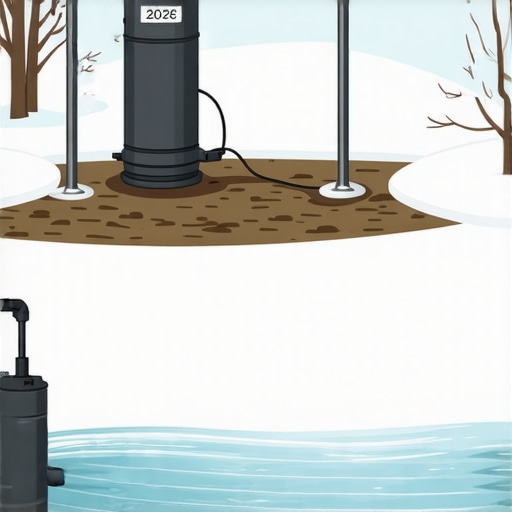
Winterizing 2026 pond pumps requires choosing between submersion in a frost-free zone or complete dry storage after a thorough mechanical cleaning. Submersion prevents O-ring desiccation, while dry storage protects the pump from freeze-expansion cycles and electrical surge damage during winter storms.
I always drill into my new crew members: if you do not understand the physics of water expansion, every piece of equipment you install is just a ticking time bomb. Last season, I watched an apprentice pull a $1,200 direct-drive pump out of a client’s koi pond in late December. He left it on the stone coping while he went to grab a wrench. Ten minutes. That is all it took for the residual water inside the volute to freeze, expand by 9%, and hairline-crack the ceramic shaft. That was an expensive lesson in hydrostatic pressure. When we talk about landscaping and pond maintenance, we are not just moving water; we are managing phase changes in matter. If you treat your irrigation systems or pond components with anything less than mechanical reverence, you will be replacing them every three years instead of every twelve. It is a waste of your money and my time.
The Mechanical Autopsy: Why Pumps Fail in Winter
Pond pumps fail in the winter for three specific reasons: ice expansion, seal degradation, and calcium carbonization. When water turns to ice, it exerts thousands of pounds of pressure per square inch. If that water is trapped inside your pump’s impeller housing, the plastic or cast-iron casing will fail. There is no middle ground here. Beyond the physical crack, we have the issue of the ‘winter stagnant.’ Water sitting in a pump housing all winter creates a concentrated anaerobic environment. This corrodes the stator and ruins the magnetic coupling. You might think your yard cleanup is done once the leaves are bagged, but if the pump is still sitting in muck, the job is half-finished. Your sod install might look great next to the pond, but a burst pump will leak oil and kill those expensive grass roots faster than a heatwave.
“A retaining wall doesn’t fail because of the stone; it fails because of the water trapped behind it. Similarly, a pump doesn’t fail because of the cold; it fails because of the expansion of internal fluids.” – Hardscape Engineering Axiom
How much modified gravel do I need for a pond pump vault?
For a standard 2000 GPH pump vault, you need a 6-inch base of #57 modified gravel to ensure proper drainage and prevent the vault from heaving during freeze-thaw cycles. This prevents the pump from shifting into a position where it might suck air or cavitate. Cavitation is the enemy of any water-moving system, whether it is irrigation or a decorative waterfall.
The Submersion Method: Keeping the Seals Supple
The submersion method is the professional’s choice for magnetic drive (mag-drive) pumps. These units rely on water to lubricate the impeller. If you pull a mag-drive out and let it sit in a dry garage, the internal O-rings can shrink or become brittle. To do this correctly, you must submerge the pump in a bucket of distilled water and store it in a temperature-controlled environment, like a basement or a heated garage. It must stay above 40 degrees Fahrenheit. This prevents the calcium in the water from hardening on the shaft. When spring comes, you just drop it back in. It is that simple. Don’t skip the cleaning phase, though. If you submerge a dirty pump, you are just pickling the grime into the motor housing.
Is dry storage better for direct-drive pumps?
Yes, direct-drive pumps should be dry-stored after being completely drained and lubricated with a food-grade silicone spray. Unlike mag-drives, direct-drive units often have mechanical seals that can be damaged by long-term submersion in stagnant, mineral-heavy water during the off-season. Cleaning the impeller is non-negotiable. Use a 50/50 mix of white vinegar and water to dissolve any scale buildup. This scale acts like sandpaper on the bushings once the pump starts spinning at 3,600 RPM again in the spring.
| Feature | Submersion Method | Dry Storage Method |
|---|---|---|
| Best Pump Type | Magnetic Drive (Mag-Drive) | Direct Drive / External |
| Storage Temp | 40°F – 55°F | 32°F – 70°F (Must be dry) |
| Required Prep | Distilled water bucket | Full drainage & Lubrication |
| Risk Factor | Stagnant water corrosion | Seal desiccation |
“Mechanical equipment exposed to thermal cycling requires specific winterization protocols to maintain structural integrity of the impeller assembly.” – Penn State Agricultural Extension
The 10-Step Winterization Checklist
- Disconnect the power at the GFCI outlet and the breaker.
- Remove the pump from the pond vault or skimmer.
- Power-wash the exterior to remove algae and biofilm.
- Open the volute (the impeller cover) to inspect the propeller.
- Remove any string algae or debris wrapped around the shaft.
- Soak the assembly in a descaling solution for 30 minutes.
- Rinse with fresh water and dry with a microfiber cloth.
- Inspect the power cord for cracks or copper exposure.
- Apply silicone grease to any rubber O-rings.
- Store in a labeled, heavy-duty plastic bin.
The Biological Impact of Winter Pump Placement
If you choose to leave your pump in the pond (not recommended for 2026 standards), it must be placed at the deepest point, below the frost line. However, this creates a biological hazard. In the winter, a pond develops a ‘thermocline.’ The warmest water—about 39.2 degrees Fahrenheit—settles at the bottom because it is the densest. If you run a pump at the bottom, you mix that warm water with the freezing surface water. You will literally super-cool your fish and kill them. This is why we pull pumps. We want the fish to stay in that 39-degree pocket. If you are worried about surface gas exchange, use a small 10-watt de-icer or a dedicated aeration stone. Do not use your main irrigation or pond pump to keep a hole in the ice. It is an inefficient use of energy and a risk to your aquatic life.
The Spring Awakening: Reinstallation Rules
When March rolls around, don’t just plug the pump in. Check the resistance of the motor with a multimeter if you have one. If the impeller doesn’t spin freely with a flick of your finger, you have mineral deposits. Forcing a stuck motor to start will blow the internal thermal fuse. Once that fuse blows, the pump is garbage. There is no repairing a sealed motor block. This is the same logic we use for sod install prep: you don’t just throw grass on dirt; you prep the base. You don’t just throw a pump in the water; you prep the motor. Your yard cleanup should include a full inspection of the pond’s plumbing lines for any ice blockages before the pump is reconnected. If the pump tries to push water against an ice plug, the back-pressure will rupture the hose or burn out the seals.
How do I know if my pump survived the winter?
Perform a ‘bucket test’ in the garage before installing the pump in the pond. Submerge the pump in a 5-gallon bucket and run it for 5 minutes. Listen for grinding or high-pitched squealing, which indicates bearing failure. Check the water for any oil sheen, which means a seal has failed. It is better to find out in the garage than in the middle of a muddy pond. Professional landscaping is about mitigating risks before they become expensive emergencies.