
The Green Scourge: Why Vinyl Fencing Becomes an Algae Magnet
Algae and mildew thrive on vinyl fencing when excessive moisture, shade, and organic debris create a hospitable microfilm on the PVC surface. While vinyl is non-porous, environmental pollutants and wind-blown soil provide the nutrient base required for Gloeocapsa magma and other organisms to colonize the panels, particularly in high-humidity microclimates. Avoid the temptation to use high-pressure water; the real solution lies in chemical breakdown and manual agitation.
The Chemical Nightmare: When DIY Fence Cleaning Goes Wrong
A homeowner recently called me out for a total yard cleanup and sod install after they completely torched their front lawn while attempting to clean 200 linear feet of vinyl fencing. They had used a high-concentration industrial bleach solution without pre-wetting the surrounding turf or considering the irrigation runoff. Within 48 hours, the three-foot strip of grass bordering the fence was a chemical-yellow wasteland. The salts in the bleach had desiccated the root zones of their turf, effectively sterilizing the top two inches of soil. This is the cost of ignoring basic horticultural chemistry. We had to excavate the salt-contaminated soil, haul in fresh sandy loam, and lay new Kentucky Bluegrass sod just because they didn’t want to use a bucket and a brush. If you do not manage your runoff, you are just trading one eyesore for a much more expensive one. Use a professional-grade surfactant and keep a garden hose running on your plants at all times during the process. It is non-negotiable.
“Algae growth on structural surfaces is often a symptom of poor site drainage or improper irrigation aiming. Redirecting sprinkler heads to avoid fence contact can reduce biomass accumulation by up to 70%.” – Agricultural Extension Maintenance Manual
The Science of the Scrub: Tools and Materials Comparison
To clean a fence properly without damaging the UV-inhibitor coating of the PVC, you must understand the materials at your disposal. The goal is to break the ionic bond between the algae and the vinyl. Below is a breakdown of the most effective agents for professional landscaping maintenance.
| Cleaning Agent | Concentration | Impact on Soil pH | Effectiveness |
|---|---|---|---|
| Sodium Hypochlorite (Bleach) | 1 part to 10 parts water | Highly Alkaline (Bad for plants) | Instant kill, high risk |
| Oxygen Bleach (Sodium Percarbonate) | 2 cups per gallon | Neutral/Low Impact | Slower, safe for wood/grass |
| White Vinegar (Acetic Acid) | 30% Industrial strength | Acidic (Kills weeds) | Natural, but requires heavy scrubbing |
| TSP (Trisodium Phosphate) | 1/2 cup per gallon | Phosphate heavy | Heavy duty, removes grease/oil |
How to stop algae from returning to a fence?
To prevent the re-emergence of algae, you must address the three pillars of growth: moisture, shade, and nutrients. Ensure your irrigation heads are not hitting the fence panels, as the repeated wet-dry cycles leave mineral deposits that algae love. Prune back overhanging branches to allow at least 4 hours of direct sunlight on the fence line, and keep a clean 4-inch gap between your mulch or sod install and the bottom of the fence to facilitate airflow. Use a leaf blower to clear grass clippings after mowing, as rotting nitrogen-rich grass is a primary food source for fungal spores.
The Forensic Protocol: Step-by-Step Restoration
First, identify the growth type. If it is bright green and powdery, it is likely algae. If it is black and speckled, you are looking at mold or mildew. If it is orange or rust-colored, check your irrigation water for high iron content. It matters. Don’t skip the inspection phase.
- Hydrate the Perimeter: Soak the soil and grass within 5 feet of the fence with plain water to saturate plant cells and prevent them from absorbing cleaning runoff.
- The Gentle Mist: Apply your chosen solution using a low-pressure pump sprayer. Let it dwell for exactly 8 minutes. Do not let it dry.
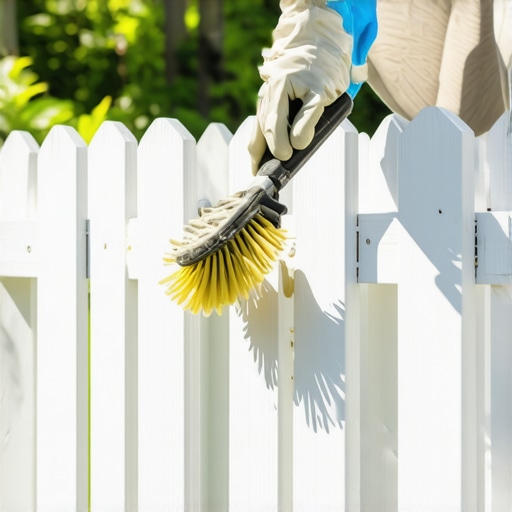
- Mechanical Agitation: Use a medium-stiff nylon brush on a telescoping pole. Scrub in a circular motion, starting from the bottom and working up to avoid streaking.
- The High-Volume Rinse: Use a standard garden hose with a high-flow nozzle. High pressure (PSI) will shatter the vinyl; high volume (GPM) is what actually removes the debris.
“Structural PVC is susceptible to ‘chalking’ when abrasive chemicals strip the titanium dioxide stabilizers from the surface layer. Always use the mildest effective surfactant to preserve structural integrity.” – ICPI Maintenance Guidelines
Will vinegar damage vinyl fencing?
Vinegar is generally safe for vinyl fencing, but it can be less effective than professional surfactants on heavy infestations. Because it is an acid, it can alter the soil chemistry if you are doing a large-scale yard cleanup. Use it for small spot-treatments, but for 50+ feet of fence, stick to oxygen-based cleaners that won’t require you to re-seed your lawn next month. Don’t be cheap with your labor; the scrub is what does the work, not the spray.
Maintenance Schedules and Environmental Reality
If you live in a region with high humidity and heavy tree canopy, you should plan for a light scrub every 18 months. Don’t wait for the fence to turn black. At that point, the fungal hyphae have likely begun to find microscopic pits in the vinyl. A quick annual rinse with a mild detergent is easier than a massive three-day remediation project. Watch your drainage. If water pools at the base of your fence, your landscaping is failing you. Grade the soil away from the fence line at a minimum 2% slope to ensure the area stays dry. Dry fences don’t grow slime. It is as simple as that. Stop looking for a magic spray and start looking at your irrigation timer. Check your spray patterns. If your fence is wet at 4 AM every morning, you’re just farming algae. Fix the water, and the fence will take care of itself.