
The Visual and Sensory Autopsy of Sod Failure
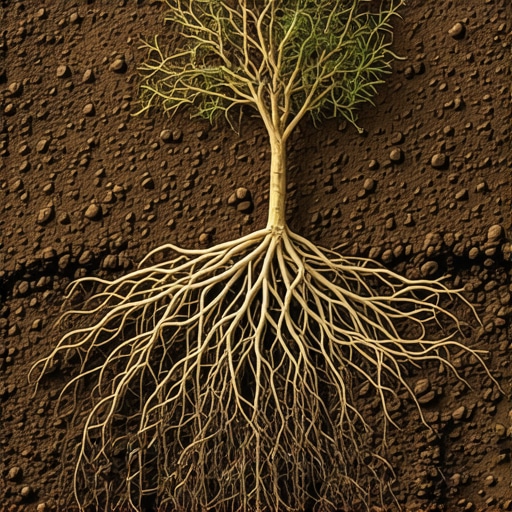
You step out onto what should be a premium sod install and your boot sinks. It does not sink into soft, healthy earth. It sinks into a grey, foul smelling slime that reeks of sulfur and stagnant ponds. This is the smell of anaerobic decay. When you peel back a corner of that $10,000 turf, the roots are not white and filamentous. They are brown, slimy, and break away with the slightest tension. Your lawn is not thirsty. It is drowning. Root rot in 2026 is becoming a systemic crisis because homeowners and amateur contractors treat soil like a static rug rather than a living, breathing biological filter. It will rot. Every single time. Without oxygen, the biology shifts from beneficial fungi to predatory water molds. You are essentially running a slow motion compost pile in your front yard.
The Science of Soil Compaction and Anaerobic Pathogens
Core aeration mitigates 2026 sod root rot by physically removing soil plugs to decrease bulk density and increase gas exchange within the rhizosphere. By fracturing the soil matrix, you allow oxygen to penetrate the root zone, which halts the proliferation of anaerobic pathogens like Pythium and Rhizoctonia while promoting aerobic microbial breakdown of organic matter. It is physics. You cannot argue with pore space. When bulk density exceeds 1.6 grams per cubic centimeter, roots stop moving. They hit a wall. They sit in water. They die.
“A retaining wall doesn’t fail because of the stone; it fails because of the water trapped behind it.” – Hardscape Engineering Axiom
I recently got called out to a job where the homeowner had torched their entire front yard by dumping high nitrogen fertilizer on top of waterlogged, compacted sod. They thought they had a nutrient deficiency. In reality, they had a drainage nightmare. The salts in the fertilizer combined with the lack of oxygen to create a toxic chemical burn that sterilized the soil. We had to excavate four inches of dead organic matter just to reach soil that could support life again. This is what happens when you follow big box store advice instead of listening to the dirt. You cannot fertilize your way out of a compaction problem. It is like trying to feed a person who is currently underwater. They don’t need a sandwich. They need a snorkel.
How do I know if my sod has root rot?
Sod root rot manifests as localized yellowing, a distinct swampy odor, and turf that can be easily lifted from the soil like a loose carpet. Look for slimy brown roots instead of firm white ones and check for excessive thatch accumulation that remains saturated 24 hours after an irrigation cycle. If you see mushrooms or a white, cottony mycelium in the morning, the fungal load is already critical. The soil will feel spongy. The grass will look dull. It is a slow death. Don’t wait for the brown spots to merge.
The Horticultural Zoom: Bulk Density and Gas Diffusion
Soil is supposed to be 50 percent solid and 50 percent pore space. In a failed sod install, that pore space is often crushed down to 20 percent or less. When you lay new sod over heavy clay without prep, you create a perched water table. The water moves through the sandy nursery soil of the sod and hits the clay like it is hitting a sheet of plywood. It sits there. It stagnates. This is where the root rot starts. You need to understand the diffusion of oxygen. Oxygen moves 10,000 times slower through water than through air. If your soil pores are full of water, your roots are suffocating. It is that simple. Core aeration creates artificial macropores. It breaks the surface tension. It allows the soil to breathe. You need 3 to 4 inch plugs. Anything less is just poking holes in the mud.
| Aeration Method | Depth of Penetration | Soil Fracture Level | Long Term Benefit |
|---|---|---|---|
| Core Aeration | 3 to 4 Inches | High | Permanent structure improvement |
| Spike Aeration | 1 to 2 Inches | Low | Temporary; increases sidewall compaction |
| Liquid “Aeration” | Surface | None | Supplemental microbial boost only |
| Deep Tine | 6 to 10 Inches | Extreme | Required for severe compaction layers |
Can aeration save a dying lawn?
Aeration can stabilize a dying lawn by reversing the anaerobic conditions that fuel root rot, provided at least thirty percent of the root system is still viable. By introducing atmospheric oxygen and reducing hydrostatic pressure, aeration encourages new adventitious root growth and allows the soil to properly cycle nitrogen. You must combine this with a strict irrigation reduction. Stop the water. Start the air. This is the only way to save the investment.
The 2026 Sod Health Checklist
- Verify soil pH is between 6.2 and 7.0 before any sod install.
- Perform a percolation test to ensure 1 inch of water drains within 4 hours.
- Schedule core aeration twice per year in high traffic clay areas.
- Inspect irrigation heads for leaking seals that cause localized flooding.
- Use a soil probe to check moisture depth; never water just the surface.
- Remove all yard cleanup debris and leaf litter that traps moisture on the crown.
“Adequate soil oxygen levels are critical for root respiration; when soil pores are filled with water for extended periods, roots effectively suffocate.” – Agronomy Extension Standards
If you are hiring a crew for a yard cleanup and they aren’t talking about soil density, fire them. A clean yard with compacted soil is just a pretty graveyard. You need to look at the irrigation schedule too. Most people water for 20 minutes every day. That is the quickest way to kill a lawn. You need deep, infrequent cycles. One inch of water, once or twice a week. You want those roots to dive deep to find moisture. If you keep the surface wet, the roots stay shallow. Shallow roots in a hot summer mean a dead lawn. It is a cycle of failure. Break it with a core aerator. Hardscape engineering rules apply here too. Drainage is king. Without it, your landscape is a liability. Focus on the soil physics. The green will follow. Ignore the physics, and you will be buying new sod in 2027.