How to Install a Drip System for Your Raised Garden Beds

How to Install a Drip System for Your Raised Garden Beds
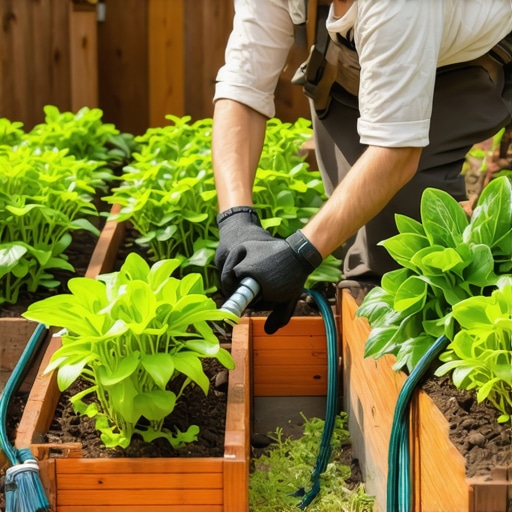
Why Precision Irrigation Trumps Every Other Garden Upgrade A drip irrigation system for raised beds delivers precise hydration directly to the root zone, minimizing evaporation and preventing foliar diseases by using low-pressure emitters, poly-tubing, and pressure regulators to maintain a consistent PSI across the entire planting area. This is not just about convenience; it is … Read more
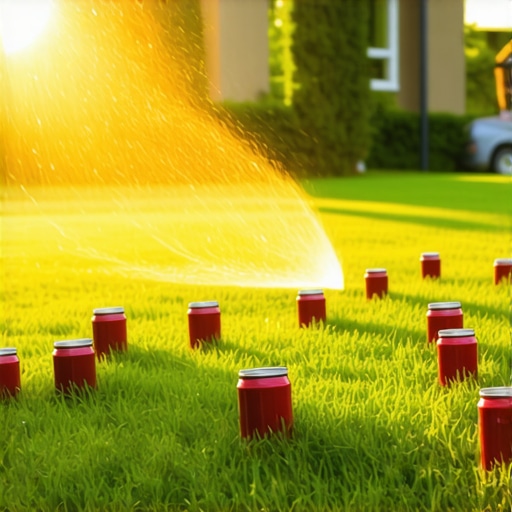
How to Check Your Sprinkler Coverage Using Tuna Cans

How to Check Your Sprinkler Coverage Using Tuna Cans

Checking your sprinkler coverage with the tuna can test involves placing flat-sided containers across your lawn to measure the depth of water delivered by your irrigation system over a specific timeframe. This landscaping diagnostic tool identifies distribution uniformity issues, allowing you to prevent turf stress and water waste caused by uneven sprinkler head performance. The … Read more

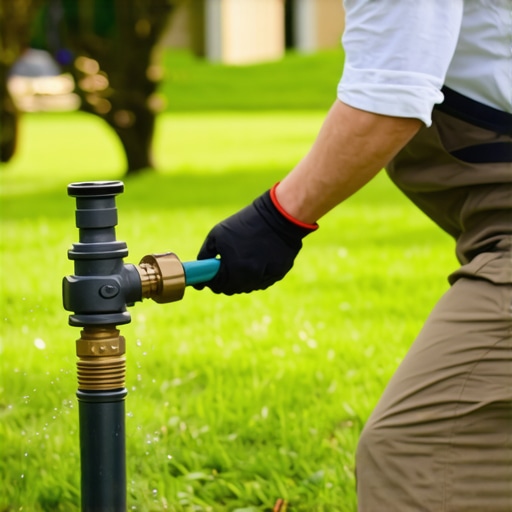
Fixing a Stuck Sprinkler Head That Won’t Pop Up

Fixing a Stuck Sprinkler Head That Won't Pop Up

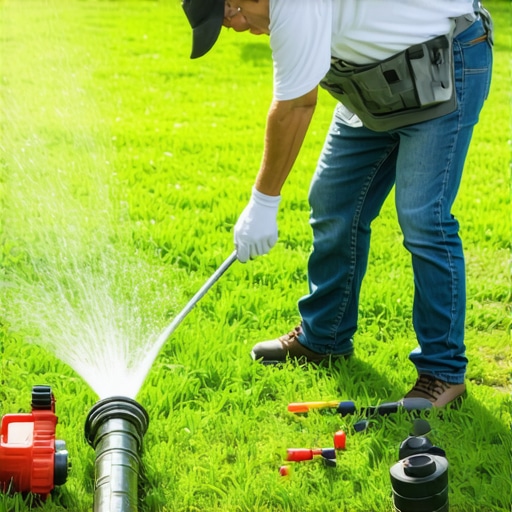
The Anatomy of a Failed Pop-Up: A Forensic Analysis A sprinkler head that stays stuck in the ground is often the result of compacted soil debris, a cracked riser seal, or insufficient dynamic water pressure. Effective repair requires flushing the lateral line and inspecting the internal spring tension to ensure the riser clears the turf … Read more

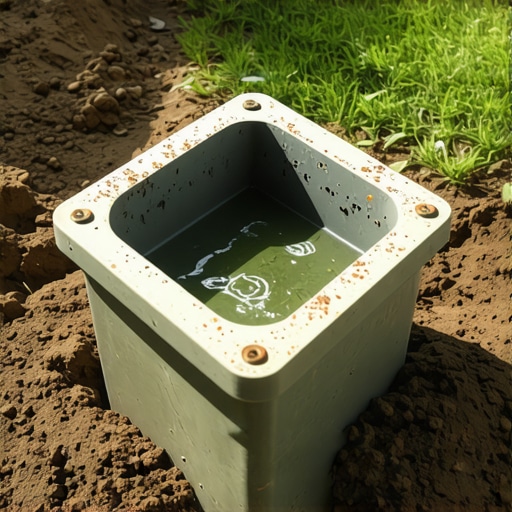
How to Fix a Leaky Sprinkler Zone That Stays On

How to Fix a Leaky Sprinkler Zone That Stays On

Diagnosing Irrigation Failures: Why Your Sprinkler Zone Refuses to Shut Off To fix a leaky sprinkler zone that stays on, you must identify if the failure is electrical or mechanical by disconnecting the zone wire at the controller: if the water continues flowing, the issue is a failing diaphragm, trapped debris, or solenoid fatigue within … Read more

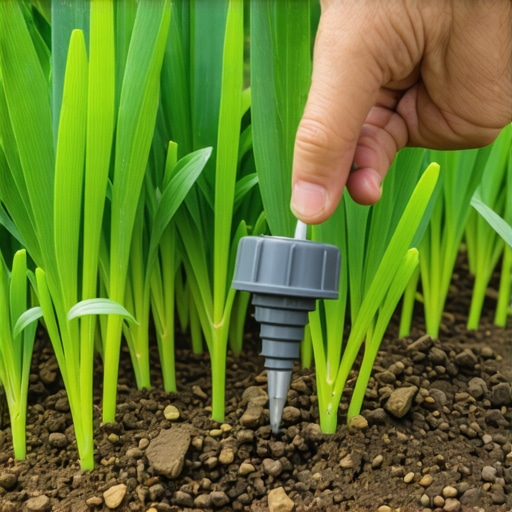
Replacing 2026 Drip Emitters with High-Flow Heads

Replacing 2026 Drip Emitters with High-Flow Heads

The Failure of the Micro-Drip Promise Replacing 2026 drip emitters with high-flow heads ensures that larger plant materials and high-demand root zones receive adequate volumetric water flow that standard 0.5 or 1.0 GPH emitters cannot provide during peak evapotranspiration periods. This conversion addresses hydraulic bottlenecks in lateral lines and prevents emitter clogging caused by mineral … Read more