
Stop 2026 Weed Growth with Cardboard Sheet Mulching: A Professional Guide to Soil Reclamation
Success in any high-end landscape project is decided eight inches below the surface before the first plant is ever delivered. If you are tired of fighting a losing battle against invasive species and dormant seeds, you have to stop thinking like a gardener and start thinking like a soil engineer. Sheet mulching is not a trend; it is a biological reset button for your property.
The Planning Phase: Why 80 Percent of Landscaping Success Happens Before Planting
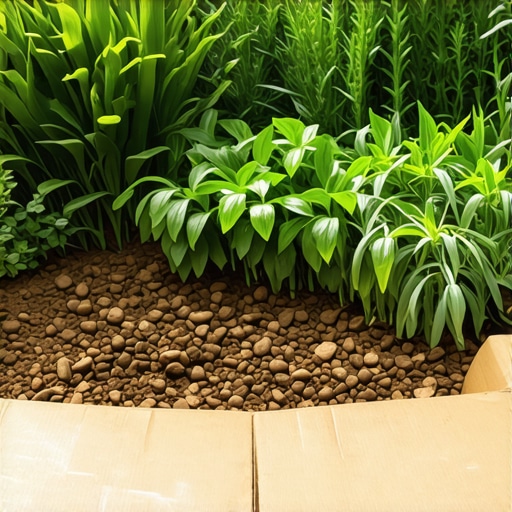
To stop 2026 weed growth, professional cardboard sheet mulching functions as a biodegradable light-occlusion barrier that terminates weed seed banks. By suppressing photoblastic germination and fostering mycorrhizal colonization, this method out-performs synthetic barriers in landscape maintenance and soil health restoration. [image_placeholder_1]
I always drill into my new crew members: if you don’t fix the soil grading first, every plant you put in the ground is just expensive compost. I remember a job back in 2014 where a kid named Dave thought he could skip the site prep on a heavy clay slope. He threw down some high-priced nursery stock and a thin layer of dyed mulch. Three months later, the entire yard was a swamp of yellow nutsedge and the root flares of the maples were suffocating under two inches of standing water. We had to rip the entire thing out. I made him hand-dig the drainage swale himself. You learn fast when your back is screaming. Landscaping is about managing water and light. If you fail at the grading and the barrier layer, you are just throwing money into a hole in the dirt. You have to respect the physics of the site.
The Mechanics of Sheet Mulching: Carbon, Nitrogen, and Lignin
Cardboard sheet mulching works by creating an anoxic environment for existing weeds while facilitating a high-carbon decomposition cycle that feeds earthworm populations. This process utilizes cellulose-based barriers to block the 5 percent of light spectrum required for weed seed germination. It is a slow-motion chemical reaction.
“Sheet mulching, often referred to as lasagna composting, is a non-chemical method of weed control that improves soil structure by increasing organic matter and fostering a robust microbial community.” – Penn State Extension
The science is simple but unforgiving. When you till the soil, you are effectively aiding the enemy. Tilling brings thousands of dormant seeds from the lower soil horizons up to the surface where they hit the light and explode into growth. Cardboard prevents this. We use corrugated cardboard because the air pockets provide a thermal buffer. This cardboard eventually breaks down into simple sugars, but not before it smothers the competition. We are looking for a 30:1 carbon-to-nitrogen ratio. If you use too much high-carbon material without a nitrogen source, you get nitrogen drawdown, where the soil bacteria steal nitrogen from your plants to break down the cardboard. This is why we layer. It is a calculated biological strike.
Yard Cleanup and Invasive Species Removal
Effective yard cleanup requires the complete removal of rhizomatous weeds and perennial taproots before the sheet mulching layers are applied to ensure long-term suppression. You cannot just cover up a problem and expect it to go away. It will rot if you do it wrong.
| Feature | Cardboard Sheet Mulching | Professional Landscape Fabric |
|---|---|---|
| Gas Exchange | High Oxygen Diffusion | Low / Becomes Clogged |
| Weed Suppression | Permanent Biological Suppression | Temporary Mechanical Suppression |
| Soil Biology | Increases Earthworm Activity | Stagnates Microbial Growth |
| Cost | Zero to Low Material Cost | High Cost per Square Foot |
Stop buying that plastic landscape fabric. It is a scam sold by big-box stores. Within two years, dust and organic matter settle on top of the fabric, and weeds grow their roots right through it. When you try to pull them, you rip the fabric, and now you have a plastic-contaminated mess. Cardboard is different. It becomes the soil. Before we lay the first sheet, we perform a radical yard cleanup. We scalp the existing vegetation to the soil line. If there is English Ivy or Blackberry, we dig out the root balls. We don’t use chemicals; we use leverage and steel. Then we check the grade. If the yard doesn’t slope at least 2 percent away from the foundation, the cardboard will just hold water against your sill plate. That is how you get termites and rot. Don’t skip the transit level.
How much cardboard do I need for a weed barrier?
For professional-grade suppression, you need a minimum of two layers of non-glossy corrugated cardboard with a 12-inch overlap at all seams. This prevents weed breakthrough at the joints where light can penetrate. Single layers are insufficient for aggressive species like Bermuda grass or Thistle.
Is sheet mulching better than sod install for weed control?
A sod install provides an immediate green aesthetic but often fails to address underlying soil compaction, whereas sheet mulching remediates the soil profile over twelve months. Sod is a finished product; sheet mulching is a soil manufacturing process that creates a superior planting bed.
The Implementation Guide: A Professional Checklist
The installation process for weed suppression must follow a strict sequence of site preparation and material layering to ensure the nitrogen cycle remains balanced. Follow these steps exactly. Don’t deviate.
- Call 811 to mark all utility lines before any grading or digging occurs.
- Mow the target area at the lowest possible setting to minimize vertical biomass.
- Flag all irrigation heads and drip line valves to prevent burial.
- Remove all plastic tape, staples, and glossy coatings from the cardboard.
- Apply a thin layer of high-nitrogen compost or blood meal over the scalped grass.
- Lay cardboard with a massive 12-inch overlap. Think like a roofer.
- Saturate the cardboard with water until it is pliable and conforms to the soil contours.
- Apply 4 to 6 inches of arborist wood chips or triple-shredded hardwood mulch.
“Soil organic matter is the foundation of all terrestrial life; increasing it by just 1 percent can increase the soil’s water-holding capacity by 20,000 gallons per acre.” – Texas A&M Agrilife Research
Irrigation Integration and Hydro-Zoning
Proper irrigation design within a sheet mulched system requires sub-surface drip lines located directly beneath the cardboard layer to minimize evaporative loss and prevent weed seed hydration in the mulch layer. If you put the water on top of the mulch, you are just watering the weeds that blow in from the neighbor’s yard.
We use pressure-compensating emitters. This ensures that every plant gets the exact same amount of water regardless of the elevation change on the property. In heavy clay soils, we run shorter cycles more frequently to prevent the water from sheeting off the surface. This is called the cycle-and-soak method. When the cardboard is wet, it acts as a wick, pulling the moisture deep into the soil profile via capillary action. This forces the roots of your new plantings to chase the water down, creating a drought-tolerant landscape. If you water shallow, your roots stay shallow. Shallow roots die in July. It is a biological certainty.
Year One Expectations: The Settling-In Period
During the first twelve months of soil reclamation, the cardboard barrier will undergo enzymatic hydrolysis, resulting in a friable soil structure rich in humus and beneficial fungi. You will see mushrooms. This is good. It means the fungi are eating the lignin in the wood chips and cardboard.
Don’t panic when you see the mulch level drop. That is the sound of your soil getting richer. By 2026, the cardboard will be gone, replaced by a dark, nutrient-dense layer of topsoil that you couldn’t buy in a bag if you tried. You have built a biological fortress. The weeds that blow in will find it hard to take root in the dry mulch, and those that do will be easy to pluck because the soil underneath is so loose. This is how you win. You stop fighting nature and start directing it. It takes patience. It takes sweat. But it works. Use your head, use your hands, and get the dirt under your nails. That is the only way to do it right.