
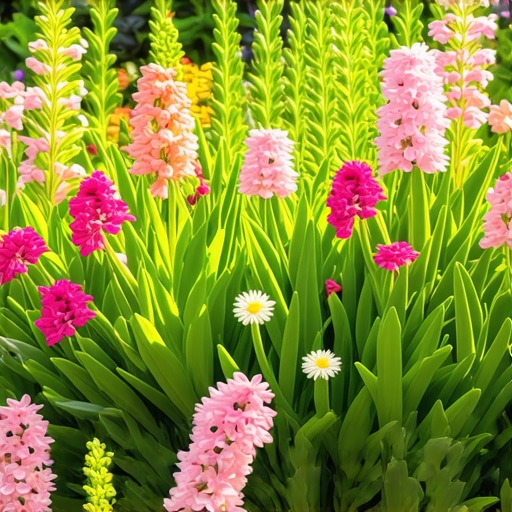
Mastering the Sequence: How to Mix Perennials for Blooming Colors All Summer Long
I always drill into my new crew members: if you don’t fix the soil grading first, every plant you put in the ground is just expensive compost. Most homeowners see a landscaping project as a shopping trip to a nursery, but for those of us who have spent decades behind a skid steer, it is a structural engineering problem. I remember a job in ’08 where a client had spent $12,000 on high-end perennials only for them to drown within three weeks because the original contractor ignored a 2% slope towards the foundation. We had to rip everything out, regrade the entire lot with six inches of sandy loam, and start over. It was a hard lesson for the homeowner: biology fails where physics is ignored.
The Foundation of Sequential Blooms
Mixing perennials for all-summer color requires strategic bloom sequencing, utilizing USDA hardiness zones, and implementing staggered flowering windows to ensure that as one species fades, another reaches its peak intensity. This process relies on a deep understanding of soil pH, photoperiodism, and nutrient availability within the root zone to sustain metabolic activity from May through September.
The secret to a garden that doesn’t go dark in July is the math of the bloom window. Most perennials only flower for 2 to 4 weeks. If you plant ten species that all peak in June, you are left with a green graveyard by August. You need a mix of early-season, mid-season, and late-season performers. This isn’t just about aesthetics; it is about the biology of the plant. Early bloomers like Baptisia are burning energy stored in their root systems from the previous year, while late-season powerhouses like Sedum ‘Autumn Joy’ are building up sugars all summer to fuel their late-stage show. Don’t skip the site prep. If your soil is compacted, the roots cannot breathe. I demand a minimum of 80% compaction for hardscape bases, but for planting beds, you want the exact opposite: 50% pore space for air and water movement.
“A retaining wall doesn’t fail because of the stone; it fails because of the water trapped behind it.” – Hardscape Engineering Axiom
How much mulch do I need for new perennials?
For a standard perennial bed, you need exactly 2 to 3 inches of double-ground hardwood mulch to regulate soil temperature and suppress weed germination. Applying more than 3 inches can cause oxygen deprivation in the root zone, leading to root rot and the development of adventitious roots in the mulch layer rather than the soil. Never pile mulch against the root flare of a plant. It will rot.
Phased Flowering: Selecting Early, Mid, and Late Summer Species
To achieve a continuous color palette, you must categorize your plant selection by their flowering onset and duration while matching their cultural requirements to the specific microclimate of your yard. High-performing perennials such as Salvia, Echinacea, and Rudbeckia must be positioned based on their mature height and spread to prevent overcrowding and foliar fungal diseases.
| Plant Species | Bloom Start | Bloom End | Sun Requirement | Soil Type |
|---|---|---|---|---|
| Baptisia australis | Late Spring | Early Summer | Full Sun | Well-drained/Deep |
| Salvia ‘May Night’ | Late Spring | Mid Summer | Full Sun | Loamy |
| Echinacea purpurea | Mid Summer | Late Summer | Full Sun | Tolerant/Dry |
| Nepeta ‘Walker’s Low’ | Early Summer | Early Fall | Full Sun/Part Shade | Well-drained |
| Sedum ‘Autumn Joy’ | Late Summer | Late Fall | Full Sun | Sandy/Rocky |
We often see people buy what looks good at the store today. That is a mistake. A professional landscaping plan accounts for the “empty spaces” that will be filled in later. For instance, Nepeta (Catmint) is a workhorse. If you cut it back by half after the first flush of flowers—a technique we call the Chelsea Chop—it will push a second round of color that lasts into September. This is horticultural management, not just maintenance. You are manipulating the plant’s hormonal response to extend its reproductive phase.
Soil Physics and Hydration: Keeping the Bloom Engine Running
The health of a perennial bed is dictated by the Cation Exchange Capacity (CEC) of the soil, which determines how well the ground holds onto essential nutrients like nitrogen, phosphorus, and potassium. Without proper irrigation and organic matter, the metabolic demand of flowering will exhaust the plant, leading to chlorosis and premature dormancy.
“Soil testing is the only way to determine the actual nutrient needs of a landscape; guessing leads to nitrogen runoff and environmental degradation.” – Penn State Extension Agronomy Manual
When should I install irrigation for my flower beds?
You should install drip irrigation systems during the landscaping rough-in phase, before any sod install or planting occurs. Sub-surface emitters deliver water directly to the root zone, reducing evaporation loss by 60% compared to overhead sprays and preventing powdery mildew on the foliage of susceptible perennials like Phlox.
- Step 1: Conduct a soil test to determine pH and nutrient deficiencies.
- Step 2: Rough grade the area to ensure a 2% slope away from structures.
- Step 3: Amend the soil with 3 inches of composted organic matter.
- Step 4: Install 1/2-inch drip irrigation lines with 12-inch emitter spacing.
- Step 5: Plant perennials at the correct depth, ensuring the root flare is visible.
- Step 6: Apply 2 inches of mulch, keeping it away from the plant stems.
- Step 7: Perform a deep yard cleanup to remove any debris that could harbor pests.
Irrigation is not a “set it and forget it” system. In heavy clay soils, you can’t run a drip line every day or you will create an anaerobic bog. You need deep, infrequent watering. This forces the roots to dive deep into the soil profile to find moisture. Shallow watering creates weak plants. Weak plants die when the August heat hits 95 degrees. If you are doing a sod install at the same time as your perennial beds, ensure the zones are separate. Grass needs different timing than flowers. Don’t mix them. It’s a recipe for failure.
Managing the Bloom Cycle: Maintenance and Deadheading
The transition from mid-summer to late-summer color often requires mechanical intervention through deadheading and supplemental fertilization. By removing spent flower heads, you prevent the plant from putting energy into seed production, redirecting those carbohydrates back into the root system or a second flush of axillary blooms.
Yard cleanup isn’t just about raking leaves in November. It is an ongoing process of removing diseased foliage and spent stalks. If you leave dead material sitting in the middle of a dense perennial grouping, you are inviting botrytis and spider mites. Airflow is your best friend. I tell my guys to prune for the wind. If air can’t move through the canopy of the plant, the plant will eventually rot from the inside out. Use a high-quality, slow-release fertilizer with a lower nitrogen number and higher phosphorus number (like a 5-10-5) for established beds to encourage flowers rather than just leggy green growth.