
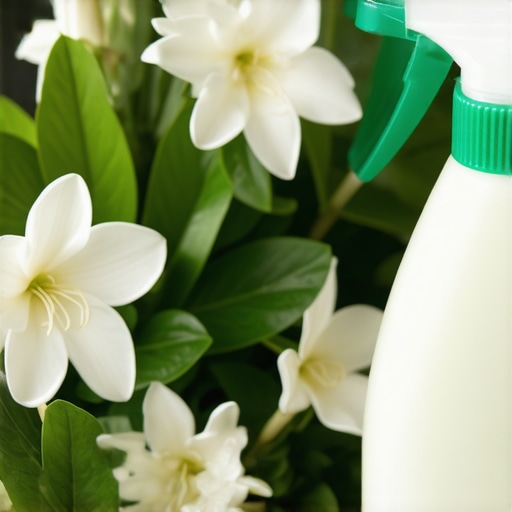
The first sign of trouble is rarely the bug itself. It is the residue. You walk out to your Gardenia jasminoides and notice a sticky, glistening sheen on the upper surfaces of the leaves. This is honeydew, the sugary waste product of the Aphis gossypii, or melon aphid. Within days, this stickiness turns into a thick, black carpet of sooty mold fungus. This is not just a cosmetic issue; it is a physiological crisis for the plant. The mold blocks photosynthesis, the plant starves, and the aphids continue to drain the life out of the vascular tissue. This is the visual autopsy of a gardenia in decline, and it usually starts with a failure in fundamental landscaping practices.
How to Stop Aphids on Gardenias
To effectively stop aphids on gardenias, apply a 1% neem oil solution every 7 to 10 days during the early morning hours. This organic treatment uses Azadirachtin to disrupt the insect growth cycle and physically suffocates adult colonies while preventing the development of sooty mold on leaf surfaces.
I always drill into my new crew members: if you don’t fix the soil grading and the environment first, every plant you put in the ground is just expensive compost. I remember a job three years ago where a client had spent thousands on a massive yard cleanup and sod install, but they let the irrigation run for 45 minutes every single night. The gardenias were drowning in anaerobic soil, their root flares were buried three inches deep, and they were absolutely covered in aphids. No amount of chemical spray will save a plant that is being strangled by its own environment. You have to look at the soil chemistry and the moisture levels before you even reach for the sprayer.
“Gardenias are highly susceptible to sucking insects when the soil pH rises above 6.5, as the resulting iron chlorosis weakens the plant’s natural defense mechanisms.” – Clemson University Cooperative Extension
The Anatomy of an Infestation: Why Gardenias Fail
Aphids are a biological pressure gauge. They thrive on plants that are stressed or, conversely, plants that have been over-fertilized with high-nitrogen salts. When you dump cheap big-box fertilizer on your lawn during a landscaping overhaul, that nitrogen runoff often hits your shrub beds. The gardenia puts out a flush of soft, succulent new growth. This growth has thin cell walls that are easy for the aphid’s piercing-sucking mouthparts to penetrate. They aren’t just eating; they are multiplying. A single female aphid can produce 50 to 100 offspring through parthenogenesis, meaning they don’t even need a mate to colonize your entire hedge.
How much modified gravel do I need for a patio base?
While often asked during a total backyard remediation, the answer depends on the soil subgrade. For standard foot traffic, you need a 6-inch compacted base of 2A modified stone. If you are installing gardenias nearby, ensure the drainage from this hardscape does not dump directly into the root zone, as hydrostatic pressure in the soil will lead to root rot and increased pest susceptibility.
Treatment Comparison for Gardenia Pests
| Treatment Method | Mode of Action | Residual Effect | Risk Level |
|---|---|---|---|
| Neem Oil (1%) | Suffocation / IGR | 3-5 Days | Low (Organic) |
| Insecticidal Soap | Cell Membrane Disruption | None | Low |
| Imidacloprid (Systemic) | Neurotoxin | 6-12 Months | High (Pollinators) |
| Malathion | Organophosphate | 7-14 Days | Extreme |
The Neem Oil Protocol: Science and Application
Neem oil is not a magic wand; it is a tool of physics and chemistry. The active ingredient, Azadirachtin, acts as an IGR (Insect Growth Regulator). When the aphid ingests it, the chemical mimics the insects’ own hormones, preventing them from molting and breeding. However, the immediate kill comes from the oil itself, which coats the spiracles (breathing pores) of the aphid, leading to suffocation. To mix a proper batch, you need cold-pressed neem oil and a surfactant, such as a non-detergent castile soap. Mix 1.5 teaspoons of neem oil and 0.5 teaspoons of soap per quart of warm water. The soap breaks the surface tension of the water, allowing the oil to emulsify. If you see oil beads floating on top, it is not mixed. Shake it until it looks milky.
- Step 1: Conduct a yard cleanup to remove leaf litter where ants (which protect aphids) might nest.
- Step 2: Test soil pH; ensure it sits between 5.0 and 6.0.
- Step 3: Spray the underside of every leaf. This is where the colonies hide.
- Step 4: Repeat application every 7 days for three cycles to break the life cycle.
- Step 5: Calibrate your irrigation to provide 1 inch of water per week at the soil level, not the foliage.
Can you use neem oil in direct sunlight?
Never apply neem oil when temperatures exceed 85 degrees Fahrenheit or in direct midday sun. The oil acts as a magnifying glass for solar radiation, leading to phytotoxicity. This will literally cook the leaves of your gardenia, causing more damage than the aphids themselves. Apply at dusk so the oil has time to dry before the sun hits the canopy.
“Phytotoxicity from oil-based sprays is most prevalent when humidity is high and the plant is under moisture stress.” – University of Florida IFAS Extension
Long-Term Mitigation and Soil Health
If you want to stop the cycle, you have to look at the dirt. During a professional landscaping install, we ensure the root flare is visible above the soil line. If you bury that flare, the plant enters a state of chronic stress. This stress sends out chemical signals (volatile organic compounds) that actually attract aphids. Furthermore, check your mulch. Do not build “mulch volcanoes” around the base. Keep mulch three inches away from the trunk. This prevents the moisture-heavy environment that encourages pests and fungal pathogens. A healthy gardenia with a strong root system and the correct acidic balance will naturally resist heavy infestations. The neem oil is there to correct the balance, not to serve as a permanent crutch for poor horticultural habits.