December 24, 2025 | Anna Lee

Sod Install & Irrigation Tips for a Lush Lawn in 2025
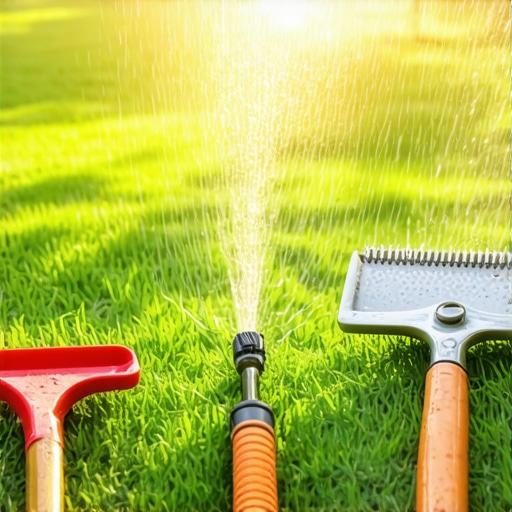
Sod Install & Irrigation Tips for a Lush Lawn in 2025

I remember the first time I laid down sod in my yard. I was so eager to see that lush, green carpet spread across my space. Yet, after a few weeks, I faced patchy spots, brown patches, and a lawn that looked more like a patchwork quilt than a vibrant oasis. It was a lightbulb moment for me—realizing that sod is just the beginning. The real magic happens with proper irrigation and ongoing care. If you’ve ever felt frustrated because your new sod isn’t thriving, you’re not alone. That’s exactly why I’m here—to share what I’ve learned about turning a simple sod install into a thriving, envy-worthy lawn in 2025.

Why So Many Lawns Fail to Flourish Even After Installing Sod

One common mistake I made early on was underestimating the importance of a well-designed irrigation system. I thought watering a few times a week was enough. Spoiler alert: it’s not. Proper watering is the backbone of a healthy lawn, especially for freshly laid sod. According to turf experts, inconsistent watering can lead to root stress, disease, and patchy growth, which all contribute to a lackluster yard. The key is understanding exactly how much water your lawn needs and when to deliver it. If you’re thinking, “Is irrigation really that crucial?” trust me, it is. It’s what turns a mediocre patch of grass into a lush, resilient landscape.

Is Overwatering the Biggest Threat to My New Sod?

I used to believe more watering meant faster growth. Wrong. Overwatering can suffocate roots, promote fungal diseases, and wash away essential nutrients. I learned this the hard way when I flooded my yard during a particularly rainy week. Now, I pay close attention to my soil moisture levels and stick to a consistent schedule. For tips on designing an irrigation system that saves water and boosts growth, check out this guide. It’s a game-changer for anyone serious about lawn health in 2025.

So, have you ever overwatered or underwatered your lawn? If so, you’re in good company. Next, I’ll walk you through the essential steps to ensure your sod gets the right amount of water and care, transforming your yard into a lush paradise you can be proud of.

}

Prepare Your Soil for Success

Start by removing any debris, weeds, or old grass. Use a rake to level the surface, breaking up compacted soil with a tiller if necessary. Test your soil’s pH and nutrient levels; amend with lime or fertilizer based on the results. Consider aerating the soil to improve water penetration and root growth. When I did my first soil prep, I learned that a well-prepared foundation is key—skipping this step led to patchy patches even after proper watering. Proper soil prep is like laying a solid foundation for a house; everything else depends on it.

Design a Watering Strategy That Works

Instead of guessing, I recommend calculating your lawn’s water needs based on grass type, climate, and soil. Use a rain gauge or soil moisture meter to track moisture levels. My breakthrough came when I set up a timer with zones tailored to different parts of my yard, ensuring even coverage. For detailed guidance, check out this expert guide. Remember, consistency is crucial—water deeply and infrequently to encourage deep roots, mimicking natural rainfall patterns.

Set Up an Efficient Irrigation System

Drip irrigation or rotary sprinklers are your friends here. I installed a smart sprinkler system that adjusts watering based on weather forecasts, saving water and preventing overwatering. When I first set mine up, I faced uneven coverage, which I fixed by adjusting nozzle angles and calibrating zones. Think of your irrigation system as the veins delivering life to your lawn—make sure they’re well-designed for uniform flow. For tips on designing your system, visit top design tips.

Practice Soil Moisture Management

Overwatering can drown roots, while underwatering stresses the grass. I learned this when I noticed my grass turning yellow despite regular watering. Using a soil moisture meter helped me pinpoint the right watering times—usually when the top inch of soil felt dry. A simple trick I used was to set an alarm to remind me to check soil moisture, preventing guesswork. This micro-adjustment made a huge difference in lawn health. Incorporate soil moisture checks into your routine to keep your lawn happy and healthy.

Maintain and Monitor Regularly

After installing sod and setting up irrigation, don’t forget ongoing care. Mow at the right height, aerate annually, and apply appropriate fertilizers. During hot spells, increase watering frequency slightly but always monitor soil moisture. I kept a journal of watering and mowing schedules, which helped me refine my approach over time. Think of lawn care as tending a living thing—consistent attention ensures lasting beauty. For more advanced tips, see professional care tips.

Many homeowners operate under misconceptions about sod installation, irrigation, and yard maintenance, often leading to costly mistakes and subpar results. Let’s dig deeper into some of the most overlooked nuances that can make or break your lawn’s success in 2025. One widespread myth is that more watering speeds up turf establishment. In reality, overwatering can drown roots and promote fungal diseases, as research from turfgrass specialists highlights the importance of balanced moisture levels. For advanced enthusiasts, integrating soil moisture sensors and smart irrigation controllers—like those discussed in this guide—can optimize watering schedules and prevent common pitfalls.

Another trap many fall into involves neglecting soil preparation. Skipping aeration or failing to amend soil pH and nutrients can severely limit sod’s ability to root deeply and thrive. Proper soil prep, including testing and amendments, is often underestimated but critical for long-term lawn health. Think of it as laying a foundation—without it, even the best sod will struggle to establish. For detailed soil strategies, visit this resource.

Now, let’s address a sophisticated question that often confuses homeowners:

How can I balance irrigation efficiency with environmental sustainability?

Achieving this balance involves designing zone-specific irrigation systems that adapt to weather patterns, soil type, and plant needs. Using weather-based controllers and implementing micro-irrigation techniques can significantly reduce water waste while maintaining turf health. According to a study published in the Journal of Environmental Management, precision irrigation can reduce water use by up to 30% without compromising plant vitality. For insights on creating sustainable, efficient watering plans, check this article.

Finally, many overlook the importance of ongoing yard cleanup and landscaping beyond initial sod installation. Regular pruning, debris removal, and strategic planting not only improve curb appeal but also prevent pests and disease. A common mistake is neglecting these maintenance routines, which can undo the benefits of a well-installed lawn. For expert tips on maintaining a pristine yard, explore this guide.

In summary, understanding and addressing these hidden nuances—like proper soil prep, balanced irrigation, and consistent maintenance—are crucial for achieving a vibrant yard in 2025. Have you ever fallen into this trap? Let me know in the comments.

Keep It Running Smoothly with the Right Tools

Maintaining a lush lawn over time requires more than just initial effort; it’s about investing in the right tools that make ongoing care efficient and effective. Personally, I rely heavily on a few key pieces of equipment to keep my yard in top shape, especially as I scale up my landscaping efforts in 2025. A high-quality soil moisture meter, for example, has been a game-changer. It eliminates guesswork by providing precise readings of soil moisture levels, ensuring I never over or underwater my sod. For detailed guidance on selecting and using moisture meters, check out this expert resource.

Next, I recommend a durable, adjustable spray nozzle for your garden hose—precision watering saves water and time. I prefer models with multiple spray patterns, which allow me to target specific areas without waste. Pair this with a good-quality garden rake and aerator; these tools help prepare and maintain the soil, promoting deep root growth and overall health. Regular aeration, especially after sod installation, is crucial for preventing soil compaction and improving water infiltration. For more tips on aerating and soil prep, visit this guide.

How do I maintain my irrigation system over time?

Keeping your irrigation system in peak condition is vital for long-term lawn health. I schedule regular inspections, checking for leaks, clogged nozzles, or uneven coverage. Using a backflow preventer and installing filters can significantly extend the system’s lifespan and efficiency. Additionally, I upgrade to smart controllers that adjust watering schedules based on weather forecasts, which conserves water and prevents overwatering. These systems are increasingly affordable and easy to program. For advanced irrigation maintenance tips, explore this resource. Incorporating these practices ensures your irrigation works optimally year-round and reduces water waste, aligning with future sustainability trends.

Leveraging Technology for Yard Excellence

In 2025, I see a growing trend toward automation and smart gardening solutions. From soil sensors that communicate with your watering system to apps that monitor lawn health, technology is making yard maintenance smarter and more manageable. For example, I’ve integrated a soil moisture sensor with my smart irrigation controller, allowing me to set thresholds that trigger watering only when necessary. This not only saves water but also promotes healthier grass by providing consistent moisture levels. As these technologies become more affordable and user-friendly, I encourage homeowners to experiment with them. It’s a future-proof strategy that guarantees your lawn remains vibrant with less effort.

Try Out a Micro-Irrigation System

For those ready to take their yard care to the next level, micro-irrigation systems are worth exploring. They deliver water directly to the roots via drip emitters, reducing evaporation and runoff. I installed a micro-system in my flower beds and around my sod, which provided even moisture distribution and minimized water waste. These systems are particularly effective in irregularly shaped yards or areas with varied plant types. To design an optimal setup, I recommend reviewing these expert tips. Incorporating efficient irrigation tools and technology today will pay dividends in the future, ensuring your landscape stays lush and healthy effortlessly.

The Hardest Lesson I Learned About sod install,irrigation,landscaping,yard cleanup

One of my biggest realizations was that rushing the soil preparation phase can sabotage your entire lawn project. I once skipped aeration and fertilization, thinking I could save time, only to see my sod struggle with root establishment. It taught me that patience and proper soil amendments are the foundation of lush grass. Every mistake I made in this step cost me extra time and effort later, but now I know that a strong start makes all the difference.

3 Myths About sod install,irrigation,landscaping,yard cleanup That Held Me Back

Myth 1: Watering more speeds up growth. Wrong! Overwatering can drown roots and promote disease. Myth 2: You only need to water occasionally. Not true—consistent deep watering is essential. Myth 3: A fancy sprinkler system isn’t necessary. Actually, smart irrigation controllers save water and improve lawn health. Busting these myths early saved me from costly mistakes and helped me achieve a vibrant yard in 2025.

What Experts Won’t Tell You About sod install,irrigation,landscaping,yard cleanup

Most professionals emphasize equipment, but what truly matters is tailoring your irrigation zones to your soil and climate. I learned to use soil moisture sensors and weather-based controllers, which drastically improved watering efficiency. Also, consistent yard cleanup—removing debris, pruning, and aerating—keeps pests and disease at bay, ensuring your efforts last. These insights changed my approach from guesswork to science-backed strategies, leading to a healthier, more sustainable lawn.

My Essential Toolkit for sod install,irrigation,landscaping,yard cleanup

First, a reliable soil moisture meter helps me avoid over or underwatering. I trust models like the XL Pro, which I’ve used for years. Second, a smart sprinkler system with weather integration has been a game-changer for efficiency. Third, quality hand tools like aerators and rakes make soil prep and maintenance easier and more effective. Lastly, a good garden hose with adjustable nozzles ensures targeted watering without waste. These tools are my go-to arsenal for maintaining a thriving lawn in 2025.

Your Turn to Try

Achieving a lush, healthy lawn in 2025 requires more than just initial effort—it’s about continuous learning, smart tools, and proactive care. Don’t let misconceptions hold you back from creating your dream yard. Start small, stay consistent, and leverage technology to optimize your efforts. Remember, your perfect lawn is within reach, and every step you take now is an investment in your outdoor oasis.

What’s the biggest challenge you face with sod install, irrigation, or yard cleanup? Share your story below—I’d love to hear how you’re making your lawn thrive in 2025!

,
December 23, 2025 | Jane Doe

Get Ready for 2025: Top Irrigation and Yard Cleanup Strategies

Get Ready for 2025: Top Irrigation and Yard Cleanup Strategies

It was a moment I won’t forget—standing in my yard, staring at a sea of weeds and patchy grass, realizing I had completely neglected my outdoor space. The summer heat had taken its toll, and I felt overwhelmed by the sheer amount of work needed to bring my lawn back to life. I wondered, how did I let it get this bad? That lightbulb moment was my wake-up call. I understood that without a solid plan for irrigation and yard cleanup, I’d be fighting an uphill battle all season long. And I knew I wasn’t alone in this struggle.

Why Planning for 2025 Matters Today

The truth is, many of us are caught off guard when the seasons change. We’re busy, distracted, or just unsure where to start. But the reality is that 2025 is closer than we think—time flies, and the best time to prepare is now. Proper irrigation systems and effective yard cleanup strategies can transform your outdoor space into a lush, vibrant garden that’s the envy of the neighborhood. Plus, a well-maintained yard boosts curb appeal and even increases property value. Trust me, a little foresight goes a long way.

Early on, I made a mistake many homeowners do—I underestimated the importance of a tailored irrigation plan. I thought watering was just about turning on the hose and hoping for the best. Spoiler: that’s a recipe for uneven growth, water waste, and grass that looks more stressed than lush. By researching and investing in a professional irrigation system, I was able to save water and time, and my lawn has never looked better. Want to avoid my rookie mistakes? Keep reading.

Today, I’ll walk you through the top strategies to get your yard ready for 2025. From designing efficient irrigation systems to mastering yard cleanup, I’ll share practical tips that have worked for me and countless others. If you’ve ever faced a yard that looks more like a jungle than a garden, you’ll want to pay attention. The good news? With a clear plan, your yard can become the stunning outdoor sanctuary you’ve always dreamed of. Ready to get started?

Is Overhauling Your Yard Worth the Hype?

Some skeptics might wonder if all this effort really pays off. I get it—investment of time and money can seem daunting. But in my experience, the payoff is undeniable. A well-planned irrigation system and thorough cleanup can drastically reduce water bills, prevent disease, and promote healthy growth. Plus, it feels amazing to step outside into a yard that looks like a professional landscape. If you’ve ever been hesitant, consider this: the work you put in now will set the stage for a thriving yard in 2025 and beyond.

Looking back, I realize that one of my biggest early mistakes was neglecting to adapt my watering schedule to seasonal changes. I was inconsistent, which led to patchy grass and weeds taking over. Once I learned to adjust my irrigation and focus on targeted yard cleanup, everything changed. For more insights, check out this guide on irrigation tips. It’s a game-changer.

Now, I’m excited to share the specific steps that will help you transform your yard into a beautiful, healthy space for 2025. Are you ready to take the first step? Let’s dive into the essentials of irrigation and yard cleanup strategies that truly work.

Design Your Irrigation System for Efficiency and Growth

Start by mapping out your yard to identify high and low spots, which affect water flow. Use this map to plan zones in your irrigation system, ensuring even coverage. I once spent an afternoon with a hose and spray nozzle, testing different areas, and marking dry or overwatered spots. This hands-on approach revealed my sprinklers were uneven, leading me to upgrade to a professionally designed system. For optimal results, consider drip irrigation for flower beds and targeted watering for trees. Check out this guide on irrigation system design to refine your setup.

Implement Smart Controls to Save Water and Time

Integrate smart controllers that adjust watering schedules based on weather forecasts. It’s like giving your yard a brain—watering only when necessary. I installed a smart controller last spring, and it automatically skipped watering during rainy days, saving me hundreds of gallons of water. Set your system to run early mornings or late evenings, reducing evaporation loss. For detailed setup tips, visit this resource on irrigation strategies. This step ensures your yard gets consistent, efficient watering without manual effort.

Prepare Your Soil for Healthy Root Growth

Healthy roots are the foundation of a lush lawn. I aerated my yard to loosen compacted soil, which improved water absorption. Use a spike or plug aerator, working systematically across your yard. After aeration, amend the soil with compost or organic matter to boost nutrients and water retention. This process is like giving your yard a vitamin shot—vital for robust growth. For expert advice on soil prep, explore this cleanup and soil improvement guide.

Clear Debris and Overgrowth for a Clean Slate

Remove leaves, sticks, and weeds that compete with your grass and plants. I once spent a weekend raking and pulling weeds, which revealed patches of healthy soil beneath. Use a leaf blower for large debris and a hand weeder for stubborn weeds. Trim overgrown bushes and prune trees to promote air circulation and prevent disease. This cleanup is like resetting your yard’s health—removing the clutter allows new growth to thrive. Check out this comprehensive cleanup strategy for more tips.

Lay Down Fresh Sod or Overseed for Instant Impact

If your lawn has bare patches or is patchy, consider overseeding or laying new sod. I opted for sod, which transformed my yard in just a weekend. Prepare the soil by raking and leveling, then lay the sod pieces tightly together. Water immediately after installation and keep the soil moist until roots establish. For best practices, see this guide on sod installation. Proper prep and timely watering ensure your new lawn takes root quickly and looks vibrant.

Consistent Maintenance to Sustain Your Progress

Finally, develop a routine for ongoing care. Check your irrigation system monthly for leaks or clogs. Mow at the right height—usually around 3 inches—to promote healthy growth. Fertilize according to your grass type and season. Remember, yard care is an ongoing journey, not a one-time project. Regular attention keeps your yard lush and prevents future problems. For detailed maintenance routines, visit this maintenance checklist. With consistent effort, your yard will remain a beautiful showcase well into 2025 and beyond.

Many homeowners, when tackling yard improvement projects, fall prey to misconceptions that can hinder progress and lead to costly mistakes. Let’s dig deeper into some of the most common myths about yard irrigation and cleanup, and uncover the truths that can help you achieve a truly lush and healthy outdoor space.

Why Do Most People Get Irrigation Wrong

A prevalent mistake is believing that more water always equals a healthier lawn. In reality, overwatering can suffocate roots, promote fungal diseases, and waste resources. Proper irrigation isn’t just about quantity; it’s about timing, coverage, and water quality. For example, many assume that running sprinklers longer will better water their yard, but this often leads to runoff and uneven moisture. An expert irrigation strategy emphasizes zone design, smart controls, and seasonal adjustments—nuances that make all the difference.

Another misconception is that DIY systems are just as good as professional designs. While DIY can work for small yards, complex or larger properties benefit from expert planning to ensure even coverage and water efficiency. Skimping on system design can result in dry patches, water waste, and increased maintenance costs.

What About Yard Cleanup

Many assume that yard cleanup is simply raking leaves and pulling weeds. While these tasks are part of it, the real nuance lies in understanding soil health, proper pruning, and debris removal that promotes airflow and prevents disease. Neglecting these details can lead to overgrown, unhealthy plants that are more susceptible to pests and weather damage.

For instance, pruning should be strategic—cutting back too much or at the wrong time can stress plants or inhibit growth. Similarly, leaving organic debris can attract pests or foster mold. An advanced cleanup approach involves understanding plant cycles and soil conditioning, not just surface tidying.

Are There Hidden Risks in Common Practices?

Absolutely. Overly aggressive weed pulling can disturb soil structure, making it harder for roots to establish. Excessive fertilization without soil testing can cause nutrient runoff and pollution. And using generic irrigation timers without seasonal adjustments wastes water during rainy periods or droughts.

Research from the University of California Cooperative Extension highlights that tailored watering schedules and integrated yard care practices lead to more sustainable results. It’s essential to see these activities as interconnected parts of a comprehensive strategy rather than isolated tasks.

Have you ever fallen into this trap? Let me know in the comments. Implementing nuanced, expert-driven approaches to yard irrigation and cleanup can elevate your outdoor space from average to exceptional. Remember, the devil is in the details, and understanding these common misconceptions is your first step toward a thriving lawn in 2025.

Maintaining a lush, healthy lawn over time requires the right tools and a structured approach to upkeep. From irrigation systems to soil testers, investing in quality equipment ensures your yard remains vibrant without constant guesswork. One of my go-to tools is a **digital soil moisture meter**, which provides real-time data on moisture levels. This allows me to fine-tune my irrigation schedule precisely, avoiding over- or under-watering. Over time, this not only conserves water but also promotes healthier root growth, making my lawn more resilient.

Another essential is a **high-quality aerator**. I prefer a plug aerator over spike aerators because it removes cores of soil, relieving compaction and improving water and nutrient penetration. Regular aeration—at least once a year—keeps the soil healthy and invites beneficial microbes that bolster plant growth. For ongoing maintenance, I rely on a **drop-style spreader** for even fertilizer application, ensuring my turf gets the nutrients it needs without waste or runoff.

When it comes to irrigation, smart controllers are game-changers. I personally use a **Wi-Fi-enabled sprinkler system** that integrates weather data, adjusting watering times and amounts automatically. This trend is only going to grow, with more advanced AI-driven systems predicting rainfall and soil conditions more accurately. Investing in such technology now makes future upgrades seamless and maximizes efficiency.

To keep everything running smoothly, I schedule monthly inspections of my irrigation components and pruning tools. Regular checks prevent leaks, clogs, or broken parts from causing bigger issues down the line. A **maintenance kit** with spare nozzles, filters, and connectors is also invaluable—saving me time and money when quick fixes are needed.

Looking ahead, I believe the trend is moving toward fully integrated smart yard systems that combine irrigation, soil health monitoring, and even pest control. As these technologies become more affordable, maintaining a thriving lawn will be less about manual effort and more about data-driven decisions. To get started, try upgrading your current system with a smart controller and see how it transforms your maintenance routine. You might be surprised at how much easier and effective lawn care can become.

How do I maintain my yard tools and equipment over time? The key is regular cleaning, lubrication, and storage. After each use, wash off dirt and debris, especially from the nozzles and blades. Applying a light oil to moving parts prevents rust and keeps tools functioning smoothly. Store equipment in a dry, sheltered space, and perform seasonal inspections to replace worn parts before they cause failures. This simple routine extends the lifespan of your tools and ensures they’re ready when you need them most.

By investing in quality equipment and maintaining it properly, you’ll set the stage for a lush, thriving yard in 2025 and beyond. Remember, the right tools combined with consistent care make all the difference. Ready to upgrade? Explore options like smart irrigation controllers and soil testers to elevate your yard maintenance game today!

For more tips on yard cleanup and equipment, check out this comprehensive guide.

3 Lessons That Changed My Yard Game

  • Realizing that overwatering can do more harm than good was a game-changer. Proper timing and zone design saved my lawn from fungal issues and water waste.
  • Investing in a smart irrigation controller was worth every penny. It adapted my watering schedule to weather changes, keeping my yard healthy without manual effort.
  • Soil health is the foundation of a lush lawn. Aeration combined with organic amendments dramatically improved root growth and drought resilience.

My Top Tools to Keep Your Yard Thriving

  • Digital soil moisture meter: Offers real-time data, helping me avoid guesswork and optimize watering.
  • Plug aerator: Loosens compacted soil, promoting better water and nutrient absorption—crucial for a healthy yard.
  • Wi-Fi-enabled sprinkler system: Automates watering based on weather forecasts, saving water and time.
  • Comprehensive maintenance kit: Includes spare nozzles and filters, ensuring my irrigation system runs smoothly year-round.

Embrace the Future of Yard Care Today

Getting your yard ready for 2025 isn’t just about quick fixes—it’s about strategic planning and smart technology. Start with the right tools and informed decisions, and watch your outdoor space transform into a lush paradise. Remember, consistent effort and learning from experience will keep your lawn beautiful for years to come. Are you ready to take the first step towards a thriving yard? Share your biggest challenge below and let’s tackle it together!

December 23, 2025 | Michael Smith

Transform Your Yard with Expert Landscaping and Sod Install Tips

Transform Your Yard with Expert Landscaping and Sod Install Tips

Ever looked out at your yard and felt that sinking feeling of disappointment? Maybe the grass is patchy, weeds are taking over, or the landscape just doesn’t have that lush, inviting vibe you crave. I’ve been there so many times, trying to DIY my way to a beautiful yard, only to end up more frustrated and with less progress than I hoped. One lightbulb moment hit me hard: I was rushing through the process, skipping crucial steps, and underestimating how much planning and expert advice really matter. That realization changed everything.

Why Your Yard Deserves a Professional Touch Now

Transforming a yard isn’t just about planting a few flowers or laying down some sod. It’s about creating a balanced, sustainable outdoor space that boosts curb appeal and becomes your personal retreat. And let’s be honest — the stakes are high. With the right landscaping and sod installation strategies, you can save yourself endless headaches and money in the long run. Plus, a well-done yard can significantly increase your home’s value, especially with the push for more outdoor living spaces in 2025.

Is Expert Landscaping and Sod Installation Truly Worth It?

I used to think I could handle everything myself. I watched some YouTube tutorials, bought a few tools, and jumped in. Big mistake. I ended up wasting time, overwatering, and choosing the wrong grass type, which led to a patchy, unhealthy lawn. I learned the hard way that skipping professional advice often costs more than hiring experts in the end. Nowadays, I always recommend tapping into the wealth of knowledge out there, like detailed guides on landscaping tips or consulting professionals for specific needs like irrigation and sod installation.

If you’re tired of the yard that never quite measures up and want a plan that works, stick around. I’ll walk you through proven tips and strategies that have transformed my yard and countless others into stunning, thriving outdoor spaces. Ready to make your yard the envy of the neighborhood? Let’s dive into the essentials that make all the difference.

Start with a Clear Plan and Site Preparation

Before digging into planting or laying sod, take the time to plan your yard layout. Think about sun exposure, drainage, and existing features. I remember rushing into my project last spring, only to realize halfway that the area I chose had poor drainage. I learned that a thorough site assessment is crucial. Remove weeds, dead grass, and debris to create a clean slate, much like giving your yard a fresh canvas. For detailed guidance, check out landscaping tips for yard cleanup.

Choose the Right Grass Type and Soil Improvement

Select grass varieties suited to your climate and soil conditions. When I installed sod, I found that mixing compost into the soil improved root growth and moisture retention. Think of soil as the foundation of a house; a strong base ensures your lawn stays healthy. Use a soil test kit to determine pH and nutrient levels, then amend accordingly. For expert advice on soil prep, visit sod installation and soil prep strategies.

Implement Effective Irrigation Strategies

Watering correctly is key to establishing a lush lawn. I once overwatered my new sod, leading to fungal issues. A smart irrigation plan mimics natural rainfall—deep, infrequent watering encourages strong roots. Consider installing an automatic irrigation system that adjusts based on weather, which saves time and conserves water. For tailored irrigation ideas, see landscaping and irrigation ideas for 2025.

Lay Sod with Precision for Seamless Results

When laying sod, start along a straight edge and work your way across, staggering seams like bricks. I once tried to rush this step and ended up with uneven patches. Instead, ensure each piece is tightly fitted and press down firmly to eliminate air pockets. Water immediately after installation to help the sod settle into the soil. For expert tips on sod installation, visit sod installation and irrigation tips.

Maintain and Adapt for Long-Term Beauty

Consistent maintenance, including mowing, fertilizing, and aerating, keeps your yard looking its best. I schedule regular lawn checks and adjust watering based on seasonal needs. Keep an eye out for pests or disease signs early—address issues promptly to prevent spreading. For ongoing care strategies, see long-term lawn maintenance tips.

Many homeowners fall prey to misconceptions about lawn sod and landscaping, thinking they understand the process but missing critical nuances that can make or break their yard’s success. One widespread myth is that choosing the most popular grass type guarantees a lush lawn. In reality, selecting a grass variety that doesn’t match your local climate or soil conditions often leads to patchy, unhealthy turf. For instance, cool-season grasses thrive in northern regions but struggle in warmer climates, where warm-season grasses are more appropriate. To avoid this mistake, consult a local expert or refer to detailed guides on sod installation and soil prep strategies.

Another common misconception is that watering your new lawn frequently is always better. While hydration is essential, overwatering can drown roots, promote fungal diseases, and wash away nutrients. Deep, infrequent watering mimics natural rainfall and encourages stronger root growth, which is crucial for long-term vitality. For advanced irrigation techniques, check out expert irrigation solutions. Remember, understanding the nuances of watering schedules is a subtle but vital factor often overlooked by DIY enthusiasts.

Why Do So Many Get Lawn Preparation Wrong

Site preparation might seem straightforward — clear weeds, level the ground — but overlooking soil health can sabotage your entire project. Many assume that soil quality doesn’t matter as long as you lay down sod or seed. However, poor soil structure hampers root penetration and moisture retention, leading to weak, patchy lawns. Testing your soil’s pH and nutrient levels reveals what amendments are necessary for optimal growth. Incorporate compost or organic matter to improve soil vitality, which significantly impacts turf health. For comprehensive soil improvement strategies, visit yard cleanup and soil enhancement tips. This hidden nuance often goes unnoticed but is key to maintaining a vibrant lawn over the years.

Furthermore, many underestimate the importance of proper site grading. A slight slope ensures effective drainage, preventing water pooling that can rot roots and promote disease. Ignoring grading can cause expensive issues down the line, even if your initial sod installation looks perfect. Investing time in site assessment and professional advice ensures your yard’s foundation is solid.

In conclusion, the key to thriving lawns and landscapes lies in understanding these subtle but crucial details. Don’t fall for the myths that lead to costly mistakes. Instead, embrace the advanced nuances that professionals prioritize for long-lasting results. Have you ever fallen into this trap? Let me know in the comments and share your experiences or questions!

Maintaining a lush, healthy lawn requires more than just initial planting and sod installation. To keep your yard looking its best year-round, investing in the right tools and adopting effective maintenance routines is crucial. From specialized equipment to smart software, the right gear can save you time, improve results, and even extend the lifespan of your landscaping investment.

Why I Rely on a Quality Lawn Aerator

One of my go-to tools is a durable lawn aerator. Aeration helps reduce soil compaction, allowing water, nutrients, and air to reach the roots more effectively. I personally use a spike aerator for smaller areas and a core aerator for larger lawns, which creates small holes that promote healthy root growth. Regular aeration, especially in high-traffic zones, prevents thatch buildup and keeps my grass resilient. Experts recommend aerating at least once a year, ideally in the spring or fall, to maintain optimal soil health. For professional-grade options, check out aeration tools suited for every yard size.

Using Smart Irrigation Systems

Automatic irrigation systems have revolutionized yard maintenance. I personally installed a smart sprinkler system that adjusts watering schedules based on weather forecasts and soil moisture sensors. This not only conserves water but also ensures my lawn receives consistent, adequate hydration. When properly calibrated, these systems can prevent overwatering and fungal issues—common pitfalls for DIY enthusiasts. As technology advances, I predict more integrated solutions that use AI to optimize watering even further. To get started, review top irrigation system designs for 2025.

Essential Equipment for Regular Maintenance

Beyond aerators and sprinkler systems, I recommend keeping a high-quality lawn mower with adjustable blades to maintain appropriate grass height. A commercial-grade dethatcher can also help remove excess thatch buildup, which prevents water and nutrients from reaching roots. For fertilization, I use a broadcast spreader that ensures even distribution of nutrients without waste. Regularly sharpening mower blades and cleaning equipment prolongs their lifespan and maintains cutting precision. Investing in these tools pays off by reducing the need for costly repairs and ensuring your yard stays vibrant throughout the seasons.

How do I maintain my landscape equipment over time?

Proper maintenance of your tools extends their lifespan and keeps them functioning efficiently. I always clean my mower and aerator after use, removing grass clippings and dirt that can cause rust. Regularly replacing or sharpening blades and tines prevents uneven cuts and soil damage. Storing equipment in a dry, sheltered space prevents corrosion. For electronic devices like soil moisture sensors or irrigation controllers, updating firmware and checking connections annually ensures optimal performance. Embracing a routine maintenance schedule is key to hassle-free yard care. You can find detailed guidance on equipment maintenance for long-term results.

Looking ahead, I see a trend toward more automated, AI-driven landscape tools that can monitor soil health and adjust watering or fertilization dynamically. These innovations promise to make yard maintenance even more effortless and precise, reducing manual effort while improving outcomes. For now, start by integrating a smart irrigation system and routine equipment checks—these small steps make a big difference. Ready to upgrade your toolkit? Try calibrating your sprinkler system with weather data for the next growing season and witness the immediate improvement in lawn health!

The Hardest Lesson I Learned About Lawn Success

One of my biggest lightbulb moments was realizing how much soil health impacts overall yard vitality. I used to focus only on the visible features like plants and grass, but neglecting proper soil testing and amendments led to weak, patchy lawns. Once I started prioritizing soil improvement, my yard transformed faster than I expected.

3 Myths About Lawn Care That Held Me Back

Myth number one was that all grass types are equally suitable everywhere. Wrong—climate and soil conditions dictate which grass thrives. Also, I believed watering frequently was always best; in reality, deep, infrequent watering builds stronger roots. Lastly, I thought DIY was cheaper, but mistakes and rework often cost more than hiring a pro from the start. For trusted advice, I recommend checking out expert sod installation tips.

The Unexpected Benefits of Site Preparation

Skimping on site grading and drainage assessment can cause long-term problems. I once skipped thorough site prep and faced standing water during rains, which damaged my new sod. Now, I always invest in proper grading and soil drainage solutions, which make all the difference. For detailed guidance, visit yard cleanup and site prep tips.

Curated Recommendations for a Thriving Lawn

My essential toolkit includes a reliable soil test kit, a core aerator, and a smart irrigation system. I trust these because they save time and improve results. For soil testing, I use top soil kits to accurately assess nutrients. A professional-grade aerator helps prevent soil compaction, and a smart irrigation system ensures consistent watering without waste. These tools have helped me maintain a lush yard year-round.

Your Turn to Take Action

Now, I encourage you to evaluate your yard’s soil health, drainage, and irrigation setup. Remember, investing in expert advice and quality tools can save you headaches and money down the line. Your dream yard is within reach if you focus on the subtle yet crucial details that make all the difference. What step will you prioritize first to improve your lawn’s health? Share your plan below and let’s grow together!

December 22, 2025 | Emily Clark

Yard Cleanup & Landscaping Strategies for Stunning Gardens in 2025

Yard Cleanup & Landscaping Strategies for Stunning Gardens in 2025

Ever spent hours battling a yard that just refuses to look inviting? I’ve been there. One spring, I looked out my window at a chaotic mess—fallen leaves, overgrown bushes, and patches of dead grass. It hit me then: my garden was a reflection of neglect, and I had no real plan to fix it. That lightbulb moment changed everything. Since then, I’ve learned that a stunning garden isn’t just about planting pretty flowers; it’s about consistent, strategic yard cleanup and landscaping efforts that pay off in the long run.

Why Now Is the Perfect Time to Rejuvenate Your Garden

With the new year approaching, it’s the ideal moment to tackle your yard. The truth is, a well-maintained garden boosts your curb appeal, increases property value, and creates a peaceful retreat for you and your family. But here’s the kicker—many folks get overwhelmed by the scope of yard work. They don’t know where to start or fear wasting time on strategies that don’t work. I used to be guilty of that myself, rushing into projects without proper planning and ending up more frustrated than refreshed. The mistake I made early on was neglecting a comprehensive cleanup plan, which only made the mess worse over time.

Fortunately, I discovered that effective yard cleanup and landscaping aren’t about doing everything at once but about prioritizing key strategies. For instance, professional sod installation tips can help you achieve a lush lawn quickly (learn more here), while proper irrigation installation ensures your plants stay healthy and vibrant (discover how to do it right). These small but impactful steps can turn a neglected yard into a stunning garden that will be the envy of your neighborhood.

Is Investing in Yard Cleanup Really Worth It?

Absolutely. When I first started, I doubted whether hiring professionals or following expert advice would make a difference. I thought, “Can a few tools and some elbow grease really transform my yard?” The answer is a resounding yes, but only if you approach it with the right mindset and knowledge. Early missteps, like ignoring soil health or skipping regular pruning, can sabotage your efforts. That’s why I always recommend following proven tips and strategies from trusted sources, like these expert yard cleanup ideas.

In this post, I’ll share practical, easy-to-follow steps to get your yard looking its best in 2025. Whether you’re starting from scratch or just need a refresh, these strategies will help you create a garden that’s not only beautiful but sustainable and low-maintenance. Let’s dive into the details and make your garden dreams a reality!

Clear the Clutter and Prepare Your Soil

Start by removing all debris, fallen leaves, and dead plant material. Imagine your yard as a blank canvas, ready for new life. Use a rake and a leaf blower for quick cleanup, and consider renting a chipper to mulch large branches, turning waste into compost. Then, test your soil’s health using a soil kit—this helps determine pH and nutrient levels. If your soil is compacted or nutrient-deficient, aerate and amend it with organic compost. I once spent a Saturday aerating and amending my backyard soil, which resulted in healthier grass and vibrant new plant growth. Proper soil prep is the foundation for a lush, sustainable garden.

While many homeowners focus on the basics of yard cleanup, a few misconceptions can hinder your progress. One prevalent myth is that more aggressive pruning or heavy soil amendments always lead to faster results. In reality, overdoing it can stress your plants and soil, making recovery slower and more costly. For example, excessive pruning can invite pests and diseases, which is why understanding the specific needs of your plants is crucial. Similarly, blindly adding fertilizers without testing your soil can cause nutrient imbalances, harming your lawn and plants in the long run. Always remember that strategic, targeted actions outperform haphazard efforts. For advanced lawn health, consider consulting expert resources like these professional yard cleanup ideas to avoid common pitfalls.

What advanced mistakes do homeowners often overlook when trying to boost their yard’s health?

Many overlook the importance of soil microbiome health. Healthy soil isn’t just about nutrients; it’s about fostering beneficial microorganisms that support root growth and disease resistance. Neglecting this aspect can lead to stubborn soil compaction and poor plant vitality, regardless of how much fertilizer or water you apply. A recent study from the University of California highlights that soil biological activity is a key predictor of plant health, often more so than chemical analyses alone. Incorporating organic matter and avoiding synthetic chemicals can help restore this delicate balance, leading to a more resilient and lush garden. Remember, a thriving yard is rooted in understanding and nurturing its unseen life. Explore more landscaping tips here to deepen your knowledge. Have you ever fallen into this trap? Let me know in the comments.

By digging into these nuances, you’ll move beyond basic yard cleanup and develop a strategic approach that ensures sustainable beauty and health for your garden. This is the secret that separates amateur efforts from professional results.

Keeping your garden in top shape over the long term requires the right tools and a consistent maintenance routine. From power equipment to software solutions, choosing the proper gear can make all the difference in achieving a lush, healthy yard. One of my go-to tools is a high-quality corded electric hedge trimmer, which I use for precise pruning of bushes and hedges. Unlike gas-powered models, it’s quieter, easier to handle, and requires less maintenance, making it perfect for regular upkeep. For lawn mowing, I swear by a robotic mower, which I’ve programmed to maintain my grass daily. It saves me hours each week and ensures an even cut that promotes healthy growth.

When it comes to soil management, a soil test kit is indispensable. I check my soil’s pH and nutrient levels biannually to tailor my amendments accordingly. This simple step prevents over-fertilization and helps maintain the microbiome health I discussed earlier. For watering, I rely on a smart irrigation system that adapts to weather conditions, conserving water while keeping my plants hydrated. Modern systems like these can be programmed via smartphone apps, allowing for remote adjustments and scheduling. To keep everything functioning smoothly, I perform regular equipment inspections—cleaning blades, replacing worn parts, and updating firmware for smart devices. This proactive approach prevents breakdowns and extends the lifespan of my tools.

Looking ahead, I predict that automation and smart technology will become even more integrated into garden maintenance. Solar-powered sensors, AI-driven watering schedules, and autonomous equipment will make gardening more accessible and efficient for enthusiasts of all levels. Investing in these innovations now not only saves time but also promotes sustainable practices by reducing resource waste.

How do I maintain my garden tools and systems over time?

Maintaining your tools and systems is about routine checks and timely upgrades. For manual tools, I recommend sharpening blades and replacing worn parts at least once a season. For electronic equipment, software updates are vital—many smart systems release firmware patches that improve performance and security. Additionally, storing tools properly—cleaned, dry, and in a protected space—extends their lifespan considerably. For irrigation systems, periodic inspection of hoses, emitters, and filters ensures efficient operation and prevents clogging. Following manufacturer guidelines and scheduling professional tune-ups annually can keep your systems running at peak performance. Remember, consistent maintenance not only prolongs the life of your equipment but also ensures your garden remains healthy and vibrant year-round.

Try integrating a smart irrigation system into your yard care routine this season. It’s a game-changer for long-term landscape health, reducing water waste and giving your plants the precise hydration they need. For more detailed guidance on system design, check out these expert irrigation tips and start planning your upgrade today.

The Hardest Lesson I Learned About Yard Cleanup

One of my biggest realizations was that rushing through yard cleanup without understanding my soil and plant needs only led to more problems down the line. I used to think that more fertilizer and aggressive pruning would bring quick results, but I learned that patience and targeted actions are far more effective. This lightbulb moment taught me to observe my garden’s unique conditions and adapt my strategies accordingly, leading to healthier plants and a more sustainable yard.

3 Myths About Landscaping That Held Me Back

For years, I believed that professional sod installation was a luxury only for wealthy homeowners. Turns out, it’s a game-changer for quickly establishing a lush lawn, and it’s more affordable than I thought when paired with proper yard cleanup. I also thought that watering was always about quantity; now I know that smart irrigation systems not only save water but also promote better plant health. Busting these myths opened my eyes to smarter, more efficient ways to care for my garden.

What Experts Won’t Tell You About Maintaining Your Garden

Many garden enthusiasts overlook the importance of nurturing the unseen life in their soil. Beneficial microorganisms are the secret to resilient, vibrant gardens. I discovered that organic amendments and avoiding synthetic chemicals help restore this delicate microbiome, resulting in longer-lasting health and less need for chemical interventions. This insight transformed my approach from superficial surface treatments to deep soil health, ensuring my garden’s sustainability in 2025 and beyond.

My Essential Toolkit for a Lush Garden

Over time, I’ve found that quality tools make all the difference. A high-quality electric hedge trimmer makes pruning easier and more precise, while a soil test kit is indispensable for understanding what my yard truly needs. For watering, a smart irrigation system has revolutionized my maintenance routine, saving water and ensuring consistent hydration. Regular equipment inspections and maintenance keep everything running smoothly and extend the lifespan of my tools, making my garden care more efficient and enjoyable.

Your Turn to Try Creating a Garden That Thrives in 2025

Now it’s your turn to apply these insights and transform your yard into a stunning, sustainable space. Small, strategic steps—like soil testing, targeted cleanup, and smart watering—can lead to remarkable results. Remember, a lush garden isn’t just a vision; it’s a practice built on patience, knowledge, and consistent effort. Start today, and watch your garden flourish in 2025 and beyond.

What’s the first step you plan to take in your yard cleanup journey? Let me know below!

,

December 22, 2025 | Anna Lee

Expert Sod Install & Irrigation Tips for a Lush Lawn in 2025

Expert Sod Install & Irrigation Tips for a Lush Lawn in 2025

There was a moment last spring when I looked out at my yard after a weekend of neglect—brown patches, patchy grass, and a sense of defeat. I realized I’d spent more time watering and patching than actually enjoying my outdoor space. That lightbulb moment hit me hard: I was doing everything wrong with my lawn, and it was costing me both time and money. Fast forward a few seasons, and I’ve cracked the code on creating a vibrant, healthy lawn—without breaking the bank or losing sleep over watering schedules.

Why Your Lawn Needs More Than Just Water

In 2025, the secret to a lush yard isn’t just about turning on the sprinklers. It’s about smart installation and maintenance strategies that work in harmony with the natural environment. A well-installed sod combined with an efficient irrigation system can turn your patchy yard into a vibrant oasis. Trust me, I’ve learned this the hard way—early on, I made the mistake of ignoring proper planning, which led to overwatering, runoff, and a lawn that never quite thrived. It’s a mistake I see many homeowners make, and it’s a costly one.

According to recent studies, over 50% of lawn care failures are due to improper irrigation setup and poor sod installation techniques. That’s a staggering number that highlights just how vital these initial steps are. But don’t worry—there’s a way to get it right from the start, and I’m here to guide you through it.

Is Irrigation System Design Really That Critical?

Absolutely. I used to think I could just sprinkle my yard and call it a day. Big mistake. An inefficient system wastes water, costs more, and leaves your lawn vulnerable to drought stress or disease. The key is understanding your yard’s specific needs and designing a system that provides even coverage without oversaturating any one area. For detailed tips, check out my comprehensive guide on expert irrigation solutions.

Another mistake I made early on was underestimating the importance of soil prep before sod installation. A healthy root foundation makes all the difference. If you’re serious about a thriving lawn this year, investing in proper soil preparation and a tailored irrigation plan will save you headaches down the line.

So, if you’ve faced the frustration of patchy grass or overwatered patches, know that the solution is within reach. Next, I’ll walk you through the essential steps to perfect sod installation and irrigation design, so you can enjoy a picture-perfect yard in 2025.

Prepare Your Soil Like a Pro

Start by removing all weeds, rocks, and debris from your yard. Use a rake or a tiller to loosen the soil, ensuring good drainage and aeration. Mix in organic compost to boost nutrients and improve soil structure. This step is critical—think of it as laying a solid foundation for a house. I once skipped this step and ended up with patchy grass; the difference was night and day after proper soil prep. For a detailed soil setup, visit yard cleanup strategies.

Choose the Right Sod and Install It Properly

Select high-quality sod suited for your climate and soil type. When laying sod, stagger the seams like bricks, pressing each piece firmly into the soil—this prevents gaps and promotes healthy roots. Water immediately after installation to help the roots establish. I remember installing sod on a particularly hot day; I used a garden roller to press the sod down and kept it moist, which resulted in a lush, vibrant lawn within weeks. For expert tips, see sod installation tips.

Design an Efficient Irrigation System

Plan your irrigation layout carefully. Use zones to target different areas, avoiding overwatering or dry patches. Aim for even coverage—think of it as giving each blade of grass a gentle, consistent drink. Drip irrigation for beds and spray heads for lawns work well together. I designed my system based on my yard’s unique shape, which reduced water waste and lowered my bills. For inspiration, check out irrigation design ideas.

Set Up Smart Watering Schedules

Use a timer or smart controller to automate watering at dawn or dusk when evaporation is minimal. Adjust the schedule based on weather—less watering during rain, more during heatwaves. I learned this the hard way when I overwatered, leading to fungal issues. Now, I rely on weather-based adjustments, saving water and keeping my lawn healthy. For detailed scheduling strategies, visit irrigation solutions.

Maintain and Adjust Regularly

Regularly check your system for leaks or clogs. Mow your grass at the right height, and aerate annually to allow water and nutrients to reach roots. Keep an eye on soil moisture levels and adjust watering as needed. I once neglected to check my sprinklers, which caused dry patches—since then, I’ve made routine maintenance a priority. For maintenance tips, see yard cleanup tips.

Many homeowners fall into the trap of believing misconceptions about lawn care that can inadvertently harm their yard’s health. Let’s dig deeper into some of the most persistent myths and reveal the truths that can elevate your lawn game to professional standards.

Why Overwatering Might Be Killing Your Lawn

It’s a widespread belief that more water equals a greener lawn. In reality, overwatering can suffocate roots, promote fungal diseases, and wash away vital nutrients. The key is to provide just enough water to keep the soil moist but not saturated. An improperly designed irrigation system often exacerbates this issue, leading to inconsistent watering and weak root growth. For advanced advice on setting up an efficient irrigation plan, check out expert irrigation solutions.

Think You Can Skimp on Soil Prep? Think Again

Many assume that laying sod directly on existing soil is enough. However, skipping thorough soil preparation can result in poor root establishment and patchy growth. Loosening the soil, removing debris, and enriching it with organic compost create a thriving environment for roots. This step is crucial—skipping it often leads to wasted time and money on re-sodding. For detailed soil setup strategies, visit yard cleanup strategies.

Advanced Question: How Can I Detect Subtle Soil Imbalances?

Even experienced gardeners might overlook subtle soil deficiencies that affect lawn health. Testing your soil’s pH and nutrient levels can reveal imbalances that hinder grass growth. Correcting these issues with targeted amendments ensures your lawn gets exactly what it needs. According to a study published in the Journal of Environmental Quality, soil testing and tailored amendments significantly improve turf resilience and vibrancy. Regular testing and adjustments are the secret weapons for maintaining a lush, durable lawn.

Have you ever fallen into this trap? Let me know in the comments. Remember, mastering these nuances can make the difference between a patchy yard and a stunning landscape. Keep learning, keep experimenting, and your lawn will thank you!

Maintaining a lush, healthy lawn over time requires more than just initial setup; it involves consistent effort, smart tools, and strategic maintenance routines. As technology advances, the landscape of lawn care tools is evolving rapidly, making it easier to keep your yard in top shape without the guesswork.

Investing in Precision Equipment

One of my go-to tools is a high-quality soil moisture meter. I rely on this device to monitor soil hydration levels precisely, which helps me avoid overwatering or underwatering. Digital moisture meters with multiple probes provide real-time data and can sync with smartphone apps, offering insights that were unimaginable a decade ago. For example, I use a model that connects via Bluetooth, allowing me to check moisture levels remotely and adjust my irrigation schedule accordingly. This not only conserves water but also promotes healthier grass roots, reducing disease risk. As smart irrigation systems become more affordable, integrating these sensors into your setup is a game-changer. Check out my recommended sensors for detailed options.

Automation Is Your Best Friend

Automated timers and smart controllers are essential for long-term lawn health. I personally use a weather-adaptive controller that adjusts watering schedules based on forecast data. This means if rain is imminent, my system skips watering, saving me money and preventing runoff. These controllers are easy to install and can be programmed for different zones, ensuring every part of your lawn gets the right amount of water. As the trend leans toward AI-powered systems, I predict more sophisticated features like soil health analytics and predictive watering patterns will dominate the market. For a detailed review of the latest models, visit my top picks for 2025.

Routine Maintenance for Long-Term Success

Regularly inspecting and maintaining your equipment keeps everything running smoothly. I schedule bi-weekly checks of my sprinkler heads for clogs or leaks, and I keep my mower blades sharp—dull blades tear grass instead of cutting it cleanly, leading to disease. Aerating yearly is another critical step that improves soil aeration, allowing water and nutrients to reach roots effectively. Using a core aerator is a straightforward way to do this, and I recommend doing it during the growing season for best results. To ensure your tools stay effective, clean and lubricate moving parts after each use. For expert advice on maintaining your equipment, see yard cleanup tips.

How do I maintain my irrigation system over time?

Consistent maintenance of your irrigation system is crucial for a thriving lawn. Start by inspecting sprinkler heads monthly to ensure even coverage; adjust or replace those that are damaged or misaligned. Clogged filters can reduce water flow, so cleaning or replacing them annually is advisable. Additionally, check for leaks in hoses and valves to prevent water waste. During the off-season, winterize your system to prevent freeze damage if you live in colder climates. Implementing a schedule for these tasks ensures your system remains efficient and reliable year-round. Predictive maintenance, powered by IoT sensors, will likely become mainstream, alerting you to issues before they become costly repairs. Stay ahead by scheduling regular inspections and upgrades as needed.

Incorporating these advanced tools and routines into your lawn care regimen can dramatically improve your yard’s health and appearance over time. Try using a moisture sensor this week to fine-tune your watering schedule—small steps lead to big results. Remember, a well-maintained lawn isn’t just about aesthetics; it’s about creating a sustainable, thriving outdoor space that grows healthier with each season.

The Hardest Lesson I Learned About Lawn Care

One of my biggest lightbulb moments was realizing that proper soil preparation is the foundation of a thriving lawn. Skipping this step led to patchy grass and wasted efforts. Now, I always spend time aerating and enriching my soil, which pays off in lush, healthy grass.

3 Myths About Lawn Irrigation That Held Me Back

I used to believe overwatering was the key to greenness. Turns out, it often harms your lawn more than helps. Learning to design an efficient irrigation system tailored to my yard’s needs drastically improved water usage and grass health.

What Experts Won’t Tell You About Sod Installation

Choosing high-quality sod suited for your climate and installing it correctly, with staggered seams and immediate watering, made all the difference. Proper soil prep before laying sod is an insider secret that transforms patchy areas into vibrant green expanses.

My Essential Toolkit for Lawn Success

My go-to tools include a digital soil moisture meter, a smart irrigation controller, and a core aerator. These tools, personally tested and trusted, save time, water, and money by ensuring optimal lawn care routines.

Where to Go from Here

If you’re serious about elevating your lawn game in 2025, dive into the comprehensive guides linked throughout this article. They cover everything from soil prep to smart watering, helping you avoid common pitfalls and achieve professional-quality results.

Your Turn to Try

Creating a lush, healthy lawn isn’t just about effort; it’s about smart strategies and the right tools. Start small, test your soil, and automate your watering. With patience and persistence, your yard can become the envy of the neighborhood.

December 21, 2025 | Emily Clark

Top Sod Install & Irrigation Strategies for a Lush Lawn in 2025

Top Sod Install & Irrigation Strategies for a Lush Lawn in 2025

I remember the first time I laid down new sod in my yard. It was a sunny Saturday, and I was full of optimism. Fast forward a few weeks, and I was staring at patches of brown, patchy grass, feeling defeated. Turns out, I had skipped a crucial step—proper irrigation. That mistake cost me dearly in both time and effort. But I learned from it, and now I want to share those lessons with you.

Why Your Lawn’s Future Depends on the Right Sodding and Watering

A lush, green lawn isn’t just about aesthetics; it’s about creating a healthy ecosystem right in your backyard. In 2025, with climate patterns becoming more unpredictable, having an effective sod installation and irrigation plan is more vital than ever. Did you know that improper watering can reduce sod survival rates by up to 70%? (Source: [Pro Sod Install & Irrigation Tips](https://urbanlandscapingx.com/pro-sod-install-irrigation-tips-for-a-thriving-2025-lawn)).

If you’ve ever struggled with patchy grass, uneven watering, or just don’t know where to start, you’re not alone. I’ve been there, and I’ve also discovered that a strategic approach makes all the difference. Today, we’re going to dive into the essential techniques that will help your sod thrive and keep your lawn looking stunning all year long.

Is Irrigation Overhyped or Absolutely Critical?

Early on, I made the mistake of assuming that watering my new sod once a day would suffice. Spoiler alert: it doesn’t. Overwatering can be just as harmful as underwatering, leading to root rot and disease. The key is to find that sweet spot, which means understanding your soil, climate, and the specific needs of your grass type. Trust me, once I adjusted my watering schedule, my lawn transformed. Want to avoid my rookie mistakes? Keep reading.

In the upcoming sections, I’ll share proven tactics, from designing your irrigation system to selecting the best watering schedule, ensuring your lawn gets exactly what it needs—no more, no less. Ready to turn that patchy yard into a lush paradise? Let’s get started.

,

Design Your Irrigation System for Optimal Coverage

Start by mapping out your yard, identifying high-traffic and sun-exposed areas. Use this map to plan sprinkler placement, ensuring even water distribution. I recall spending an afternoon with a garden hose, marking spray zones on my grass. It was messy but invaluable; I quickly saw which areas needed more coverage and adjusted my sprinklers accordingly. For a comprehensive approach, check out top irrigation system design ideas that fit your yard’s unique shape and size.

Choose the Right Sprinkler Types

Rotor sprinklers are great for large, open areas, while spray heads work better for flower beds and edges. I once installed a mix without considering water pressure, leading to uneven watering. After adjusting my system to match my pressure, my lawn’s hydration improved dramatically. Think of your irrigation setup like a symphony orchestra—each component must work together. For tailored advice, visit best irrigation landscaping tips.

Implement a Watering Schedule That Works

Water early in the morning to reduce evaporation, ideally between 4 and 8 a.m. I experimented with evening watering but noticed more fungal issues. Consistency is key; set a timer to automate your sprinklers, preventing forgetfulness. A good rule of thumb: your lawn needs about 1 to 1.5 inches of water weekly, divided into 2-3 sessions. Use a rain gauge or small containers to measure rainfall and adjust accordingly. For precise scheduling, review the top watering tips for lush lawns.

Adjust for Weather and Soil Type

In hot spells, increase watering frequency slightly; in rainy periods, cut back to prevent overwatering. Soil type influences water retention: sandy soil drains quickly, requiring more frequent watering; clay retains water longer, needing less. I once added compost to my sandy soil, which improved water retention and reduced my watering needs. Think of your soil as a sponge—know its capacity and adjust your irrigation accordingly. For tailored soil strategies, see irrigation design ideas.

Fine-Tune Your Watering for a Healthy, Lush Lawn

Monitor your lawn regularly. Look for signs of under or overwatering: wilting indicates dryness, while yellowing suggests excess water. Use a screwdriver or soil moisture meter to check how deep your soil is moist. When you get it right, your sod will develop strong roots and vibrant color. Remember, patience and adjustments are part of the process. For more tips on perfecting your lawn care, visit professional sod and irrigation tips.

Many homeowners believe they can master lawn watering and sod installation by following generic advice, but in practice, some of these common beliefs can actually sabotage your efforts. Let’s dig deeper into the nuanced truths that often get overlooked, and why understanding these details can make a significant difference in your lawn’s health.

Why Overwatering Can Damage Your Lawn More Than You Think

A widespread myth is that more water always equals better grass. In reality, excessive watering can lead to root rot, fungal diseases, and shallow root systems, making your lawn more vulnerable and less resilient over time. The key is to water deeply but infrequently, encouraging roots to grow downward and stabilize the turf. This subtle shift from frequent shallow watering to deep, infrequent sessions is backed by research from the University of California Cooperative Extension, which shows that deep watering promotes healthier, drought-resistant lawns.

Don’t Fall for the One-Size-Fits-All Watering Schedule

Another trap many fall into is blindly following standard schedules without considering their soil type, grass variety, or local climate. Sandy soils drain quickly and require more frequent watering, whereas clay soils retain moisture longer and need less. Similarly, warm-season grasses have different water needs than cool-season varieties. Ignoring these nuances can lead to under- or overwatering, both of which harm your lawn. For advanced gardeners, adjusting your irrigation based on soil moisture levels, rather than sticking to a fixed timetable, can drastically improve sod survival rates. For tailored advice, check out these irrigation design ideas.

Beware the Trap of Shallow Root Development

Many think that watering daily, even if lightly, is beneficial. But this practice encourages roots to stay near the surface, making your lawn susceptible to drought stress and weeds. Deep, infrequent watering encourages roots to grow deeper, resulting in a more resilient lawn that can withstand dry spells. This nuance is often misunderstood by DIY enthusiasts who want quick results but end up weakening their turf over time. Remember, the goal is to promote a robust root system—think of it as building a strong foundation for your grass.

Can You Rely Solely on Rain for Your Lawn?

Relying entirely on rainfall is a common misconception. While natural precipitation is beneficial, it rarely provides a consistent amount needed for lush turf, especially during dry seasons. Without supplemental irrigation, your lawn can suffer from drought stress, even during periods of rain. For serious lawn care, monitoring rainfall and soil moisture is essential—don’t just assume Mother Nature will do all the work. As a pro tip, using a rain gauge and soil moisture sensors can help you optimize your watering schedule. For more detailed irrigation planning, explore these design strategies.

Have you ever fallen into this trap? Let me know in the comments. The difference lies in the details—master these nuances, and your lawn will thank you.

Keeping your lawn equipment in top shape is essential for long-term success. Over the years, I’ve found that investing in quality tools and adopting proper maintenance routines can save you time, money, and frustration. One of my go-to tools is the battery-powered lawn edger. It’s lightweight yet powerful, making edge trimming quick and effortless without the hassle of cords or gas. Regularly sharpening blades is crucial— dull blades tear grass instead of cutting cleanly, which can stress your sod and invite disease. I recommend sharpening every 10-15 hours of use, using a sharpening stone for precise edges.

Another indispensable tool is a soil moisture meter. Monitoring soil moisture levels helps me avoid both overwatering and underwatering, ensuring my sod gets just the right amount of water. I’ve used models like the XLUX T101 for years because it provides quick, accurate readings at different soil depths, which is vital for adjusting irrigation schedules. As climate patterns become more unpredictable, leveraging technology like moisture sensors is likely to become standard practice.

For maintaining irrigation systems, I rely on drip irrigation filters and pressure regulators. These components prevent clogging and ensure even water distribution. Cleaning filters monthly and checking the system for leaks keeps everything running smoothly. As DIY irrigation becomes more sophisticated, automation controllers like the Hunter Hydrawise are gaining popularity, allowing you to schedule watering based on weather forecasts. This trend is expected to grow in 2025, making smart irrigation a must-have for serious lawn enthusiasts.

How do I maintain my irrigation system over time? The key is regular inspection and cleaning. I schedule monthly checks, ensuring sprinkler heads aren’t blocked and that coverage remains even. Using a professional irrigation design from experts can also help optimize performance and longevity. As technology advances, integrating smart controllers and moisture sensors will become more affordable and easier to manage, offering real-time feedback and adjustments for the healthiest lawn possible.

In the future, I predict a shift toward AI-powered irrigation systems that learn your yard’s unique water needs and adjust automatically. This evolution will make maintenance even simpler, freeing up your time and ensuring your lawn remains lush year-round. So, I encourage you to try out a soil moisture meter or upgrade to a smart irrigation controller—these small investments can make a big difference in your lawn’s health and your overall gardening experience.

The Hidden Lessons That Transformed My Lawn Care Approach

  • One of the biggest lightbulb moments was realizing that deep watering encourages stronger root growth, making my lawn more drought-resistant. Skipping this step, I faced frequent patches of brown grass that took forever to recover.
  • Another lesson learned the hard way was that soil type drastically changes watering needs. Sandy soils need more frequent, lighter watering, while clay soils thrive with less frequent, deeper sessions. Personal experimentation helped me avoid common pitfalls.
  • Finally, I discovered that technology like soil moisture sensors and smart irrigation controllers isn’t just fancy gadgets—they are game-changers that make lawn maintenance smarter and less stressful.

Tools and Resources That Changed My Yard

  • XLUX T101 Soil Moisture Meter: Reliable, accurate, and easy to use. It helps me fine-tune my watering schedule without guesswork.
  • Hunter Hydrawise Smart Irrigation Controller: Automates watering based on weather forecasts, saving time and water while keeping my lawn healthy.
  • Top irrigation design ideas: This resource gave me creative ideas tailored to my yard’s shape and size, ensuring even coverage.
  • Sod and irrigation tips for 2025: A comprehensive guide that helped me avoid rookie mistakes and achieve professional results.

Take Action and Transform Your Lawn Today

Getting your sod and irrigation right is more than just a seasonal task—it’s an investment in your home’s beauty and your outdoor enjoyment. With the right knowledge, tools, and a little patience, you can create a vibrant, healthy lawn that stands out in 2025 and beyond. Don’t wait for your yard to fix itself—start implementing these strategies now and see the difference for yourself.

What has been your biggest challenge in watering or installing sod? Share your experience below and let’s learn from each other!

December 21, 2025 | Michael Smith

Best Yard Cleanup & Landscaping Tips for a 2025 Garden

Best Yard Cleanup & Landscaping Tips for a 2025 Garden

Ever spent hours raking leaves, only to find the yard back to square one in a week? Or worse, ended up with a patchy, uneven lawn despite your best efforts? I’ve been there. I remember those frustrating weekends, feeling like I was fighting a losing battle with my yard. It was only after a few costly mistakes and a lot of trial and error that I finally cracked the code to a truly stunning garden. If you’re tired of the endless yard work that never quite pays off, you’re in the right place. Today, I’ll share the secrets I’ve learned to make your yard not just manageable but beautiful—starting now, in 2025.

Why a Fresh Approach to Yard Cleanup Matters in 2025

Let’s be honest—your yard is your personal paradise, your first impression, and your relaxation spot. But with busy schedules and changing climate patterns, maintaining a lush, healthy garden can feel overwhelming. What I’ve discovered is that the right approach to yard cleanup and landscaping isn’t just about aesthetics; it’s about creating a sustainable, low-maintenance system that works with nature, not against it. As experts say, proper yard care can increase property value and even improve mental well-being. Plus, a well-kept yard reduces pests and weeds, saving you time and money in the long run. If you’ve ever wondered whether your efforts are really making a difference—trust me, they can, with the right strategies. And yes, I’ve made my share of mistakes early on, like overwatering or planting the wrong grass type, which only set me back. That’s why I’m here to help you avoid those pitfalls and get it right the first time.

Is Investing in Yard Cleanup Worth the Effort?

Many folks hesitate because it seems like a never-ending chore. But here’s the truth—investing in professional advice and proper planning can turn your yard into a thriving oasis. For instance, I once underestimated how crucial soil prep was, and it cost me a lot of backbreaking work later. Now, I swear by consulting expert resources and implementing proven techniques. If you’re serious about transforming your space into a lush paradise in 2025, it’s worth every effort. For comprehensive insights, check out top yard cleanup strategies that make a tangible difference.

So, are you ready to stop fighting your yard and start working with it? If you’ve faced the frustration of patchy grass, stubborn weeds, or overgrown shrubs, know that there’s a better way. Let’s dive into the practical tips that will help you create your dream garden in 2025—without the hassle.

Start with a Clear Plan

Before you pick up a rake, visualize your ideal garden. Think about the layout, plant choices, and features like pathways or water elements. I once jumped into yard cleanup without a plan and ended up with a disorganized mess that took twice as long to fix. Draw a simple sketch or use online tools to map out your vision, ensuring every step aligns with your goals for a lush, manageable yard.

Clear Debris and Overgrowth Effectively

Begin by removing leaves, branches, and trash. Use a leaf blower or rake to gather all debris into manageable piles. For overgrown shrubs or weeds, cut back aggressively but thoughtfully. I once left overgrown bushes unchecked, which attracted pests and made maintenance harder. Cutting back overgrown plants not only tidies the space but also stimulates healthy growth. Remember, a neat yard is easier to work with and looks more inviting. For detailed techniques, check out expert yard cleanup ideas.

Prepare the Soil for Healthy Growth

Once debris is cleared, focus on soil health. Loosen compacted soil with a garden fork or tiller. Amend it with compost or organic matter to boost nutrients. I learned this the hard way when planting grass on poor soil, resulting in patchy turf. Proper soil prep is like laying a strong foundation for a house—it determines how well everything else will grow. Conduct a soil test if possible to tailor amendments precisely, ensuring your plants thrive. For more on soil prep, visit soil and sod installation tips.

Choose the Right Grass and Plants

Select grass types suited to your climate and sun exposure. For shady spots, opt for shade-tolerant varieties; for sunny areas, drought-resistant grasses perform best. My mistake was planting a water-loving grass in a dry patch, which struggled. Research local recommendations or consult a professional for species that will flourish naturally. Similarly, pick native plants that require less water and care, simplifying maintenance. This approach creates a sustainable, vibrant landscape that will look great in 2025 and beyond.

Implement Smart Watering Systems

Efficient irrigation is key. Drip systems or smart sprinklers ensure water goes where it’s needed most, reducing waste. I installed a smart irrigation controller last year, and it adjusted watering based on weather forecasts, saving time and money. Proper coverage prevents dry patches or overwatering, which can lead to disease. For expert guidance, explore irrigation system design strategies.

Maintain and Tidy Regularly

Consistent upkeep prevents yard chaos. Mow grass at the right height, prune shrubs, and weed weekly. I set a simple schedule that keeps my yard looking neat without overwhelming me. Mulching around plants retains moisture and cuts down on weeds. A well-maintained yard feels inviting and reduces the need for intensive cleanup later. Remember, small, consistent efforts are the secret to a stunning garden in 2025.

When it comes to maintaining a beautiful yard, many homeowners fall prey to misconceptions that can actually hinder their progress. Let’s dig deeper into some of the most pervasive myths and reveal the truths that can help you elevate your yard care game this year.

The Myth of One-Size-Fits-All Solutions

Everyone says there’s one perfect way to care for your yard, but in reality, your garden’s needs are unique. Factors like soil type, climate, and sunlight mean that strategies effective in one area might be ineffective or even damaging in another. For example, assuming a generic fertilizer will work universally can lead to nutrient imbalances. Instead, consider conducting a soil test to tailor your amendments, which is far more effective for a thriving garden. For expert advice on soil health, check out soil and sod installation tips.

Overwatering Is Always Good

Many believe that more water equals greener grass, but overwatering can be just as harmful as drought. It can lead to root rot, fungal diseases, and wasteful water bills. The key is to understand your plants’ actual needs and implement a smart watering plan, such as drip irrigation or smart sprinklers that adjust based on weather conditions. This approach conserves water while keeping your lawn healthy. For detailed irrigation strategies, explore effective irrigation techniques.

Can You Really Save Time by Skipping Mulching?

Mulching is often overlooked, but it’s a game-changer for weed control, moisture retention, and soil health. Skipping this step might seem like a time-saver initially, but it leads to more frequent weeding and watering, ultimately wasting more time. Mulch also adds a polished look to your garden beds. Don’t underestimate its importance—integrate it into your routine for a low-maintenance, high-impact yard. Find more on mulching benefits at yard cleanup ideas.

Have you ever fallen into this trap? Let me know in the comments. The truth is, understanding these nuances can dramatically improve your yard’s health and appearance. By questioning common myths and adopting tailored strategies, you’ll create a lush, sustainable garden that stands out in 2025 and beyond.

Keeping your yard in top shape over time requires more than just initial effort; it demands the right tools and a consistent maintenance routine. Over the years, I’ve refined my toolkit to ensure my garden remains lush, healthy, and manageable. Today, I’ll share the specific equipment and methods I rely on, along with advice on how to sustain your landscape’s vitality well into 2025 and beyond.

Invest in Quality Power Tools for Long-Term Success

One of my best investments has been a high-quality cordless electric lawn mower. It’s lightweight, quiet, and offers the power needed for a pristine cut without the hassle of cords or fuel. I prefer models with adjustable cutting heights and a reliable battery life, such as the GreenWorks Pro 21-inch cordless mower. These features help me tailor my mowing routine and reduce downtime, keeping my grass uniformly healthy. For trimming, I swear by a versatile string trimmer like the Ego Power+ ST1502. It handles edging and overgrown patches efficiently, saving me hours each season. As technology advances, expect more battery-powered tools to rival gas-powered counterparts, making yard maintenance more eco-friendly and less labor-intensive.

Use Smart Irrigation Devices for Water Efficiency

Watering smartly is crucial. I’ve transitioned to a Wi-Fi-enabled drip irrigation system that allows me to schedule watering sessions from my phone. It adjusts based on weather forecasts and soil moisture levels, ensuring I never over- or under-water. This not only conserves water but also promotes healthier root growth. For optimal results, I recommend exploring systems compatible with weather sensors, such as those from Rachio or Rain Bird. These tools are set to become even smarter, integrating AI to predict watering needs with increasing accuracy, which will be a game-changer for maintaining vibrant lawns in 2025.

Regular Maintenance Checks and Software Updates

Beyond hardware, maintaining your tools is vital. I schedule routine inspections—cleaning blades, replacing worn parts, and updating firmware on smart devices. For example, my irrigation controller receives regular software updates that improve its weather prediction algorithms. Staying on top of these updates ensures your equipment functions at peak efficiency and longevity. Additionally, I keep a detailed maintenance log, which helps me plan replacements or upgrades before breakdowns occur, saving time and money in the long run.

Plan for Future Trends in Yard Care

Looking ahead, automation and AI-driven tools will likely dominate yard maintenance. Devices that analyze soil health, predict pest outbreaks, or even automatically adjust watering and fertilization are on the horizon. Investing now in adaptable, compatible equipment positions you to benefit from these innovations seamlessly. For example, integrating a soil testing sensor that communicates with your irrigation system could optimize water use based on real-time data, a feature predicted to become standard in 2025. Staying informed through expert sources like top yard cleanup strategies will help you incorporate these advancements effectively.

How do I maintain my tools and systems over time?

Consistency is key. Schedule monthly maintenance sessions—clean blades, lubricate moving parts, and update software. Store power tools properly in dry, ventilated spaces to extend their lifespan. Keep an inventory of spare parts and batteries to avoid delays. Regularly calibrate smart systems to ensure accurate data collection and performance. By treating your tools as investments, you prolong their usefulness and ensure your yard remains vibrant year after year. Remember, a little upkeep now prevents costly repairs later.

Try implementing a comprehensive maintenance routine and upgrading your equipment with the latest smart technologies. These steps will make yard care more manageable and enjoyable, setting you up for a lush, thriving landscape in 2025 and beyond.

Ever wondered what truly separates a good yard from a spectacular one? It’s not just about hard work, but smart strategies and insider tips that I’ve gathered over years of gardening and landscaping. Today, I’m sharing the lessons I wish I knew earlier—lessons that helped me create a lush, manageable, and stunning outdoor space that I’m proud of in 2025. These insights are designed to save you time, money, and frustration, turning your yard into your personal paradise.

The Hardest Lesson I Learned About Yard Transformation

One of my biggest mistakes was neglecting soil health. I used to think that watering and mowing were enough, but ignoring soil preparation led to weak grass and stubborn weeds. It wasn’t until I invested in proper soil testing and amendments that my yard truly transformed. Remember, a healthy foundation is everything—don’t skip this step if you want a vibrant yard.

3 Myths About Yard Maintenance That Held Me Back

First, overwatering isn’t always the answer—actually, it can harm your lawn more than help. Second, one-size-fits-all solutions don’t work; your yard’s needs are unique. Lastly, mulching might seem like extra work, but it’s a game-changer for weed control and water retention. Busting these myths was my breakthrough, and it can be yours too.

What Experts Won’t Tell You About Achieving a Lush Garden

Many professionals emphasize the importance of tailored care, but what’s often overlooked is the value of consistent maintenance and investing in quality tools. From durable power equipment to smart irrigation systems, these investments pay off by making yard care more efficient and less stressful. Plus, staying updated with emerging trends, like AI-driven garden tech, keeps your landscape ahead of the curve.

My Essential Toolkit for 2025 Yard Success

Over the years, I’ve curated a set of tools that keep my yard thriving. A high-quality cordless mower, a versatile string trimmer, and smart irrigation devices are non-negotiables. I trust brands like GreenWorks and Rachio because they combine reliability with innovation. Using these tools makes regular maintenance a breeze and ensures my yard stays lush all year round.

Make Yourself Proud: Your Turn to Elevate Your Yard

Now is the perfect time to act. With the right knowledge and tools, you can turn your yard into a vibrant haven that reflects your hard work and creativity. Don’t wait for perfect conditions—start small, stay consistent, and watch your outdoor space flourish in 2025. Your dream yard is within reach, and I believe you can create it.

What’s the first step you’re excited to try in transforming your yard? Let me know below—I’d love to hear your plans!

December 20, 2025 | Emily Clark

Expert Yard Cleanup & Landscaping Ideas for a Perfect 2025 Garden

Expert Yard Cleanup & Landscaping Ideas for a Perfect 2025 Garden

I remember the first time I tried to tackle my overgrown yard after a long winter. I thought I could handle it myself, but I ended up buried under a mountain of leaves, weeds, and debris. The frustration was real. It was a lightbulb moment — I needed expert help and a solid plan to turn my yard into the lush oasis I dreamed of. Fast forward a few seasons, and I’ve learned a thing or two about yard cleanup and landscaping that can make your 2025 garden truly shine. If you’re like me, probably tired of battling the chaos, then stick around. Today, I’ll share how expert tips can transform your outdoor space and help you avoid common mistakes that slow down your progress. Ready to get your yard in shape for next year? Let’s dive in.

Why Proper Yard Cleanup Sets the Stage for a Stunning Garden

It might seem obvious, but a thorough yard cleanup is the foundation of any beautiful garden. I used to underestimate how much debris, dead plants, and clutter could hide the potential of my landscape. Once I started investing time in professional yard cleanup, everything changed. Not only does it improve your yard’s appearance, but it also promotes healthier plants, better soil, and fewer pests. Plus, a tidy yard means less work later — less weed control, fewer disease issues, and easier maintenance. Trust me, neglecting this step can turn your dream garden into a nightmare of weeds and dead patches. According to recent landscaping studies, regular yard cleanup can boost your property’s curb appeal by up to 15%, which is a huge deal if you’re planning to sell or just want to enjoy your home more. So, if you’ve faced the frustration of a messy yard, I promise that expert strategies can save you hours of stress and money in the long run. Now, let’s look at what makes a professional yard cleanup effective and how you can do it right.

Is Hiring Professionals Worth the Cost for Yard Cleanup?

I’ll admit, I was skeptical early on. I thought I could save money by doing everything myself. But I made a critical mistake — I overlooked the importance of proper tools and techniques. This led to wasted time, uneven results, and often, more work down the line. When I finally hired experts, the difference was night and day. They knew exactly what to remove, how to prune, and how to prepare my yard for landscaping or sod installation. If you doubt the value, consider that professional yard cleanup can actually increase your garden’s health and beauty more efficiently than DIY efforts. To learn more about the benefits, check out professional yard cleanup tips. In the next section, I’ll share some practical steps to get started on your own or how to find the right experts for your project. Ready to make your yard the envy of the neighborhood? Let’s go.

Start with a Clear Plan and Gather Your Tools

Before you pick up any rake or pruners, sketch a quick plan of your yard. Think about areas needing removal, pruning, or soil prep. Gather essential tools like gloves, leaf blowers, pruning shears, rakes, and trash bags. Remember, using the right equipment makes the job easier and faster. For expert advice on choosing the best tools, check out professional yard cleanup tips.

Remove Debris and Clear Out Old Plants

Start by raking leaves, twigs, and other debris. I once spent a Saturday clearing my backyard, which looked chaotic, but the transformation was worth it. Remove dead plants, weeds, and fallen branches. Think of it like decluttering your house — clearing out the old makes space for new growth. Use a leaf blower for large areas, but be careful around delicate plants. This step sets the foundation for a healthy, vibrant garden.

Prune and Trim for Better Growth

Next, prune overgrown shrubs and dead branches. I found that trimming back plants in early spring encourages lush new growth. Use sharp pruning shears to make clean cuts, which helps prevent disease. Focus on removing crossing branches and deadwood, and shape the plants for a more appealing look. Proper pruning boosts air circulation and sunlight exposure, essential for healthy plants. Learn expert pruning techniques at yard cleanup landscaping tips.

Prepare Soil and Remove Weeds

Now, focus on soil health. Loosen compacted soil with a rake or garden fork. Remove invasive weeds that threaten to take over your yard. I once spent a morning pulling stubborn dandelions by hand, which was tedious but crucial. Consider applying a weed barrier or mulch to suppress future weeds. Healthy soil is the backbone of a thriving garden, so don’t skip this step.

Edge and Define Garden Beds

Use edging tools or shovels to create neat borders around flower beds and lawns. This simple step makes your yard look more polished. I love using a flat-edged spade to carve clean lines, which instantly elevates the landscape’s appearance. Well-defined borders help contain mulch and plants, making maintenance easier in the long run.

Plan for Future Maintenance and Irrigation

Finally, schedule regular checks and maintenance. Install or upgrade your irrigation system for efficient watering—expert strategies include drip irrigation and smart controllers. For detailed irrigation ideas, visit irrigation system design ideas. Consistent upkeep keeps your yard lush year-round and reduces the workload later. Remember, a clean yard is a healthy yard, setting the stage for a spectacular garden in 2025.

Many homeowners operate under assumptions about yard cleanup that can actually hinder their progress. One prevalent myth is that more aggressive clearing always leads to a healthier garden. In reality, over-pruning or removing too much can stress plants, reduce habitat for beneficial insects, and disrupt soil balance. Experts advise a nuanced approach, focusing on targeted removal rather than wholesale clearing. For example, selectively pruning overgrown shrubs encourages better growth while maintaining ecosystem health. To get a clearer picture of what your yard truly needs, consider consulting professional landscaping tips, which can help you avoid these common pitfalls.

Another misconception is that yard cleanup is a one-time task. In fact, consistent maintenance is crucial. Neglecting regular debris removal or soil care can lead to weed invasions, pest issues, and soil degradation over time. Regularly scheduled cleanups and soil assessments, as outlined in expert guides, ensure your garden stays vibrant and healthy. This ongoing effort is often overlooked but is essential for long-term success.

Why Do Some Yard Cleanup Efforts Backfire Despite Good Intentions?

Sometimes, homeowners believe that simply removing all debris and dead plants will instantly revive their yard. However, this can strip away beneficial organic matter, which is vital for soil health. Removing too much can create a sterile environment, making it harder for new plants to establish themselves. Additionally, improper pruning techniques can open wounds that become entry points for diseases. Experts emphasize the importance of understanding the specific needs of your plants and soil, which can be achieved through expert landscaping strategies. This knowledge helps prevent common mistakes and promotes a thriving garden. Want to learn how to tailor your cleanup to your yard’s unique conditions? Check out professional yard cleanup tips.

Have you ever fallen into this trap? Let me know in the comments. Remember, a well-informed approach makes all the difference in creating a stunning, healthy outdoor space.

Keeping Your Yard Tools in Peak Condition

Investing in quality tools is the first step towards maintaining a beautiful yard long-term. I personally swear by my Felco pruning shears; their sharpness and durability make trimming a breeze and help prevent plant damage. Regular cleaning with a wire brush after each use keeps rust at bay and ensures clean cuts that promote healthy growth. Additionally, applying a light coat of oil to moving parts prevents squeaking and corrosion, extending tool lifespan. For larger equipment like lawnmowers or tillers, I recommend annual tune-ups from professionals, which include blade sharpening, oil changes, and filter replacements. These small investments save you money on replacements and keep your tools performing efficiently. As technology evolves, smart garden tools, such as app-controlled sprinklers, are becoming popular, offering precise watering schedules that adapt to weather patterns, reducing waste and promoting plant health. Stay ahead by integrating these innovations into your maintenance routine. As the trend of eco-friendly gardening gains momentum, choosing tools with sustainable materials and energy-efficient features will become increasingly important, shaping the future of yard maintenance.

How do I maintain my tools over time?

Proper maintenance is key to ensuring your tools remain effective season after season. Always clean tools after use with a damp cloth and dry thoroughly to prevent rust. Sharpen blades regularly—dull blades damage plants and require more effort. Store tools in a dry, organized space; hanging your tools prevents unnecessary damage and makes them easy to find. For power tools, check the manufacturer’s guidelines for specific maintenance routines, which often include inspecting cords, replacing worn parts, and lubricating moving components. Consider investing in a multi-purpose tool lubricant, such as WD-40 or a specialized garden tool oil, to keep parts moving smoothly. Scheduling routine inspections every few months can catch small issues before they become costly repairs. Additionally, as you plan for future yard projects, think about upgrading to more efficient tools; for example, battery-powered trimmers and blowers are quieter, require less maintenance, and reduce your carbon footprint. Looking ahead, the integration of IoT (Internet of Things) in gardening tools suggests a future where maintenance can be remotely monitored and automated, making yard care even more effortless. Start today by giving your tools a thorough check and applying these maintenance tips; it will pay off with a healthier, more efficient outdoor space.

The Hardest Lesson I Learned About Yard Cleanup

One of my biggest mistakes was trying to clear my yard without understanding the specific needs of my soil and plants. I learned that targeted, informed cleanup is far more beneficial than aggressive clearing, which can damage beneficial soil organisms and stress your plants. Consulting professional landscaping tips helped me develop a nuanced approach that preserved the ecosystem in my yard, leading to healthier growth and less long-term work.

3 Myths About Yard Cleanup That Held Me Back

I used to think that yard cleanup was a one-time event, but regular maintenance is essential for ongoing health. I also believed that removing all debris was always beneficial, but I realized that organic matter is crucial for soil fertility. Finally, I thought pruning was only about aesthetics—turns out, proper pruning improves plant health and resilience. Learning the truth behind these myths transformed my yard care routine.

What Experts Won’t Tell You About Yard Cleanup

Professionals often emphasize the importance of subtlety—selective pruning and targeted debris removal—rather than wholesale clearing. They also stress that soil health and understanding your specific yard conditions are keys to success. Ignoring these insights can lead to over-pruning or neglecting soil fertility, which hampers your yard’s potential. Embracing expert advice can save you time and help you achieve a vibrant, sustainable landscape.

My Essential Toolkit for Yard Cleanup

I rely heavily on high-quality pruning shears, a durable rake, and a leaf blower. These tools make the cleanup process efficient and prevent damage to delicate plants. I also use mulch and soil testers to maintain soil health, which is vital for a thriving garden. Investing in reliable tools and soil assessment kits has been a game-changer for my yard care routine.

Books That Changed How I View Yard Transformation

“The Well-Tempered Garden” by Christopher Lloyd and “Teaming with Microbes” by Jeff Lowenfels and Wayne Lewis are must-reads. They opened my eyes to the intricate relationships within my yard’s ecosystem and taught me how proper maintenance promotes natural growth. These books helped me see yard cleanup as an act of nurturing rather than just tidying up, inspiring a more sustainable approach.

Where to Go from Here

If you’re serious about transforming your yard, I recommend exploring professional yard cleanup tips and consulting local experts. They can tailor strategies to your yard’s unique conditions, helping you avoid common pitfalls. Remember, a lush, healthy yard is within your reach with the right knowledge and tools. Start planning your 2025 yard transformation today!

Your Turn to Try

Now it’s your chance to elevate your yard! What’s the one cleanup or landscaping task you’ve been putting off? Share your plans or questions below, and let’s help each other create stunning outdoor spaces for 2025.

December 20, 2025 | Jane Doe

Top Sod Install & Irrigation Tips for a Lush 2025 Lawn

Top Sod Install & Irrigation Tips for a Lush 2025 Lawn

Ever spent hours laying sod only to watch it turn patchy and lifeless within weeks? I know that frustrating feeling all too well. I remember my first big sod project, thinking I had it all figured out, only to see my lush new lawn struggle to thrive. That was a real lightbulb moment for me—real success comes from understanding the crucial role of proper installation and irrigation. If you’re tired of wasting effort and money on a lawn that just doesn’t look its best, I’ve got some tried-and-true tips that will help you turn things around in 2025.

Why Proper Sod Installation and Irrigation Matter So Much

Imagine spending a weekend on your yard, laying fresh sod and dreaming of a perfect green space. But without the right follow-up, all your hard work can go to waste. Early mistakes, like inadequate soil prep or neglecting water needs, can cause your lawn to struggle or even fail. From my own experience, I learned that the key to a vibrant, healthy lawn isn’t just in the sod itself but in how you install it and care for it afterward. Proper techniques can save you time, money, and disappointment. If you want your lawn to flourish, pay close attention to these essential tips. For detailed advice on prepping your yard, check out this comprehensive guide on professional sod installation and yard cleanup.

Is Overwatering Actually a Problem

Early on, I made the mistake of overwatering my new lawn, thinking more water meant faster growth. Turns out, too much water can drown roots and invite disease. I’ve seen many homeowners fall into this trap, leading to weak, shallow roots that can’t support the grass during hot summer days. The truth is, consistent, deep watering—rather than frequent shallow sprays—is what promotes strong roots. This approach also conserves water and prevents fungal issues. If you’re skeptical, remember, even a small overwatering issue can undo weeks of careful work. It’s worth investing in a good irrigation system designed with these principles in mind. For expert irrigation tips, explore best irrigation and landscaping ideas for a lush garden.

Now that you understand the importance of proper installation and irrigation, let’s dive into the practical steps I use to keep my lawn thriving through 2025 and beyond. Ready to transform your yard into a lush paradise? Let’s get started!

Prepare Your Soil Like a Pro

Start by removing all debris, weeds, and old grass. Use a landscape rake or tiller to loosen the soil to a depth of about 4-6 inches. Mix in compost or topsoil to improve drainage and fertility, creating an ideal foundation for your sod. I once spent a whole Saturday breaking up compacted clay and adding organic matter—seeing the difference in how quickly my new sod rooted was a game-changer. For detailed soil prep techniques, check out professional yard cleanup tips.

Lay the Sod Correctly

Measure and Cut Precisely

Measure your yard carefully and cut your sod into manageable strips. Lay the strips tightly against each other, avoiding overlaps or gaps, which can cause uneven growth. I remember unrolling the first few rows like a giant jigsaw puzzle—patience here pays off. Overlap seams slightly and stagger joints like bricks to minimize gaps. For more expert guidance, see best sod installation tips.

Press and Water Immediately

Use a roller or your hands to press the sod firmly onto the soil, ensuring good contact. This step is like sealing a gift—firm pressure guarantees everything stays in place. Once laid, water the sod thoroughly within 30 minutes to prevent drying out. I once skipped this step and saw my sod curl up the next morning. Consistent watering is key—deep soakings every other day encourage deep roots. For irrigation strategies, review expert irrigation tips.

Design an Efficient Irrigation System

Choose the Right Sprinklers

Opt for rotor or spray heads that distribute water evenly. Use adjustable heads to target all areas without overwatering. I installed sprinklers myself and initially aimed too high, wasting water on sidewalks—learning to adjust spray distance made a huge difference. For expert system design, see irrigation system design tips.

Set Deep, Less Frequent Waterings

Deep watering encourages roots to grow downward, making your lawn more drought-resistant. Water early in the morning to reduce evaporation. I once overwatered in the evening, leading to fungal issues—switching to early morning watering improved my lawn’s health. Use timers to automate this process, and check top irrigation tips for best results.

Monitor and Adjust Regularly

Inspect your lawn weekly for signs of dry patches or overwatering. Adjust sprinkler angles and run times as needed. Keep an eye on soil moisture with a simple probe or moisture meter. I learned to walk my yard with a moisture meter, which helped me fine-tune watering schedules. A well-maintained system and attentive care will ensure your lawn stays lush and vibrant into 2025 and beyond. For ongoing yard care, explore yard cleanup and landscaping ideas.

While many homeowners focus on the basics of sod installation and irrigation, there are often overlooked nuances that can make or break your lawn’s success. Let’s dig deeper into some misconceptions and advanced pitfalls that even experienced gardeners sometimes miss. Understanding these details can elevate your yard care from good to exceptional, especially in 2025 and beyond.

Why Skipping Soil Testing Can Lead to Costly Mistakes

One of the most common myths is that soil preparation is just about adding compost or topsoil. In reality, soil testing reveals pH levels, nutrient deficiencies, and compaction issues that can sabotage your lawn’s growth. For example, acidic soil can prevent grass roots from absorbing nutrients effectively, leading to weak, patchy turf. It’s worth investing in a professional soil test before you start, to tailor your amendments precisely. This step is often skipped, but as agronomists say, “know your soil, then grow your grass.” For a comprehensive guide, see professional yard cleanup tips.

Beware of the Overwatering Trap

Many enthusiasts still believe that more water equals faster growth. However, overwatering can drown roots, foster fungal diseases, and create shallow root systems that are vulnerable during droughts. An advanced mistake is not adjusting watering schedules seasonally or based on soil moisture data. Smart irrigation systems with soil moisture sensors can prevent this. Remember, consistent deep watering is far superior to frequent shallow sprays. This nuance is often missed by DIYers who set automatic timers and forget them. To optimize your watering, explore expert irrigation tips.

How Can You Detect and Correct Hidden Problems?

An advanced gardener asks: How do I know if my lawn is truly healthy, beyond the visual green? Regularly inspecting soil moisture, root density, and fungal activity is key. Use a probe or moisture meter to assess ground conditions, especially during peak summer months. If you notice uneven growth or persistent dry patches, it’s a sign to revisit your irrigation setup or soil amendments. Over time, small adjustments based on data can significantly improve lawn resilience. Don’t wait until you see brown patches—being proactive is the secret to long-term success. For ongoing care strategies, check irrigation and landscaping ideas.

Have you ever fallen into this trap? Let me know in the comments. Mastering these hidden nuances ensures your lawn remains lush, healthy, and vibrant for years to come.

Invest in Quality Equipment for Lasting Results

Maintaining a lush lawn over time requires the right tools, and I can’t emphasize enough the importance of quality equipment. I personally rely on a durable, adjustable garden sprayer like the professional-grade sprayer because it provides consistent coverage and minimizes waste. For soil testing, I recommend a digital soil pH meter, such as the Bluelab pH Pen, which offers quick readings to help you adjust amendments accurately. These tools save me hours and prevent costly mistakes, ensuring my lawn stays vibrant for years to come.

Use Smart Irrigation Systems to Save Water and Time

Automated irrigation systems with moisture sensors are game-changers. I installed a smart sprinkler controller that links to my phone, allowing me to set schedules and receive alerts if something goes wrong. This ensures deep, infrequent watering—perfect for root development—and prevents overwatering, which I’ve learned the hard way. As expert strategies highlight, this approach conserves water and enhances lawn health over the long term. I predict smart irrigation will become even more sophisticated, integrating AI to optimize watering schedules based on weather forecasts.

How do I maintain irrigation systems over time?

Regularly inspecting sprinkler heads for clogging or leaks and updating firmware on smart controllers is essential. I schedule a quick check every season, ensuring everything functions smoothly. Replacing worn-out nozzles and calibrating sensors keeps the system efficient. Investing in a maintenance plan or service contract can extend the lifespan of your equipment and prevent costly repairs down the line. For detailed maintenance routines, check expert irrigation maintenance tips.

Implement a Lawn Care Calendar for Consistency

Creating a seasonal schedule helps you stay on track. I use a simple digital calendar with reminders for fertilization, overseeding, aeration, and system checks. This disciplined approach ensures each component gets the attention it needs, preventing neglect and problems that can compound over time. Advanced homeowners are now turning to lawn management software, which can sync with weather data and recommend tailored actions. This technology trend is likely to expand, making lawn care more automated and less labor-intensive.

Final Tips to Keep Your Lawn Thriving

Don’t forget to document your efforts—keeping a care log helps identify what works and what doesn’t. Additionally, consider investing in a soil moisture probe, which provides real-time data, making your watering even more precise. As we look toward the future, integrating IoT devices and AI-driven analytics will make long-term maintenance smarter and more efficient. I encourage you to try one advanced tool or method today, like upgrading your irrigation with moisture sensors, to see the difference it can make.

Lessons From the Trenches of Lawn Care

  • Failing to test your soil before laying sod was a costly mistake I made early on—knowing the pH and nutrient levels can save you months of patching and watering. Proper soil prep is the foundation of a thriving lawn.
  • I underestimated the damage overwatering could do—deep, infrequent watering transformed my patchy grass into a lush carpet. It’s a lesson in patience and precision, not volume.
  • Adjusting sprinkler heads based on seasonal and soil moisture data made all the difference. Automated systems with sensors are game-changers for consistent lawn health. See irrigation strategies to optimize your setup.
  • Over time, I realized that documentation and regular system checks prevent costly repairs and keep my lawn looking its best. A simple care calendar or smart app can do wonders.

My Essential Toolkit for Lawn Perfection

  • Digital Soil pH Meter: Trusted for quick, accurate readings—crucial for tailored amendments.
  • Professional Sprayer: Ensures even coverage, minimizes waste, and saves money.
  • Smart Irrigation Controller: Automates deep watering, reduces water bills, and improves root growth.
  • Moisture Probe: Helps monitor ground conditions and fine-tune watering schedules.

Seize the Moment and Cultivate Your Dream Lawn

Don’t wait for your lawn to tell you it’s struggling—take proactive steps today. With the right knowledge, tools, and a bit of patience, your yard can become a lush oasis in 2025. Remember, the secret lies in consistent care, smart technology, and a willingness to learn from each season’s lessons. Now’s the time to turn your lawn into the envy of the neighborhood—start with small improvements and watch the transformation unfold.

What’s one lawn care step you’ve been meaning to upgrade? Share your plans or questions below—I’d love to hear about your journey to a greener, healthier yard!

December 19, 2025 | Jane Doe

Expert Yard Cleanup & Landscaping Ideas for a Stunning 2025 Garden

Expert Yard Cleanup & Landscaping Ideas for a Stunning 2025 Garden

Have you ever looked out your window and felt a sudden wave of disappointment at your overgrown, unruly yard? I sure have. There was a time when I believed gardening was just about planting flowers and hoping for the best. But one lightbulb moment changed everything for me: a messy yard not only drags down your home’s curb appeal but also impacts your mental well-being. That realization sparked my journey toward mastering expert yard cleanup and innovative landscaping ideas that transformed my outdoor space into a stunning oasis by 2025.

Why Your Yard Deserves More Than Just Basic Maintenance

When I first started, I thought quick fixes like mowing and raking leaves were enough. Turns out, neglecting proper cleanup and thoughtful landscaping can turn a beautiful yard into a weed-filled eyesore. According to a study by the National Gardening Association, well-maintained landscapes can increase property value by up to 15%. That’s a compelling reason to invest in expert advice and strategic planning. I learned that the secret to a picture-perfect garden isn’t just about hard work but about working smart—using proven techniques that save time and deliver stunning results.

Is Landscaping Really Worth the Effort or Just a Fancy Trend?

I used to think landscaping was just a trend—something for magazine covers, not my backyard. But early on, I made the mistake of ignoring the importance of a cohesive design. I tried patchwork fixes without a plan, which only led to more work down the line. If you’re skeptical about the value of expert landscaping ideas, ask yourself: do you want a yard that impresses or one that’s just okay? Trust me, investing in professional tips like those found at expert landscaping tips can make all the difference, turning your outdoor space into a true sanctuary.

Start with a Clear Plan and Gather Your Tools

Before grabbing a rake, sit down and sketch out your desired garden layout. Visualize where flowers, shrubs, and pathways will go. This plan acts as your roadmap, preventing aimless work. Collect essential tools like pruning shears, a leaf blower, a wheelbarrow, and a quality lawn mower. I remember one weekend when I spent hours just digging through my garage to find my old pruners, only to realize I had forgotten how much easier they made trimming overgrown bushes. Having everything ready saves time and keeps you motivated.

Clear Clutter and Remove Dead Debris

Begin by sweeping away fallen leaves, twigs, and debris. Use a leaf blower or rake—think of it as tidying up chaos so you can see what’s truly left. Next, cut back dead or diseased branches with sharp pruning shears. I once tackled a neglected corner of my yard, and removing tangled, dead branches revealed a dormant flower bed underneath. This initial cleanup creates a clean slate, making the subsequent steps more effective.

Trim and Shape Your Plants for a Cohesive Look

Prune overgrown shrubs and trees to encourage healthy growth. Use the analogy of sculpting a statue—careful cuts shape the overall aesthetic. For instance, I gently pruned my unruly hydrangeas, which instantly made them look more vibrant and manageable. Proper trimming not only improves appearance but also prevents pests and disease. Remember to remove suckers and crossing branches that can cause structural issues later.

Edge Pathways and Lawn for Sharp Definition

Define lawn edges with a edger or spade, creating crisp lines that contrast with flower beds. This step is like framing a masterpiece—your yard’s design becomes more striking. I once spent a Saturday evening carefully edging my stone walkway, which transformed the entire space from messy to polished. Sharp edges also prevent grass from invading flower beds, reducing future maintenance.

Address Soil and Plant Health

Test your soil’s pH and nutrient levels to decide if amendments are needed. Use a soil test kit or send a sample to a local extension service. Based on results, add compost or fertilizers to boost plant health. I learned this the hard way when my new lawn struggled until I enriched the soil, resulting in lush, green grass. Healthy soil is the foundation of a thriving landscape and ensures your plants grow strong.

Design and Install New Landscaping Elements

Incorporate features like water fountains, garden beds, or decorative stones. Think of it as dressing up your yard—these elements add personality and charm. I once installed a small water feature, which became the focal point and drew everyone’s attention. Use water feature installation tips to ensure proper placement and maintenance. Well-placed features elevate your yard from ordinary to extraordinary.

Implement Efficient Irrigation Systems

Install drip irrigation or sprinklers designed for your landscape’s size and plant types. This step is like giving your yard a drink—consistent watering is key to growth. I upgraded my system using innovative irrigation design tips, which reduced my water bills and kept my garden lush. Proper irrigation prevents drought stress and keeps plants vibrant all season long.

Final Touches and Regular Maintenance

Finish by mulching flower beds to retain moisture and suppress weeds. Regularly check for pests, prune as needed, and monitor watering schedules. Think of it as maintaining a healthy body—consistent care ensures lasting beauty. I learned that weekly inspections prevent small issues from becoming costly problems, preserving my yard’s new look.

In the world of yard care, many homeowners fall prey to misconceptions that can hinder their progress or even cause costly mistakes. As someone who has spent years refining my landscaping skills, I can tell you that understanding these nuances is crucial for a successful transformation. Let’s dig deeper into what most people get wrong about yard cleanup and how you can avoid these pitfalls.

Why DIY Solutions Often Backfire and Waste Time

One of the biggest myths is that tackling yard cleanup with generic tips or quick fixes yields long-term results. Many believe that mowing high or raking leaves haphazardly is enough. However, this approach often leads to overgrown plants, weed proliferation, and soil degradation. For example, neglecting proper pruning techniques can cause shrubs to become leggy or disease-prone, which is harder to correct later. Instead, investing in expert landscaping tips ensures you’re working efficiently and effectively.

Beware of Over-Mulching and Under-Soiling

Another common mistake is misapplying mulch or ignoring soil health altogether. Mulching too thick can suffocate plants and promote pests, while not enriching the soil can stunt plant growth. Proper soil testing is often overlooked, yet it’s a fundamental step toward a thriving landscape. As studies suggest, healthy soil is the foundation for lush lawns and vibrant gardens. I learned this the hard way when my attempts at mulching backfired, but once I incorporated soil amendments, my plants flourished.

Advanced Question: How Can Professional Landscaping Techniques Elevate Your Yard?

Many seasoned gardeners wonder whether investing in professional techniques makes a real difference. The answer is a resounding yes. Professionals utilize specific methods like precision trimming, tailored irrigation systems, and strategic plant placement that amateurs often overlook. These nuances ensure your yard not only looks stunning but remains sustainable and low-maintenance. For example, integrating advanced irrigation design can drastically reduce water waste and promote healthier plants. Remember, a well-designed landscape is an investment that pays off in curb appeal and property value.

Have you ever fallen into this trap? Let me know in the comments. Understanding these hidden nuances will save you time, money, and frustration on your yard transformation journey. With the right knowledge and approach, your outdoor space can become the envy of the neighborhood.

Maintaining a lush and healthy yard requires more than just initial cleanup and planting. To ensure your landscape remains vibrant and manageable, investing in the right tools and adopting effective maintenance routines is crucial. Over the years, I’ve refined my toolkit, selecting equipment that offers precision, durability, and ease of use—making yard care not just effective but also enjoyable.

Pick the Right Equipment for Consistent Results

One of my top recommendations is a high-quality cordless electric hedge trimmer. Unlike gas-powered models, they are quieter, produce no emissions, and are surprisingly powerful. I personally use the Black & Decker LHT2436 because it provides clean cuts with minimal effort, which is essential for shaping shrubs and preventing disease. For lawn mowing, I prefer a self-propelled mower like the Honda HRN216VKA. Its reliability and adjustable cutting height make it perfect for maintaining different grass types and ensuring an even appearance.

Invest in Precision Pruning Tools

Pruning shears and loppers are vital for maintaining plant health. I swear by the Felco F-2 pruning shears; their ergonomic design and razor-sharp blades allow for precise cuts that promote rapid healing. For larger branches, I use a telescoping pruning saw with a locking mechanism—this extends my reach and ensures safety while trimming trees or tall hedges.

Utilize Smart Irrigation Technologies

Keeping your lawn and garden properly watered is easier with smart irrigation systems. I recently installed a smart sprinkler system that adjusts watering schedules based on weather forecasts. This not only conserves water but also reduces my energy bills. Using moisture sensors connected via Wi-Fi, I can remotely monitor soil moisture levels and make adjustments on the fly, ensuring consistent hydration regardless of the season.

Embrace Software for Yard Planning and Tracking

Digital tools can streamline your yard maintenance routine. I recommend using landscape design software like SketchUp for planning seasonal updates and new features. Additionally, apps like Gardenize help track plant growth, watering schedules, and fertilization history. These tools prevent over- or under-maintenance, saving time and money while maximizing your yard’s potential.

Predictions for the Future of Yard Maintenance

Looking ahead, automation and AI-driven systems will become more prevalent in landscape management. Imagine drones that survey your yard and identify areas needing attention, or robotic mowers that adapt to complex terrains without human intervention. Staying ahead by adopting current technology now can prepare you for these exciting advancements, ensuring your yard remains top-notch in 2025 and beyond.

How do I maintain my yard tools and systems over time?

Regular maintenance is key to long-term success. For power tools, clean blades and check for rust or wear after each use. Sharpen blades annually and replace any worn-out parts. For irrigation systems, flush out filters and check for leaks quarterly. Software and sensors should be updated regularly to incorporate the latest features and security patches. This routine upkeep prevents costly repairs and ensures your tools operate efficiently for years to come.

Start implementing these expert-recommended tools and maintenance routines today, and you’ll witness a remarkable transformation in your yard’s health and appearance. Remember, consistent care combined with the right equipment is the secret to a picture-perfect landscape.

The Hardest Lesson I Learned About Yard Transformation

One of the most eye-opening moments in my landscaping journey was realizing that quick fixes often lead to more work down the line. I used to believe that mowing high and raking leaves was enough, but I quickly learned that neglecting foundational cleanup and strategic planning results in a yard that’s difficult to maintain and less beautiful. Investing in expert advice early on saved me time and frustration later.

3 Myths About Yard Care That Held Me Back

Myth 1: Mulching too much will keep weeds out. The truth is, over-mulching suffocates plants and attracts pests. Myth 2: Soil testing isn’t necessary if plants look healthy. Actually, healthy-looking plants can still suffer from poor soil conditions that stunt growth. Myth 3: Landscaping is just about aesthetics. In reality, a well-designed yard improves property value, saves water, and boosts your mental well-being.

What Experts Won’t Tell You About Sustainable Landscaping

Many overlook the importance of soil health and efficient watering. I discovered that using a professional landscaping techniques like precision pruning, smart irrigation, and strategic plant placement can make your yard more sustainable and easier to care for. It’s about working smarter, not harder, to create a lush, low-maintenance landscape that lasts.

Curated Recommendations for Yard Success

  • Smart Irrigation Systems: I trust the smart sprinkler systems I installed because they adapt to weather changes, saving water and ensuring plants get just the right amount of hydration.
  • Quality Pruning Tools: The Felco F-2 shears remain my go-to for precise cuts that promote plant health. Investing in good tools makes a noticeable difference.
  • Landscape Design Software: Using design software helps me visualize my yard upgrades before digging in, preventing costly mistakes and ensuring a cohesive look.

Rise to the Challenge and Reimagine Your Outdoors

Your yard is more than just an outdoor space—it’s a reflection of your efforts and personality. By embracing expert strategies and upgrading your toolkit, you can create a vibrant, manageable landscape that will be the envy of your neighborhood in 2025. Remember, every great garden starts with a decision to take action today. Don’t wait for the perfect moment—start transforming your yard now and enjoy the rewards for years to come.

What step are you most excited to try in your yard transformation? Let me know below!