Why Your Boxwoods are Turning Orange and How to Stop It

Why Your Boxwoods are Turning Orange and How to Stop It
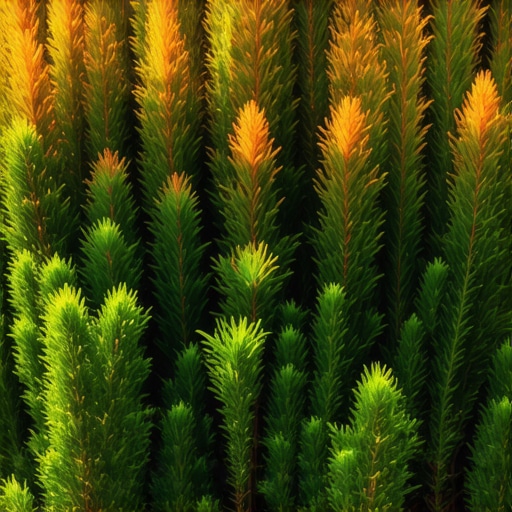
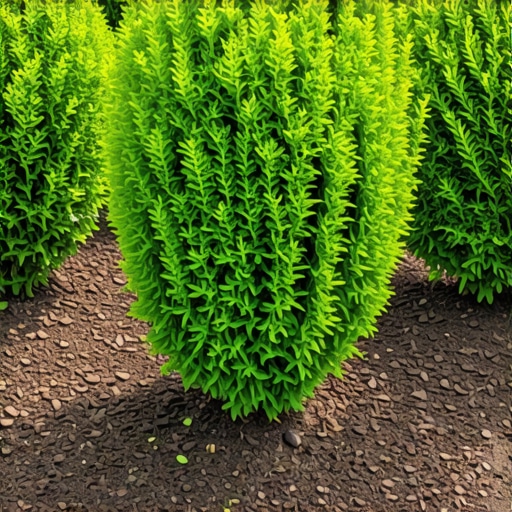
Why Your Boxwoods Are Turning Orange Boxwoods turn orange primarily due to winter bronzing, pathogenic blight, or chronic soil drainage failures. This physiological response indicates that the plant is no longer moving water or nutrients effectively through its xylem, often caused by root rot, frozen soil, or fungal pathogens like Calonectria pseudonaviculata. I always drill … Read more
The Safe Way to Remove a Large Dead Limb Without a Pro

The Safe Way to Remove a Large Dead Limb Without a Pro

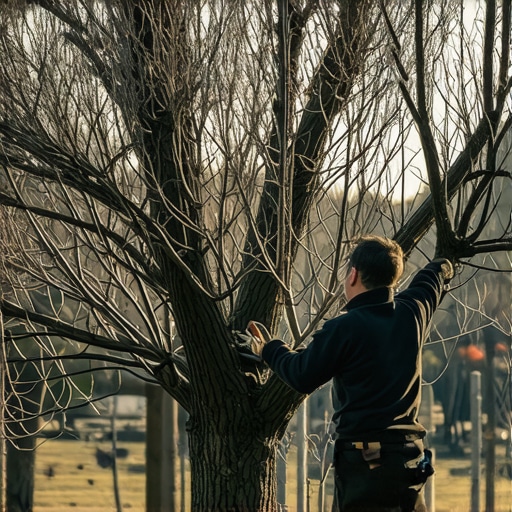
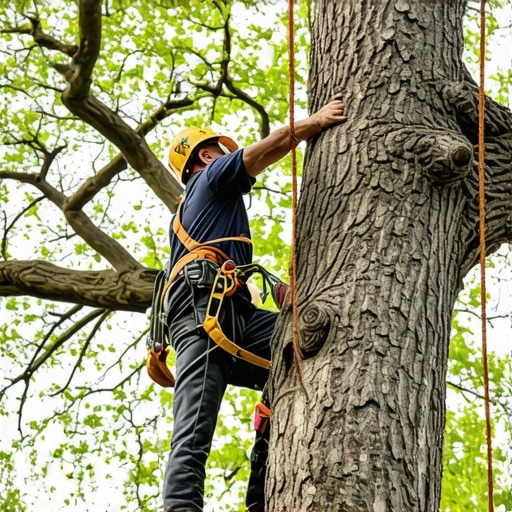
The Engineering Reality of Deadwood Management Removing a large dead limb is not a task of brute force; it is an exercise in civil engineering and biological preservation. To remove a large dead limb safely, you must utilize the three-cut method to manage the gravitational load and prevent bark stripping that destroys the tree’s vascular … Read more

The Reason Your Boxwood Leaves Are Turning Orange

The Reason Your Boxwood Leaves Are Turning Orange

You walk out to your front walkway and see it: that sickening, rusty hue creeping across your expensive English Boxwoods. It starts at the tips, a dull bronze that shifts into a brittle, burnt orange. As a landscaper who has spent twenty years excavating failed root balls and correcting amateur grading, I can tell you … Read more

Why You Should Never Use Standard Mulch Around New Shrubs

Why You Should Never Use Standard Mulch Around New Shrubs

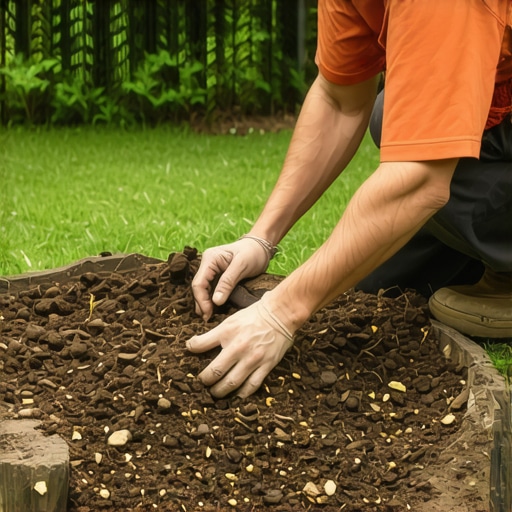
The Fatal Flaw of Standard Bagged Mulch in New Landscaping Standard mulch, specifically the cheap, dyed varieties found at big-box retailers, often acts as a biological barrier that prevents root establishment, causes nitrogen drawdown, and creates hydrophobic soil conditions that kill new shrubs and ornamental plantings within the first 18 months of installation. I always … Read more

How to Prune Crepe Myrtles Without Committing Murder

How to Prune Crepe Myrtles Without Committing Murder

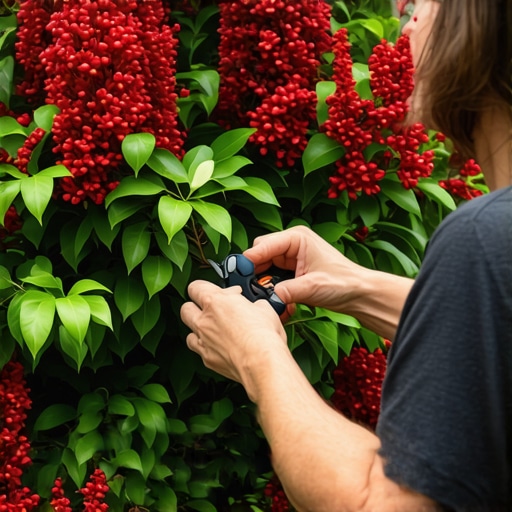
The Horticultural Crime Known as Crepe Murder Pruning a crepe myrtle requires a focus on structural integrity, air circulation, and the preservation of the tree’s natural canopy. To avoid ‘crepe murder,’ you must identify the main trunks and only remove suckers, crossing branches, and dead wood rather than topping the tree at a uniform height. … Read more

How to Prune Overgrown Azaleas Without Killing Next Year’s Blooms

How to Prune Overgrown Azaleas Without Killing Next Year's Blooms

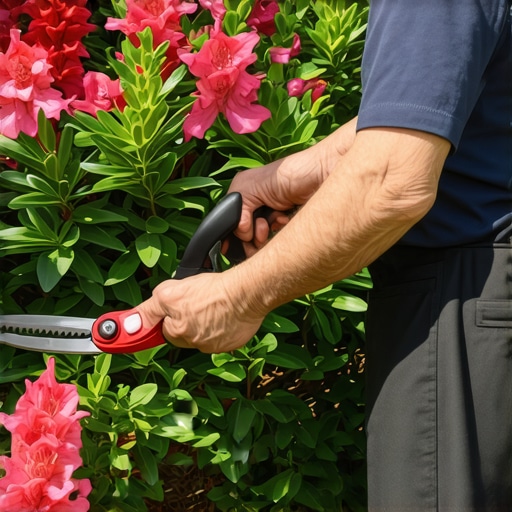
The Foundation of a Healthy Landscape To prune overgrown azaleas without sacrificing next year’s blooms, you must perform selective heading-back cuts or renewal pruning immediately after the spring flowering cycle ends and before flower buds set in mid-summer. This timing ensures the shrub has enough growing season to develop new wood. I always drill into … Read more