Building 2026 Backyard Streams: The 3-Tier Rock Rule

Building 2026 Backyard Streams: The 3-Tier Rock Rule
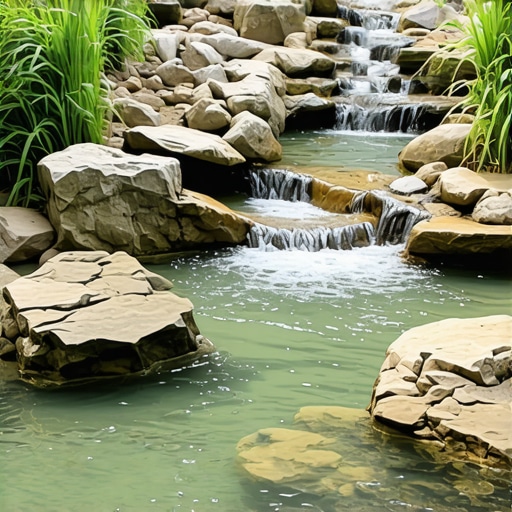
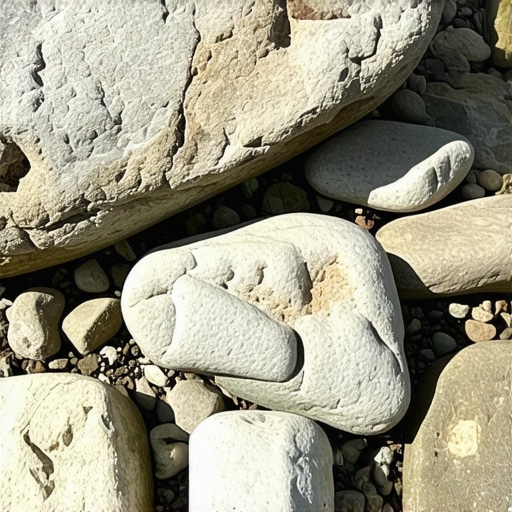
The Engineering of a 2026 Backyard Stream Building a functional, durable backyard stream in 2026 requires more than just digging a trench and laying down plastic. The 3-Tier Rock Rule is a fundamental engineering principle for backyard stream construction that utilizes three specific sizes of stone to ensure liner stability, prevent erosion, and maximize biological … Read more
Installing 2026 Pond Skimmers to Reduce Leaf Muck

Installing 2026 Pond Skimmers to Reduce Leaf Muck

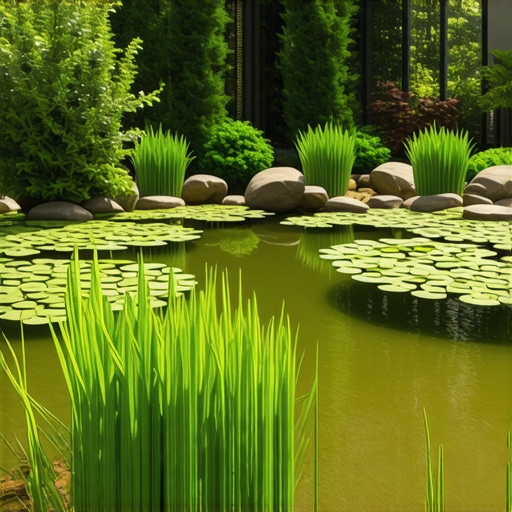
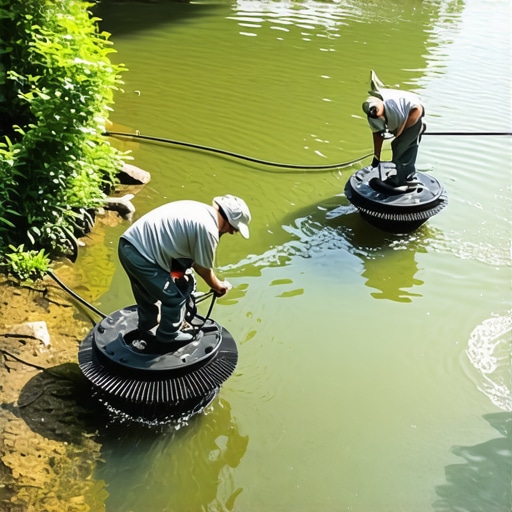
The Forensic Autopsy of a Dying Water Feature Pond muck is the toxic byproduct of organic debris like leaves and fish waste that settles on the bottom, creating an anaerobic environment that produces hydrogen sulfide gas. To stop this, you must install a high-performance mechanical skimmer that captures debris at the surface before it sinks … Read more

How to Winterize Your Pond Fish Without Moving Them

How to Winterize Your Pond Fish Without Moving Them

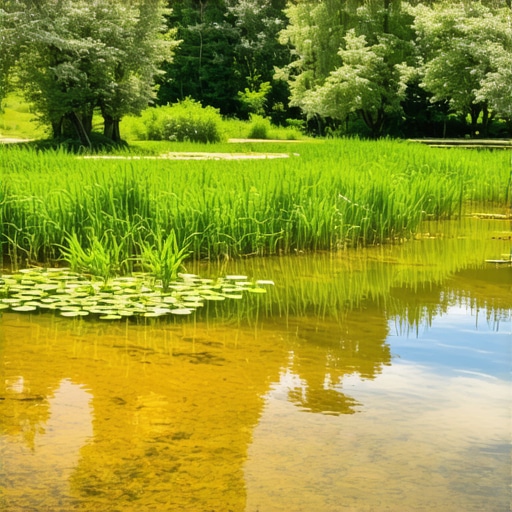
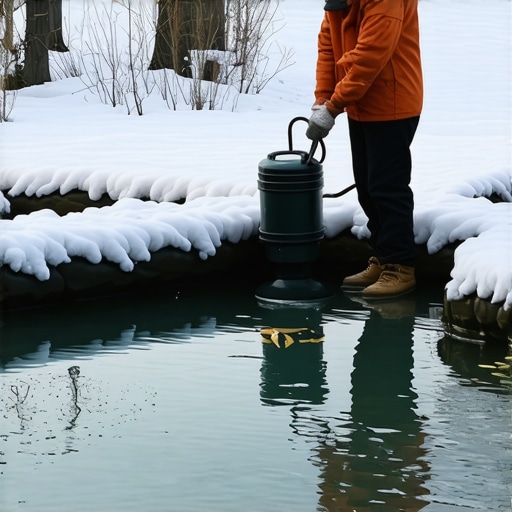
The Physics of Winter Survival: Why Most Pond Fish Die To winterize your pond fish without moving them, you must maintain a 24-inch minimum depth, install an aerator for gas exchange, and terminate feeding once water temperatures hit 50°F. Managing the dissolved oxygen and preventing hydrogen sulfide buildup are the only ways to ensure survival … Read more

Why Your Pond Water is Dark Brown and How to Clear It

Why Your Pond Water is Dark Brown and How to Clear It

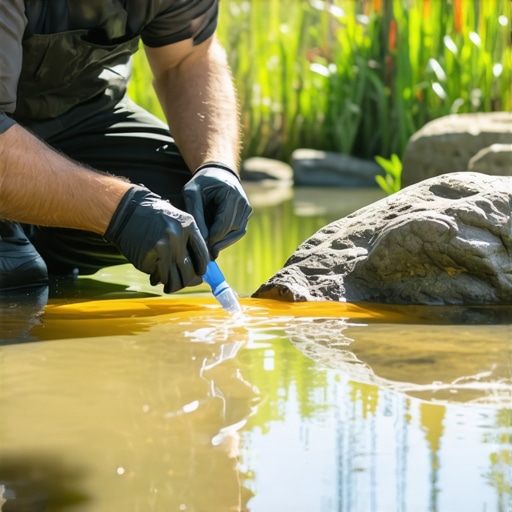
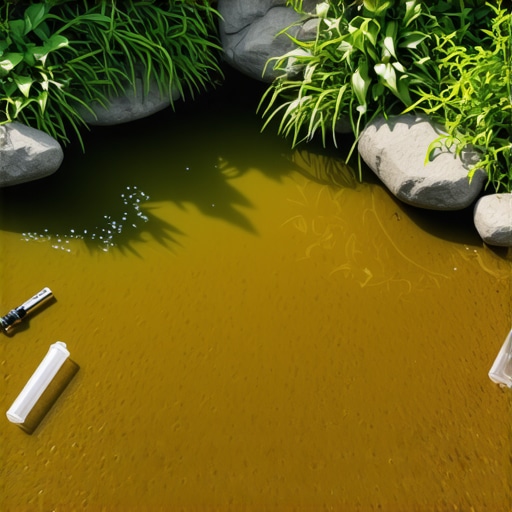
What Causes Brown Pond Water? Brown pond water is primarily caused by dissolved organic carbon (tannins) from decaying leaf litter or suspended inorganic solids (sediment) resulting from poor soil stabilization and drainage. Identifying the source requires a simple jar test to distinguish between chemical staining and physical turbidity which dictates the specific remediation protocol needed … Read more