Why Your Fertilizer is Burning Your Grass Instead of Feeding It

Why Your Fertilizer is Burning Your Grass Instead of Feeding It
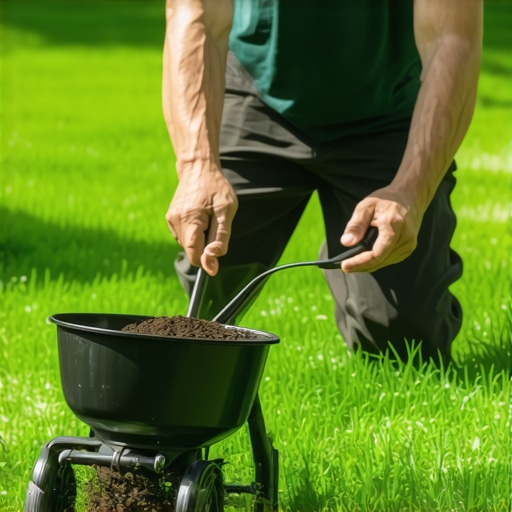
The Anatomy of a Chemical Burn: Why Nitrogen is a Double-Edged Sword Fertilizer burn, or osmotic desiccation, occurs when high concentrations of nitrogen salts in the soil pull moisture out of the turf roots rather than providing nutrients. To avoid this, you must prioritize slow-release nitrogen sources, calibrate your spreader equipment accurately, and ensure your … Read more
The Fast Way to Identify and Kill Dollar Spot Fungus

The Fast Way to Identify and Kill Dollar Spot Fungus

The Forensic Autopsy of a Failing Lawn: Identifying Clarireedia Dollar spot fungus is a persistent turf pathogen characterized by straw-colored, circular patches approximately the size of a silver dollar that appear when nitrogen levels are depleted and leaf wetness is prolonged. This disease, caused by the fungus Clarireedia (formerly Sclerotinia homoeocarpa), targets the leaf blades … Read more

How to Kill Grubs Without Harming Your Earthworms

How to Kill Grubs Without Harming Your Earthworms

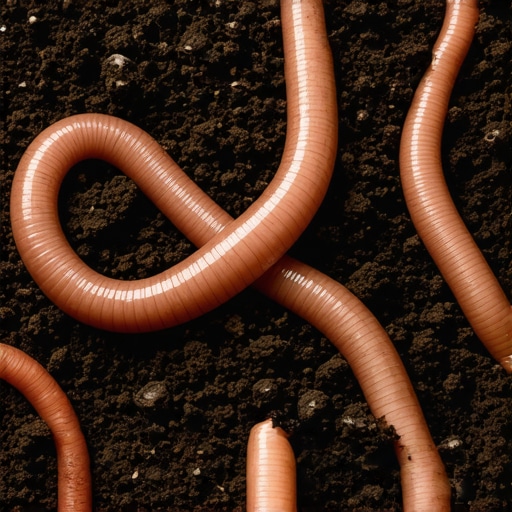
The Forensic Autopsy of a Dying Lawn To effectively kill grubs without harming earthworms, you must utilize targeted biological controls such as Heterorhabditis bacteriophora (Hb) nematodes or Bacillus thuringiensis galleriae (Btg), which specifically disrupt the beetle larvae lifecycle without impacting the annelid physiology of beneficial earthworms. Avoid broad-spectrum synthetic neurotoxins like carbaryl or imidacloprid, which … Read more

Why Your Lawn Seed Isn’t Sprouting on Your Silt Soil

Why Your Lawn Seed Isn't Sprouting on Your Silt Soil

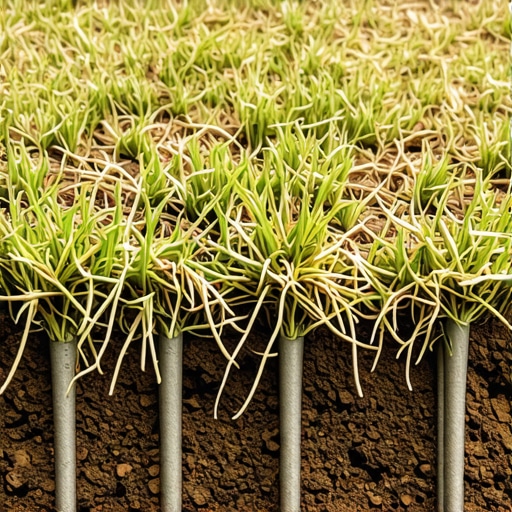
The Surface Tension Trap: Why Silt Soil Refuses to Let Seed Breathe Silt soil prevents seed sprouting primarily through surface crusting, where fine particles consolidate into a concrete-like layer after rain or irrigation. This physical barrier blocks oxygen and prevents the coleoptile from breaking through, essentially suffocating the germinating seed before it ever sees daylight. … Read more

Why Spring Pre-Emergent Fails to Stop Crabgrass Every Year

Why Spring Pre-Emergent Fails to Stop Crabgrass Every Year

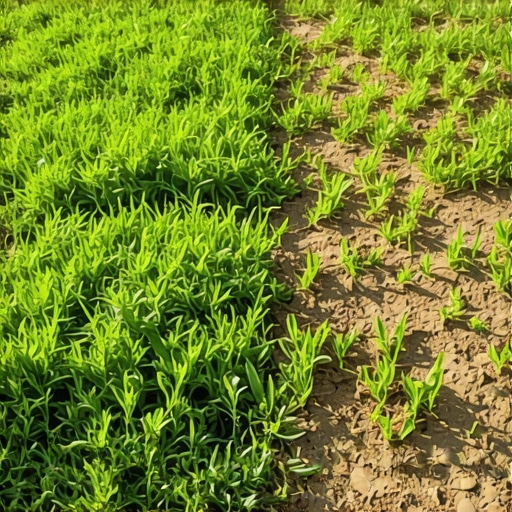
The Forensic Autopsy of a Failed Crabgrass Barrier Crabgrass prevention fails because homeowners apply pre-emergent based on the calendar rather than soil temperature, which must be consistently 55 degrees at a two-inch depth, and they fail to account for the soils microbial breakdown of the chemical barrier. You see the yellow-green stalks of Digitaria sanguinalis … Read more