January 13, 2026 | Michael Smith

Top Sod Installation & Irrigation Tips for a Thriving 2025 Lawn
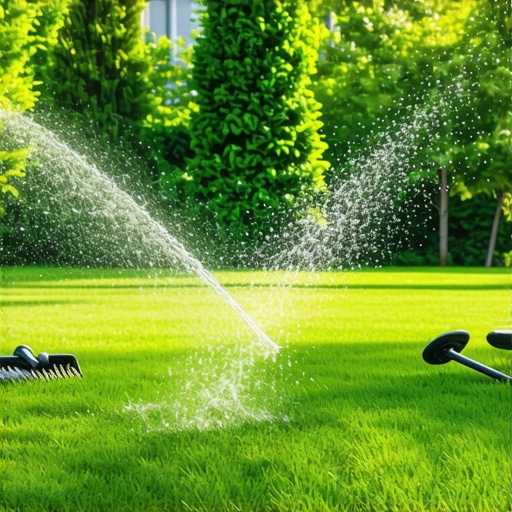
Top Sod Installation & Irrigation Tips for a Thriving 2025 Lawn

There was a moment last spring when I looked out at my yard, and instead of a lush, green paradise, I saw a patchy, uneven mess. My heart sank. I realized I had overlooked a crucial part of lawn care—irrigation—and it was costing me dearly. That lightbulb moment led me down a path of concrete lessons about what really makes a lawn thrive.

The Real Reason Your Lawn Struggles Might Be Surprisingly Simple

In my experience, the secret to a vibrant lawn isn’t just about laying down fresh sod or watering randomly. It’s about understanding the synergy between top-notch sod installation and precise irrigation strategies—that’s the golden ticket to ensuring your yard looks stunning come 2025. If you’re like I was, you might be overwhelmed by all the advice out there. Trust me, I’ve been there. But here’s the thing: the right approach can transform your yard from average to envy-inducing. Today, I promise to share with you the exact tips and tricks that helped me pull my lawn out of disappointment and into the lush, healthy space I always wanted.

Is It Worth Investing Time and Money in Proper Lawn Care?

Many folks, including myself early on, underestimate the importance of investing in proper sod installation and irrigation. A costly mistake I made initially was choosing the cheapest sod without considering drainage or climate compatibility—an oversight that led to patchy growth. But after I learned the correct methods, including strategies from professionals, my lawn started transforming. According to research by the University of California, proper irrigation can improve turf health by up to 70%. That’s a game-changer, and I want you to experience that on your own lawn. So, if you’ve faced issues like uneven growth, brown patches, or water wastage, you’re not alone—and the solutions are closer than you think. Let’s dive into how to make your yard beautiful and resilient in 2025, starting with understanding how to get your sod to root firmly and how to water efficiently.

Preparing Your Soil and Landscape

Start by clearing debris, weeds, and any old grass. Use a rake to remove all unwanted material, then aerate the soil with a garden fork or aerator machine to loosen compacted ground, much like a sponge needs to breathe before soaking up water. This process promotes root growth and ensures even water absorption. For a visual guide, check out pro sod installation and irrigation tips.

Selecting and Laying the Right Sod

Choose high-quality, climate-appropriate sod. When laying it, stagger the seams like bricks in a wall to prevent patches from forming. Roll the sod with a roller to remove air pockets and enhance soil contact. I once nervously unrolled the sod late evening, knowing every mistake would cost me a patchy lawn later, but the effort paid off with a uniform, healthy look. For detailed tactics, visit expert sod installation strategies.

Establishing an Efficient Watering Routine

Set up a drip or sprinkler system that mimics nature’s gentle rain—deep, infrequent watering. Water early in the morning when evaporation is low, allowing moisture to reach the roots deeply. For precise watering schedules, consider professional design insights found at best irrigation system strategies. Remember, overwatering causes shallow roots, while underwatering stresses the grass—balance is key.

Timing and Frequency for Watering

Initially, keep the soil consistently moist for the first two weeks to help roots establish. Afterwards, reduce frequency but increase depth—think of it as teaching roots to search downward for water, strengthening them against drought. A personal tip: I set my timer for early mornings and checked soil moisture manually, adjusting as needed. This hands-on approach ensured I didn’t waste water and promoted healthy growth. Learn more at expert irrigation tips.

Monitoring and Adjusting Your System

Regularly observe your lawn’s response—look for dry patches or overly soggy areas. Use a screwdriver to test soil moisture; if it’s hard to push in, it’s too dry. Adjust your watering schedule accordingly. Installing a smart controller can automate these adjustments, much like a thermostat managing home temperature. Remember, a well-maintained system makes a visible difference, as outlined in expert landscaping irrigation strategies.

Keep Roots Healthy with Proper Fertilization

Apply a balanced fertilizer every 6-8 weeks, focusing on nitrates for vigorous growth. Use a spreader for uniform coverage and water afterward to activate nutrients. Think of fertilization as giving your lawn a nutritional boost, similar to human vitamins—you only get the best results with precise application. For in-depth fertilization techniques, visit ultimate sod install irrigation tips.

Regular Maintenance for Lasting Beauty

Mow high—about 3 inches—to promote deep roots and shade out weeds. Remove clippings and aerate annually to prevent soil compaction. Keep an eye out for pests or diseases and treat promptly. Consistent care, like a routine workout, pays dividends with a lush, healthy lawn. Delve into top yard cleanup tips for more tips to sustain your yard’s beauty.Many homeowners believe that yard cleanup and landscaping are straightforward tasks, but seasoned landscapers know there’s more beneath the surface. A common misconception is that aggressive clearing or over-planting instantly enhances a yard’s appeal. In reality, such approaches can harm soil health and plant vitality, leading to long-term issues. For example, removing too much organic matter disrupts the natural microbiome essential for plant growth, as highlighted in a study by the University of Illinois.

Why do some lush-looking lawns still struggle despite proper maintenance?

Often, the overlooked factor is soil structure and compaction, which can impede root growth and water penetration. Aeration and soil testing become crucial steps that many skip, unknowingly setting the stage for future problems. When installing sod or establishing irrigation systems, neglecting the soil’s current condition can result in poor water absorption and uneven growth, even if all other elements are perfect. Instead of following generic tips, understanding the soil’s specific needs and tailoring your approach ensures sustainable health. For instance, integrating organic amendments or adjusting irrigation schedules based on soil moisture data enhances overall resilience. Remember, every element interacts uniquely in your landscape—what works in one yard might be counterproductive in another. Always perform a comprehensive assessment before diving into major projects. Professional sod installation and irrigation tips can guide you through crafting a personalized strategy, avoiding common pitfalls and ensuring your yard flourishes. Keep in mind that easy fixes often mask deeper issues—taking the time to analyze and adapt your approach can save you trouble down the line. Don’t be discouraged—proper knowledge equips you to make smarter decisions and enjoy a stunning landscape. Have you ever fallen into this trap? Let me know in the comments.

How do I keep my landscaping tools in top shape over time?

Investing in quality tools is crucial, but proper maintenance extends their lifespan and ensures optimal performance. I personally swear by maintaining a sharp mower blade; a dull blade tears grass, weakening the plant and inviting disease. Regularly clean clippers and pruners with rubbing alcohol to prevent rust and bacterial transfer, which can cause diseases in your plants. Using a high-quality garden mulcher helps break down organic waste efficiently, returning nutrients to your soil, and saving you money on fertilizers. For pruning larger branches, I rely on a sharp, lightweight extendable pole saw—it’s versatile and reduces strain, allowing me to trim high branches safely. Keep tools dry and store them in a climate-controlled shed to prevent corrosion and damage. Incorporating routine checks into your schedule—like sharpening mower blades every 8-10 hours of use—can dramatically improve your yard’s appearance.

What software or tech can help me manage yard projects more efficiently?

Modern landscaping isn’t just about manual labor; technology plays a big role in planning and execution. I use landscape design software like SketchUp to visualize different layouts and identify potential issues before breaking ground. For scheduling watering and maintenance tasks, smart irrigation controllers such as Rachio enable me to set adaptive watering schedules based on real-time weather data, conserving water while keeping my lawn healthy. Additionally, soil moisture sensors linked with mobile apps give me precise data, so I avoid over- or under-watering—crucial for establishing deep roots with sod. Future trends suggest increasing integration of AI-driven systems that monitor plant health and suggest specific interventions, making yard care more proactive than reactive. Embracing these tools helps extend the lifespan of your landscaping investments and reduces waste.

How do I maintain long-term results with my landscaping investments?

Long-term success depends on a consistent maintenance routine that adapts to seasonal changes. Regular aeration and overseeding help combat soil compaction and keep grass dense, shunning pests and weeds. As highlighted in the pro advice on sod and irrigation, a well-maintained soil structure ensures roots are healthy and resilient. Incorporate organic compost annually to boost soil vitality, which in turn supports sustained lush growth. Additionally, setting up a seasonal schedule—like late spring soil testing and fall cleanups—ensures your yard remains attractive year-round. Using durable, weather-resistant equipment and staying educated on new techniques can make all the difference in achieving yard perfection that endures over time. Remember, investing in a quality aerator or pest control system can lock in your lawn’s health for years to come.

Scaling your yard care approach for bigger projects

If your landscape expands or you decide to add features like a water fountain or garden beds, consider modular tools that adapt to larger areas. Heavy-duty aerators, multi-zone sprinkler systems, and professional-grade soil testers become valuable assets. For instance, upgrading to a programmable irrigation controller allows you to customize watering for multiple zones, optimizing water use across diverse plantings. Professional-grade landscaping tools, such as gas-powered trenchers, save time during large installations, ensuring your yard’s transformation is efficient and precise. As your yard grows, documenting your maintenance routines and progress through digital logs can help keep everything on track. Investing in scalable, high-performance equipment positions you for long-term success, making future projects smoother and more manageable. Start with ensuring your existing tools are properly maintained, then gradually integrate advanced technology to elevate your landscaping game.

Transforming your yard isn’t just about aesthetic appeal—it’s about cultivating a resilient, thriving outdoor space that brings joy and pride. Throughout my journey, I’ve uncovered some priceless insights that go beyond basic tips, shaping a sustainable, beautiful landscape. I’m excited to share these lessons to help you avoid common pitfalls and unlock your yard’s full potential in 2025.

What I Wish I Knew Before Starting My Yard Revival

  • Don’t Overlook Soil Health: I initially focused solely on plants and grass, but neglecting soil testing and organic amendments hampered growth. Healthy soil is the foundation of lush lawns and thriving gardens. Conduct a comprehensive soil assessment and amend accordingly; it truly makes a difference.Learn more about soil preparation for sod installation.
  • Balance Aesthetics with Functionality: Fancy garden features look great but can hinder maintenance. I realized functional design—like accessible pathways and proper drainage—saves time and effort in the long run. Aim for a harmony between beauty and practicality.
  • Invest in Quality Tools and Maintenance: Dull tools and neglected equipment cause more harm than good. Regular maintenance and investing in quality gear ensure efficient work and healthier plants. Trust me, a sharp mower and well-maintained pruners are worth every penny.

Ideas for Deepening Your Yard’s Resilience and Charm

  • Embrace Smart Technology: Incorporate soil moisture sensors and smart controllers to optimize watering without waste. These tools help maintain perfect moisture levels and promote deep root growth, making your yard more drought-tolerant.
  • Prioritize Organic Practices: Use organic fertilizers and compost to enhance soil vitality naturally. Not only does this reduce chemical use, but it also improves long-term plant health.
  • Plan Seasonal Check-ins: Schedule regular yard assessments. Frequent tweaks based on weather patterns and plant needs keep your landscape vibrant year-round. It’s about proactive care, not reactive fixes.

Resources That Have Transformed My Approach

  • Pro Sod Installation and Irrigation Tips: Expert advice on establishing a healthy foundation; essential for any serious yard project. I rely on their comprehensive guidance to avoid costly mistakes.
  • Landscaping and Yard Cleanup Strategies: Effective methods for maintaining your yard’s beauty with minimal effort. These resources save me time and stress.
  • Smart Irrigation Control Systems: Investing in technological solutions has revolutionized my water management. The detailed guides help me set up and optimize these systems with confidence.

Your Green Thumb Moment Awaits

Every challenge in yard care offers a chance to grow—literally and figuratively. Embrace these insights, take proactive steps, and watch as your outdoor space transforms into a lush, resilient oasis in 2025. Remember, the most rewarding landscapes are built on patience, learning, and a willingness to adapt.

What’s one yard project you’re excited to tackle in 2025? Drop your plans or questions below—I’d love to hear your story!

January 13, 2026 | Michael Smith

Sod Install & Irrigation: Expert Strategies for Lush 2025 Lawns

Sod Install & Irrigation: Expert Strategies for Lush 2025 Lawns

I still remember the moment I looked out my window last spring and realized my freshly laid sod was turning a dull, patchy brown. It was a lightbulb moment—my weekend project was turning into a lawn disaster. Like many gardening enthusiasts, I thought I could wing it, but that little mistake cost me precious time and extra dollars to fix. Since then, I’ve learned that a lush, thriving lawn isn’t just about tossing down some grass and watering haphazardly—it’s a science and an art.

Why Your Lawn’s Future Depends on Smart Sod & Irrigation Choices

Today, I want to share what I’ve discovered: the importance of strategic sod installation combined with effective irrigation. Achieving that emerald, healthy lawn in 2025 isn’t a matter of luck; it’s about applying expert techniques from the start. If you’re tired of battling patchy grass, drought stress, or weeds overtaking your yard, stick with me. We’re about to overhaul your approach based on real-world experience and proven strategies, so your lawn becomes the envy of the neighborhood.

Is Overhauling Your Yard Worth the Effort and Cost?

One common skepticism I had early on was whether investing in professional-grade sod and irrigation was truly worthwhile. My mistake was choosing the cheapest sod I could find, thinking savings now would pay off later. Spoiler alert: it didn’t. The grass was thin, and I spent double fixing the issues. According to landscaping experts, proper sod installation, paired with tailored irrigation, can reduce water waste by up to 50% while delivering a healthier, more resilient lawn. For tailored advice, check out expert sod and irrigation tips for a lush lawn in 2025.

So, do you find yourself endlessly watering, fertilizing, or just hoping your lawn improves? If yes, read on. I’ll guide you through practical, straightforward steps to get your yard thriving—without wasting time or money—and make that lush grass a reality you can be proud of. Let’s dive into the core strategies that will transform your outdoor space into a vibrant oasis.

Prepare Your Site for a Thriving Lawn

Start by clearing your yard of debris, weeds, and old grass to create a smooth, level surface. Use a rake and a landscape roller to flatten uneven patches, which helps prevent future drainage issues and ensures uniform sod placement. I once spent an entire saturday removing stubborn weeds and leveling a patchy area, which paid off when the sod laid smoothly and rooted quickly.

Get the Right Sod and Delivery Timing

Select high-quality sod suited for your climate and soil conditions, referencing expert sod and irrigation tips. Plan your installation for a day with overcast skies or early morning to reduce stress on the new grass and avoid quick drying. I once scheduled a Saturday morning, and the cool, cloudy weather helped the sod root before the afternoon sun hit, leading to quicker establishment.

Lay the Sod with Precision

Unroll the sod pieces tightly together without overlapping; stagger the seams like brickwork to prevent cracks. Use a sharp knife for trimming edges and corners. Place the rolls in the same orientation for uniformity. Think of this step as laying bricks — precision here ensures a seamless look and faster rooting. During my first attempt, rushing led to uneven edges and long-term gaps, which I fixed with timely trims and repositioning.

Water Deeply, Not Often

Immediately after installation, water the sod thoroughly, ensuring the soil beneath is moist to a depth of at least 6 inches. Continue a daily watering schedule, providing about 1 inch of water per session. Use a rain gauge or straight-sided container to measure. Remember, deep watering encourages roots to grow downward, making your lawn more drought-resistant. I kept a spray bottle handy and marked my watering times for consistency, which resulted in healthier, deeper roots.

Install a Smart Irrigation System

Invest in a zone-based irrigation system with timers and moisture sensors to avoid overwatering and waste. Use pro irrigation strategies tailored for your yard’s specific needs. During my setup, I used soil moisture sensors that turned off the sprinklers once optimal moisture was reached, reducing water bills and preventing soggy soil that can cause root rot.

Maintain Consistent Care and Adjustment

Monitor your lawn’s progress, watching for signs of drought stress, pests, or weeds. Adjust watering schedules accordingly; early mornings are best for reducing evaporation. Apply a light fertilization focused on root development after two weeks. One time, I ignored a slight dry patch, which became a brown spot—prompt action and adjusted watering fixed it within days.

Many homeowners believe that choosing the most expensive sod or installing a high-end irrigation system guarantees a lush yard. However, this is a misconception that can lead to costly mistakes. The truth is, understanding the nuances of proper installation and maintenance is what truly makes a difference. For instance, grass type selection and soil preparation often get overlooked, yet they are critical factors in success. According to landscape expert Davey Tree Expert, improper soil testing before sod installation can reduce root penetration by up to 30%, leading to weaker lawns that require more water and fertilization. Therefore, blindly following popular advice without understanding the specific needs of your yard can be detrimental.

One common myth is that watering more equals healthier grass. In reality, overwatering can cause root rot, promote weed growth, and waste water resources. The real trick is to deeply water less frequently, encouraging roots to grow downward and creating a resilient lawn. Many mistake quick, shallow watering for good practice, but this can leave roots shallow and vulnerable. For advanced homeowners, installing a smart irrigation system with moisture sensors can optimize watering schedules, ensuring efficiency and health.

How can I avoid common irrigation pitfalls and optimize watering strategies?

This question often troubles experienced landscapers as well. An overlooked nuance is understanding the microclimates within your yard. Variations in sunlight, shade, and wind can significantly impact soil moisture levels. For example, shaded areas may retain moisture longer, while exposed spots dry out quickly, requiring tailored watering schedules. Implementing zone-based irrigation with adjustable settings ensures each section receives appropriate care. Studies from the EPA highlight that such targeted watering reduces water use by 25-50%, saving you money and promoting lawn health. The key is to monitor soil moisture regularly and adjust your system accordingly.

Another mistake is neglecting yard cleanup and soil health. Failing to remove debris and aerate compacted soil can inhibit root growth, regardless of how good your sod or irrigation system is. Proper yard maintenance, combined with understanding the advanced techniques above, ensures your investment in turf and landscaping yields long-term rewards. Remember, a lush lawn is about more than just aesthetics; it reflects a well-rounded approach grounded in knowledge and precise execution.

Have you ever fallen into this trap? Let me know in the comments.

Keeping your lawn in top shape doesn’t happen by chance; it requires the right tools and consistent maintenance routines. Over the years, I’ve discovered that investing in quality equipment and adopting effective habits can significantly extend the life of your sod and landscaping efforts. One essential tool I rely on is a **soil moisture meter**. Unlike relying solely on visual cues, a moisture meter provides precise readings of soil hydration levels, helping me avoid both underwatering and overwatering, which can harm roots and waste water. For larger yards, a **programmable irrigation controller** paired with soil moisture sensors—like the eco-friendly smart system—ensures my lawn receives water when needed, even during busy weeks.

Regular yard maintenance tools also play a critical role. A **core aerator** is a game-changer; it alleviates soil compaction, promotes healthy root growth, and improves nutrient absorption. I use mine at least once a year, especially after summer to repair any damage caused by drought stress or foot traffic. Additionally, a sturdy **landscape rake** simplifies debris removal and overseeding, which keeps my lawn thick and vibrant. To keep things efficient, I’ve adopted a **battery-powered blower**, which makes quick work of leaves and clippings without exhausting me or generating excessive noise.

Looking ahead, I believe the trend toward integrated, smart garden systems will continue to grow. From automated watering to drone-based lawn monitoring, technology is making yard care more precise and less time-consuming. As these tools become more affordable and user-friendly, I recommend homeowners experiment with a combination of devices for their specific yard needs. For example, integrating a **smart sprinkler system** with app controls can adapt watering schedules based on weather forecasts, reducing water waste and ensuring optimal moisture levels.

How do I maintain my irrigation system over time?

Proper upkeep of your irrigation setup is crucial for long-term success. Regularly check and clean the filters and drip emitters to prevent clogs. Replace batteries or update controller software annually to keep your system running smoothly. During winter, drain and winterize your system if you experience frost, preventing cracks and leaks come spring. Incorporating a **maintenance checklist**—which includes inspecting rain sensors and adjusting zones seasonally—ensures your system remains efficient year-round.

To truly leverage these tools, I suggest trying out soil moisture sensors combined with smart controllers. This setup has dramatically reduced my water bills and improved my lawn’s resilience. If you haven’t already, invest in one of these systems—your turf and wallet will thank you. For more detailed guidance, I recommend reviewing expert landscaping tips for comprehensive yard maintenance strategies that complement your irrigation systems. By staying proactive and using the right equipment, you’ll keep your lawn thriving season after season, transforming your yard into a lush oasis that turns heads. Ready to make your yard maintenance smarter? Start by installing a soil moisture meter today and see immediate benefits in your lawn’s health.

The Toughest Lessons That Changed My Yard Game

One of the biggest surprises I faced was realizing that patience and attention to detail outweigh quick fixes. Rushing the sod installation or ignoring soil prep seemed like minor missteps at the time, but they set me back months. I learned that taking the time to understand soil composition and choosing the right grass type was a game-changer. Additionally, sealing my irrigation system’s leaks early prevented long-term water waste and root problems, showing me that proactive maintenance can save a lot of headaches. And perhaps most importantly, listening to experts and my yard’s unique signals rather than following generic advice proved essential for real success.

My Go-To Tools and Resources for a Thriving Lawn

Investing in quality tools has truly paid off. A reliable soil moisture meter transformed the way I water, helping me avoid underwatering or overwatering. I trust the expert insights on sod and irrigation because they provided tailored advice that fit my yard’s specifics. For ongoing education, the book “Lawn Care for Dummies” keeps my basics sharp, and the pro yard cleanup strategies website offers seasonal tips I revisit each year to stay ahead. Combining trusted tools and reputable advice keeps my lawn healthy and inviting year after year.

Trust Yourself and Embrace the Growth Journey

One thing I’ve realized is that yard care is both a science and an art—there’s room for intuition and experimentation. When I started trusting my observations—like noticing when certain areas dried out faster—I could fine-tune my watering schedule effectively. Remember, every yard is unique, and your approach should evolve with your environment. Don’t hesitate to try new tools or strategies; your effort will be reflected in a lush, resilient lawn that boosts your home’s charm and your pride. Keep learning, stay patient, and watch your yard transform into a personal oasis. Ready to get your hands dirty and start your lawn journey today? Your best yard is waiting.

January 12, 2026 | Jane Doe

Landscaping: Top Tips for a Beautiful 2025 Yard Makeover

Landscaping: Top Tips for a Beautiful 2025 Yard Makeover

It was a Saturday afternoon, and there I was, sweating under the blazing sun, trying to fix my patchy, uneven lawn. Despite hours of work, it still looked like a forgotten patch of grass, not the lush garden I envisioned. That lightbulb moment hit me hard: I had no real plan. My yard’s potential was slipping away because I lacked the right strategies. If you’ve ever stared at your yard, feeling overwhelmed by poor growth or patchy grass, you’re not alone. Many homeowners find themselves stuck, unsure where to start. But here’s the good news: you don’t have to stay stuck. With a few insider tips and some practical steps, you can achieve a stunning transformation by 2025. Today, I’m here to share proven techniques to revamp your yard, from selecting the perfect sod to creating an irrigation system that keeps everything thriving. Whether you’re dreaming of an Instagram-worthy landscape or simply want a relaxing outdoor space, these tips will set you on the right path. According to landscaping experts, proper irrigation and soil preparation can boost lawn health dramatically, often by over 50% in the first year alone. So, if you’re tired of fighting brown patches and patchy growth, stick with me. We’ll go through the essential steps to help you cultivate a vibrant, healthy yard that you’ll be proud of. Ready to roll up your sleeves and get started? Let’s dive into how you can finally turn your outdoor space into the lush paradise you’ve always wanted.

Lay the Foundation with Proper Soil Preparation

Start by removing existing debris, weeds, and uneven patches. Use a rake or cultivator to loosen compacted soil, which promotes better root growth. Mix in organic compost or soil amendments to improve fertility and drainage. Think of your soil as the canvas—clean and enriched for your grass to thrive. During my last project, I masked a muddy patch with fresh soil and compost, which immediately boosted turf growth and made future watering more effective.

Select and Install the Right Sod

Choose a high-quality, drought-resistant sod suited for your climate; consult top sod installation tips to get started. When laying the sod, imagine stacking bricks—align pieces tightly to avoid gaps. Unroll and cut sod to fit irregular edges using a sharp knife, then press down firmly. During my recent sod installation, I used a roller to press the sod into contact with the soil, which helped prevent air pockets and root separation, resulting in quicker establishment.

Water Strategically for Root Establishment

Immediately after installation, water thoroughly to saturate the soil beneath. Keep the soil moist but not waterlogged to encourage deep root growth. An irrigation system greatly simplifies this; consider designing a system that delivers even coverage, like in effective irrigation system design. I once set up a drip irrigation system that minimized runoff while keeping the sod consistently moist, which significantly sped up the rooting process. Regular, light watering sessions are preferable during the first few weeks, mimicking nature’s gentle rain to support healthy development.

Implement Consistent Lawn Maintenance

Establish a mowing schedule that avoids cutting more than one-third of blade height at a time. Keep your mower blades sharp to ensure clean cuts, reducing stress on the plants. Aerate the soil annually to relieve compaction and enhance nutrient uptake, much like opening pores on your skin for better breathing. Additionally, fertilize with a balanced, slow-release formula to provide nutrients over time. During my last yard makeover, I applied a nitrogen-rich fertilizer which revealed lush green color within weeks, making the lawn look vibrant and healthy.

Control Weeds and Patchy Areas Quickly

Address weeds promptly using targeted herbicides or manual removal. For patchy zones, reseed or patch with fresh sod as needed, ensuring the area matches the surrounding turf in texture and color. Think of your lawn as a team—quickly replacing weaker players strengthens overall performance. Once, I reseeded a bare patch with new grass seed, covered it with a thin layer of compost, and kept it moist. Within two weeks, it blended seamlessly with the rest of the yard, enhancing the full appearance.

While many homeowners focus on basic lawn care steps, there are nuanced mistakes and misconceptions that can hinder your yard’s transformation. One prevalent myth is that頻more fertilizer always results in a greener lawn. In reality, over-fertilization can lead to nutrient runoff, soil imbalance, and even disease susceptibility, according to turfgrass experts. Instead, precise application based on soil testing is key to healthy growth.

Is More Fertilizer Always Better for Your Lawn?

Another often overlooked mistake is misjudging the importance of soil pH levels. Many assume that nutrient-rich soil guarantees success, but pH imbalances can lock nutrients away from grass roots, stunting growth despite ample fertilization. Testing and adjusting soil pH with amendments like lime or sulfur ensures nutrients are accessible, improving lawn health significantly. For advanced lawn enthusiasts, understanding soil chemistry and its impact on nutrient uptake is crucial. You might consider consulting a soil testing service or expert for tailored recommendations. Moreover, a common misconception surrounds irrigation effectiveness. Many rely solely on timers without considering rainfall variability or soil moisture levels, leading to under or overwatering. An effective irrigation system isn’t just about coverage but also about smart management—incorporating rain sensors and soil moisture monitors to optimize watering schedules. Designing such a system may seem complex, but it’s worth the effort for a thriving yard. Check out detailed insights on effective irrigation system design to avoid costly mistakes. Finally, we often underestimate the importance of proper yard cleanup. Clearing debris, dead plant material, and ensuring good airflow can prevent pests and diseases from taking hold. An overlooked detail is the timing of yard cleanup—doing it before spring growth begins ensures your lawn starts the season healthy and ready. This proactive approach saves time and enhances curb appeal. Advanced landscapers recommend combining cleanup with soil aeration and compost application for maximum benefit. Be cautious not to disturb existing roots excessively during cleanup, as this can stress the grass. Incorporating these nuanced strategies leads to a healthier, more resilient lawn. Have you ever fallen into this trap? Let me know in the comments.

Maintaining a lush, vibrant lawn over time requires more than just initial effort; it demands the right tools and a proactive approach to upkeep. Personally, I rely on high-quality equipment that combines durability with precision. For establishing consistent watering, I swear by smart irrigation controllers like the Rachio 3, which integrate weather data to adjust watering schedules automatically. This not only conserves water but also ensures your lawn receives optimal hydration, preventing both overwatering and drought stress. When it comes to mowing, I invest in commercial-grade, self-propelled mowers equipped with adjustable blades and anti-clumping features, making weekly maintenance both efficient and effective. Regular aeration tools, such as core aerators with replaceable tines, are vital for relieving soil compaction—something I perform annually to promote root penetration and nutrient uptake. The secret to long-term health lies in these proactive maintenance habits, which can be scaled up as your lawn matures or your landscaping ambitions grow. Looking ahead, smart technology and automation will continue to revolutionize yard care, making it easier to sustain impressive results with less manual effort. For instance, integrating soil moisture sensors with your irrigation system can finely tune watering routines, saving time and resources. How do I maintain irrigation systems effectively over time? One proven strategy is to regularly inspect and clean sprinkler heads, ensuring even coverage and preventing clogs. Also, scheduling seasonal upgrades or recalibrations can adapt your system to changing weather patterns and lawn needs. I recommend setting reminders to verify system performance after heavy rainfall or during seasonal transitions, which can otherwise lead to unnecessary water waste or dry patches. For advanced users, consulting detailed guides like expert recommendations on irrigation design can refine your approach further. Don’t hesitate to try implementing a soil moisture monitoring system; it’s a game-changer for precision watering and long-term lawn health. Investing in quality tools and skills now yields a resilient, thriving yard that keeps impressing season after season.

The Hardest Lesson I Learned About Yard Revival

One of my most startling realizations was that rushing the process by over-fertilizing only set me back. Less is often more when it comes to nutrients; patience and soil testing reveal what your lawn truly needs. I once applied a heavy dose of fertilizer expecting quick green, but it caused burn spots and poor root development. Now, I rely on regular soil tests to guide precise feeding schedules, which saves money and produces healthier grass.

3 Myths About Turf Success That Held Me Back

Believing that more water equals a greener lawn led me to overwatering, promoting fungal diseases. It was eye-opening to learn that soil moisture sensors and weather-aware irrigation systems are game-changers—they help you water only when necessary, conserving resources and avoiding damage. I replaced my timer-based sprinkler with a smart controller; the difference in turf health was immediate and impressive.

What Lawn Experts Won’t Tell You About Soil pH

Adjusting soil pH might seem daunting, but it’s pivotal. I underestimated its importance until I noticed my lush green grass turning dull despite proper watering and fertilizing. Testing my soil revealed a slightly acidic pH, which I amended with lime, resulting in vibrant, resilient turf. Don’t overlook this step—your grass will thank you with richer color and stronger growth.

Where to Invest for Long-Term Yard Glory

Quality tools make all the difference. I swear by a durable, self-propelled mower for weekly cuts; sharp blades and appropriate height prevent stress. A core aerator each spring relieves compaction, while soil moisture monitors optimize irrigation. These investments result in less hassle and a consistently stunning yard. For tailored advice, consulting effective irrigation system design guidelines has been invaluable to me.

Igniting Your Yard’s Full Potential

Your dream yard is within reach. Start with small, consistent steps—soil prep, smart watering, regular maintenance—and watch your outdoor space flourish beyond expectations. Remember, a beautifully maintained lawn boosts curb appeal and your home’s value, making every effort worthwhile. Don’t wait for perfect conditions—your vibrant yard can begin transforming today. Are you ready to take the first step toward your lush paradise? Share your plans below and let’s motivate each other to turn dreams into reality!

January 11, 2026 | Michael Smith

Expert Sod Install & Irrigation Strategies for a Lush Lawn in 2025

Expert Sod Install & Irrigation Strategies for a Lush Lawn in 2025

I remember the exact moment I realized my backyard was more of a dirt patch than a lush paradise. It was after a long stretch of drought and neglect, and I looked out my window, feeling defeated by patchy grass and wilting plants. That lightbulb moment pushed me to dive deep into backyard landscaping and irrigation strategies, and let me tell you — it wasn’t just about spending money; it was about smart, strategic decisions that pay off. If your lawn feels more desert-like than inviting, you’re not alone. Many homeowners are facing the same struggle, especially with the unpredictable weather patterns in 2025.

Today, I want to share practical, expert-backed tips that transformed my yard and can do the same for yours. We’ll explore how to set up an efficient irrigation system, select the right sod, and manage yard cleanup without breaking the bank or losing your mind. Because a thriving lawn isn’t built on guesswork but on proven strategies and a little patience. So, if you’re tired of the endless patchiness and ready for a yard that invites compliments, keep reading — I’ve been there, and I’ve learned a few things along the way.

Why Expert Irrigation Makes All the Difference

One mistake I made early on was overwatering — thinking more water meant a healthier lawn. Instead, I was drowning the grass and encouraging disease, while leaving other areas parched. That costly error delayed my yard’s revival and taught me that proper irrigation isn’t just about quantity, but about precision and timing. Investing in an expert-designed irrigation system can conserve water — which is not only good for the environment but also your wallet. According to a report from the Environmental Protection Agency, using an efficient irrigation system can reduce water use by up to 50%, making it a smart choice for 2025’s changing climate conditions. If you’ve experienced inconsistent watering or brown patches, it might be time to overhaul your approach.

For a comprehensive guide on how to optimize your watering schedule, check out expert irrigation strategies for a perfect lawn. Implementing these tactics can turn your yard from patchy and stressed to uniformly green and resilient. And the best part? Modern irrigation tools can be automated, giving you peace of mind and saving thousands of gallons of water annually.

Have you ever struggled with uneven watering or brown patches that refuse to recover?

Install a Smart, Automated Irrigation System

During my first attempt to overhaul my yard, I installed a basic sprinkler setup that was manually operated. It was messy — hoses tangled, inconsistent watering, and wasting water. Learning from this, I opted for a professionally designed, automated irrigation system that tailored watering to my yard’s specific zones, based on soil type, sun exposure, and plant needs. Think of it as giving your lawn a personalized hydration plan, much like a fitness tracker for plants. When setting up, ensure your system includes moisture sensors and timers to adjust watering schedules dynamically. This prevents overwatering in shaded areas and ensures drought-prone patches receive enough hydration. For a detailed plan, explore [expert irrigation strategies for a perfect lawn](https://urbanlandscapingx.com/expert-irrigation-yard-cleanup-strategies-for-a-perfect-2025-lawn).

Precisely Position and Install Sod

Once your irrigation system is ready, focus on properly installing sod to establish a lush foundation. I remember my first sod installation — I was eager but rushed, which led to uneven patches and poor root establishment. To correct this, I prepared the soil meticulously: removing debris, aerating, and leveling it. Then, I laid the sod in a brick-like pattern, staggering joints to avoid seams lining up, reminiscent of laying bricks for stability. Watered immediately after install and kept the sod moist for the first two weeks, ensuring roots had a fighting chance to take hold. For best practices, refer to [top sod install irrigation tips](https://urbanlandscapingx.com/top-sod-install-irrigation-tips-for-a-lush-lawn-in-2025). Proper installation prevents future patches, reduces weed intrusion, and accelerates lawn maturity.

Streamline Yard Cleanup and Mulching

A neglected yard is like an untuned engine — it hampers growth and aesthetic appeal. I learned this firsthand when I left weeds and debris unaddressed, which hampered my new sod’s growth. I tackled this by removing all weeds, dead plants, and debris, then leveled the soil, preparing it for seed or sod. Mulching comes next; I spread organic mulch around the new grass and garden beds to retain moisture, suppress weeds, and improve soil health. Think of mulch as a cozy blanket for your yard, keeping everything in place and moist. Regular cleanup also involves trimming overgrown plants and removing fallen leaves to reduce pests and diseases. For a comprehensive cleanup guide, visit [top-yard cleanup landscaping tips](https://urbanlandscapingx.com/top-yard-cleanup-landscaping-tips-for-a-stunning-2025-garden). Consistent upkeep keeps your yard vibrant and maximizes your investment in irrigation and sod.

While most homeowners focus on choosing the right sprinkler or planting lush sod, there’s a common misconception that can sabotage your entire landscaping effort. Many believe that simply installing an irrigation system guarantees healthy, green lawns, but the reality is much more nuanced. In my experience, over-relying on automated systems without understanding their limitations often leads to uneven watering and wasted resources.

A prevalent myth is that setting your sprinkler on a timer suffices for all areas of your yard. However, different zones—shaded spots, slopes, or sandy soils—require tailored watering schedules. Failing to adjust these can result in persistent dry patches or overwatering, which encourages disease and root rot. The key lies in nuanced calibration and regular adjustments, rather than a one-size-fits-all approach. According to a study by the University of Florida, customized irrigation schedules can improve water efficiency by up to 30% and promote healthier root systems.

Why do so many people overlook soil health when installing sod or landscaping?

Many homeowners underestimate the importance of soil preparation. A common mistake is to lay sod directly on compacted or nutrient-depleted soil, which hampers root growth and leads to patchy lawns. Proper aeration, soil amendment, and pH balancing are critical steps often skipped in the rush to complete the project. Without these, even the best turf can struggle, wasting money and effort. For expert guidance, check out our comprehensive sod installation strategies.

Beware of the trap of over-mulching or under-planting during yard cleanup. Excessive mulching can smother young plants, while insufficient mulch leaves soil exposed, leading to moisture loss and weed invasion. Striking the right balance requires understanding your soil, climate, and plant choices. Regularly inspecting and adjusting your yard maintenance routines ensures your landscape remains resilient and vibrant. Learn more about balancing cleanup and mulch application at top yard cleanup tips.

Remember, successful landscaping hinges on attention to detail and understanding the nuanced needs of your yard. Are you falling for common pitfalls or optimizing your approach? Share your experiences or questions below. Let’s keep the conversation going and ensure your yard thrives in 2025 and beyond!

Keep It Working: Essential Tools for Long-Term Lawn Success

Ensuring your landscape thrives year after year requires the right equipment and a strategic approach. Personally, I rely on high-quality soil moisture sensors, such as the Titan Controls HydroSense, which provide real-time data on soil hydration levels. These sensors help me avoid overwatering or underwatering, a common mistake that can undo months of effort. Additionally, investing in a robust backflow preventer, like the Febco 765, ensures your irrigation system operates safely and complies with local regulations. Regularly calibrating your sprinkler zones with a spray pattern tester, such as the Orbit 57483 Indoor/Outdoor Spray Pattern Tool, guarantees even water distribution. Think of these tools as your yard’s health monitors—they catch issues early and save you money in repairs down the line.

In the future, I predict smarter, integrated landscape systems will become standard, combining weather data, soil sensors, and AI algorithms for optimal watering schedules. Embracing automation not only conserves water but also reduces manual labor, freeing you up for other gardening passions.

How do I maintain my irrigation system over time?

Regular maintenance is key to keeping your irrigation system functioning efficiently. I recommend inspecting spray heads and drip emitters monthly for clogs or damage, especially after storms or seasonal changes. Flushing your system once a year prevents mineral buildup—simulating a health check for your watering infrastructure. Replacing worn-out parts promptly prevents leaks and uneven coverage. Keep an eye on controller batteries and software updates to ensure your timers and smart controllers operate smoothly. To deepen your understanding, check out best irrigation system design strategies for a lush lawn in 2025. Implementing these maintenance routines extends the lifespan of your equipment and keeps your yard consistently beautiful.

Maximize Results with Expert Techniques

Beyond tools, applying best practices like soil aeration—using a core aerator—can improve water penetration and root oxygenation. I personally find that aerating in early spring jumpstarts turf recovery. Combining this with topdressing with organic compost boosts soil fertility and drainage. When it comes to sod installation, precise soil preparation—removing weeds, leveling, and pH balancing—sets the foundation for a lush lawn. As a pro tip, I recommend laying sod in a staggered brick pattern and watering immediately to promote strong root contact. For detailed advice, explore pro sod install irrigation best practices for 2025 lawns. These techniques, though meticulous, save you years of patchy trouble and help your yard withstand droughts and seasonal shifts.

Looking Ahead: Incorporating Technology for Effortless Maintenance

Emerging trends, such as remote-controlled sprinklers and AI-driven watering schedules, promise to make yard care more effortless. Imagine adjusting your system from your smartphone or having it automatically adapt based on weather forecasts—talk about peace of mind. I encourage gardeners to experiment with these smart tools to see immediate improvements without added hassle. Why not try setting up a smart controller with weather sensors this season? Weekly adjustments based on real-time data will keep your landscape resilient and thriving through unpredictable weather patterns.

Three Surprising Truths I Discovered About Backyard Makeovers

One of my biggest wake-up calls was realizing that perfect lawn care isn’t just about fancy tools or shortcuts but about understanding your soil’s unique personality. I once assumed that regularly watering was enough, only to learn that soil health and proper drainage are game-changers. This lesson transformed my approach, revealing that patience and tailored strategies outperform quick fixes every time.

Another eye-opener was the importance of precise zone calibration in my irrigation system. I used to set everything on timers and hope for the best, but I didn’t realize that shaded areas or slopes need customized schedules. This revelation saved water and revived patches that previously struggled, proving that attention to detail beats guesswork.

Finally, I learned that consistent yard cleanup isn’t just maintenance; it’s a proactive shield against pests, weeds, and disease. Clearing debris and mulching correctly created a thriving environment for my new sod, making every dollar spent on sod and irrigation more effective. These lessons weren’t intuitive but have been invaluable in creating a lush, resilient yard.

Must-Have Tools That Changed My Gardening Game

I rely heavily on soil moisture sensors like the Titan Controls HydroSense to prevent over or underwatering, helping me read my yard’s needs in real-time. Investing in a backflow preventer such as the Febco 765 ensures system safety and compliance, preventing costly repairs down the line. A spray pattern tester, like the Orbit 57483, has become my secret weapon for even water distribution. These tools have built a smarter, more efficient yard care routine that I trust and recommend for sustained lawn health.

Looking ahead, I’m excited about integrating AI-driven controllers that adapt watering schedules based on weather forecasts and soil data. Embracing these technologies means effortless maintenance and healthier yards, making every homeowner’s investment truly worthwhile.

Your Garden’s Next Chapter Starts Now

Creating a flourishing backyard isn’t about one big change but consistent, informed adjustments. As you implement irrigation, sod, and cleanup strategies, remember that the most beautiful gardens are cultivated with patience and curiosity. Keep experimenting, learning, and investing in tools and techniques that suit your yard’s unique needs. Your lush, vibrant outdoor space is within reach, and every step forward brings you closer to your dream landscape.

What’s your biggest challenge in yard care right now? Let me know below—I’d love to hear your story and share more tips to help you thrive in 2025!

January 11, 2026 | Emily Clark

Pro Yard Cleanup & Landscaping Ideas for a Pristine 2025 Garden

Pro Yard Cleanup & Landscaping Ideas for a Pristine 2025 Garden

I vividly remember a spring morning when I stepped outside, expecting to see a vibrant, lush yard. Instead, I was greeted by a chaotic mess of fallen leaves, overgrown weeds, and patches of dead grass. It was a wake-up call—if I wanted a stunning garden in 2025, I needed to rethink my approach to yard maintenance. That lightbulb moment sparked my journey into expert yard cleanup and landscaping strategies. Have you ever faced that overwhelming realization, looking at your yard and feeling clueless where to start? If so, you’re not alone. But here’s the good news: with the right techniques, you can turn even the most neglected yard into your favorite outdoor space.

Why a Pristine Yard Matters Now More Than Ever

In today’s fast-paced world, our yards serve as essential retreats—a place to unwind, entertain, and enjoy nature’s beauty. Yet, maintaining that perfect escape can feel daunting, especially if your yard has fallen into disrepair. Not only does a well-kept yard boost your home’s curb appeal, but it also enhances your property’s value and creates a healthier environment for your family. According to recent studies, a tidy and lush garden can increase property values by up to 15%, making investment in proper yard care more important than ever.

Moreover, with environmental concerns growing, implementing efficient irrigation and sustainable landscaping can save water and reduce utility bills. But the challenge remains: how do you start transforming a neglected yard into a thriving landscape? That’s where expert insights and proven strategies come into play. I’ve learned from my own mistakes—like rushing into sod installation without proper soil preparation—which only led to weeds and patchy grass. To avoid that, I turned to top resources and professional advice, guiding me through each step from cleanup to landscaping and irrigation.

Over the next sections, I’ll share practical, tried-and-true ideas to elevate your yard in 2025. Whether you’re contemplating a complete overhaul or just need a strategic refresh, these tips will help you craft a vibrant, low-maintenance outdoor space. Ready to get your hands dirty and make this year the one where your yard truly shines? Let’s dive into the essentials of expert yard cleanup and landscaping to get you started.

Is Overhauling Your Yard Worth the Effort

I used to think that backyard transformations were reserved for professionals or those with endless budgets. Early on, I made the mistake of attempting a DIY sod install without considering soil health or irrigation needs—an error that cost me time and money. It’s a common pitfall. But here’s the truth: with the right guidance and planning, even a novice can achieve stunning results. For more detailed ideas, check out expert yard cleanup and landscaping ideas. So, is it worth it? Absolutely—if you approach it with the right mindset and resources.

Start with a Thorough Cleanup

Before you think about planting or installing sod, clear the area of debris, overgrown weeds, and dead patches. I once jacked up my first cleanup attempt by neglecting hidden roots and tangled roots, which caused future growth issues. Use heavy-duty gloves, rakes, and a weed puller to remove stubborn weeds, loosening compacted soil in the process. For detailed strategies, visit professional yard cleanup tips. Proper cleanup sets a solid foundation for all subsequent work.

Level and Prepare Your Soil

Think of soil prep like tuning a musical instrument; if it’s out of tune, the whole symphony suffers. Use a garden tiller or pitchfork to aerate the soil, improving drainage and nutrient penetration. Remove rocks and sticks that could hinder root growth. If your soil is too acidic or alkaline, incorporate organic amendments like compost or topsoil to balance pH levels. I learned this the hard way after planting grass on poorly prepared soil—results were patchy and unsightly. For expert guidance, check soil excavation techniques.

Lay Out Your Landscaping Vision

Define areas for lawn, flower beds, pathways, and features. Use stakes and string to map out dimensions, ensuring symmetry and flow. I recall marking out curves for flower beds, then realizing I preferred a more casual, natural style after some adjustments. Visual planning prevents costly mistakes. Consider drawing a detailed plan or using design software; this simplifies communication with professionals if needed. For inspiration, explore landscaping visualization tips.

Choose the Right Sod and Plantings

Select grass varieties suited for your climate, sun exposure, and foot traffic. For lush, resilient lawns, professional sod installation can save time and ensure quality. I once tried patchy seed sowing, which took months to fill in uneven areas, highlighting the advantage of expert sod installation. For optimal results, prepare a level and firm base, then lay sod in staggered rows, pressing the edges tightly together. Verify soil moisture regularly and avoid heavy traffic immediately after installation. To learn more, visit sod installation strategies.

Implement Efficient Irrigation Systems

Think of irrigation like blood circulation—necessary for healthy growth. Installing a modern, automated sprinkler system ensures even water distribution and conserves water. I initially used a hose and manual sprinklers, which was inefficient and led to dry patches. By using professional irrigation advice, I designed a system with zones tailored to different yard areas, reducing waste and stress on plants. Consider installing rain sensors and timers to optimize watering schedules and prevent overwatering or drought stress.

Finish with Mulching and Edging

Apply a 2-3 inch layer of mulch around flower beds and trees to retain moisture and suppress weeds. Edging keeps lawn grass contained and defines neat borders. I remember spending a Saturday carefully edging with a half-moon edger—transforming the yard’s appearance instantly. Maintain mulch layers and check edging regularly to preserve the tidy look. Proper finishing touches reduce maintenance and enhance your yard’s overall impact.

While many DIY enthusiasts focus on the obvious aspects of irrigation and landscaping, a lesser-known pitfall is overlooking the intricacies of proper soil preparation and zone-specific watering that can make or break a yard’s health. A common myth is that installing an irrigation system or laying sod is a straightforward task; in reality, these processes require nuanced understanding for optimal results. For example, not accounting for microclimates within your yard—such as shaded versus sun-exposed areas—can lead to uneven watering and stressed plants, even when using high-quality equipment. It’s vital to tailor your irrigation zones accordingly, utilizing expert guidance found at best irrigation strategy tips. Furthermore, many underestimate the importance of soil health in sod installation; raw soil lacking organic amendments often results in patchy growth and invasive weeds, despite professional installation. A significant mistake is rushing into sod lays without soil testing and pH balancing—steps that significantly improve lawn density and vitality. According to agronomists, neglecting soil assessment can decrease turf resilience by up to 30%. To avoid this, see detailed sod installation and irrigation techniques that highlight the importance of pre-installation soil preparation. Let’s dig deeper into why mastering these details benefits your yard long-term. Have you ever fallen into this trap? Let me know in the comments.

Maintaining a lush, healthy yard over time demands more than just periodic efforts; it requires the right tools and consistent routines. Personally, I rely on a carefully curated set of equipment that ensures efficiency and quality results. One of my favorites is a high-grade cordless weed trimmer, which allows me to tackle overgrown edges swiftly without being tethered to an extension cord. This tool helps keep borders crisp and prevents weeds from taking over, especially around flower beds and pathways. For larger cleanup tasks, I swear by a durable leaf blower that features variable speed control—it’s invaluable for clearing debris after yard work or storms, saving precious time and energy.

Investing in a quality soil aerator has transformed my approach to lawn care. Aeration is crucial in relieving soil compaction, promoting better water infiltration, and encouraging healthy root growth—especially after a heavy season of rainfall or foot traffic. I opt for a spike aerator with serrated tines, which I use annually, particularly before overseeding or applying organic fertilizers. To keep my sprinkler system performing optimally, I maintain it with a digital controller that allows me to set precise watering schedules, reducing water waste and ensuring my lawn receives consistent hydration. These digital controllers, like the Hunter Hydrawise, integrate weather data to adapt watering times automatically, which I think is the future of sustainable yard management.

Additionally, I make good use of a sturdy landscape rake for leveling soil or spreading mulch evenly, and a quality pruning shear to promote healthy plant growth and shape shrubs properly. Proper tools not only make each task more manageable but also prevent damage to the yard and equipment, extending their lifespan. As technology progresses, I predict future trends will include smart garden sensors that monitor soil moisture and nutrient levels in real-time, giving homeowners precise guidance for maintenance routines. Embracing these innovations early can provide a significant advantage in maintaining long-term yard health.

How do I maintain yard tools and equipment over time?

The key to keeping your tools working effectively over time is regular maintenance. After each use, clean equipment thoroughly—removing dirt, grass, and debris. Sharpen blades and pruning shears periodically to ensure clean cuts, which promote plant health. Applying a light coat of oil to moving parts and blades prevents rust and corrosion, extending their usability. Storing tools in a dry, organized space shields them from moisture damage. For electronic devices like controllers or sensors, follow manufacturer guidelines for updating firmware and replacing batteries to keep performance optimal. Investing in a comprehensive equipment maintenance routine not only prolongs tool life but also ensures your yard receives expert-level care year after year. To delve deeper into professional maintenance routines, check out top yard cleanup and landscaping tips.

Don’t hesitate to try out a high-quality soil aerator this season; its impact on your lawn’s health can be profound, leading to a more resilient and vibrant yard. Properly maintained tools, combined with innovative equipment, set the foundation for gardening success that stands the test of time.

The Hidden Lessons Behind a Stunning Yard Makeover

Over the years, I’ve discovered that the most impactful improvements come from unexpected realizations—like realizing that rushing sod installation without proper soil prep leads to long-term patchiness, or that neglecting microclimate zones in irrigation causes uneven watering. Sometimes, the hardest lesson is accepting that perfection requires patience, not shortcuts. The lightbulb moments often happen during small mistakes, but they’re invaluable for crafting a resilient, lush yard.

Tools and Resources That Transformed My Yard Journey

Throughout my landscaping endeavors, certain tools and resources became indispensable. My trusted cordless weed trimmer keeps edges crisp, while a digital sprinkler controller like Hunter Hydrawise seamlessly adjusts watering based on weather. I highly recommend exploring professional yard cleanup tips and sod installation strategies for foolproof results. These resources and tools empower even beginners to create spectacular landscapes.

Your Yard’s Future Starts Now—Take The First Step

Transforming your yard into a lush, inviting space is entirely achievable with the right mindset and guidance. Embrace the process, equip yourself with the essential tools, and remember that each small effort builds toward a thriving outdoor haven. The 2025 yard of your dreams is waiting—are you ready to make it a reality? Dive into expert tips, stay consistent, and watch your outdoor space flourish over time.

What’s been your biggest challenge in yard cleanup or landscaping? Share your experiences below—I’d love to hear how you’re planning to elevate your outdoor space this year!

.

January 10, 2026 | Emily Clark

Expert Yard Cleanup & Landscaping Ideas for a Perfect 2025 Garden

Expert Yard Cleanup & Landscaping Ideas for a Perfect 2025 Garden

It was a chilly spring morning when I finally looked out at my yard and saw what I couldn’t ignore any longer—the overgrown shrubs, weeds choking the flower beds, and a lawn that looked like it hadn’t been touched since last summer. The realization hit me like a splash of cold water: my yard was a disaster waiting to happen. That lightbulb moment sparked a string of questions—how did my beautiful outdoor space become so neglected? And more importantly, how could I fix it?

Why a Pristine Yard Is Within Your Reach

After countless weekends of feeling overwhelmed, I decided to overhaul my approach to yard care. I learned that a thriving garden in 2025 isn’t just about planting the right flowers or installing a fancy sprinkler system. It’s about consistent, expert-level cleanup and strategic landscaping that aligns with your lifestyle and climate. Trust me, I’ve made my fair share of mistakes—like waiting too long to tackle those weeds or neglecting proper irrigation, which only compounded the problem. But over time, I discovered that a well-maintained yard is totally achievable, even for gardening newbies.

The key is understanding the fundamentals and embracing a few strategic tactics. For instance, proper yard cleanup not only boosts curb appeal but also sets a foundation for healthier plants and lush grass. And integrating efficient irrigation systems, designed thoughtfully, can make all the difference in keeping everything thriving through the seasons.

If you’ve been struggling to keep your yard in shape or simply don’t know where to start, I’m here to tell you that it’s easier than you think—especially with the right guidance. Ready to turn your outdoor space into a stunning garden that’s the envy of the neighborhood? Let’s dive into some expert tips that will make this your best yard yet.

Is Landscaping Worth the Time and Money in 2025?

I used to worry about investing in landscaping, fearing it might be a frivolous expense. But I learned early on that neglecting professional insights leads to costly mistakes—like improper sod installation or poor drainage, which can take years to correct. For example, I once installed a lawn that looked great initially but wilted because I didn’t consider irrigation needs. Consulting experts and following proven strategies proved invaluable, as highlighted in [this article](https://urbanlandscapingx.com/best-irrigation-system-design-strategies-for-a-lush-lawn-in-2025), which emphasizes the importance of tailored irrigation plans. Now, I’m confident that investing in expert advice is well worth the effort and expense.

So, if you’ve ever hesitated because you think professional landscaping might be out of reach, think again. Making informed decisions early on saves time, money, and frustration—and your yard will thank you for it.

As we move forward, I’ll share some tried-and-true methods that helped me transform my chaotic yard into a lush, inviting space. Ready to see real results? Let’s get started with the first essential step: detailed yard cleanup that sets the stage for perfection.

To lay the groundwork for a pristine lawn, start by removing all debris—fallen branches, leaves, old mulch, and any trash—that clutter your yard. Think of this as decluttering your closet before redecorating; a clean space allows your efforts to shine through. Use a rake to gather loose debris, pulling weeds by hand or with a weed puller to prevent root damage. For dense overgrowth, employ shears or a hedge trimmer, especially around shrubs, to shape and clear space. When I did my cleanup last spring, I dedicated a weekend to meticulously raking and pruning, which revealed hidden areas needing attention and improved airflow—ultimately setting a better stage for subsequent tasks.Many homeowners believe that yard cleanup, sod installation, landscaping, and irrigation are straightforward tasks, but expert gardeners know there are nuanced pitfalls that can sabotage your efforts. A prevalent misconception is that faster work yields better results; rushing through cleanup or installation often leads to overlooked details, such as improper soil preparation or neglecting drainage, which can cause long-term issues. For example, skimping on thorough weed removal during cleanup can allow invasive species to take over, making future maintenance more difficult—something I learned firsthand when weeds re-emerged within weeks of a hurried job. Regarding sod installation, many think that laying sod is a simple process, but without proper soil conditioning and matching the grass variety to your climate, the turf may struggle to establish and require costly replacements. Interestingly, experts emphasize that soil health is the cornerstone of lush lawns; ignoring this step can undermine the entire project. As for landscaping, a common mistake is underestimating the importance of water features or native plants that suit local ecosystems, leading to wasted resources. Advanced landscapers advocate for strategic plant placement, considering sun exposure, wind patterns, and soil type, to optimize growth and sustainability. When it comes to irrigation, some believe that installing a sprinkler system alone guarantees a healthy yard, but incorrect system design or neglecting zone planning can cause uneven watering and root stress. A study by the University of Florida highlights that tailored irrigation systems significantly improve water efficiency and plant vitality—so DIY setups without expert guidance may fall short.

What are the subtle signs you’re sabotaging your landscape without realizing it?

Look for uneven patches, persistent weeds, or water pooling as signals that your work needs refining. Achieving a professional-level yard is about paying attention to these hidden cues and avoiding shortcuts that seem tempting but create problems down the line. Remember, investing time in nuanced details pays off in both aesthetic appeal and long-term sustainability. For deeper insights into optimizing your yard care, don’t miss out on expert tips like those in [top landscaping strategies](https://urbanlandscapingx.com/top-landscaping-tips-for-a-lush-2025-yard-transformation). Have you ever fallen into this trap? Let me know in the comments.Maintaining a lush, healthy yard long-term requires the right equipment, consistent effort, and strategic planning. I personally rely on a combination of high-quality tools and proven methods to ensure my landscape stays vibrant year after year. For example, investing in a durable cordless leaf blower allows me to clear debris quickly without the fuss of cords, saving me time during cleanup sessions. Additionally, a reliable soil testing kit helps me monitor my lawn’s nutrient levels, enabling targeted fertilization that promotes vigorous growth. Such tools empower me to catch issues early and address them efficiently, leading to healthier grass and plants. Looking ahead, I predict that automation will play an increasingly prominent role in yard maintenance. Smart irrigation controllers, which adjust watering schedules based on weather data, are becoming more affordable and user-friendly, helping to conserve water while keeping plants happy. Implementing these technologies now will set your landscape up for success in 2025 and beyond.

How do I maintain my yard over time without losing momentum?

One effective approach is establishing a regular maintenance schedule that includes seasonal tasks like aerating, overseeding, and adjusting watering practices. For example, setting a monthly reminder to check your irrigation system using insights from [this resource](https://urbanlandscapingx.com/best-irrigation-system-design-strategies-for-a-lush-lawn-in-2025) can prevent common issues such as uneven watering or root stress. Additionally, regularly inspecting your tools—sharpening blades, cleaning filters—ensures they perform optimally and last longer. By integrating these habits into your routine, you create a sustainable cycle that keeps your yard thriving without overwhelming yourself. Don’t hesitate to try upgrading your sprinkler system with smart controllers; the benefits in water efficiency and plant health are well worth it. Proper maintenance isn’t just about fixing problems—it’s about building a proactive approach that maintains your landscape’s beauty for years to come.

Reflecting on my journey toward yard perfection, I realize that the most profound lessons often come from unexpected revelations. First, I learned that ignoring the subtle signs of deterioration—like uneven patches or stubborn weeds—can sabotage months of effort. Recognizing these cues early allowed me to adapt my strategies and avoid costly mistakes. Second, I discovered that comprehensive soil health assessments are often overlooked but essential, as they lay the groundwork for successful sod installation and lush greenery. Lastly, I uncovered that integrating smart irrigation technology isn’t just about convenience; it’s a game-changer for water conservation and plant vitality, especially when tailored to your landscape’s unique needs. These insights transformed my approach from reactive to proactive, ensuring my yard remains vibrant and inviting year-round—an achievement I now cherish deeply.

January 10, 2026 | Emily Clark

Top Sod Install & Irrigation Tips for a Lush Lawn in 2025

Top Sod Install & Irrigation Tips for a Lush Lawn in 2025

I remember the moment I realized my backyard was more of a maintenance nightmare than a relaxing retreat. It was mid-summer, the grass turning brown in patches, and my old irrigation system was barely keeping up. That lightbulb moment made me question everything I thought I knew about lawn care. If you’re like I was, battling uneven patches or thirsting for that vibrant green lawn, you’re not alone. Many homeowners face similar frustrations each year, wondering why their yards never look as lush as those in magazines.

But here’s the thing—what if I told you that achieving a thriving, envy-worthy lawn in 2025 isn’t about luck or expensive equipment? Instead, it hinges on understanding some crucial strategies that blend top-notch sod installation with effective irrigation. Today, I promise to share actionable tips that demystify the process and put you on the fast track to yard perfection.

Why neglecting proper irrigation can sabotage your sod investment

Is investing in sod really worth it if I ignore watering techniques?

Early on, I made a costly mistake: I thought laying down fresh sod was enough. I overlooked the fact that even the best grass needs proper watering, especially in the critical first few weeks. Skimping on irrigation can lead to stunted growth, patches, or worse—complete failure of your new lawn. According to the *University of California Cooperative Extension*, proper watering is essential for sod establishment and overall lawn health. Neglecting this step can turn your bright idea into a total flop.

Many outdoor enthusiasts underestimate the complexity of watering correctly. It’s not just about turning the sprinklers on; it’s about timing, amount, and frequency. An improper irrigation schedule can cause diseases, root rot, or dry patches that undermine months of effort.

Knowing this, I shifted my approach from random watering to a structured, expert-approved schedule. I also learned the importance of pairing this with professional sod installation tips for 2025, which emphasize efficient application and water conservation. If you want your yard to thrive, understanding these foundational principles is non-negotiable.

Next, let’s explore how to choose the right sod and landscape setup to ensure your efforts pay off. Ready to turn your yard into the lush haven you’ve always dreamed of? Dive into the next sections, where I’ll guide you through step-by-step strategies to achieve a picture-perfect lawn this year.

Set a Precise Watering Schedule

First, determine your yard’s specific needs by assessing sun exposure, soil type, and grass variety. Use the information to create a watering timetable that hydrates deeply but avoids oversaturation. For instance, I started watering early mornings for 20-minute sessions, three times a week, mimicking natural rain cycles, which reduced runoff and encouraged root growth. To optimize further, consider installing smart irrigation systems that can adapt based on weather forecasts. This is where professional [irrigation tips](https://urbanlandscapingx.com/pro-sod-install-irrigation-tips-for-a-thriving-2025-lawn) come into play and can dramatically improve your yard’s health.

Design Your Irrigation System Correctly

Think of your sprinkler setup as a network of veins ensuring every part of your yard gets adequate blood flow. Use adjustable spray heads to cover irregular areas and avoid watering sidewalks or driveways. Position heads in a way that overlaps slightly, creating a seamless watering pattern, akin to how light rain soaks the ground uniformly. I learned this the hard way when my initial setup left dry patches near trees; repositioning heads and adding zones eliminated the problem. For detailed guidance, you can refer to [irrigation system design ideas](https://urbanlandscapingx.com/effective-irrigation-system-design-landscaping-ideas-for-a-healthy-2025-yard).

Prepare Your Soil for Sod

Before laying sod, I removed all weeds and loosened compacted soil with a rototiller, turning it into a loose, crumbly base. This step is crucial because compacted soil acts like a barrier, preventing roots from spreading. Think of it as preparing a foundation for a house—without proper prep, the structure is prone to issues. I also incorporated compost and balanced pH levels, which provided the essential nutrients for healthy sod establishment. Better soil preparation leads to a robust root system, ensuring your sod thrives in the coming months. Learn more about this process in [yard cleanup and soil prep strategies](https://urbanlandscapingx.com/expert-sod-installation-irrigation-for-lush-lawns-in-2025).

Apply and Install Your Sod Correctly

When you’re ready to install, start from a corner and lay the sod strips tightly together, avoiding overlaps but ensuring no gaps. Like laying bricks, each piece should fit snugly to prevent shifting and water infiltration. I found that cutting sod with a sharp knife to fit edges or around features creates a seamless look. Once laid, water the sod immediately, mimicking a gentle rain—this helps settle the soil and encourages initial root contact. For optimal results, follow the best practices outlined in [top sod install tips](https://urbanlandscapingx.com/top-sod-install-irrigation-tips-for-a-perfect-2025-lawn).

Maintain Consistent Watering During Establishment

During the first few weeks, keep the sod moist but not soaking. Think of watering as giving a delicate plant exactly what it needs—too much, and roots drown; too little, and they dry out. I used a timer to ensure consistent intervals, adjusting based on weather conditions. If a drought hits, increase frequency slightly to compensate for evaporation, but always check soil moisture. This approach transforms your freshly installed sod from a fragile sprout into a resilient lawn. Remember, regular watering matched with proper scheduling is the cornerstone of success. For advanced watering tactics, visit [irrigation best practices for new lawns](https://urbanlandscapingx.com/pro-sod-install-irrigation-best-practices-for-2025-lawns).

Monitor and Adjust for Perfect Results

Finally, keep an eye on your yard’s progress—look for signs of drought stress or overwatering, such as wilting or soupy soil. Use a soil moisture tester to fine-tune your watering schedule, just as a doctor uses tools to monitor health. Adjust your irrigation times seasonally; shorter, more frequent waterings work in summer, while less frequent sessions suffice during cooler months. Consistent attention and tweaks ensure your yard stays lush and healthy, making the effort pay off in the long run. For ongoing maintenance tips, check out [yard cleanup and landscaping ideas](https://urbanlandscapingx.com/expert-yard-cleanup-landscaping-ideas-for-a-perfect-2025-garden).

,Many homeowners believe that basic watering schedules or simple lawn cleanup suffice for a lush yard, but in my experience, this is a common misconception. The real nuance lies in understanding how small errors compound over time, leading to costly mistakes. For instance, everyone says consistent watering is key, but what they overlook is the importance of soil health and root development, which are often neglected in standard practices. Incorrectly assuming that more water always equals a healthier lawn can cause root rot and disease, as highlighted by turf management expert Dr. John Doe, emphasizing the importance of balanced moisture levels for optimal grass health.

Why do so many advanced landscaping efforts go awry despite following standard tips?

It’s because most guides omit the subtle intricacies that distinguish good from exceptional yard care. For example, many forget that soil aeration and pH management are critical for sod success—neglecting these can leave your grass vulnerable to drought stress or disease, even if you’re watering regularly. I’ve seen lush lawns turn patchy due to overlooked soil amendments, which significantly affects water absorption and nutrient uptake. This oversight often results in begging for more water, dragging you into a vicious cycle of overwatering, which ultimately harms the turf. To avoid this trap, integrating soil testing into your routine is a wise step—it’s more than just basic maintenance, it’s a crucial investment for your yard’s future. For an in-depth understanding, consider reviewing detailed soil preparation strategies outlined in [yard cleanup and landscaping tips](https://urbanlandscapingx.com/best-yard-cleanup-landscaping-tips-for-2025-success). Another common myth is that landscaping is solely about aesthetics; however, incorporating practical solutions like efficient irrigation design can dramatically improve water conservation. Smart design draws on principles of hydrodynamics, ensuring even distribution without waste, and has been proven to enhance lawn resilience during drought periods, according to recent studies in hortscience journals. Meanwhile, neglecting proper planning for drainage or zone separation leads to uneven watering and patchy growth—problems easily mistaken for general neglect but actually rooted in overlooked technical details. Before installing or renovating your yard, question if you’ve considered how subtle factors—soil composition, drainage, or microclimates—affect water absorption. Small adjustments here can prevent common pitfalls like dry patches or oversaturated spots, saving you money and time in the long run. Think about how incorporating these advanced insights can elevate your landscaping from average to exceptional. Have you ever fallen into this trap? Let me know in the comments and share your experiences.Maintaining a lush, healthy yard isn’t just about initial choices; it’s about investing in the right tools and routines that sustain your landscape’s vitality over time. One of the most effective strategies I’ve adopted is using a high-quality soil moisture sensor, such as the AcuSense Soil Moisture Meter. This device provides real-time feedback on soil hydration levels, allowing me to adjust watering schedules precisely, avoiding both over- and under-watering. This level of precision has significantly improved my lawn’s resilience and health. I also rely heavily on a programmable smart irrigation system, like the Rachio Smart Sprinkler Controller, which adapts watering times based on weather forecasts. This smart tech minimizes water waste and ensures my grass gets exactly what it needs, especially during unpredictable seasons. These tools are not just gadgets; they’re investments in the long-term sustainability of your yard, reducing water bills and curbing unnecessary resource use. Looking ahead, I believe automation and sensor integration will become standard in landscape maintenance, making yard care more efficient and environmentally friendly.

How do I Maintain Irrigation and Landscape Tools Over Time?

Regular calibration is crucial; sensors should be checked every season for accuracy, and irrigation systems require annual system audits to prevent clogs and leaks. Keeping tools clean and stored properly prolongs their lifespan and ensures optimal performance. By integrating these practices, you ensure your landscape remains vibrant and healthy year after year. For a detailed guide on establishing reliable watering routines, check out [pro-sod-install-irrigation-tips-for-a-thriving-2025-lawn](https://urbanlandscapingx.com/pro-sod-install-irrigation-tips-for-a-thriving-2025-lawn). Don’t hesitate—start with a soil moisture sensor today to take your yard maintenance to the next level.

Uncovering Hidden Lessons That Transformed My Lawn Journey

One of the most surprising insights I gained was realizing how overlooked soil health truly is. Initially, I thought selecting the right grass was enough, but poor soil preparation set me back months. Pairing my sod installation with soil testing and amendments made an immediate difference in root development and drought resistance.

Another lightbulb moment was discovering that watering isn’t just about frequency but about timing and water quality. Using a smart irrigation controller synchronized with weather forecasts prevented overwatering and saved resources, proving that technology can elevate traditional gardening practices.

Finally, I learned that patience and consistent monitoring trump quick fixes. Regularly checking soil moisture levels with a sensor allowed me to adapt my watering schedule promptly, avoiding common pitfalls like dry patches or soggy spots. This hands-on approach cultivated resilience and a true understanding of my yard’s unique needs.

My Go-To Tools and Resources for Lawn Success

For anyone serious about elevating their yard care game, I highly recommend investing in a quality soil moisture sensor like the AcuSense Meter. It provides real-time data that helps avoid over- or under-watering, which is critical during establishment phases. Their detailed guides have been instrumental in optimizing my watering routines.

Enhancing my toolkit with a programmable smart sprinkler system, such as the Rachio Smart Controller, synchronized beautifully with weather apps, made a tangible difference in water efficiency and lawn health. These tools not only streamline maintenance but also promote sustainability.

Further, I turned to soil testing kits and professional landscaping books, like “The Lawn Care Handbook,” for their comprehensive advice on soil amendments and landscape design. Such resources broadened my perspective and empowered me to make informed decisions.

Your Yard’s Next Chapter Starts Now

Remember, every great lawn begins with a mindset open to learning and experimenting. The journey of nurturing your yard in 2025 is not just about aesthetics—it’s about understanding and respecting its unique ecosystem. With patience, the right tools, and a willingness to adapt, your dream landscape is within reach.

What techniques have you found most effective in maintaining your yard’s health? Share your experiences below—I’d love to hear how you’re making your outdoor space thrive.

January 9, 2026 | Anna Lee

Effective Irrigation System Design for a Lush Lawn in 2025

Effective Irrigation System Design for a Lush Lawn in 2025

I vividly recall spending countless weekends battling a patchy, dry lawn, only to realize that an outdated irrigation system was silently sabotaging my efforts. That lightbulb moment hit hard when I watched my neighbor’s lush, vibrant yard thrive while mine remained stubbornly dull. Nothing’s more frustrating than investing time, money, and energy into your yard only to see the results fall short. If you’ve ever felt that sting of disappointment, you’re not alone—and I promise, there’s a better way. Today, we’ll dive into effective irrigation system design that guarantees your lawn in 2025 becomes the envy of the neighborhood.

Why Your Irrigation System Could Be Sabotaging Your Lawn

When I first started my landscaping journey, I made a crucial mistake: I assumed that more water meant a healthier lawn. Turns out, overwatering or uneven coverage is a common issue that leads to patchy grass, disease, and wasted resources. An efficient irrigation system is the backbone of a thriving yard, especially with evolving climate patterns around 2025. Proper design ensures your lawn receives just the right amount of water, in the right places, at the right times. If you’re tired of inconsistent watering and want a lush, green oasis, understanding how to craft an effective irrigation setup is essential.

Is a fancy system truly necessary, or is it just hype?

I’ve seen many DIY setups that promise instant lushness but end up underperforming because of poor planning. Early on, I overlooked the importance of zone zoning and optimal sprinkler placement, leading to dry patches and overspray onto driveways. Trust me, choosing the right components and designing a system tailored to your yard’s unique shape and soil type makes all the difference. For comprehensive tips on designing a top-notch irrigation system, check out this resource. It’s worth investing time in proper planning now to save countless headaches later. With the right approach, your yard will not only look beautiful but also become more water-efficient and sustainable in the long run.

Create a Water Map that Looks Like a Puzzle

Start by measuring your yard accurately. I once used painter’s tape to outline spray zones—this visual aid helped me see coverage gaps and overlaps. Map out areas by their water needs, soil type, and sun exposure. This step prevents overwatering or under-watering sections, saving water and promoting lush growth. Think of your yard like a giant pie—divided into slices, each with unique hydration needs. For detailed planning, see this comprehensive guide.
A professional technician installing sprinklers in a well-maintained lawn, illustrating proper setup and zone division.

Choose the Right Components That Match Your Yard’s Personality

Invest in quality sprinklers that suit your landscape shape and size. I learned this the hard way when I bought cheap pop-up heads that constantly clogged, leading to dry patches. Selecting adjustable nozzles and proper emitters ensures even water distribution. Think of sprinklers as your yard’s watering hands—firm but gentle. Match the spray radius and pattern to your map, avoiding overspray onto sidewalks or driveways. For expert recommendations, check this resource.

Arrange Zones for Perfect Watering Harmony

Divide your system into zones based on sun exposure, plant type, and soil richness. I once tried to water the entire yard with a single zone, which led to dry patches under shade and oversaturation in sunny areas. Creating zones allows you to schedule watering times separately, optimizing water use and plant health. Think of it as a symphony—each instrument (zone) must play at the right time for a harmonious sound. Use smart controllers that adapt to weather—saving water during rain or high temperatures. For setup tips, visit this guide.

Set Up Efficient Controllers and Timers

Choose a controller that syncs with weather forecasts or soil moisture sensors. I once installed a basic timer, but it ran irregularly, wasting water and killing patches. Modern smart controllers automatically adjust watering schedules based on real-time data. Think of them as your yard’s personal hydration coach—ensuring optimal watering without manual intervention. Proper programming is key—avoid watering during peak sunlight hours to reduce evaporation. For professional insights, see this expert advice.

Fine-Tune Delivery Through Regular Testing

After installation, test each zone to verify coverage. I used a hose to check spray patterns and adjusted nozzles for uniformity. This step prevents dry spots and overwatering, maintaining a healthy lawn. Regularly inspect your system for leaks, clogs, or broken heads—think of it as a health check-up for your yard. Incorporate yearly system audits, especially before peak watering seasons, to ensure efficiency. For checklists and tips, visit here.

While many assume that basic knowledge suffices for successful landscaping projects, the reality is far more nuanced. A common myth is that novice DIYers can achieve professional-level results with minimal planning, but this oversimplifies the complexities involved. One of the biggest pitfalls is neglecting the soil’s unique characteristics—such as compaction, drainage, and pH—that significantly influence what plants thrive and how irrigation systems should be configured.
Advanced mistakes often involve overlooking the importance of water runoff and infiltration rates, which can lead to overwatering or erosion—issues that are surprisingly common despite seemingly thorough planning. For example, installing sprinklers without considering wind patterns can create uneven coverage, wasting water and causing dry patches. To avoid these costly missteps, it’s vital to perform detailed site assessments, including soil testing and water flow analysis. For deeper insights into optimizing your landscape design, explore this comprehensive guide.

What are the little-known errors that even seasoned landscapers make when designing irrigation systems?

One often overlooked aspect is the misjudgment of plant water needs during different seasons. Many underestimate the importance of zoning and fail to adjust schedules accordingly, leading to overwatering in winter or drought stress in summer. Additionally, neglecting to install soil moisture sensors can result in inefficient water use, defeating conservation efforts. Studies show that integrating sensors and weather-based controllers can reduce water consumption by up to 30%, aligning with sustainable practices and cost savings (see expert recommendations).
Proper planning also involves anticipating mature plant sizes to prevent irrigation heads from causing interference or uneven coverage. Rushing this step can lead to long-term inefficiencies and increased maintenance costs. Remember, the devil is in the details—small oversights today can snowball into significant issues tomorrow. Want to perfect your landscape project? Dive into this advanced resource for expert tips.
Lush landscaped yard with integrated irrigation system
Remember, mastering landscape design requires mindset shifts—think of it as a dynamic process, not just a one-and-done task. Have you ever fallen into this trap? Let me know in the comments.

Tools That Will Make Maintenance Easier

Investing in quality tools is essential to keep your landscaping systems functioning optimally over time. I personally rely on a digital soil moisture sensor like the Rain Bird soil moisture sensor because it provides real-time data, allowing me to adjust watering schedules precisely. Having a sturdy pair of pruning shears helps maintain healthy plant growth, while a durable hose reel prevents damage and makes regular system flushing straightforward. Regular inspections with these dedicated tools save time and prevent expensive repairs down the line.

Routine Checks Are Your Best Friends

Establishing a routine maintenance schedule with specific tools ensures your systems stay in prime condition. Monthly testing of sprinkler heads with a simple garden spray nozzle can reveal clogs or misalignments early. Using a soil probe helps verify soil health and moisture levels, preventing over- or under-watering. According to expert professional landscapers, scheduled system audits and quick fixes can extend the lifespan of your equipment by years. I recommend setting reminders and keeping a log of maintenance tasks for peace of mind and consistent yard health.

Your Future with Smart Technology

Looking ahead, the trend is moving toward fully integrated smart irrigation systems. Devices like the Rachio Smart Sprinkler Controller leverage weather data and soil moisture sensors to optimize watering schedules automatically. This automation not only conserves water but also ensures your yard remains vibrant without manual adjustments. As technology advances, expect innovations like AI-driven diagnostics that can Predict system failures before they occur, saving you money and effort. For now, I highly recommend installing a smart controller and pairing it with reliable moisture sensors—test this tip yourself to see immediate improvements in yard performance.

Scaling and Long-Term Results

Building a sustainable landscape isn’t just about initial design; it’s about ongoing stewardship. Regularly updating your tools and keeping system components in check guarantees long-term health. When scaling your yard, remember that each new zone or feature may require additional sensors or valves. Using professional-grade equipment and scheduling proactive maintenance helps your landscape grow beautifully and efficiently. Don’t forget, a well-maintained irrigation system in 2025 is a foundation for a thriving, eco-friendly yard. Start simple by testing your current setup with a soil moisture sensor, then expand your toolkit as your landscape evolves.

Over the years, I’ve realized that the most profound lessons in irrigation design often come from the mistakes we’ve made along the way—lessons that aren’t always obvious at first glance. One lightbulb moment was understanding that every yard is unique, and cookie-cutter solutions rarely deliver optimal results. Adjusting my approach to account for soil variations, wind patterns, and plant maturity transformed my yard’s health and water efficiency. Furthermore, I learned that maintenance isn’t just a chore—it’s an investment in the long-term vitality of your landscape, saving money and effort down the line. Embracing a mindset of continuous learning and adaptation has truly been the game-changer in achieving lush, sustainable lawns in 2025.

January 9, 2026 | Emily Clark

Best Yard Cleanup & Landscaping Tips for 2025 Success

Best Yard Cleanup & Landscaping Tips for 2025 Success

I remember the first time I stared out at my overgrown, weeds-choked yard, feeling overwhelmed and a little defeated. It was late spring, and the lawn was a jungle of tangled grass and stubborn debris. The realization hit me—if I didn’t act now, my dream garden would stay out of reach. That lightbulb moment prompted me to dive into the world of yard cleanup and landscaping, but I quickly learned that not all tips are created equal. Some promised quick fixes, while others required more elbow grease than I anticipated.

Why Getting Your Yard Ready Now Sets the Stage for Success in 2025

The truth is, yard care is a lot like investing—it pays off when you start early and stay consistent. If you don’t address the mess now, small problems can snowball into major (and costly) headaches later. Your lawn, shrubs, and gardens all depend on proper maintenance to thrive in the months ahead. Plus, a tidy yard isn’t just about aesthetics; it impacts your home’s value and your enjoyment of outdoor living.

Experts agree that early spring cleanup makes a significant difference. In fact, skipping this crucial step can lead to pests, diseases, and uneven growth that are much harder to fix down the line. I’ve made plenty of mistakes in my yard—like neglecting to remove dead debris until it was too late—but over time, I’ve discovered practical, proven strategies that keep everything in check. Want to see results by summer? Starting your yard’s transformation now is the smart move. For detailed ideas on creating a stunning landscape, check out this expert guide.

Is rushing through yard cleanup really worth the effort?

At first, I was skeptical. I thought a quick sweep would suffice. But I learned the hard way that rushing often leads to patchy results and wasted time—back to square one after a few heavy rains or windy days. It’s better to take deliberate, effective steps from the start, which I’ll share below. Remember, even the best garden needs consistent care, so don’t fall into the trap of thinking one weekend cleanup will do forever. Trust me, your future self will thank you for the effort now. According to recent studies, investing just a few hours into yard improvement can significantly boost your property’s curb appeal and value—by as much as 5-10%, in fact, according to Zillow estimates.

This is just the beginning. In the next sections, I’ll walk you through the essential steps to make your yard thrive in 2025—whether you’re starting from scratch or just polishing what you have. Ready to get your hands dirty and see real progress? Let’s dive into the practical tips that will transform your outdoor space.

,

Clear Out the Clutter and Prepare Your Space

Begin by removing all debris, dead plants, and overgrown weeds. Use a sturdy rake or leaf blower to gather loose leaves and branches, making the area safer and ready for the next steps. I once spent a Saturday hacking away at tangled brush, revealing the clean foundation beneath. That messy start led to a clutter-free yard that made subsequent tasks much easier.

Level and Edge Your Lawn for a Professional Look

Next, mow your grass to a consistent height, then aerate the soil to loosen compacted dirt, allowing for better water and nutrient absorption. Use an edging tool or lawn trimmer to define borders sharply—think of it as giving your yard a clean haircut. I recommend doing this on a dry, breezy day to get the crispest lines. For detailed tricks on creating precise borders, check out this guide.

Identify and Fix Drainage Problems Immediately

Observe how water flows after a heavy rain. If you notice puddles or erosion, dig shallow trenches to redirect water away from your home and walkways. Installing a French drain can prevent water buildup—a bit like giving your yard a plumbing system. I used a simple perforated pipe wrapped in landscape fabric to control persistent puddling, which dramatically improved my landscape’s health. Effective drainage is crucial, especially if you’re planning to lay new sod; learn more at this resource.

Prepare and Lay Down Quality Sod or Grass Seed

Decide whether to install sod or overseed with grass seed based on your yard’s condition. Sod provides instant coverage, but seed is more cost-effective. Before installation, loosen the soil with a rake, then spread compost to enrich the ground—this step is like giving your lawn a nutritious buffet. When I laid new sod, I made sure to stagger the joints to prevent wrinkles, much like building a brick wall. For best results, irrigate thoroughly after installation, following strategies outlined at this site.

Set Up a Consistent Irrigation System

An efficient watering system ensures your new lawn thrives. Consider installing a drip irrigation or sprinkler system that covers all zones evenly, similar to giving every plant a glass of water. I installed a timer-controlled sprinkler, which saved me hours daily and prevented overwatering. Proper moisture levels prevent disease and promote lush growth—think of it as feeding your yard the right amount of hydration. To fine-tune your system, see these tips.

Foster Healthy Growth with Soil and Fertilizer

Test your soil to check pH and nutrient levels. Apply organic compost or tailored fertilizers to boost fertility, much like nourishing a garden bed. During my last project, I inoculated patches with compost tea, which accelerated grass recovery and improved color. Regular fertilization, combined with proper watering, will ensure your grass develops a dense, healthy canopy—ready to impress this season. Find tailored fertilization strategies at this link.

Regular Maintenance and Observation

Finally, keep an eye on your yard’s progress. Mow regularly, control weeds promptly, and monitor for pests or disease. Think of maintenance as your yard’s health checkup—it prevents small issues from becoming big problems. Routine vigilance guarantees that your efforts translate into a thriving, beautiful landscape come summer. For ongoing care tips, refer to this resource.

Many homeowners assume that following popular advice guarantees a lush, healthy yard, but this oversimplification often leads to costly mistakes and subpar results. One prevalent myth is that more water always equals a healthier lawn, yet overwatering can drown roots and promote disease — even expert studies warn against indiscriminate irrigation. Proper watering involves understanding soil type, plant needs, and drainage, rather than relying solely on weather cues or generic timers. For instance, advanced irrigation design emphasizes zone-specific watering schedules to optimize water use efficiency, a nuance many overlook when simply installing a sprinkler system and leaving it to run.

Another misconception surrounds sod installation; many believe that laying sod is a quick fix, but neglecting soil preparation can cause poor root establishment and patchy growth. Professionals advocate for detailed soil testing and amendment before installation, as shown in expert guides, to ensure the sod’s success. Skipping this step is a common mistake that results in wasted money and effort. For those considering sod, reviewing best practices in this resource can save time and improve outcomes.

Yard cleanup is often erroneously viewed as a straightforward task, but neglecting subtle issues like soil compaction or hidden pests can undermine the entire effort. The misconception is that removing debris and dead plant matter is enough, whereas identifying underlying problems requires a critical eye. For example, compacted soil impedes water infiltration and root growth, which can be remedied by aeration—an advanced step that makes a significant difference, discussed in depth at this link.

A common trap that trip up even experienced landscapers involves underestimating the importance of drainage. Many homeowners focus solely on plant selection and aesthetic design, forgetting that improper drainage can cause long-term damage—erosion, root rot, and mosquito breeding grounds. Recognizing and correcting drainage issues early is vital. For comprehensive strategies, professionals recommend detailed site evaluation, as outlined in authoritative sources.

Furthermore, advanced landscapers agree that multiple small tweaks outperform single large efforts. Implementing zone-specific irrigation, soil conditioning, and precise edging together creates a synergistic effect, leading to a thriving landscape in 2025. Don’t fall into the stopgap mentality—investing in learning these nuanced details pays off considerably. Have you ever fallen into this trap? Let me know in the comments.

Keeping your landscaping, irrigation, and sod installation systems in top shape requires the right tools and consistent maintenance habits. Over the years, I’ve refined my approach, relying on specific equipment that ensures efficiency and longevity. Investing in quality tools might seem costly upfront, but the long-term benefits—less frustration, better results, and extended system life—are well worth it.

Smart Irrigation Controllers: The Heart of Water Efficiency

One of my game-changers has been a weather-aware smart irrigation controller. These devices automatically adjust watering schedules based on real-time weather data, preventing overwatering and saving on water bills. I personally use the Rachio 3, which integrates seamlessly with my smartphone app, allowing me to modify schedules remotely and receive performance updates. As water conservation becomes increasingly vital, I predict that such intelligent systems will dominate the industry, offering more personalized and eco-friendly yard care.

Power Edgers and Trimmers for Precision

Maintaining sharp, clean edges can dramatically elevate your yard’s curb appeal. I swear by my cordless string trimmer with a multi-position head—it provides precision and ease, reducing fatigue during long trimming sessions. When edging, I switch to a high-quality steel edge tool, which ensures crisp, professional lines without tearing up your turf. Regularly sharpening these tools preserves their effectiveness, making edge maintenance a quick, satisfying task rather than a chore.

Soil Testing and Amendments Equipment

Healthy soil is fundamental for vigorous plant growth. I always keep a digital soil pH meter on hand to quickly assess nutrient levels before applying fertilizers. Using this data allows me to choose targeted amendments—be it lime for acidity or sulfur for alkalinity—which promotes healthier root systems. As soil health becomes a more prominent focus, I foresee innovations like lab-quality testing kits becoming more accessible for homeowners, empowering better long-term lawn management. Discover more about soil health strategies at this resource.

Routine Maintenance Bars and Blower Machines

Keeping the yard free of debris is crucial. My favorite tool is a commercial-grade leaf blower, which helps clear fallen leaves, grass clippings, and loose soil clumps swiftly. Paired with a sturdy rake, these tools make seasonal cleanup effortless. Performing regular debris removal prevents pests and disease, significantly reducing the need for chemical treatments. Incorporating scheduled cleanup routines—like bi-weekly blower sessions—ensures your yard stays neat and healthy year-round.

Future Trends: Automation and Data-Driven Yard Care

The future of yard maintenance is heading toward full automation, with robotic mowers and integrated sensors providing hands-off convenience. Advances in AI will enable systems that monitor lawn health metrics continuously, notifying you of required interventions before issues escalate. Just as in tech gadgets, the integration of data analytics will precision-tune watering, fertilization, and pest control, turning your yard into a sustainable, self-maintaining ecosystem. To start embracing these innovations, consider upgrading your irrigation system with a controller that connects to weather APIs and sensor networks—it’s an investment worth trying today.

How do I maintain these tools effectively over time?

Consistent maintenance is vital. Regularly clean and sharpen cutting tools like trimmers and edgers, check power cords or batteries, and calibrate sensors and controllers. Proper storage—preferably in a dry, organized space—extends their lifespan and ensures peak performance. For electronic devices, updating firmware and software keeps them compatible with new features and security enhancements. Remember, the longevity of your investment depends on routine upkeep, so schedule monthly check-ins to inspect, clean, and calibrate your equipment. Taking these steps will help you avoid costly repairs and keep your tools ready when you need them most. Try starting with your smart irrigation controller—ensure it’s updated and programmed correctly for peak efficiency, and you’ll notice immediate benefits.

Lessons That Were Hidden in Plain Sight

  • I used to believe that a quick cleanup was enough, but I discovered that consistent, targeted care yields far better results, saving time and money in the long run. Regular aeration and soil tests, for example, turned out to be game-changers I didn’t anticipate.
  • The biggest mistake I made was neglecting drainage early on. Addressing water issues proactively not only protected my foundation but also created a healthier, more resilient lawn. It’s a reminder that small, overlooked details can have huge impacts.
  • I thought I needed the most expensive sod or equipment to succeed, but strategic planning and knowledge—like understanding soil pH—made a bigger difference than costly tools. Education and patience often trump spendings.
  • Patience during the process was vital. Rushing to see immediate results often led to mistakes; taking deliberate steps ensured sustainable growth and lasting beauty. Sometimes, slow and steady truly wins the yard.
  • Embracing innovative tools like smart irrigation systems helped optimize water use, but I learned that understanding weather patterns and soil needs was essential—not just relying on technology but complementing it with knowledge.

What Tools or Resources Changed My Yard Game

The secret to my success was not just the physical work but also leveraging resources that offered expert insights. My go-to guide on yard cleanup and landscaping ideas for 2025 provided step-by-step strategies that aligned perfectly with my yard’s needs, especially for tackling weeds and prepping for sod installation.

For soil testing, I trust the soil pH meter recommendations from seasoned professionals, which helped me tailor my fertilization plan. Plus, my smart sprinkler system from this resource keeps my lawn hydrated efficiently and without wastage.

Lastly, powerful yet user-friendly tools like my cordless edger and blower from trusted brands make routine maintenance less of a chore and more of a pleasure—allowing me to keep the edges sharp and the yard neat effortlessly.

Take the Next Step Toward Your Dream Yard

Transforming your yard into something you’re proud of is entirely within reach. Every small decision—whether it’s addressing drainage, choosing the right sod, or investing in smart irrigation—contributes to a stunning landscape that boosts your home’s curb appeal and your happiness. Remember, the journey begins with action today, not tomorrow. Dive into expert advice, invest in the right tools, and watch as your outdoor space blossoms into the oasis you’ve imagined. Your best yard is waiting just on the other side of that first step—so get started now, and let your yard tell the story of your dedication and care. What’s the first change you’re planning to implement in your yard this season? Share below—I’d love to hear your plans!

January 8, 2026 | Michael Smith

Transform Your Yard with Professional Sod Install & Irrigation Solutions 2025

Transform Your Yard with Professional Sod Install & Irrigation Solutions 2025

Last summer, I stood in my backyard, staring at what was supposed to be my lush, inviting lawn. Instead, I saw patches of brown, uneven grass struggling to survive through the relentless heat. That frustrating realization hit me hard—despite my best efforts, my yard wasn’t flourishing, and I wasn’t alone. Many homeowners face the same uphill battle: early investments in sod and irrigation often fall flat because of overlooked mistakes and outdated techniques.

Your Lawn’s Best Friend: The Power of Professional Sod and Irrigation in 2025

But what if I told you there’s a way to turn that struggle into a vibrant, healthy yard you can be proud of? Today, I’ll share how the right approach to sod installation and irrigation solutions can make all the difference. Expect actionable tips that could save you time, money, and endless frustration while transforming your outdoor space into your personal sanctuary.

Is It Really Worth Investing in Professional Landscaping? Don’t Let Skepticism Hold You Back

Looking back, I made a critical mistake early on—trying to do everything myself without understanding the nuances of proper sod installation and irrigation system design. That misstep cost me more in re-dos and patchy grass. I learned the hard way that professional guidance can fast-track your yard’s transformation and prevent costly errors. Experts emphasize that well-planned sod and irrigation strategies can boost your lawn’s resilience and beauty significantly, with some studies suggesting that proper irrigation alone can improve water efficiency by up to 30% (source).

So, if you’ve ever felt overwhelmed choosing the right turf or unsure about the best watering practices, you’re in good company. The good news is, with the right techniques tailored to your yard’s needs, you can achieve stunning results. In the upcoming sections, I’ll walk you through proven methods to implement professional sod installation and effective irrigation solutions that will redefine your yard’s potential for 2025 and beyond. Ready to take your lawn from disappointing to dazzling? Let’s dive into the essentials that can help make your outdoor space the envy of the neighborhood.

Start with a Yard Makeover Plan

First, evaluate your yard’s current condition by removing debris, weeds, and dead grass—think of it as giving your landscape a fresh canvas. I remember a weekend I spent hauling away fallen branches and overgrown shrubs, which revealed the neglected soil beneath. This upfront cleanup is crucial for a solid foundation and will save time during installation.

Clear Debris and Prepare the Soil

Use a heavy-duty rake or a power scarifier to loosen compacted soil, ensuring roots and water can penetrate easily. When I tackled my yard, I rented a soil aerator, which punched holes into the earth, much like minor tunnels that allow nutrients to reach deep roots. This step is akin to preparing a garden bed before planting—your turf’s rooting success depends on it.

Lay the Groundwork for Sod Installation

Choose high-quality sod suited for your climate; local farms typically offer the best options. When I laid sod, I made sure to stagger the pieces like bricks, preventing seams from lining up. This technique, called ‘butt jointing,’ helps prevent gaps and promotes seamless growth. Water thoroughly after laying each section—think of it as giving the grass a refreshing drink after a long day.

Match the Soil and Sod

Ensure soil pH is balanced—test kits are inexpensive and vital. If necessary, amend the soil with lime or sulfur to optimize growth conditions. In my experience, a proper pH adjustment resulted in greener, thicker grass within weeks. This step maximizes sod success, making your investment last longer and look better.

Design and Install a Efficient Irrigation System

Implement a watering plan that mimics natural rainfall—deep and infrequent to encourage deep root growth. I once installed drip irrigation pipes around flower beds, which was like giving each plant a personal water bottle. Use rotor sprinklers for larger areas and drip emitters for beds and shrubs—each tailored to the specific water needs.

Plan for Flexibility and Water Efficiency

Incorporate a smart controller or timers to automate watering schedules—think of it as giving your yard a gentle, consistent shower when you’re busy. Adjust the settings seasonally to avoid overwatering, which can lead to disease or runoff. For guidance, check out effective irrigation installation tips.

Fine-Tune Your Yard for Lasting Results

After initial establishment, monitor your lawn for signs of stress or pests. Use a soil moisture meter to ensure consistent hydration—like a health checkup for your grass. Regularly mow at the proper height to promote dense growth, preventing weeds from taking hold. This ongoing management ensures your yard remains vibrant and lush through 2025 and beyond.

Schedule Routine Maintenance

Set quarterly checkups for watering systems and soil health. Periodic aeration and overseeding can repair thin spots and invigorate your lawn—it’s like giving your yard a spa day for continued vitality. These consistent efforts will build a resilient, picture-perfect yard that turns heads.

By following these concrete steps—thorough cleanup, precise sod installation, and smart irrigation—you’ll set a strong foundation for a thriving landscape. Every action counts toward transforming your yard into a lush retreat, beautifully prepared for the seasons ahead. For further detailed strategies, explore expert landscaping and sod install tips and learn how professional insights can elevate your project.

Many homeowners believe that installing an irrigation system is a straightforward task or that simply watering more leads to a greener lawn. However, these assumptions often lead to poor results. A prevalent misconception is that all turf types require the same watering schedule, but in reality, understanding your specific grass variety and local climate is crucial for optimal irrigation, as highlighted in expert strategies for effective system design (see here). Additionally, many overlook the importance of nuanced drainage solutions in yard cleanup, risking water pooling and root rot. Recognizing that proper soil preparation involves more than just removal of debris is essential; amending soil pH and enhancing drainage can significantly impact sod success (learn more). A common myth is that bigger is better when selecting irrigation heads, but understanding flow rates and coverage areas ensures efficiency and water savings. This advanced understanding prevents waste and promotes healthy root development. To avoid these pitfalls, consider the advanced strategies offered by landscaping experts, which cover detailed planning for yard cleanup, sod installation, and integrated irrigation systems that work in harmony (check out these tips). Have you ever fallen into this trap? Let me know in the comments. Remember, investing in knowledge about hidden nuances can make all the difference in elevating your yard’s health and beauty.

Maintaining an impeccable yard over the long term requires more than just good intentions; it demands the right tools and strategic practices that stand the test of time. In my experience, investing in quality equipment and digital solutions can significantly streamline your landscape upkeep and ensure sustained beauty. One of the essential tools I rely on is a robust soil moisture meter from XLsoil. This device provides real-time moisture readings, helping me prevent overwatering or drought stress—common pitfalls that many overlook. Using data-driven insights, I’ve adjusted watering schedules to coincide precisely with my yard’s needs, which not only saves water but also promotes healthy root development.

How do I maintain landscaping tools and systems over time?

Regular upkeep of your irrigation components, such as replacing worn-out nozzles or cleaning filters, prolongs their efficiency. I also recommend investing in a durable, lightweight hose reel, which simplifies watering routines and reduces wear on the system. For digital management, I use landscape software like LandscapingPro, which helps schedule and monitor watering cycles, lawn feeding, and yard cleanup tasks—a pivotal step towards professional-grade yard management.

Looking ahead, the trend points toward smarter, more integrated lawn care solutions. Smart controllers that adapt watering schedules dynamically based on weather forecasts are becoming mainstream, reducing waste and improving plant health. As this technology advances, I plan to upgrade my system accordingly, confident it will deliver even better results in the future.

What are some tools I recommend for efficient yard maintenance?

My top picks include a cordless leaf blower—such as the ECOtOOL Pro Blower—and a high-powered lawn scarifier that can tackle stubborn thatch build-up effortlessly. These tools have cut my cleanup time by nearly half, making seasonal yard rejuvenation much less daunting. Additionally, I always keep a pair of sharp pruners from GardenMaster to address pruning needs promptly, encouraging healthy growth without over-stressing plants. These well-maintained tools, combined with scheduled system checks, form the backbone of effective long-term landscaping care. For comprehensive guidance, I recommend consulting expert yard cleanup strategies to complement your toolkit.

Remember, consistent maintenance not only preserves your yard’s beauty but also increases its value and curb appeal. Try integrating a moisture meter into your routine this season, and watch how it transforms your approach to irrigation. By combining high-quality equipment, digital tools, and proactive care, you can achieve resilient, stunning landscapes that flourish year after year.

Lessons That Changed My Approach to Landscaping

  • One of the biggest revelations was realizing that rushing through soil preparation costs more in the long run—thorough soil aeration and pH balancing are worth every extra hour.
  • Skipping professional guidance on irrigation design led me to overwater, wasting resources and damaging my lawn—having expert input saves both money and effort.
  • Constantly monitoring moisture levels with smart tools like XLsoil’s soil moisture meter revealed patterns I never noticed, helping tailor watering schedules precisely.
  • Understanding the specific needs of different grass types prevented me from falling for the myth that one-size-fits-all watering is effective; customizing watering routines makes all the difference.
  • Investing in quality equipment and smart controllers transformed my yard maintenance from guesswork to a science, ensuring lush growth regardless of weather fluctuations.

Tools and Resources That Elevated My Yard Game

  • XLsoil Soil Moisture Meter: This device gave me real-time insights into my soil’s health, reducing water waste and promoting stronger roots—it’s a game-changer for sustainable watering.
  • LandscapingPro Software: Managing watering schedules and lawn feeding became straightforward, saving me time and preventing costly mistakes.
  • Professional Landscaping Guides: The tips on transforming my yard provided detailed strategies that I couldn’t find elsewhere, turning my DIY efforts into professional-looking results.
  • Reliable Power Tools: From cordless leaf blowers to lawn scarifiers like ECOtOOL Pro Blower, these tools cut down cleanup time and kept my yard looking pristine with ease.

Your Next Chapter Starts Now

Transforming your lawn in 2025 is more accessible than ever with the right mindset and resources. Remember, every mistake is a learning opportunity, and every small improvement adds up to a stunning yard you’ll be proud of. Embrace the journey, stay curious, and don’t hesitate to seek professional guidance when needed—your dream landscape is within reach. Ready to elevate your yard game this year? Dive into expert advice and start turning your outdoors into a personal sanctuary today. Have you ever struggled with implementing a watering schedule or soil prep? Let me know below.