5 Yard Cleanup Mistakes Killing Your 2026 Curb Appeal
I vividly remember the moment I realized my yard was a disaster waiting to happen. It was a sunny Saturday morning, and instead of enjoying my coffee, I was knee-deep in a tangled mess of weeds, dead patches, and overgrown shrubs. I had been so focused on the aesthetics—matching mulch, freshly planted flowers—that I overlooked some fundamental mistakes lurking beneath the surface, quietly sabotaging my efforts. That lightbulb moment made me curious: what small errors was I making that could doom my yard’s beauty come 2026?
Why Small Mistakes Have Large Consequences for Your Yard
In my early days of landscaping, I didn’t realize that seemingly minor oversight—like neglecting soil preparation or misplacing irrigation heads—could have long-term effects. And it’s not just about aesthetics; poor yard management impacts your property’s value, health of your grass, and even your water bills. According to the Environmental Protection Agency, inefficient irrigation practices can waste up to 50% of water use, which is both costly and environmentally irresponsible. Making sure you’re avoiding these common pitfalls now can save you time, money, and frustration in the future.
Is Overanalyzing Your Yard Actually Worth the Effort?
I remember initially thinking, “What’s the big deal? I just want my lawn to look nice.” But I soon learned that ignoring the basics—like proper soil leveling or watering schedules—sets you up for failure. A mistake I made early on was ignoring soil testing, which led to uneven grass growth and patchy results. Trust me, taking the time for proper soil prep pays off. Want to learn how to avoid these blunders? I’ll show you exactly what to watch out for.
Stay tuned. Next, we’ll dive into practical strategies that will help you improve your yard’s health and curb appeal in 2026, starting now. Ready to transform your landscape with smarter steps? Let’s get started!
Start with Precise Soil Preparation
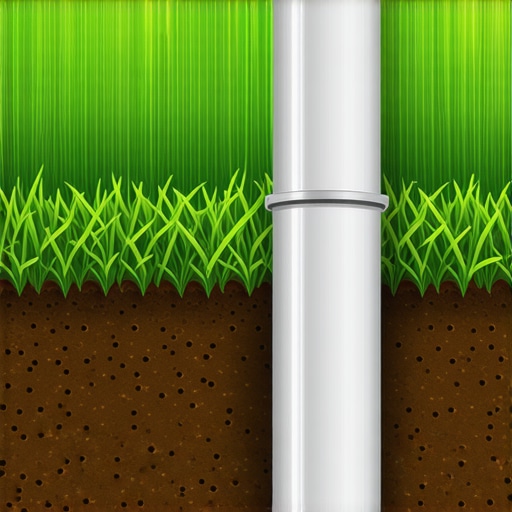
Clear your planting area of debris and weeds to prevent future competition for nutrients. Use a rake or garden hoe to loosen compacted soil, mimicking a gentle topsoil massage that allows roots to breathe. For uneven patches, apply a soil leveling fix by spreading soil evenly and tamping it down firmly. This ensures your new sod will root properly without lumps that can cause water pooling or dry spots. Conduct a soil test to determine pH and nutrient levels, then amend accordingly to create an optimal environment for growth. Remember, healthy soil acts as a foundation—like a solid bed for a good night’s sleep—improving lawn resilience over time. For more detailed soil fixing steps, check out this guide.
Execute Effective Lawn Cleanup
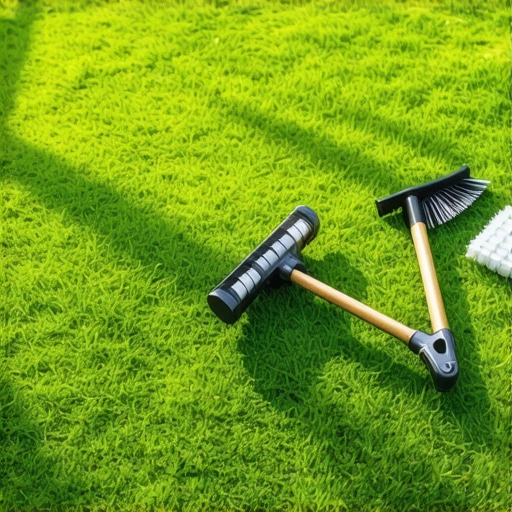
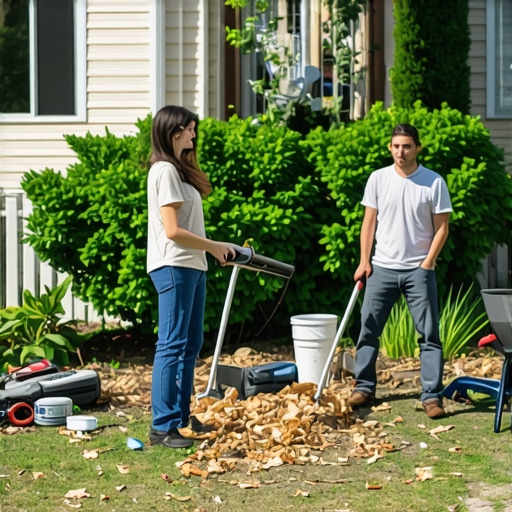
Begin by removing dead grass, fallen leaves, and other debris that can smother new growth. Use specialized tools like oscillating lawn rakes or leaf blowers to expedite this process, turning a tiring chore into a quick session. Pay special attention to drainage issues—fix any pooling water or muddy spots that hint at underlying grading problems. For stubborn debris stuck in corners or under bushes, try a leaf scooper or a high-powered blower. Cleanup is the essential first step to reveal a healthy base for your lawn. After clearing, consider trimming overgrown shrubs to prevent shading that hampers sunlight absorption—crucial for grass health. To streamline your yard cleanup, explore these fast hacks.
Install Sod with Strategy and Precision
Lay your sod in a staggered brick pattern to minimize seams and increase stability. Unroll each strip carefully, ensuring edges butts tightly against each other without overlapping. Use a sharp sod cutter or utility knife to trim extra under shrubs or along edges for a perfect fit. Once laid, water each section thoroughly—like pouring a deep, calming bath—making sure the soil beneath is moist to promote rooting. Use a tamper or flat board to press the sod down, eliminating air pockets that can inhibit growth. Avoid walking on freshly installed patches for at least two weeks to let roots establish. Don’t forget: freshly laid sod needs consistent moisture—set up a watering schedule and consider installing smart irrigation sensors for optimal hydration. For advanced techniques, see this expert advice.
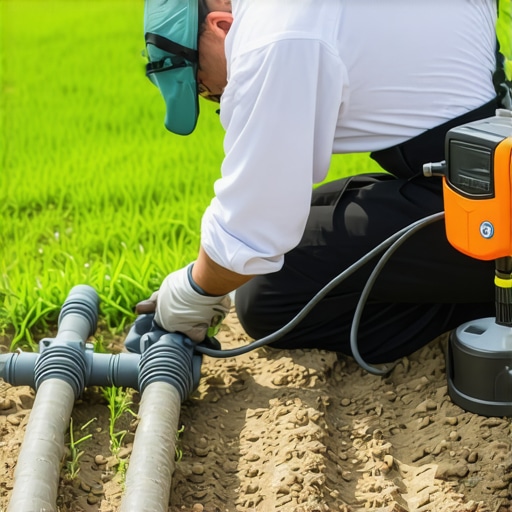
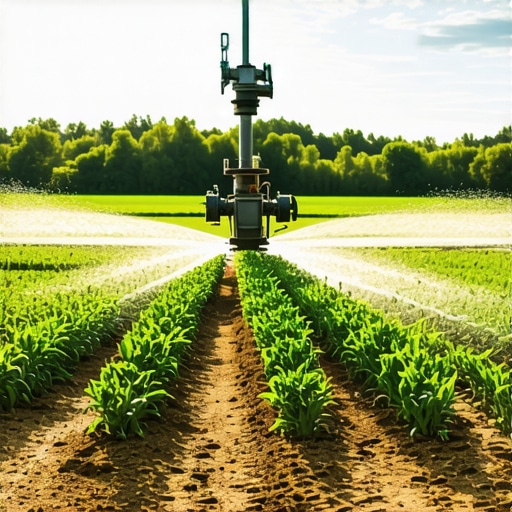
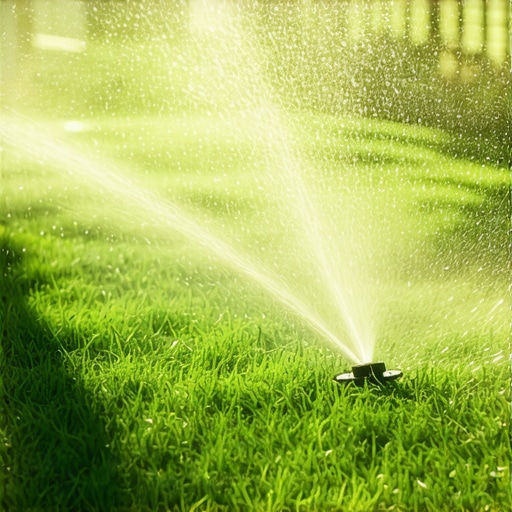
Set up your irrigation system with zones that correspond to your yard’s varying needs. Use adjustable spray heads for flower beds and targeted drip lines for shrubs to prevent overwatering. Regularly inspect and fix leaks—like tiny plumbing troubles—that waste precious water and inflate bills. Deploy smart irrigation controllers that adapt schedules based on weather, reducing unnecessary watering. For manual adjustments, calibrate your timers to match seasonal changes and avoid watering during rain or high humidity, which can promote disease. Consider adding moisture sensors to monitor real-time soil moisture levels—saving water and ensuring your grass receives exactly what it needs. For a comprehensive approach, review this detailed guide. Maintenance doesn’t end after installation; consistent oversight guarantees your yard’s vitality. Keep a checklist for leak detection, spray head adjustments, and schedule reviews to maintain an efficient system. Remember, a well-maintained irrigation system is the backbone of a lush, drought-ready lawn—acting as your yard’s hydration hero.Many homeowners believe that simply laying down sod or installing an irrigation system is enough to achieve a lush, healthy yard. However, what most people overlook are the subtle nuances that can make or break your landscaping efforts. Let’s dig deeper into some commonly misunderstood aspects that could cost you time, money, and frustration if left unchecked.
One widespread myth is that more watering always equals greener grass. In reality, overwatering can lead to shallow root systems, disease, and water runoff. Experts recommend precise irrigation adjustments, such as implementing smart irrigation tweaks, to optimize water use and soil health. Remember, consistency and precision matter more than volume.
Another misconception revolves around sod installation. Many assume that simply rolling out sod and watering it sufficiently guarantees quick rooting. But the truth is, without proper soil preparation—like avoiding lumpy soil issues—your new lawn may struggle or fail altogether. Ensuring a level, well-drained foundation is crucial to prevent root rot and uneven growth.
Additionally, yard cleanup is sometimes underestimated in importance. Clearing debris and evaluating drainage might seem tedious, but neglecting these steps can cause water pooling, erosion, or pest problems down the line. Consider strategic cleanup hacks to streamline this process, such as detailed in these expert tips.
For advanced landscapers, understanding the nuances of soil testing can be a game-changer. Skipping soil pH and nutrient analysis might lead to misguided fertilizer or amendment choices, which won’t address underlying deficiencies. As highlighted in a recent study by horticultural scientists, tailored soil management can significantly boost sod rooting success and plant vitality.
Have you ever fallen into this trap? Let me know in the comments. Remember, paying attention to these hidden details transforms a good yard into an extraordinary outdoor space—so keep learning and refining your approach.
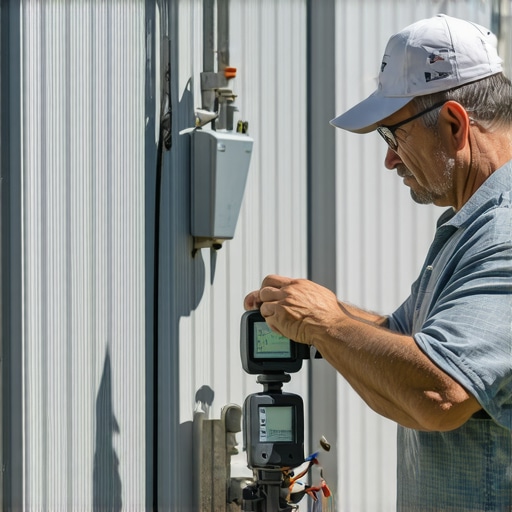
Keeping your landscaping and irrigation systems in top shape requires the right tools and a solid maintenance routine. Over the years, I’ve found that investing in high-quality equipment and understanding precise methods can make all the difference in achieving long-term results. For example, I personally swear by a digital soil moisture meter—like the Smart Moisture Sensor—which helps me monitor exactly when and where watering is needed, preventing overwatering and saving water bills. These sensors communicate directly with my irrigation system, ensuring optimal hydration without waste. Looking ahead, automation and smart tech are poised to become even more integral, with AI-driven irrigation controllers and soil health monitors leading the charge.
How do I maintain my irrigation system over time?
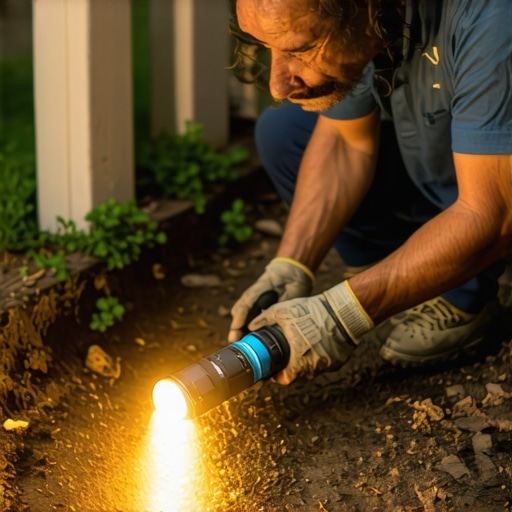
Regular inspection and proactive repair are key. I check for leaks, clogged sprays, and misaligned heads at least once a month, especially after heavy rainfall or storms. For leak detection, I utilize simple yet effective pressure tests and visually inspect for soggy spots that indicate underground leaks. This habit not only avoids water waste but also prolongs the lifespan of my system components. Additionally, calibrating my smart timers seasonally—adjusting for daylight hours—is crucial to prevent over- or under-watering, which can stress your lawn or encourage disease.
Another aspect I prioritize is using durable tools designed for landscaping maintenance. High-quality pruning shears with sharp blades make trimming shrubs easier and cleaner, reducing plant stress and disease risk. For yard cleanup, tools like power leaf blowers and multi-function rake systems—such as the multi-tool blower and rake—save time and effort. These advancements free up hours, letting me focus on finer details like soil conditioning or plant health.
Prediction: The Future of Yard Care Tools
In the coming years, I expect to see even greater integration of IoT devices and AI into everyday gardening. Automated systems that learn from weather patterns, soil conditions, and watering history will become standard. This blend of smart tech and traditional tools promises to streamline maintenance, reduce water waste, and enhance plant health—making yard care more efficient than ever. It’s an exciting evolution for anyone committed to a beautiful, sustainable landscape.
I encourage you to try incorporating a smart soil moisture sensor into your irrigation routine. Not only will it help you conserve water, but it will also give you peace of mind knowing your lawn is getting exactly what it needs. Remember—consistent maintenance and the right tools are your best allies in creating a vibrant yard that will thrive long-term.
What I Wish I Knew About Yard Success
One of the most surprising lessons I learned is that minor mistakes, like skipping soil testing or uneven grading, can cascade into significant issues down the line. I once overlooked the importance of properly amending my soil, which led to stubborn patches and uneven growth—an costly mistake I wouldn’t repeat. It really drove home that paying attention to the details upfront is a game-changer.
Second, I underestimated how essential routine maintenance is, especially with irrigation. Regularly inspecting sprinkler heads and recalibrating timers saved me from wasting water and nurturing unhealthy grass. It’s a simple habit that has profound long-term benefits, making my yard more resilient and lush.
Lastly, I realized that patience and consistency outweigh quick fixes. Instead of rushing to finish a project, I focused on proper soil prep, strategic cleanup, and thoughtful sod installation—each step building a healthier foundation. This approach paid off as my lawn developed deeper roots and a natural vibrancy I couldn’t achieve with shortcuts.
Tools and Tips That Transformed My Approach
If you want to elevate your yard, I highly recommend using a smart soil moisture sensor—like the Smart Moisture Sensor. It provides real-time data, helping you fine-tune watering schedules and conserve water, which is good for your wallet and the environment. Pair this with a well-designed irrigation zone map, such as detailed in these expert tweaks, to ensure every part of your yard gets the right attention.
For soil prep, I swear by a quality level to avoid lumps and uneven patches, which can sabotage your sod’s roots. And for yard cleanup, investing in a multi-function rake system saves hours while making the process efficient and thorough. These tools turned my landscaping from a chore into a rewarding activity.
Your Turn to Shape the Future of Your Yard
Transforming your yard into a healthy, vibrant space doesn’t happen overnight, but with mindful practices and the right tools, you can make steady progress. Embrace the process, stay consistent, and don’t be afraid to dig deeper—literally and figuratively—to learn what your soil and plants need. Your lush, thriving lawn in 2026 is well within reach.
What small change are you most excited to try first to improve your yard? Share your plans or experiences below—I’d love to hear your story!
![7 Soil Moisture Tests for a Faster 2026 Sod Install [Pro Tips]](https://urbanlandscapingx.com/wp-content/uploads/2026/02/7-Soil-Moisture-Tests-for-a-Faster-2026-Sod-Install-Pro-Tips.jpeg)

 Many homeowners believe that more water means healthier plants, but this myth often leads to overwatering, which can cause root rot and disease. In reality, understanding the nuanced needs of different soil types and plant species is essential for effective irrigation. For example, clay soils retain moisture longer, requiring less frequent watering, whereas sandy soils drain quickly and may need supplemental hydration. Navigating these soil differences is crucial—overlooking them can be an expensive mistake that damages your lawn over time. It’s a common trap to assume that uniform watering schedules fit all zones; however, zones with shade or different plant types demand customized approaches. Advanced irrigators enable zone-specific adjustments, optimizing water use and promoting healthier growth. According to soil scientist Dr. Jane Smith, “Ignoring soil variability is one of the top reasons lawns underperform or suffer from pests.” So, don’t fall for the one-size-fits-all approach—get deeper into your yard’s unique needs. Before installing new sod, ensure the soil is properly prepared; neglecting this step often results in patchy grass or root rot. If you’re unsure about soil conditions, consider conducting soil tests, which can be surprisingly revealing about necessary amendments. Proper soil prep is the foundation for successful sod installation, reducing the risk of future problems like pests and diseases. Moreover, many underestimate the importance of regular yard cleanup, assuming it’s just cosmetic. But removing debris and trimming overgrown plants improves air circulation, reduces disease risk, and helps your irrigation system work more efficiently. This is especially true when mulch and leaf litter are cleared from around sprinkler heads, preventing clogs and misfires. Have you ever fallen into this trap? Let me know in the comments. For more insights on preventing irrigation failures or ensuring your new sod takes root, explore our guides on
 ![5 Soil Prep Mistakes That Kill New Sod in 7 Days [2026]](https://urbanlandscapingx.com/wp-content/uploads/2026/02/5-Soil-Prep-Mistakes-That-Kill-New-Sod-in-7-Days-2026.jpeg)