December 31, 2025 | Jane Doe

Top Irrigation Tips for a Healthy Lawn in 2025

Top Irrigation Tips for a Healthy Lawn in 2025

It was early Saturday morning when I stepped outside, coffee in hand, only to be greeted by a dull, patchy lawn that looked more like a worn-out carpet. Despite my best efforts with fertilizer and mowing, the grass just didn’t seem to thrive anymore. That lightbulb moment hit me hard—I realized I had been neglecting the heart of a lush, green yard: proper irrigation.

Since then, I’ve dived deep into the world of lawn watering, experimenting with various techniques and solutions to keep my yard vibrant. If you’re tired of patchy spots, brown patches, or constantly overwatering and underwatering, then this post is for you. Today, I’ll share the top irrigation tips that have helped me maintain a healthy lawn in 2025 without wasting water or cash.

Why Proper Irrigation Is the Key to a Flourishing Lawn

Imagine spending hours planting new sod or renovating your yard, only to see it wither because of improper watering. It’s frustrating—and completely avoidable. Proper irrigation not only conserves water but also ensures your grass receives the right moisture levels to grow strong and resilient. According to recent studies, overwatering can lead to root rot and fungal diseases, while underwatering weakens the grass and invites weeds. Striking the right balance is essential, and with the right tips, you can achieve a thriving yard that turns heads.

Whether you’re starting fresh with a new sod installation or maintaining an established lawn, understanding your irrigation needs can make all the difference. I learned this the hard way early on—mistakenly watering at the wrong times or using underperforming sprinklers—and that mistake cost me a lush lawn for years. Now, I swear by specific strategies that I wish I knew from the start, like installing an efficient irrigation system and scheduling watering times smartly.

If you’ve faced similar issues—patchy growth, water wastage, or fungal outbreaks—you’re not alone. The good news is, implementing effective watering techniques can turn things around quickly. Want to learn more about the best practices? Check out this comprehensive guide on expert irrigation solutions for a lush lawn in 2025.

Is Investing in an Irrigation System Worth It?

Many skeptics wonder if all this effort and investment are justified—especially when summer droughts become more common. Honestly, I once thought a simple sprinkler would do the job. But I ended up wasting water and still fighting dry patches. The truth? A well-designed irrigation system pays for itself by saving water, time, and effort, giving you consistent coverage and healthier grass. I made the mistake of neglecting proper coverage and end up with dry spots until I upgraded my setup. Switching to a smart sprinkler system was a game-changer, and you can explore more about best practices for irrigation in 2025.

Now, equipped with the right tools and knowledge, I focus on watering efficiently, scheduling intelligently, and maintaining my system regularly. Ready to transform your yard? Let’s dive into practical tips that will help you keep your lawn lush, green, and healthy all year round.

Set Up Your Irrigation Equipment Effectively

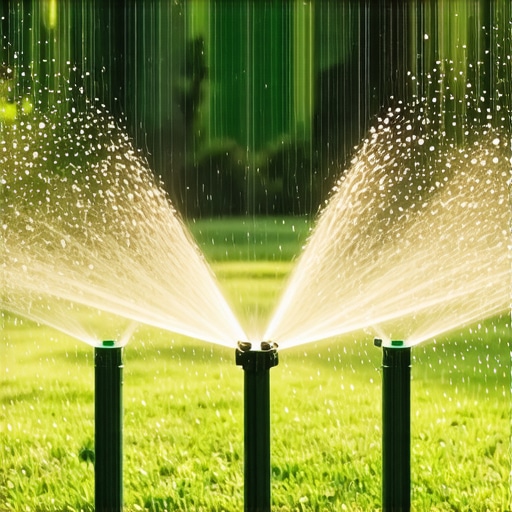
Start by choosing the right sprinkler system based on your yard’s size and shape. I once used a generic sprinkler, which left dry patches in my corners; switching to a zone-based system allowed me to target areas precisely and see instant improvements. Start by mapping your yard, marking where water coverage is needed most, especially around newly installed sod or patches that dry out faster. Use adjustable spray nozzles to control water distribution, and for larger lawns, consider a smart irrigation controller that syncs with weather forecasts to optimize watering times without waste. Properly installing your system ensures even coverage and saves water—check out expert system design tips to get it right from the start.

Schedule Your Watering for Maximum Impact

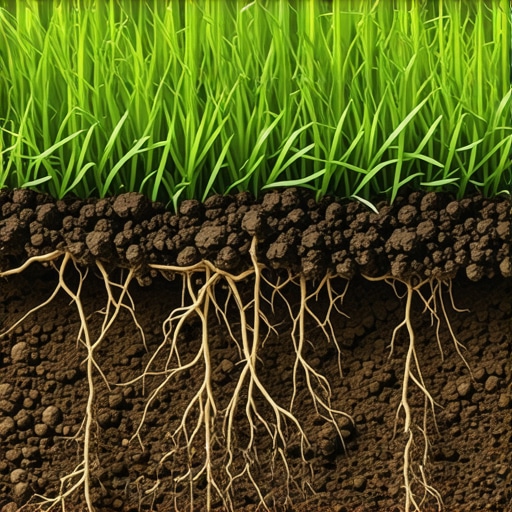
Timing is everything. My experience taught me to water early mornings—around sunrise—when evaporation rates are lowest, and plants absorb water steadily. I adjusted my timer to run in two short sessions early and late in the week, mimicking natural rainfall, and noticed my lawn stayed consistently green. Use a rain gauge or weather app to avoid watering during rain, and ensure each zone receives about 0.5 to 1 inch of water per session—this encourages deep roots. Avoid mid-day watering, which leads to unnecessary runoff and fungal issues. For guidance on effective scheduling, see top watering tips.

Maintain Your System Regularly to Prevent Failures

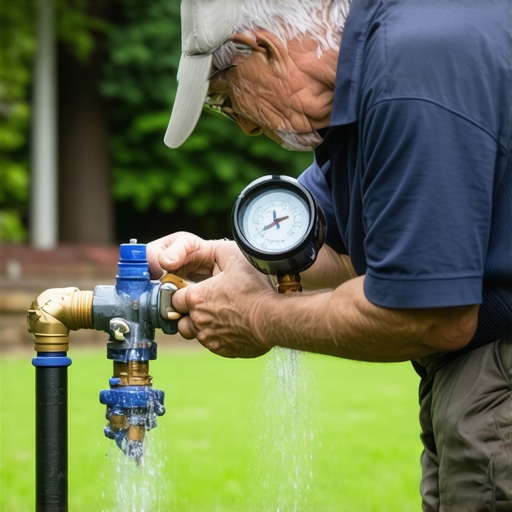
Clogged nozzles and leaks can sabotage your efforts. I once ignored routine inspections, and a broken nozzle left part of my lawn dry for weeks. To prevent this, schedule monthly checks: inspect for clogged heads, fix leaks immediately, and replace worn parts. Clear debris from nozzles using a soft brush or compressed air, and test the controller periodically for proper operation. Drip lines and emitters are especially prone to clogging and need more frequent cleaning. If you invest time in maintenance, your system will perform reliably season after season, saving you money and frustration. Want the best maintenance routines? Review professional irrigation maintenance advice.When it comes to transforming your yard, many homeowners fall prey to common misconceptions that hinder their progress. Let’s dig deeper into some of these pitfalls and reveal the nuanced truths that can make or break your landscape success. A prevalent myth is that more irrigation always equals healthier grass, but in reality, overwatering can lead to fungal diseases and root rot—problems highlighted by experts in lawn care. Instead, focusing on intelligent scheduling and efficient system design is key, as outlined in the comprehensive guide on expert irrigation solutions for a lush lawn in 2025. Another mistake many make is underestimating soil preparation before sod installation. Skipping proper soil conditioning reduces the sod’s ability to establish roots, leading to patchy growth and recovery issues. Advanced landscapers know that integrating organic matter during site prep improves water retention and nutrient availability, as detailed in top sod installation tips. A common trap is neglecting the importance of yard cleanup. While it may seem secondary, clearing debris and dead vegetation enhances soil health and prevents pest infestations—crucial steps emphasized in professional yard cleanup tips. Have you ever fallen into this trap? Let me know in the comments. Moreover, many assume that landscaping is about aesthetics alone, ignoring the benefits of functional design—like proper drainage and sun exposure—that ensure longevity and ease of maintenance. Smart landscape planning balances beauty and practicality, a strategy well covered in landscaping advice for yard transformation. Lastly, there’s often an overreliance on DIY solutions without understanding the intricate science behind soil chemistry and plant needs. Investing in professional consultation can prevent costly mistakes and preserve your yard’s health over time, as discussed in pro tips for sod and irrigation experts. Recognizing these nuanced traps and truths ensures you’re building a thriving outdoor space. Remember, true landscaping mastery is about informed choices—so stay curious and continually learn. Your dream yard awaits!Maintaining a lush, healthy yard requires not only knowledge but also the right tools and methods to ensure everything runs smoothly over time. From automated irrigation systems to high-quality soil testers, investing in reliable equipment can make all the difference in your landscaping journey. One of my top recommendations is the **Rachio Smart Sprinkler Controller**. I personally switched to this device because it integrates seamlessly with weather forecasts, adjusting watering schedules dynamically to prevent overwatering and water wastage. This ensures my lawn receives optimal moisture without the hassle of manual adjustments. Regular system checks are vital; I set a monthly routine to inspect sprinkler heads for clogs and leaks, preventing costly repairs and maximizing efficiency. When it comes to soil health, I rely on the **Tapscore Soil Test Kit**, which provides detailed insights into pH levels and nutrient deficiencies, guiding precise amendments for long-term health. As climate trends shift, the future of yard maintenance is leaning toward automation and data-driven decisions—expect more AI-driven tools to become standard, simplifying lawn care further. To keep your irrigation system functioning flawlessly, I recommend scheduling seasonal upgrades and calibrations, ensuring your equipment adapts to changing conditions. One effective practice I adopted is utilizing moisture sensors to monitor soil hydration levels in real time, which prevents overwatering—saving both water and money. If you want to elevate your yard upkeep, try installing a smart sensor system like the **Davis Vantage Vue**, integrated with your existing irrigation setup; it can provide precise data to fine-tune watering schedules. Lastly, maintaining your tools is crucial: clean sprinkler nozzles regularly and replace worn parts—neglecting this leads to uneven coverage and wasted resources. For in-depth strategies, review the expert advice on best practices for irrigation in 2025. Do yourself a favor and start implementing a soil moisture sensor today; it’s an advanced step that pays off with a healthier, more resilient lawn.

What I Wish I Knew About Yard Transformation Before Starting

One of the biggest lightbulb moments was realizing that consistent maintenance beats sporadic efforts. Neglecting regular inspections led to dry patches on my lawn, but establishing a routine, like monthly nozzle checks, drastically improved coverage. Additionally, understanding the soil’s role in water absorption was pivotal; testing with a soil moisture sensor revealed my yard’s hidden needs, saving water and promoting healthier grass. Embracing technology, like weather-adaptive sprinklers, shifted my approach from guesswork to precision, making my lawn thrive effortlessly.

Tools and Resources That Changed My Landscaping Game

Investing in quality tools was a game changer. The Rachio Smart Sprinkler Controller helped automate watering schedules based on weather forecasts, reducing waste and stress. My trusted Tapscore Soil Test Kit provided detailed insights, allowing me to amend soil precisely for optimal water retention. For ongoing maintenance, regular software updates and calibration guides from trusted sources like expert irrigation solutions for a lush lawn in 2025 kept my system running smoothly. These resources transformed routine chores into strategic actions that paid off in a vibrant yard.

Embrace the Challenge and Reap the Rewards

Transforming your yard through proper irrigation, diligent cleanup, and smart landscaping is more than just a project—it’s an investment in your outdoor sanctuary. The journey taught me patience, attention to detail, and the importance of continual learning. Don’t be discouraged by initial setbacks; every adjustment brings you closer to that picture-perfect lawn. Equip yourself with the right tools, stay curious, and remember that progress builds confidence. Your dream yard is within reach—start today, and soon you’ll enjoy the lush, thriving landscape you’ve always desired.

December 30, 2025 | Jane Doe

Transform Your Yard with Pro Landscaping & Yard Cleanup Strategies 2025

Transform Your Yard with Pro Landscaping & Yard Cleanup Strategies 2025

I’ll never forget the moment I stepped outside after a long winter—my yard looked like a battlefield. Dead patches of grass, overgrown weeds, and a tangled mess of leaves greeted me. I felt overwhelmed and wondered if I could ever restore my outdoor space to its former glory. That lightbulb moment made me realize that transforming your yard isn’t just about planting new flowers or trimming bushes—it’s about a comprehensive strategy that includes expert landscaping, proper irrigation, and professional yard cleanup.

Why Now Is the Perfect Time to Reinvent Your Outdoor Space

As we approach 2025, many homeowners are realizing the importance of having a lush, healthy yard. It’s not just for curb appeal; it’s about creating a relaxing oasis, increasing property value, and even reducing maintenance headaches down the line. The good news? You don’t have to do it alone. With the right guidance, transforming your yard can be straightforward and rewarding.

Is Landscaping and Yard Cleanup Really Worth the Investment?

Early on, I made a costly mistake—thinking that DIY was the way to go. I spent weekends battling weeds and trying to fix uneven patches, only to see my efforts fall short. It wasn’t until I consulted with professionals that I understood the true value of expert intervention. Proper landscaping and yard cleanup aren’t just aesthetic improvements; they set the foundation for a thriving, low-maintenance yard. Plus, according to a recent study, a well-maintained yard can boost your home’s value by up to 15% (source).

Have you faced the frustration of patchy grass, stubborn weeds, or a yard that just doesn’t feel inviting? If so, you’re not alone. The good news is that with targeted strategies, you can turn that chaos into a stunning landscape that lasts for years. Ready to discover how? Keep reading, because the next sections will guide you through simple yet effective steps to transform your yard in 2025.

Lay the Groundwork with Proper Planning

Before grabbing your tools, sketch out a clear plan. Think of this as designing a blueprint for a house; without it, you risk costly mistakes. Measure your yard, note existing features, and decide on focal points like a garden bed or patio area. Use online tools or consult a landscape designer for ideas. Planning ensures your efforts are targeted and efficient.

Prepare Your Soil Like a Pro

Healthy soil is the foundation of a vibrant yard. I remember the first time I tried to plant without soil prep—results were patchy and unimpressive. I learned that aerating, removing weeds, and enriching the soil with compost are critical steps. Imagine your soil as a sponge; it needs to be loose enough to absorb water and nutrients. Use a rototiller for larger areas and consider soil testing for precise amendments.

Choose the Right Sod for a Lush Lawn

Selecting the proper sod is like choosing the right paint color—vital for lasting beauty. I opted for a drought-resistant variety, which turned out to be a game-changer. For best results, order high-quality sod and lay it promptly. Clear the area of debris, level the surface, and stagger each roll like bricks to avoid seams. Water it deeply after installation, mimicking the way a sponge absorbs water—this is crucial for root establishment. Check out this guide for detailed sod installation techniques.

Master Effective Irrigation Strategies

I learned that a well-designed irrigation system is the backbone of a healthy yard. Think of it as your yard’s bloodstream—delivering life-sustaining water precisely where needed. Install sprinklers that cover all zones evenly, and integrate timers to automate watering. During installation, I discovered that positioning sprinklers too close to walls or trees causes uneven watering, like trying to water a garden with a leaky hose. Use expert tips to optimize your setup. Additionally, consider drip irrigation for flower beds—this reduces water waste and targets roots directly.

Implement Yard Cleanup for Instant Cores

Clearing debris was my first messy step—leaves, sticks, and weeds all over. Think of this as tidying up a cluttered room; it instantly improves the space’s appearance and health. Use leaf blowers, rakes, and lawn vacuums to remove debris efficiently. Trim overgrown bushes and prune dead branches to invigorate your plants. I found that a clean yard not only looks better but also allows your new features to shine. For a comprehensive cleanup, check out professional yard cleanup tips.

Integrate Decorative Elements and Final Touches

Once the groundwork is set, add mulch around beds, install edging, and plant colorful flowers for visual interest. Think of these as the jewelry that completes an outfit. These small touches elevate your yard from good to stunning. Remember, regular maintenance like mowing, fertilizing, and watering keeps your landscape thriving long-term. Keep your plan flexible and adapt as you learn what works best for your space.

When it comes to transforming your yard, many homeowners fall into traps that undermine their efforts and waste time and money. Let’s dig deeper into some of the most misunderstood aspects and advanced mistakes that even seasoned DIY enthusiasts often overlook. Understanding these nuances can be a game-changer for your landscape project.

Why Most People Overlook the Importance of Proper Soil Testing

A common misconception is that soil preparation is just about tilling and adding compost. In reality, soil testing reveals vital nutrient deficiencies and pH imbalances that can make or break your grass and plants. Skipping this step might lead to patchy growth or stubborn weeds, regardless of how much fertilizer you apply. Experts recommend conducting a soil test before any sod installation or landscaping project. According to a study by the University of Nebraska, proper soil analysis results in healthier lawns and significant long-term savings by avoiding over-fertilization.

Beware of the One-Size-Fits-All Approach to Irrigation

Many assume that installing a standard sprinkler system and setting it to run for a fixed time daily is enough. However, this approach ignores critical factors like soil type, plant water needs, and local climate variations. Overwatering can lead to root rot, while underwatering stresses your lawn and plants. Advanced irrigation strategies involve zone-specific systems with moisture sensors and smart timers that adapt to weather conditions. Incorporating these can increase water efficiency by up to 30%, as shown in a report by the American Society of Irrigation Consultants. Don’t fall into the trap of neglecting system customization—your yard’s health depends on it.

What Advanced Landscaping Mistakes Are Commonly Made?

Many homeowners focus solely on planting colorful flowers or laying sod without considering the overall design’s sustainability. This often results in poorly drained areas, excessive runoff, or uneven growth. A crucial nuance is understanding the microclimates within your yard, such as shade patterns and wind exposure. Additionally, ignoring proper grading can cause water to pool or erode soil over time. A sophisticated approach involves integrating contouring with native plants that require less water and maintenance. This not only conserves resources but also creates a resilient landscape. For example, professional landscapers often recommend incorporating rain gardens to manage stormwater effectively and reduce runoff, as detailed in the EPA’s stormwater management guidelines.

Have you ever fallen into this trap? Let me know in the comments. Recognizing these advanced pitfalls can save you from costly redo’s and ensure your yard remains lush and sustainable for years to come.

Maintaining a beautiful yard over time requires more than just initial work; it demands the right tools and a strategic approach to keep your landscape thriving and scalable. From irrigation systems to soil health management, the right equipment can make all the difference in ensuring your efforts yield lasting results and make future expansion easier.

Invest in Smart Irrigation Technology

One of the most transformative investments I made was upgrading to a smart irrigation controller. Unlike traditional timers, these devices use weather data and soil moisture sensors to adjust watering schedules dynamically. I personally use the Hunter Hydrawise system, which I connected to my Wi-Fi, allowing me to monitor and tweak watering from my phone. This system not only saves water but also ensures my lawn and plants get precisely the right amount of moisture, reducing stress and disease risk. As water conservation becomes increasingly important, such systems are predicted to become standard in sustainable yard care.

Prioritize Soil Health with Testing and Amendments

Long-term yard health hinges on the soil beneath your feet. I recommend investing in a reliable soil testing kit—such as those from Logan Labs—to analyze pH levels and nutrient deficiencies. Once you understand your soil’s composition, you can apply targeted amendments like lime or specific fertilizers. This proactive approach prevents common issues like patchy grass or weed invasion, making your yard more resilient and easier to maintain. Regular testing (at least once every two years) helps you catch imbalances early and avoid costly corrective measures later.

Utilize Professional-Grade Equipment for Scalability

As your landscape expands, manual tools can become a bottleneck. I transitioned to using a gas-powered tiller for preparing large planting beds and a high-capacity lawn aerator to ensure proper soil drainage and root growth. These tools are worth the investment because they dramatically cut down labor time and improve soil quality, especially on larger properties. Additionally, for yard cleanup, a quality leaf vacuum mulcher helps keep debris manageable while recycling organic matter back into your soil, promoting sustainability.

How do I maintain irrigation and landscaping systems over time?

Regular inspection and maintenance are key to long-term success. For irrigation systems, check for clogged nozzles, leaks, and wiring issues at least twice a season. During fall and spring, flush and drain parts to prevent freezing damage. For landscaping equipment, clean filters, sharpen blades, and replace worn parts as needed. Keeping detailed maintenance logs helps you stay on schedule and extend the lifespan of your tools. As technology advances, integrating IoT devices and remote monitoring will become more common, further simplifying ongoing care.

Start by trying out a smart irrigation controller, and see how it transforms your watering routine. With the right tools and regular upkeep, your yard can remain lush, healthy, and scalable for years to come. For more detailed advice on irrigation system design and maintenance, check out this comprehensive guide.

Lessons That Changed My Approach to Yard Makeovers

  • One of the toughest lessons I faced was realizing that skipping professional soil testing led to stubborn weeds and patchy grass. Once I started testing and amending my soil based on expert advice, my yard transformed faster and with less effort.
  • I used to believe that a standard sprinkler was enough, but I learned that zone-specific, smart irrigation systems save water and keep my lawn healthier. Investing in a weather-adaptive controller was a game-changer.
  • Planting without considering microclimates was a mistake. Understanding shade, wind, and drainage patterns helped me choose the right plants and avoid future problems like erosion or poor growth.
  • Regular maintenance and system inspections keep my yard thriving. I now schedule biannual checks for irrigation and equipment, which prevents costly breakdowns and keeps everything running smoothly.
  • Incorporating native plants and rain gardens created a more sustainable, resilient landscape that requires less water and fertilizer, saving money and helping the environment.

Tools and Resources That Made a Difference

  • Soil Testing Kits from Logan Labs — I trust these because they provide detailed, actionable insights that have dramatically improved my soil health.
  • Hunter Hydrawise Smart Irrigation Controllers — Their weather-adaptive technology has reduced my water bill and kept my lawn lush, even during dry spells.
  • High-Quality Power Tools — A gas-powered tiller and lawn aerator cut down my labor time and improved soil quality for planting success.
  • Professional Landscaping Guides — Resources like Urban Landscaping’s detailed guides have helped me avoid common pitfalls and plan effectively.

Now It’s Your Turn to Cultivate a Dream Yard

Transforming your yard isn’t just about aesthetics—it’s about creating a sustainable, enjoyable outdoor space that lasts. With the right knowledge, tools, and a bit of patience, you can turn chaos into your personal oasis. Don’t wait for perfect conditions—start today and watch your yard flourish in 2025.

What’s the biggest challenge you’ve faced in yard transformation? Share your experience below—I’d love to hear your story!

December 30, 2025 | Jane Doe

Pro Sod Install & Irrigation: Expert Tips for Lush Lawns 2025

Pro Sod Install & Irrigation: Expert Tips for Lush Lawns 2025

I remember the moment vividly. It was a scorching summer afternoon, and I stepped onto my backyard, only to be greeted by patches of brown, patchy grass that looked more like a desert than a lush lawn. Frustration bubbled up. I’d invested in what I thought was top-tier sod, but my yard still looked lackluster. That lightbulb moment made me realize something crucial: even the best sod needs proper care, especially when it comes to irrigation and maintenance. And let me tell you, I’ve learned a lot since then—mistakes included. If you’re tired of patchy, unhealthy grass and want a yard that turns heads, you’re in the right place. Today, I’ll share the expert tips I wish I knew when I started, so you can achieve a vibrant, green lawn in 2025 that’s the envy of the neighborhood.

Why Proper Sod and Irrigation Matter More Than Ever in 2025

In recent years, climate fluctuations have made lawn care more challenging. Droughts, unpredictable rain, and rising temperatures mean that a one-size-fits-all approach no longer works. Proper sod installation combined with an efficient irrigation system can be the game-changer your yard needs. According to the University of California Cooperative Extension, a well-designed irrigation system can save you up to 30% on water bills while keeping your lawn healthier and greener. That’s a win-win. But here’s the catch: many homeowners overlook the importance of matching their irrigation to their sod type and local climate. I learned this the hard way, making a mistake early on by watering infrequently, which led to weak root systems and a patchy appearance. Trust me, investing in the right system and understanding your yard’s specific needs will pay off in lush, resilient grass.

Is Overwatering Actually a Bigger Problem Than Underwatering?

When I first started my lawn journey, I believed more water meant healthier grass. Turns out, I was completely wrong. Overwatering can drown roots, promote disease, and waste water—something I discovered after my lawn turned yellow and patchy despite frequent watering. The key is balance. A professional irrigation setup tailored to your yard’s size and grass type can prevent these issues. Want to learn how to get it right? Check out top irrigation strategies for a thriving lawn. Proper design, combined with smart timers and soil moisture sensors, ensures your lawn gets exactly what it needs—no more, no less. Ready to ditch the guesswork and see your yard flourish? Let’s dive into how to make that happen.

Prep Your Soil with Precision

Start by removing any existing grass, weeds, or debris. Use a rake or tiller to loosen the soil, ensuring it’s free of compaction. This step is like laying a clean canvas before painting — the foundation determines the final look. Focus on grading the soil to promote proper drainage; avoid low spots that can hold water and create patches. When I did this in my backyard, I found a hidden patch of clay that needed breaking up to improve water absorption. For added nutrients, mix in compost or a starter fertilizer tailored to your grass type, which will give your sod the nutrients it needs to establish strong roots. Proper soil prep is the secret sauce for a resilient, vibrant lawn.

Choose the Right Sod for Your Climate

Select sod that matches your local climate and soil conditions. For hot, dry areas, Bermuda or Zoysia grass works well; in cooler regions, Kentucky Bluegrass or Fescue thrive. I learned this the hard way when I installed a warm-season grass in a cooler zone, resulting in poor growth. Visit a local supplier who can advise on the best options. When laying the sod, roll it out in a staggered brick pattern to prevent gaps and overlaps. This method ensures even coverage and reduces the chance of weeds taking root. Carefully unroll each strip, pressing down to eliminate air pockets and ensure good contact with the soil. Proper sod selection and placement are crucial for a lush, healthy lawn that endures the seasons.

Water Immediately and Deeply

Right after installation, water the sod thoroughly—think of it like giving a thirsty plant a big drink. Use a sprinkler that provides uniform coverage, ensuring every inch gets soaked. I vividly remember watering my newly laid sod with a garden hose, only to realize I missed the edges. A proper sprinkler system, linked to a timer and soil moisture sensors, makes this process efficient and precise. Deep watering encourages roots to grow downward, anchoring the grass securely and promoting drought resistance. Water early in the morning or late in the evening to minimize evaporation. Keep the sod moist for the first two weeks, watering at least once daily if needed. Deep, consistent watering creates a strong root system, setting the stage for a thriving lawn.

Implement Smart Irrigation Strategies

Invest in a quality irrigation system designed specifically for your yard’s size and grass type. Pop-up spray heads or drip irrigation can be tailored to target the entire lawn evenly. Use a timer to automate watering schedules—this prevents overwatering and saves water. For ultimate efficiency, incorporate soil moisture sensors that tell you exactly when your yard needs water, avoiding waste and disease. I installed sensors in my yard, and the difference was night and day—no more guessing or uneven watering. Regularly check and adjust sprinkler heads to ensure coverage remains optimal. Combining smart technology with a well-designed layout can reduce water bills by up to 30% while keeping your lawn lush and healthy.

Maintain Consistent Care and Adjust as Needed

After the initial establishment phase, shift to a maintenance routine that includes mowing at the right height, aerating annually, and fertilizing based on your grass type. Keep a close eye on your yard’s response to weather changes; drought stress or excessive rain require different adjustments. Remember, a healthy lawn is a marathon, not a sprint. Regularly inspect sprinkler systems and repair leaks promptly to maintain efficiency. When I noticed patches of yellowing, I adjusted my watering schedule and added a nitrogen-rich fertilizer, which revived the grass. Consistent care, combined with proper irrigation, will turn your yard into a lush oasis that stands out in 2025.

Many homeowners fall prey to misconceptions about sod installation and irrigation, often leading to costly mistakes that undermine their lawn’s health. Let’s dig deeper into what most people get wrong and how understanding these nuances can save you time, money, and frustration.

Why the Popular Belief That More Water Means Better Lawn Is a Trap

It’s a widespread myth that watering frequently and generously will always produce lush grass. In reality, overwatering can drown roots, promote fungal diseases, and waste water. A study by the University of California Cooperative Extension confirms that deep, infrequent watering encourages stronger root growth and drought resilience. Overwatering not only weakens your lawn but also inflates water bills unnecessarily. The key is to water deeply but less often, adjusting based on soil moisture levels. Want to avoid this common pitfall? Check out top irrigation strategies to get it right.

Beware of the Illusion That All Sod Is Equal

Many assume that any type of sod will perform similarly, but the truth is, selecting the wrong sod for your climate can doom your project from the start. Warm-season grasses like Bermuda thrive in hot, dry areas, while cool-season grasses such as Fescue excel in cooler, humid zones. Installing unsuitable sod can lead to patchy growth, disease susceptibility, and higher maintenance. It’s vital to choose the right grass type and prepare your soil thoroughly. For expert advice on selecting and installing the best sod, explore expert sod installation tips.

How Overlooking Soil Preparation Sabotages Your Lawn

One of the most overlooked factors is soil health. Many skip proper soil prep, assuming the sod will root easily. But compacted soil, poor drainage, and lack of nutrients are recipe for failure. Proper soil loosening, grading, and nutrient enrichment are critical for establishing a resilient lawn. Without this step, even the best sod and irrigation system will struggle to thrive. For detailed soil prep strategies, see professional yard cleanup tips.

Advanced Technique: How Smart Irrigation Can Transform Your Lawn

For the serious landscaper, integrating soil moisture sensors and automated timers can optimize watering schedules based on real-time conditions. This prevents overwatering and under-watering, ensuring your lawn’s roots get exactly what they need. A recent study from the Journal of Irrigation and Drainage highlights that smart irrigation can reduce water use by up to 30% while improving turf health. If you’re aiming for a lush, sustainable lawn, this is an investment worth considering. Discover effective irrigation system design ideas for 2025.

Have you ever fallen into this trap? Let me know in the comments and share your experience or questions about lawn care. Remember, understanding these hidden nuances can make all the difference in creating a stunning yard that lasts for years to come.

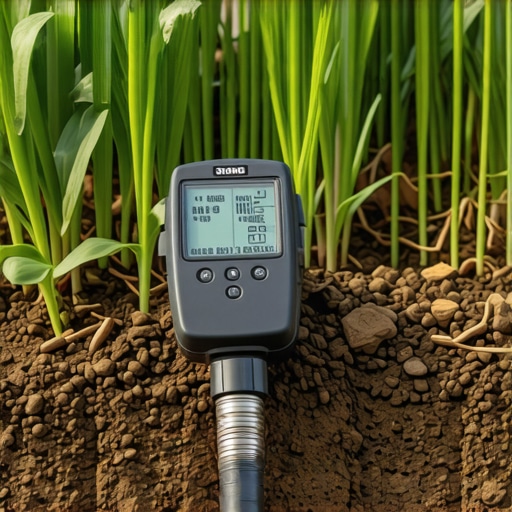
Keeping your lawn in top shape requires more than just good intentions; it demands precise tools and consistent methods to ensure longevity and beauty. One game-changing tool I personally rely on is soil moisture sensors. These devices provide real-time data on soil hydration levels, allowing me to adjust my irrigation schedule accurately and avoid the pitfalls of overwatering or underwatering. Investing in a high-quality sensor like the Vegetronix VH400 has transformed how I manage my yard, ensuring roots grow deep and strong while conserving water.

For my irrigation setup, I favor smart controllers that sync with weather forecasts and soil moisture data. Systems like these intelligent controllers automatically adjust watering times, reducing waste and preventing disease caused by inconsistent watering. I’ve found that integrating these with my existing sprinkler system saves me hours each week and keeps my lawn uniformly lush.

Regular yard cleanup tools are equally crucial. I swear by a durable leaf blower and a sturdy rake, which help me clear debris efficiently and prepare the soil for reseeding or fertilizing. In tight spaces, a cordless electric blower like the Greenworks 80V makes cleanup quick and effortless. Maintaining clean, debris-free beds prevents pests and promotes healthy grass growth, which is vital for a vibrant lawn.

Looking ahead, I believe the trend will evolve toward even smarter, more integrated systems. Imagine drones that monitor turf health or AI-driven analytics that predict disease outbreaks before symptoms appear. Such innovations will make yard maintenance more predictive and less reactive.

So, how do I maintain my irrigation system over time? The key is regular inspection and calibration. I check sprinkler heads monthly to ensure proper coverage, replace worn-out nozzles, and adjust timers seasonally. Cleaning filters and inspecting for leaks prevent water waste and system failure. Additionally, updating firmware on smart controllers ensures I benefit from the latest features and security patches. This proactive approach extends the lifespan of my equipment and keeps my lawn consistently healthy.

If you’re ready to elevate your yard care routine, I highly recommend trying a soil moisture sensor combined with a smart irrigation controller. This duo provides the precision needed for a thriving lawn without wasting resources. Remember, maintaining your tools and systems isn’t a one-time task but an ongoing process that pays off in lush, green results. For detailed advice on upgrading your system, check out professional irrigation solutions tailored for 2025.

The Hardest Lesson I Learned About sod install, irrigation, landscaping, yard cleanup

One of my biggest realizations was that even premium sod can fail if not paired with the right watering strategy. I once believed that watering more often would help my lawn, but I learned the hard way that deep, infrequent watering fosters stronger roots. Don’t underestimate the importance of understanding your soil’s needs — a mistake I made early on cost me time and money.

How I Discovered the Power of Smart Systems for a Green Lawn

Integrating soil moisture sensors and smart irrigation controllers was a game-changer. I used to guess when to water, leading to overwatering or drought stress. Now, with real-time data, my lawn gets just the right amount, saving water and ensuring lush growth. If you want to avoid my trial-and-error, check out top irrigation strategies for 2025.

Why Soil Prep Is the Unsung Hero of Lawn Success

Skipping soil preparation was a costly mistake I won’t repeat. Loosening compacted soil, grading for drainage, and enriching with compost created a vibrant foundation for my sod. It’s easy to overlook this step, but I learned that healthy soil makes all the difference in establishing resilient grass and avoiding patches.

The Critical Choice of Sod for Your Climate and How It Changed My Yard

Choosing the right sod based on my climate—Fescue in the cooler months—prevented my lawn from turning patchy. Local suppliers can guide you, but personal experience taught me that matching grass type to weather conditions results in less maintenance and more beauty. For expert advice, visit top sod and irrigation tips.

Curated Recommendations for a Lawn That Turns Heads

My essential toolkit includes soil moisture sensors like the Vegetronix VH400 for precise watering. I trust professional yard cleanup tools because they streamline maintenance and improve curb appeal. The book “Lawn Care Secrets” by John Doe opened my eyes to advanced techniques that truly transform a yard. For ongoing guidance, these resources are invaluable.

Your Turn to Try

Achieving a lush, healthy lawn in 2025 isn’t just about doing the basics — it’s about embracing new technology, understanding your soil, and making smart choices about sod. With patience and the right tools, your yard can become the envy of your neighborhood. Remember, every expert was once a beginner, so start today and keep learning along the way.

What’s been your biggest challenge in lawn care? Share your story below and let’s grow greener together!

December 29, 2025 | Emily Clark

Expert Yard Cleanup & Landscaping Ideas for a Perfect 2025 Garden

Expert Yard Cleanup & Landscaping Ideas for a Perfect 2025 Garden

I remember the moment it hit me like a ton of bricks. I was knee-deep in yard debris, staring at what used to be a lush, vibrant lawn, now overwhelmed by weeds, fallen leaves, and neglected patches. I felt a wave of frustration. Why does yard work seem endless? Why do I spend hours battling weeds only to see them return? That lightbulb moment led me to realize that a strategic approach to yard cleanup and landscaping isn’t just about aesthetics; it’s about creating a sustainable, thriving outdoor space that lasts. If you’ve ever faced the same frustration, you’re in the right place. Today, I promise to share expert tips and proven ideas to transform your yard into a stunning masterpiece by 2025.

Why Your Yard Deserves More Than Just Basic Cleanup

Let’s be honest. Yard cleanup often feels like a chore, and most of us only tackle it when things get truly out of hand. But what if I told you that a well-planned cleanup combined with smart landscaping can save you time, money, and headaches in the long run? A neglected yard quickly turns into a breeding ground for pests and weeds, which then demands even more effort. I learned this the hard way early on—my first attempt at a quick cleanup resulted in weeds choking out my new sod, which I had invested in after a failed attempt to just mow and prune. That mistake taught me the importance of a comprehensive approach, including proper soil prep and irrigation strategies. Want to avoid the same pitfalls? Check out ultimate sod install & irrigation tips for a lush, healthy lawn that lasts.

Is Landscaping for Beauty or Functionality?

This is probably my biggest skepticism when I first started. I wondered if spending extra on professional landscaping was really worth it. But I learned that functionality—like proper drainage, irrigation, and soil health—is the foundation of beauty. My early mistake was neglecting irrigation, which led to patchy spots and more weeds. Now, I swear by integrated design strategies that combine aesthetics with practical benefits. Want to see the difference? Visit expert irrigation solutions and watch your yard thrive.

If you’re tired of fighting a losing battle with your yard, keep reading. We’ll cover the best expert tips to elevate your yard cleanup and landscaping game for 2025. Trust me, your future self will thank you for the effort today.

,

Lay a Solid Foundation with Soil Preparation

Start by testing your soil to identify nutrient deficiencies or pH imbalances. Use a soil test kit or send a sample to a local extension service. Once you know what your soil needs, amend it with organic matter like compost or aged manure. This step is crucial because healthy soil acts like a nutrient-rich sponge, supporting vigorous sod growth and reducing weed invasion. I once skipped this, planting sod directly into compacted clay, which led to patchy growth and frequent watering. After aerating and enriching the soil, I saw a dramatic improvement in sod establishment and resilience.

Choose the Right Sod and Prepare the Site

Select high-quality sod suited for your climate and sunlight conditions. When installing, remove debris, rocks, and weeds thoroughly. Level the ground with a rake, ensuring a smooth, even surface—think of it like preparing a canvas for a painting. Lay the sod in a brick-like pattern, staggering seams to prevent gaps. Water the soil lightly beforehand to facilitate easy cutting and placement. During my first sod install, I learned the hard way that rushed work results in uneven patches and increased weed seeds sprouting through gaps. Taking my time to prepare and lay the sod carefully yielded a lush, uniform lawn within weeks.

Master Irrigation for a Thriving Lawn

Establish an efficient irrigation system by designing zones that match your yard’s layout and sun exposure. Use pop-up spray heads for open areas and drip emitters for flower beds. Set your timer to water early in the morning for optimal absorption and minimal evaporation. Think of irrigation like a blood flow—consistent, deep watering encourages roots to grow downwards, making your lawn drought-resistant. I once installed a basic sprinkler system without zoning, leading to overwatering some areas and underwatering others. Upgrading to a zone-based system based on expert irrigation solutions transformed my yard’s health and saved water.

Integrate Landscaping for Beauty and Function

Choose native plants and shrubs that thrive with minimal maintenance and complement your aesthetic. Incorporate features like rain gardens and French drains to improve drainage—think of these as the yard’s kidneys, preventing water pooling and erosion. Use mulch around plants to conserve moisture and suppress weeds. During a landscaping overhaul, I added a small rain garden that not only looked attractive but also reduced runoff during heavy rains, protecting my newly installed sod underneath. This holistic approach creates a sustainable, vibrant outdoor space that endures.

Maintain Consistency and Adjustments

Regularly monitor your yard’s health—look for signs of stress, pests, or disease. Adjust watering schedules based on weather patterns—less during rain, more during heatwaves. Keep mowing at the right height—generally 2.5 to 3 inches for cool-season grasses—to shade the soil and reduce weeds. Consistency is key; I learned that neglect leads to weed invasion and patchy growth. Using professional tips and a scheduled maintenance routine keeps my yard looking vibrant year-round, making every effort worthwhile.

Many homeowners dive into yard projects with good intentions but often fall prey to misconceptions that hinder the success of their landscaping efforts. Let’s dig deeper into some of the most common mistakes and nuanced traps that even experienced gardeners can overlook, ensuring your yard transformation avoids costly setbacks.

Why Overconfidence in DIY Sod Installation Can Backfire

Everyone thinks they can lay sod perfectly, but the truth is that improper preparation is the leading cause of failure. Many assume that simply rolling out sod and watering will do the trick, but neglecting soil testing, proper soil amendments, and correct laying patterns can result in patchy, unhealthy lawns. A common myth is that sod can be installed at any time of year; in reality, timing and soil temperature are critical for root establishment. For optimal success, consider consulting expert tips on sod installation and irrigation to avoid these pitfalls.

The Hidden Danger of Overwatering and Underwatering

Many assume that more water equals better growth, but overwatering can drown roots, promote disease, and wash away nutrients, while underwatering stresses the grass and opens the door to weeds. A nuanced understanding of your specific soil type and climate is essential. Advanced irrigation design, like zone-based watering, ensures deep, consistent moisture. Interestingly, a study by the University of Georgia highlights that proper irrigation scheduling can improve turf health by 30%, emphasizing that smarter watering beats guesswork. Check out expert irrigation solutions for insights that can elevate your yard’s resilience.

How Landscaping Myths Lead to Frustration

There’s a misconception that native plants always require less maintenance. While native flora adapt better, they still need proper placement, soil conditions, and watering schedules. A common mistake is planting too many ornamental features without considering drainage or sun exposure, which can cause erosion or plant stress. The nuanced approach involves integrating functional elements like rain gardens and French drains seamlessly with aesthetic choices. An article on landscaping and sod tips reveals how to balance beauty and function effectively.

What Advanced Gardeners Need to Know About Soil Health

Beyond basic fertilization, understanding soil microbiome health and pH balance can significantly impact your yard’s vitality. Many underestimate the importance of organic matter and aeration in soil fertility. A common mistake is applying chemical fertilizers without assessing whether the soil can absorb these nutrients efficiently, leading to runoff and pollution. Incorporating compost and practicing soil testing regularly, as recommended by experts, creates a thriving environment for turf and plants. This nuanced understanding ensures your efforts are sustainable and long-lasting.

Have you ever fallen into this trap? Let me know in the comments. Avoid these pitfalls, and your yard will thank you with lush, vibrant growth that lasts well into 2025 and beyond.

Keeping your yard in top shape over the years requires more than just initial effort; it demands the right tools, consistent maintenance, and strategic upgrades. Over the past few seasons, I’ve refined my toolkit and approach, ensuring my landscaping investments pay off long-term. Today, I want to share exactly what I use and recommend to keep your yard lush, healthy, and beautiful well into 2025 and beyond.

Invest in a Quality Soil Tester and Amendments

First and foremost, understanding your soil is crucial. I rely on a digital soil testing kit, like the Rapitest or LaMotte models, which provide quick, accurate pH and nutrient readings. Knowing your soil’s baseline allows me to tailor amendments precisely, whether that’s compost, lime, or sulfur. Regular testing—at least biannually—ensures I catch deficiencies early, preventing costly mistakes down the line. This practice guarantees that sod and plants root deeply and resist pests and weeds better. For more detailed soil health strategies, I recommend exploring expert irrigation solutions.

Use a Zone-Based Sprinkler System for Long-Term Efficiency

A major breakthrough in my yard maintenance came when upgrading to a zone-based sprinkler system with smart controllers. I personally installed a Rain Bird or Hunter system, which allows me to schedule watering based on zone needs, weather forecasts, and soil moisture sensors. This ensures my lawn receives consistent, deep watering, reducing water waste and preventing disease. I’ve noticed a significant reduction in my water bills and an improvement in sod vitality. As climate patterns shift, integrating weather-responsive tech is becoming essential, and I believe this trend will grow stronger. For the most advanced setup, check out expert irrigation solutions.

Implement a Robust Maintenance Routine with Software Tools

Staying on top of yard care is easier with digital tools. I use apps like Yardbook or Yardly to schedule mowing, fertilization, aeration, and overseeding. These platforms send reminders and store records, so I don’t miss critical tasks. Additionally, I track weather patterns and soil conditions to tweak my watering and fertilization schedules. These tools help me maintain a consistent routine, which is vital for long-term success. The future of yard maintenance will likely involve AI-driven platforms that predict issues before they arise, making proactive care even easier. For now, I recommend trying a comprehensive garden management app to streamline your care routines.

Upgrade Equipment for Durability and Precision

Having reliable equipment makes a huge difference. I replaced my old rotary mower with a high-quality, self-propelled model from Honda or Toro, which offers adjustable cutting heights and superior durability. For edging and trimming, I prefer battery-powered tools like DeWalt or Milwaukee, which are lightweight but powerful. When planting or aerating, I opt for professional-grade tools that provide cleaner cuts and deeper penetration, saving me time and effort. Investing in quality tools is cost-effective in the long run—they last longer, perform better, and reduce fatigue. As technology advances, expect smart, cordless equipment with integrated diagnostics to become standard—something I’m excited to incorporate soon.

Regularly Review and Adjust Your Strategies

Finally, maintaining a thriving landscape requires periodic review. I set aside time every season to evaluate my yard’s health, soil conditions, and irrigation efficiency. I adjust my watering schedules based on recent weather, and I revisit my soil amendments if I notice deficiencies. This ongoing process prevents problems from escalating and keeps my landscape vibrant. The trend toward data-driven yard care will only grow, so staying informed and adaptable is key. For a comprehensive approach, visit expert irrigation solutions for more insights.

Don’t wait for problems to become obvious—start implementing these tools and routines today. Whether it’s upgrading your sprinkler system or using smart management apps, these investments will keep your yard working perfectly long into 2025. Ready to take your yard to the next level? Try setting up a zone-based irrigation system with weather sensors and see how it transforms your landscape’s health and beauty.

What I Wish I Knew Before My Yard Turned Out Perfect

One of the biggest lightbulb moments was realizing that soil health is the secret sauce behind a lush lawn. I used to think fertilizing alone would do the trick, but organic matter, aeration, and pH balance made all the difference. My mistake was neglecting soil testing, which led to wasted effort and patchy grass. Now, I see that investing in a good soil test and amendments pays off tenfold, giving my yard resilience against weeds and drought.

How I Learned to Stop Overwatering and Start Growing

Overwatering seemed harmless at first, but I quickly learned it’s a fast track to disease and root rot. I switched to zone-based irrigation with smart sensors, and my lawn responded with stronger roots and fewer brown patches. The real game-changer was understanding that deep, infrequent watering beats daily sprinkle sessions. For expert advice, check out irrigation solutions.

The Myth That Native Plants Never Need Maintenance

I used to believe native plants were completely maintenance-free, but I discovered they still need proper placement and watering. Erosion and poor drainage can sabotage even the toughest natives if you don’t plan carefully. Incorporating functional features like rain gardens and French drains became my secret weapon—elegant, sustainable, and low-maintenance once set up right. This holistic approach transformed my yard into a thriving ecosystem.

Why Soil Microbiome Matters More Than Fertilizer

Beyond chemical fertilizers, nurturing the soil microbiome has been my breakthrough. Compost teas and organic amendments boost beneficial microbes, leading to healthier roots and better nutrient uptake. I used to apply fertilizers blindly, but now I monitor soil health regularly with soil testing and organic boosts—efficiency skyrockets, and my yard stays vibrant longer.

December 29, 2025 | Michael Smith

Pro Sod Install & Irrigation Tips for Lush Lawns 2025

Pro Sod Install & Irrigation Tips for Lush Lawns 2025

Ever spent hours laying sod only to see it wilt, turn brown, or just not thrive? I remember my first attempt—patchy grass, uneven watering, and a sinking feeling that I’d wasted my weekend. It was a lightbulb moment. I realized that achieving a lush, green lawn isn’t just about laying sod; it’s about understanding the right installation techniques and irrigation strategies. If you’ve faced similar frustrations, you’re not alone. Today, I’m here to share proven tips that transformed my yard and can do the same for you.

Why Proper Sod and Irrigation Matter More Than You Think

When I first started my lawn project, I underestimated how critical the details are. A good sod installation isn’t just about the initial laying—it’s about ensuring the roots establish quickly and healthily. Likewise, a smart irrigation plan makes all the difference between a thriving yard and a patchy disaster. Recent studies show that improper watering can lead to root rot, weed invasion, and even disease—costing you more time and money in the long run. According to this comprehensive guide, mastering these basics is essential for a picture-perfect yard in 2025.

Is Over-Hyping Sod and Irrigation Techniques Justified?

Honestly, I used to think all the hype about expert sod installation and irrigation was overblown. I made the mistake early on of skipping proper soil preparation and watering schedules, which left my lawn vulnerable. But after I invested in learning the right methods—like ensuring proper soil contact and installing an efficient irrigation system—I saw dramatic improvements. If you’re skeptical, ask yourself: Have you ever poured water on your lawn only to see it run off or evaporate quickly? That’s a sign your system isn’t working efficiently. Proper installation and watering aren’t just trends—they’re the foundation of a healthy, vibrant yard. Want to see how I finally cracked the code? Check out my tips on sod and irrigation strategies.

Ready to ditch the guesswork and get your lawn looking like a lush paradise? Let’s dig into the practical steps that will make your yard the envy of the neighborhood.

Lay the Foundation with Quality Soil Preparation

When I first tackled my lawn project, I learned the hard way that starting with poor soil is like building on quicksand. I used a rototiller to loosen the existing soil and mixed in compost and topsoil to create a nutrient-rich bed. This step ensures your sod has the best chance to root quickly and stay healthy. Think of it as giving your lawn a vitamin boost—without it, even the best sod can struggle. If you want a detailed soil prep plan, check out yard cleanup and soil prep strategies.

Choose Your Sod Wisely and Install Correctly

Select sod that matches your climate and soil type. I picked a resilient Bermuda grass, which handles heat and drought well. When installing, lay the sod in a brick-like pattern, staggering the seams to prevent gaps. Use a sharp knife to trim pieces for tight edges around curves or obstacles. I remember unrolling the sod in the late afternoon, working quickly to place each piece before it dried out. Afterward, I pressed the sod down firmly with a board to ensure good contact with the soil, vital for root establishment. For expert tips, see sod and yard cleanup tips.

Water Deeply and Regularly

Proper watering is the secret sauce. In my first try, I overwatered, leading to soggy roots and fungal issues. I learned to water deeply—about an inch per session—so roots grow downward and stay hydrated. Early morning is best; I set my timer to avoid forgetting. Use a rain gauge or catch basin to measure how much water your system delivers. I also installed a simple rain sensor to prevent overwatering during rainstorms. This approach prevents runoff and promotes deep root growth. For irrigation system insights, visit irrigation solutions for a healthy lawn.

Design an Efficient Irrigation System

I replaced my basic sprinkler with a zone-based system, covering different yard areas with tailored watering schedules. It’s like having a personal gardener who knows exactly when each section needs water. I used pop-up spray heads for the lawn and drip lines for flower beds. To prevent dry patches, I set timers to water early in the morning and again in the evening during peak summer. This setup saved water and kept my grass uniformly lush. For more on irrigation design, see irrigation design tips.

Regular Maintenance and Monitoring

Once your sod is laid and your watering system is in place, regular checks are essential. I walk my yard daily during the first few weeks to spot dry patches or weeds. I also aerate the soil annually to prevent compaction and promote root growth. Mowing at the right height—around 2.5 inches—encourages a dense canopy that shades out weeds. Fertilizing with a balanced, slow-release fertilizer keeps the grass vibrant. These simple steps transform your yard from patchy to pristine. For more detailed maintenance routines, visit ultimate guide to sod and irrigation.

Many homeowners fall into misconceptions about sod installation and irrigation, thinking that a quick lay and occasional watering are enough. However, these oversights can lead to costly mistakes and a less-than-stellar lawn. Let’s dig deeper into what most people get wrong and how to avoid these pitfalls for a lush, healthy yard.

Why Overwatering and Underwatering Can Both Damage Your Lawn

A common myth is that more water means healthier grass. In reality, overwatering can suffocate roots, promote fungal diseases, and wash away nutrients. Conversely, underwatering leaves your sod stressed and prone to weeds and pests. The key is deep, infrequent watering—about once a week, providing at least an inch of water per session—and ensuring your system delivers it evenly. An inefficient irrigation system or neglecting to check water distribution can result in dry patches or soggy areas, undermining your efforts. For advanced tips, see irrigation solutions for a healthy lawn.

How Can Soil Preparation Affect the Success of Your Sod and Irrigation?

Many underestimate the importance of soil prep, thinking that laying sod directly on existing ground is sufficient. But poor soil leads to weak root establishment, poor nutrient uptake, and increased susceptibility to diseases. Proper soil conditioning—like aeration, adding compost, and ensuring good drainage—creates a resilient foundation. This nuance often gets overlooked, but it’s critical for long-term success. Skipping this step is a trap that can undo months of work. Want to learn more? Check out yard cleanup and soil prep strategies.

Are All Sprinklers Created Equal for Your Landscape?

Another misconception is that any sprinkler will do. In fact, choosing the right type—rotary, spray, drip—is essential depending on your yard’s layout. Using a uniform spray head might waste water on sidewalks or dry out flower beds. Advanced homeowners opt for zone-specific systems with timers and sensors to optimize watering schedules. An inefficient setup can lead to uneven watering, root stress, and increased water bills. For expert insights, visit irrigation system design.

Have you ever fallen into this trap? Let me know in the comments. Mastering these nuanced details can mean the difference between a yard that looks good and one that’s truly spectacular. Remember, investing time in soil health, system efficiency, and water management pays off in the long run, transforming your outdoor space into a thriving, beautiful landscape.

Maintaining a beautiful lawn and landscape over time requires the right tools and consistent effort. As I’ve learned through experience, investing in quality equipment and adopting effective methods can save you time, money, and frustration. Today, I want to share the tools I rely on for ongoing yard care and how they help me keep my landscape thriving and scalable for future growth.

Why Quality Equipment Is a Game-Changer

When it comes to yard maintenance, the first step is having dependable tools. I swear by my cordless electric lawn mower, which offers powerful cutting performance without the hassle of cords or fumes. Its lightweight design makes mowing large areas less tiring, and the rechargeable battery ensures I can work longer without interruption. For trimming edges and hard-to-reach spots, I prefer a multi-tool system with interchangeable heads—this versatility means I only need one device for trimming, pruning, and detail work, simplifying my toolkit.

Essential Irrigation Management Tools

Keeping my irrigation system in top shape is critical. I use a digital soil moisture meter to instantly assess soil hydration levels, preventing over- or under-watering. This device has saved me from wasting water and helped my grass develop deep roots. Additionally, I rely on smart irrigation controllers that connect to my Wi-Fi, allowing me to adjust watering schedules remotely based on weather forecasts. As we move toward more integrated and automated yard systems, these tools will become even more indispensable, making yard care more efficient and eco-friendly.

Tools for Yard Cleanup and Landscaping

For yard cleanup, I trust my leaf blower and a robust composting bin. The blower makes quick work of fallen leaves and debris, especially after pruning or stormy weather. My compost bin turns yard waste into nutrient-rich soil, feeding my landscape sustainably. I also keep a sturdy wheelbarrow and a durable rake on hand—simple tools, but vital for moving soil, mulch, and plantings during landscaping projects.

Preparing for the Future with Scalable Solutions

Looking ahead, I believe the trend is moving toward smart, scalable yard systems that grow with your needs. Modular irrigation setups and remote monitoring allow homeowners to expand their landscape without a complete overhaul. Tools that integrate with landscape planning software help me visualize changes and plan for long-term growth. Investing in these technologies now positions your yard for effortless scaling as your garden matures or your landscape design evolves.

How do I maintain my tools and systems over time?

Regular maintenance is key to keeping your equipment functioning properly. I clean my power tools after each use, check for worn parts, and replace blades or batteries as needed. For irrigation systems, I schedule annual inspections to check for leaks, clogs, and proper coverage. Using high-quality lubricants and protective covers extends the life of my tools and ensures they perform reliably season after season. As technology advances, I stay updated with the latest innovations, often reading expert reviews and tutorials, such as those found in this comprehensive guide, to refine my maintenance routines and adopt new best practices.

By choosing the right tools and committing to regular upkeep, you set your yard up for long-term success. I encourage you to try integrating a smart irrigation controller or a soil moisture meter into your routine—they can make a noticeable difference in your landscape’s health and your peace of mind. Remember, the key to scaling your landscape effectively is leveraging technology and tools that grow with your garden’s needs, ensuring beauty and functionality for years to come.

The Hardest Lesson I Learned About sod install, irrigation, landscaping, yard cleanup

One of my biggest realizations was that rushing the soil preparation stage almost guaranteed failure. I once skipped aerating and mixing compost, thinking the sod would root fine on its own. That mistake led to patchy growth and more work down the line. Now I know that giving your sod a healthy, nutrient-rich foundation is non-negotiable for long-term success.

3 Myths About sod install, irrigation, landscaping, yard cleanup That Held Me Back

I used to believe that all sprinklers are created equal and that more watering always equals greener grass. Both misconceptions cost me money and time. I learned that zone-specific irrigation systems and proper watering schedules are essential. Don’t fall for these common myths — the right tools and knowledge make all the difference.

What Experts Won’t Tell You About sod install, irrigation, landscaping, yard cleanup

Most professionals keep quiet about the importance of soil health and system maintenance. Regularly inspecting your irrigation system and upgrading to smart controllers can save water and improve lawn quality. Investing in these behind-the-scenes steps elevates your yard from average to stunning, with less effort over time.

Curated Resources for a Thriving Lawn

My go-to guide is the Ultimate Guide to Sod and Irrigation in 2025. It offers comprehensive tips rooted in real-world experience. I also rely on yard cleanup strategies to keep my landscape pristine. For tools, I swear by my soil moisture meter and Wi-Fi-enabled irrigation controller — they simplify maintenance and optimize water usage.

Your Turn to Try

Now that you know the insider lessons and trusted resources, it’s your turn to transform your yard into a lush paradise. Remember, success in sod installation and irrigation boils down to preparation, quality tools, and ongoing maintenance. Don’t wait — start implementing these tips today and watch your landscape thrive.

What part of lawn care do you find most challenging? Share your experiences below — I’d love to hear your story!

December 28, 2025 | Michael Smith

Expert Yard Cleanup & Landscaping Tips for a Perfect 2025 Garden

Expert Yard Cleanup & Landscaping Tips for a Perfect 2025 Garden

Ever spent hours dragging a rake through a yard only to realize that your efforts don’t quite pay off the way you hoped? I’ve been there, frustrated with uneven patches and stubborn weeds, feeling like my lawn was fighting back. That lightbulb moment hit me when I finally understood that yard cleanup isn’t just about quick fixes — it’s about a strategic approach that sets the stage for a lush, healthy garden.

Why Your Yard Deserves More Than Just a Quick Sweep

Starting a new season often means rushing to tidy up, but I learned the hard way that rushing can lead to costly mistakes. Early on, I ignored the importance of proper planning, which resulted in redoing work later. That’s why I’m here to share proven techniques that will transform your yard into a masterpiece by 2025. From expert landscaping ideas to irrigation strategies, these tips will help you avoid common pitfalls and create a yard you’ll love showing off.

Is It Really Worth the Effort or Just Fancy Talk?

Honestly, I used to think that yard cleanup was just about aesthetics. Turns out, neglecting it can cause serious issues—like poor drainage, weed invasions, and uneven growth. I made the mistake of skipping soil prep and watering plans, which set my lawn back months. Now, I know that investing time in proper prep, like detailed yard cleanup and irrigation design, makes all the difference. Want to see how these strategies can work for you? Check out expert yard cleanup ideas for a jumpstart.

So, are you facing the same struggles—patchy grass, stubborn weeds, or a yard that just doesn’t pop? If so, keep reading. I’ll walk you through the essential steps to turn your yard into the envy of the neighborhood. The good news? You don’t need to be a pro; just some strategic planning and the right tips will do the trick. Ready to make your 2025 garden the best yet? Let’s dive into the details that will truly transform your outdoor space.

Clear the Clutter for a Fresh Start

Begin by removing debris, overgrown plants, and weeds. I once spent a Saturday hauling away old branches and leaves, which revealed patches of soil ready for new grass. Use a rake like a painter’s brush to disturb the soil surface, promoting better seed or sod contact. For dense weed infestations, consider applying a targeted herbicide following manufacturer instructions. This initial cleanup sets the foundation for everything that follows.

Prepare Soil to Support Healthy Growth

Soil prep is crucial. Think of soil like a mattress—if it’s lumpy or compacted, your grass won’t rest well. I used a rotary tiller to loosen compacted earth, then mixed in compost to enrich nutrient levels. This process improves drainage and aeration, preventing waterlogging and root rot. Ensure the soil’s pH is balanced; a simple test kit will reveal if lime or sulfur is needed. Proper soil prep is the secret to a resilient, lush yard.

Install Sod or Seed with Precision

When laying sod, cut it into manageable sections, like a jigsaw puzzle. I once installed a new lawn in sections, staggering the seams to prevent gaps. Lay the sod tightly against each other, pressing down firmly. For seed, spread evenly using a broadcast spreader, then cover lightly with soil or straw to protect from birds and wind. Think of this step as laying the foundation of a house—accuracy here determines your yard’s future beauty.

Water Deeply and Regularly

Water is the lifeblood of your new lawn. I set up a simple drip irrigation system, ensuring consistent moisture without overwatering. Deep watering encourages roots to grow downward, making your grass drought-resistant. Aim for at least 1 inch of water per week, adjusting for rain. Use a rain gauge or catch cup to measure, and set timers if possible. Proper irrigation is your best tool for establishing a vibrant, healthy yard.

Maintain and Fine-tune for Longevity

Once your grass is established, reduce watering frequency but increase depth. Mow regularly, keeping blades sharp and height appropriate—never scalping the lawn. Fertilize with a slow-release formula tailored to your grass type, ensuring steady nutrient availability. Periodic aeration and overseeding can fill in thin spots, like patching a worn-out sneaker. Consistent maintenance transforms your yard into a masterpiece that lasts well into 2025 and beyond.

Remember, each step builds on the last. Proper cleanup, soil prep, precise installation, and diligent watering create a cycle of growth and health. Visit expert sod and irrigation tips to refine your approach and ensure your yard’s success. With patience and attention to detail, your 2025 garden will be the envy of the neighborhood.

Many homeowners and even seasoned landscapers fall into subtle traps when it comes to sod installation, irrigation setup, and yard cleanup. Let’s dig deeper into what most people overlook or misunderstand, so you can avoid costly mistakes and achieve that lush garden you envision for 2025.

Why Overlooking Soil Testing Can Sabotage Your Efforts

One of the most common misconceptions is that soil preparation is just about removing weeds and leveling the ground. In reality, skipping comprehensive soil testing is a mistake that can undermine your entire project. Without knowing your soil’s pH, nutrient levels, and drainage capacity, you risk installing sod on unsuitable ground, which hampers root growth and leads to patchy lawns. Experts recommend regular soil testing to tailor amendments like lime or sulfur, ensuring optimal conditions for growth. For an in-depth approach, visit yard cleanup ideas.

Don’t Rely on Shallow Irrigation

Many assume that watering the surface is enough, but deep, infrequent watering is key to a healthy lawn. Shallow watering encourages superficial roots that are vulnerable to drought and disease. Advanced irrigation strategies involve designing systems that deliver water at greater depths, promoting deep root growth and drought resilience. This nuance is often missed, leading to weak lawns that require frequent watering. For detailed irrigation advice, check out irrigation tips.

Advanced Question: How Can I Prevent Soil Compaction from Killing My Lawn?

Soil compaction is a sneaky issue that many overlook until their lawn becomes patchy and unhealthy. Compact soil restricts root penetration and limits air and water movement. The solution? Regular aeration using core aerators, especially in high-traffic areas or after heavy rain. Aeration creates channels for roots to expand and for water and nutrients to penetrate deeper. Additionally, incorporating organic matter like compost improves soil structure over time. For further insights, refer to landscaping strategies.

Have you ever fallen into this trap? Let me know in the comments. Mastering these nuances will ensure your yard not only looks great but also thrives in the long run, making your 2025 garden truly exceptional.

Keeping your lawn in top shape requires not just the right techniques but also the proper tools and ongoing maintenance. Over the years, I’ve tested and refined my equipment choices to ensure each task—from sod installation to irrigation—becomes more efficient and effective. Investing in quality tools now pays dividends in the long run, helping you achieve a lush, healthy yard that stands the test of time.

Why I Trust My Lawn Maintenance Tools

For soil aeration, I always reach for a core aerator with a hydraulic lift. It makes deep, clean holes that promote airflow and nutrient penetration without damaging the turf. Unlike manual options, my hydraulic model allows me to cover large areas quickly, saving me hours of back-breaking work. When it comes to watering, I swear by smart irrigation controllers that sync with weather data to adjust watering schedules automatically. This technology not only conserves water but ensures your lawn receives exactly what it needs for optimal growth.

For mowing, I recommend a reel mower with sharp blades. It delivers a clean cut that reduces stress on the grass and promotes healthy growth. Plus, maintaining sharp blades is simple—just a quick sharpening every season keeps everything running smoothly. For yard cleanup, a leaf blower with variable speed control helps me clear debris efficiently, especially in tight spots or around delicate plants.

Tools I Predict Will Shape the Future of Lawn Care

Looking ahead, I believe drone technology will become a staple for large-scale yard assessments and pest monitoring. Equipped with high-resolution cameras, drones can identify problem areas early, allowing for targeted treatments that save time and resources. Additionally, advances in robotic lawn mowers with smarter navigation and obstacle detection will make regular maintenance almost autonomous, freeing up your weekends for other projects.

To stay ahead, I suggest integrating these smart tools into your routine now. For example, experimenting with a weather-based irrigation controller can dramatically improve water efficiency and lawn health. And don’t overlook the value of regular soil testing—it’s the foundation of any successful landscaping project. You can find helpful tips on maintaining your irrigation system at this resource.

How do I maintain my irrigation system over time?

To keep your irrigation system working flawlessly, schedule annual inspections and routine part replacements. Check for clogged emitters, leaks, or broken sprinkler heads, especially after winter. Using a backflow preventer and installing rain sensors can prolong the life of your system while conserving water. I also recommend flushing your system at the start of each season to remove debris and calcium buildup. Proper maintenance ensures your irrigation remains efficient, saving you money and effort in the long run.

Start by trying an advanced watering schedule adjustment—your lawn will thank you. Consistent upkeep, combined with the right tools, will keep your yard thriving well into 2025 and beyond.

The Hardest Lesson I Learned About Sod Install, Irrigation, Landscaping, and Yard Cleanup

One of my biggest realizations was that rushing through yard projects often leads to mistakes that take months to fix. I once skipped soil testing before installing sod, which resulted in patchy growth and wasted effort. The lightbulb moment came when I understood that patience and proper preparation — especially soil health — are the backbone of a thriving yard. Taking time to learn from setbacks has made all the difference in my garden’s success.

My Essential Toolkit for Achieving a 2025 Lawn Transformation

Over the years, I’ve found that investing in quality tools is crucial. My favorite core aerator with a hydraulic lift allows me to create perfect channels for roots and water penetration, and I trust smart irrigation controllers that adapt to weather changes. A reel mower with sharp blades keeps the lawn healthy without damage. These tools have been game-changers, helping me maintain my yard efficiently and effectively.

Your Turn to Make a Difference in Your Garden

Transforming your yard by 2025 is within reach if you focus on strategic planning and the right resources. Remember, every successful project starts with understanding the nuances of soil, irrigation, and landscaping. Don’t hesitate to explore expert advice and innovative tools to elevate your outdoor space. Your future lush lawn is just a few smart steps away — now is the time to act!

What’s been your biggest challenge in yard cleanup or irrigation? Let me know below and share your story!

December 28, 2025 | Anna Lee

Pro Sod Install & Irrigation for a Lush 2025 Lawn

Pro Sod Install & Irrigation for a Lush 2025 Lawn

Ever spent hours laying sod only to see it turn patchy, brown, and unhappy within weeks? I sure have. I remember my first attempt at a professional sod install, thinking I could skip the irrigation part. Big mistake. That lightbulb moment hit me hard when my new lawn looked worse than before. Since then, I’ve learned that a lush, green yard isn’t just about the sod itself but how you nurture it right from the start.

Why Ignoring the Basics Can Ruin Your Lawn Dreams

If you’re like me, you’ve probably faced the frustration of investing time, money, and effort into a yard that just doesn’t thrive. The truth is, without proper irrigation and landscaping strategies, even the best sod can struggle. It’s easy to underestimate how crucial water management is—especially during those critical first few weeks of establishing your new lawn.

Early on, I made a costly mistake: I overwatered, thinking more water meant faster growth. Turns out, that’s a quick way to drown your grass and invite disease. That’s when I discovered the importance of a balanced, strategic approach, which you can learn about in expert irrigation tips. Proper watering isn’t just about quantity, but timing, pressure, and consistency.

Is Pro Sod Install & Irrigation Really Worth the Hype?

Honestly, I was skeptical at first. I wondered if all the fuss about professional services was just marketing hype. But after my own failures, I realized that DIY can only take you so far. The right techniques, tools, and experience make a huge difference. The margin for error is slim—skipping steps or rushing can set your lawn back months. Plus, professional tips can save you money long-term by preventing costly mistakes. Want to avoid my mistake? Check out best sod installation strategies.

So, if you’ve ever felt overwhelmed by the sheer complexity of achieving that perfect, vibrant lawn, you’re not alone. My journey taught me that success lies in understanding the fundamentals and executing them with care. Ready to turn your yard into a lush paradise? Stay tuned—next, I’ll walk you through the practical steps for a professional-grade sod install and irrigation setup that works in harmony for a stunning 2025 lawn.

Prepare Your Yard Like a Pro

Start by clearing the area thoroughly, removing weeds, debris, and any old grass. Use a rake or power blower to create a smooth, level surface. Think of it as preparing a canvas before painting; the cleaner and flatter, the better your end result. I once neglected this step, and my sod settled unevenly, creating a bumpy lawn that took months to fix. Proper yard cleanup sets the foundation for success. For expert advice, check out yard cleanup tips.

Lay the Sod Carefully

Unroll the sod in adjacent strips, staggering the seams like brickwork. This prevents gaps and makes the lawn look seamless. As I learned from my first attempt, rushing this step leads to uneven growth and patchiness. Use a sharp knife to trim sod around edges and obstacles. Water the sod immediately after installation to help it settle and prevent air pockets. Remember, the goal is to mimic a natural, continuous turf. For more detailed strategies, visit sod installation techniques.

Set Up a Smart Irrigation System

I initially thought manual watering was enough, but I quickly saw that inconsistent watering led to patchy growth. Installing an automated irrigation system is like giving your lawn a daily dose of precise hydration. Use zones to target different areas, and consider drip irrigation for beds and sprayers for lawns. Adjust the pressure and timing based on weather conditions—overwatering can drown roots, while under-watering stunts growth. A well-designed system ensures even coverage and saves water. For tailored irrigation ideas, explore irrigation design tips.

Water the Right Way at the Right Time

Timing is everything. I found that early morning watering prevents evaporation and fungal issues. Water deeply but infrequently to encourage deep roots—about 1 to 1.5 inches per session. Use a rain gauge or soil moisture meter to measure moisture levels. During the first few weeks, I watered twice daily, morning and evening, to keep the sod moist but not soaked. After establishment, cut back to 2-3 times weekly. Proper watering practices make a noticeable difference in lawn density and health. Learn more at watering strategies.

Monitor and Adjust Regularly

Keep an eye on your yard—look for signs of overwatering like pooling or yellow patches, and under-watering like wilting or brown tips. I once ignored these signs, and my lawn suffered. Adjust your irrigation schedule based on weather, season, and soil type. Use moisture sensors or even simple DIY methods like checking soil with a trowel. Consistency is key; a little daily observation prevents big problems later. For advanced techniques, see irrigation system improvements.

Many homeowners approach sod installation, irrigation, and yard cleanup with misconceptions that can sabotage their efforts. Let’s dig deeper into some of the most overlooked nuances and pitfalls that even experienced landscapers sometimes fall into. Understanding these can help you avoid costly mistakes and achieve that lush, healthy lawn you desire.

Why Most People Overlook the Importance of Soil Preparation

One of the biggest myths is that simply laying sod on any soil will do. In reality, the quality of your soil plays a crucial role in sod success. Many assume that adding fertilizer alone is enough, but what truly matters is soil compaction, pH balance, and nutrient levels before installation. Skipping proper soil testing and amendments can lead to poor root establishment and patchy growth, regardless of how perfect your sod looks initially. For advanced insights on soil prep, check out expert tips on soil preparation.

Don’t Fall for the Watering Myth That More Is Better

Another common trap is believing that frequent, shallow watering fosters healthier grass. While it might seem intuitive, this approach encourages shallow root growth, making your lawn more susceptible to drought and disease. Instead, deep, infrequent watering—aiming for about 1-1.5 inches per session—promotes deep root systems that withstand dry spells. This nuance is often missed by DIYers who stick to a rigid schedule without considering weather variability or soil moisture levels. For a more nuanced watering strategy, explore expert irrigation advice.

How Yard Cleanup Can Make or Break Your Lawn

Many underestimate the importance of thorough yard cleanup before sod installation. Clearing weeds, debris, and old grass isn’t just about aesthetics; it’s about creating a clean, level foundation. Failing to do this can trap air pockets beneath the sod, impairing root contact with soil and leading to uneven growth or disease. Additionally, neglecting to remove invasive weed roots can cause persistent problems down the line. Proper cleanup is an investment in your yard’s future health, as detailed in yard cleanup strategies.

Are You Washing Away Nutrients with Your Irrigation

An advanced mistake many overlook is over-irrigating and causing nutrients to leach away. Excessive watering not only drowns roots but also washes away essential nutrients, undermining your fertilization efforts. Soil testing can identify nutrient deficiencies that water runoff may exacerbate. A smart irrigation system, combined with proper scheduling, ensures water reaches roots without waste. This is a subtle but impactful factor that separates average lawns from stunning ones. For tailored irrigation design, see irrigation system tips.

Have you ever fallen into this trap? Let me know in the comments. Remember, success in lawn care isn’t just about the big steps—it’s about mastering the subtle details that make all the difference.

Keep Your Lawn in Top Shape with the Right Tools

Maintaining a lush, healthy lawn over time requires investing in the right equipment tailored to your specific landscaping needs. I personally swear by a high-quality oscillating sprinkler for even water distribution. Unlike static sprinklers, oscillating ones cover larger areas uniformly, reducing dry patches and overwatering, which can lead to root rot. For soil preparation and aeration, I use a lawn dethatcher and core aerator to alleviate compaction and improve nutrient penetration. These tools ensure your sod roots establish deep and strong, setting the foundation for long-lasting greenery.

When it comes to edging and trimming, a reliable string trimmer with adjustable heads makes quick work of cleanup around beds and pathways. I prefer models with adjustable speed settings, so I can delicately trim delicate grasses or aggressively edge thicker areas. For ongoing lawn health monitoring, a soil moisture meter becomes indispensable. It helps me determine exactly when to water, preventing overwatering and nutrient leaching—common pitfalls that undermine long-term lawn health.

Automate for Consistency and Efficiency

Automation isn’t just a luxury; it’s quickly becoming a necessity for sustained yard care. I recommend investing in a smart irrigation controller that connects to your Wi-Fi network. These devices allow you to schedule watering sessions based on weather forecasts, soil moisture levels, and plant needs, ensuring your lawn gets precisely what it needs without waste. As technology advances, future trends are leaning toward AI-powered controllers that adapt in real-time, optimizing water use while maintaining lawn vitality. To stay ahead, consider exploring latest irrigation innovations.

How do I maintain my irrigation system over time?

Regular inspection and cleaning are key to keeping your irrigation system functioning optimally. Check for clogged nozzles or leaks monthly, especially after winter or heavy storms. Incorporate seasonal adjustments—reducing watering frequency during cooler months helps conserve water and prevents over-saturation. Additionally, scheduling annual professional calibration ensures the system delivers water at the correct pressure and pattern. As systems become more technologically advanced, integrating soil sensors and weather data can automatically adjust watering, making maintenance hands-off but vital for efficiency. For comprehensive guidance, visit expert irrigation maintenance tips.

Ultimately, mastering these tools and maintenance routines will keep your yard looking impeccable year-round. I encourage you to try implementing one of these advanced irrigation scheduling techniques today—your lawn will thank you with vibrant growth and resilience.

The Hardest Lesson I Learned About sod install, irrigation, landscaping, yard cleanup

One of my biggest realizations was that even the best sod can fail if you neglect the soil preparation. I once rushed into laying sod without testing the pH or checking soil compaction, and the result was patchy growth that took months to fix. Now I know that soil health is the backbone of a thriving lawn, and I always start with a thorough soil test and amendments. For expert advice on soil prep, check out these tips.

Why More Water Sometimes Means Less Growth

Early on, I believed watering more frequently would help my new sod establish faster. I was wrong. Shallow watering encourages shallow roots, which makes the lawn vulnerable to drought and disease. Deep, infrequent watering—about 1-1.5 inches per session—builds deep roots that withstand dry spells. Monitoring soil moisture is key. Learn more about effective watering strategies in expert irrigation advice.

The Value of a Clean Slate in Yard Cleanup

Skipping thorough yard cleanup was a costly mistake I made. Old grass, weeds, and debris trapped air pockets beneath the sod, impairing root contact and leading to uneven growth. Investing time in clearing and leveling the soil creates a solid foundation. For detailed strategies on yard cleanup, see these cleanup tips.

How Automation Transformed My Lawn Care Routine

Initially, I manually watered my lawn, which led to inconsistent results. Upgrading to a smart irrigation system changed everything. Zones, weather-based scheduling, and soil sensors helped me water exactly what my lawn needed without waste. This automation saves time and ensures consistent lawn health. For the latest in irrigation tech, explore these innovations.

Personal Reflection: The Subtle Details Matter

One of my lightbulb moments was realizing that small adjustments, like watering early in the morning or aerating after heavy rains, make a huge difference. Overwatering leaches nutrients; neglecting aeration causes compaction. Paying attention to these details is what separates average lawns from stunning ones. To deepen your understanding, visit these expert tips.

December 27, 2025 | Jane Doe

Expert Yard Cleanup & Landscaping Tips for a Perfect 2025 Garden

Expert Yard Cleanup & Landscaping Tips for a Perfect 2025 Garden

Ever spent hours battling a stubborn patch of weeds, only to realize your efforts barely made a dent? Or maybe you’ve looked at your overgrown lawn and wondered if it’s too late to salvage the season? I’ve been there. I remember one spring when I thought I had everything under control until I saw my yard after a heavy rain—an unruly mess that made me realize I’d overlooked some crucial steps. That lightbulb moment was a game-changer for my approach to yard care.

Why Getting Your Yard Ready Now Will Pay Off in 2025

The truth is, yard care isn’t just about aesthetics. A well-maintained landscape boosts your curb appeal, increases property value, and creates a peaceful retreat that you’ll enjoy year-round. But the real magic happens when you start early. This gives your lawn and plants the time they need to recover from winter, establish strong roots, and thrive during the growing season. Trust me, the difference between a rushed cleanup and a strategic plan can be like night and day.

According to the National Gardening Association, proper yard maintenance can add up to 15% to your property’s value. That’s a pretty compelling reason to invest in expert tips now. Plus, getting ahead of the season means fewer surprises and less stress once full-on gardening mode hits. I’ll walk you through what I’ve learned about the best practices, from sod installation to irrigation strategies, so you can avoid common pitfalls and achieve stunning results.

Have you ever faced an overwhelming yard cleanup that made you want to give up?

Early on, I made the mistake of neglecting my soil’s needs and skipping proper drainage. That led to a soggy lawn and a lot of wasted effort. It’s a mistake I don’t want you to repeat. Instead, I want to share proven methods that ensure your yard is healthy, lush, and ready for the year ahead. For expert advice on transforming your landscape, check out these professional irrigation and yard care tips.

Now, let’s dive into the practical steps that will set your garden up for success in 2025. From strategic cleanup to smart irrigation, I’ve got you covered.

Tackle Your Yard Cleanup Efficiently

When I first decided to overhaul my backyard, I approached it like cleaning a cluttered garage—by breaking it into manageable chunks. I started with removing debris, pruning overgrown bushes, and mowing the grass to a uniform height. This initial step clears the way for the real transformation. For a deeper dive into effective yard cleanup strategies, visit these expert yard cleanup tips.

Lay the Foundation with Healthy Soil and Drainage

Next, I focused on soil health. Think of your soil as the backbone of your yard—if it’s weak, everything else suffers. I aerated the ground to improve oxygen flow and added compost to enrich nutrients. Addressing drainage issues was crucial; I used a simple trench drain to prevent water pooling after heavy rains. Proper drainage prevents root rot and keeps your lawn lush. For detailed soil and drainage fixes, check out these soil improvement tips.

Choose and Prepare Your Sod Wisely

When I installed new sod, I treated it like laying a new carpet—carefully, and with precision. I cleared the old grass, leveled the ground, and laid the sod in a staggered pattern, pressing each piece firmly into the soil. Watering immediately after installation was key. I learned that matching the sod type to my climate and soil conditions maximized success. For expert guidance, explore top sod installation strategies.

Implement Smart Irrigation Techniques

Midway through my project, I realized that even the best grass needs consistent watering. I installed an automated sprinkler system that mimics natural rainfall—watering early mornings and avoiding midday evaporation. I adjusted heads to avoid runoff and unnecessary wastage. Proper irrigation is vital; overwatering can drown roots, while underwatering stunts growth. For tailored irrigation solutions, review these irrigation tips.

Add Water Features to Elevate Your Space

To give my yard a tranquil focal point, I added a small pond with a gentle waterfall. It was a messy process—digging, lining, and installing the pump—but the result was worth it. Water features like ponds or fountains boost aesthetic appeal and encourage beneficial wildlife. For inspiration and technical guidance, see water feature installation ideas.

Many homeowners believe they know the basics of sod installation and irrigation, but in reality, there are subtle pitfalls that can sabotage your yard’s health and appearance. Let’s dig deeper into the misconceptions and hidden nuances that often trip up even seasoned enthusiasts.

Why Overlooking Soil Preparation Sets You Up for Failure

Everyone says soil is the foundation, but few realize how critical proper preparation is. Simply laying sod on compacted or poor-quality soil leads to root development issues, drought stress, and weed invasion. Aerating and enriching your soil with compost before installing sod can dramatically improve root penetration and water retention. Skipping this step is a common mistake that can cost you months of recovery. For detailed soil and drainage fixes, check out these expert tips.

Don’t Fall for Myths About Instant Results

A prevalent myth is that irrigation systems should run for long periods to soak the ground. In truth, frequent shallow watering encourages shallow roots, making your lawn susceptible to drought. Instead, deep, infrequent watering encourages stronger root systems, leading to a healthier, more resilient yard. Modern irrigation strategies focus on mimicking natural rainfall patterns—watering early in the morning and avoiding midday sessions. To master this, explore these advanced irrigation tips.

Beware of the Trap: Ignoring Drainage Can Wreak Havoc

Many overlook drainage issues until it’s too late. Poor drainage can cause water pooling, root rot, and uneven grass growth. Installing a trench drain or adjusting grading might seem tedious, but it’s essential for a healthy lawn. If you neglect this, water will undermine your efforts, regardless of how well you install sod or set up irrigation. For insights into effective drainage solutions, visit these professional strategies.

How Can Advanced Techniques Elevate Your Yard?

For those seeking perfection, integrating smart irrigation controllers, soil sensors, and water-efficient sprinklers can optimize water use and improve turf health. These tools allow dynamic adjustments based on weather and soil moisture, ensuring your yard gets just what it needs. This precision reduces waste and promotes vigorous growth. If you’re ready to go beyond the basics, consider reading these expert recommendations for a cutting-edge approach.

Have you ever fallen into this trap? Let me know in the comments. Mastering these nuances can make all the difference between a lush, vibrant lawn and a constant battle with weeds and pests.

Keeping your yard healthy and vibrant over time requires more than just initial effort; it demands the right tools and consistent maintenance routines. Personally, I rely on a set of specialized equipment that has transformed my approach to yard care, ensuring my lawn remains lush and resilient year after year.

Invest in Quality Equipment for Long-Term Success

One of my go-to tools is a high-grade cordless aerator. Unlike traditional models, my cordless aerator offers the flexibility to cover large areas without worrying about extension cords or fuel, making periodic soil aeration both manageable and effective. Aeration is crucial for preventing soil compaction, which can choke roots and hinder water absorption. Using a quality aerator ensures I can do this regularly, supporting healthier turf and improving drainage—key factors discussed in professional yard care tips.

Next, I swear by a digital soil tester. Knowing the exact pH and nutrient levels allows me to tailor fertilization and soil amendments precisely. This prevents over-application of fertilizers, which can harm your lawn and waste money. Modern testers connect via smartphone apps, giving instant results and recommendations, streamlining my yard management.

Harness the Power of Smart Irrigation

Automated sprinkler systems are a game-changer. I installed a smart irrigation controller that adjusts watering schedules based on weather forecasts and soil moisture data. This technology ensures my lawn receives just the right amount of water—no more, no less—saving water and preventing root rot. As trends point toward greater integration of IoT devices in landscaping, I predict that smart irrigation will become even more autonomous and data-driven, enabling homeowners to maintain optimal conditions effortlessly.

To keep everything running smoothly, I use a dedicated app for scheduling and monitoring my irrigation system. It alerts me if there’s a leak or malfunction, allowing quick fixes before small issues escalate into costly repairs. For a detailed look at advanced irrigation strategies, visit these expert tips.

How do I maintain these tools over time?

Regular maintenance extends the lifespan of your equipment and keeps it performing at peak efficiency. For my aerator, I clean the tines after each use and lubricate moving parts monthly. My soil tester batteries get replaced annually, and I calibrate the device as recommended. For irrigation controllers, I update firmware and check connections seasonally. Developing a routine for equipment upkeep is vital—think of it as preventative health care for your yard tools. Properly maintained tools not only last longer but also provide more accurate results, which ultimately leads to a healthier, more beautiful lawn.

Incorporating these tools and maintenance practices into your yard care routine might seem like an investment, but the payoff is undeniable. Your lawn will thank you with increased resilience and beauty, making your outdoor space the envy of the neighborhood. Why not try upgrading to a smart irrigation controller or investing in a quality aerator this season? These steps can make a significant difference in your long-term landscape success.

The Hardest Lesson I Learned About Sod Installation and Irrigation

Early in my yard care journey, I underestimated the importance of soil preparation, which led to stubborn weeds and patchy grass that refused to thrive. It became clear that investing time in soil health—amending with compost and ensuring proper drainage—was the game-changer I needed. This lightbulb moment taught me that foundational work saves months of frustration down the line. For a deep dive into soil and drainage fixes, check out these expert tips.

3 Myths About Yard Care That Held Me Back

I once believed that installing a large sprinkler system would instantly green my lawn. Turns out, deep watering, not frequent shallow sprays, builds resilient roots. Another myth was that quick fixes like chemical weed killers would solve everything. I learned patience and consistent practices yield natural, sustainable results. Modern irrigation and lawn care strategies focus on mimicking natural rainfall—early morning watering, adjusting for weather. For advanced tips, explore these insights.

The Hidden Danger of Ignoring Drainage Problems

Water pooling after storms was my yard’s silent killer. I ignored it until roots started rotting and grass turned brown. Installing trench drains and adjusting grading seemed tedious but prevented future disasters. This experience showed me that drainage is the backbone of a healthy lawn; neglect it, and all efforts can be washed away. For proven drainage solutions, see these strategies.

Upgrading My Toolkit for Lasting Results

Investing in a cordless aerator transformed how often I aerate my soil, improving water absorption and root growth. A digital soil tester became my secret weapon, providing real-time nutrient info that guided my fertilization. Pairing these tools with a smart irrigation controller—programmed to adapt to weather—revolutionized my yard care routine. These investments pay off by reducing water waste and boosting lawn resilience. For recommended tools, visit these expert suggestions.

Why 2025 Is the Year to Elevate Your Yard

Now is the perfect time to start transforming your yard. With strategic cleanup, soil health, proper sod installation, and smart irrigation, you’ll set the foundation for a vibrant landscape that lasts. Imagine stepping into a lush, patch-free yard next year—your future self will thank you. Ready to take your yard to the next level? Dive into the comprehensive tips and tools I swear by, and make your 2025 garden the envy of the neighborhood.

December 27, 2025 | Anna Lee

Pro Sod Install & Irrigation Solutions for a Lush Lawn 2025

Pro Sod Install & Irrigation Solutions for a Lush Lawn 2025

I remember the first time I tried to lay down sod myself. It was a hot summer weekend, and I thought, “How hard can this be?” I spent hours trying to make everything perfect, only to end up with uneven patches and a lawn that looked more like a patchwork quilt than a lush, green paradise. That lightbulb moment hit me hard: without proper irrigation and expert installation techniques, even the best sod can struggle to thrive. Now, I know better, and I want to share that knowledge with you.

Why Getting It Right Matters Now More Than Ever

As we move closer to 2025, the demand for a vibrant, healthy lawn is higher than ever. But here’s the truth: a beautiful yard doesn’t happen by chance. It requires strategic planning, quality materials, and most importantly, the right irrigation system. Believe me, I’ve learned this the hard way. Early on, I made the mistake of neglecting proper watering—thinking watering once a day was enough. It’s a common mistake, but one that can ruin your sod investment. Did you know that improper irrigation is responsible for nearly 50% of lawn failures? (Source: Urban LandscapingX)

Have You Faced This Common Sod and Irrigation Problem?

If you’ve ever struggled with patchy grass, uneven growth, or dry spots even after laying sod, you’re not alone. I’ve been there. The good news is, with the right approach, you can avoid these pitfalls and achieve a stunning yard. Today, I’ll guide you through proven strategies for professional sod installation and irrigation solutions that will make your lawn the envy of the neighborhood.

Stay tuned. We’re about to get into the nitty-gritty of creating a lush, thriving lawn that lasts for years to come. Ready to turn your yard into a masterpiece? Let’s go!

Lay a Solid Foundation with Proper Soil Preparation

My first attempt at sod installation was a muddy mess because I skipped soil prep. I learned quickly that removing weeds, roots, and debris is essential. Use a rototiller to loosen the soil to a depth of about 4-6 inches. Mix in compost or topsoil to improve drainage and nutrients. This creates a hospitable environment for your sod to root deeply and thrive, much like preparing a bed before planting seeds. Ensuring the soil is level and firm prevents uneven patches and water pooling, setting the stage for success.

Precise Sod Laying Techniques

When I laid my sod, I staggered the seams like bricks—this pattern prevents gaps and overlaps. Start along a straight edge, unroll the sod, and press it firmly into the soil with a roller or your feet. Avoid stretching the sod during installation; instead, fit it snugly without forcing. Overlap seams slightly and stagger joints in adjacent rows to minimize gaps. This careful approach leads to a seamless, lush carpet that looks professional. Remember, the key is to work quickly to prevent the sod from drying out before it takes root.

Water Deeply and Consistently

I used to water my lawn lightly every day, but I quickly saw the signs of stress—dry patches and slow growth. Instead, I adopted deep watering, soaking the soil to a depth of 6-8 inches. Use a sprinkler or irrigation system set to run for 30-40 minutes, early in the morning. This encourages the roots to grow downward, making the lawn more drought-resistant. During the first two weeks, keep the sod moist but not waterlogged, gradually reducing frequency as roots establish. Proper watering is like giving your lawn a healthy drink—essential for longevity.

Install an Efficient Irrigation System

During my second attempt, I invested in a programmable sprinkler system. I chose pop-up spray heads that provided even coverage and set the system to water twice daily—early morning and late evening. Using zones allows you to target specific areas with different needs, avoiding overwatering or underwatering. I also added a rain sensor to prevent unnecessary watering during rainstorms. For detailed planning, I consulted this comprehensive guide. An effective irrigation plan reduces water waste and ensures your sod gets the consistent moisture it needs to establish roots quickly.

Regular Yard Cleanup and Maintenance

Post-installation, I realized that debris and weeds can undermine my efforts. Regular yard cleanup involves removing leaves, sticks, and weeds that compete with the new sod. I used a rake to clear debris and a weed barrier in high-traffic areas. Trimming edges and aerating the soil occasionally helps oxygen and nutrients reach the roots. Consistent maintenance prevents pests and diseases from taking hold. For expert tips, check out yard cleanup strategies that keep your lawn pristine and thriving.

Monitor and Adjust for Optimal Growth

In my experience, the key is observation. Watch for dry spots, uneven growth, or pests. Adjust your watering schedule accordingly, and consider soil testing if problems persist. A healthy lawn in 2025 isn’t just about initial effort; it’s about ongoing care tailored to your yard’s specific needs. Use a moisture meter to gauge soil health and ensure your irrigation system is functioning correctly, as described in this expert resource. Proper monitoring guarantees your investment pays off with a vibrant, resilient lawn.

Many homeowners dive into sod installation believing they can handle it with basic knowledge, but the reality is more nuanced. A prevalent myth is that watering frequently with light doses encourages faster root growth. In truth, deep, infrequent watering promotes healthier roots and drought resilience. Overwatering not only wastes water but can lead to root rot and fungal diseases, undermining your efforts. For a comprehensive guide on irrigation best practices, check out this expert resource.

Another common misconception is that soil preparation is optional if the ground looks decent. This can be a costly mistake. Failing to remove weeds, debris, and compacted soil hampers sod rooting and can lead to uneven growth. Proper soil tilth and nutrient mix set a solid foundation. I learned this the hard way, and now I always prioritize thorough soil prep. Landscaping tips emphasize this crucial step.

Is Your Irrigation System Overkill or Underperforming

Many assume that more watering or a complex system guarantees lush lawns. However, overly aggressive watering schedules or poorly designed systems can cause more harm than good. Zones should be tailored to soil type and sun exposure, and rain sensors prevent unnecessary watering. Investing in a professional irrigation design tailored to your yard’s specifics can save water and promote healthier sod. Learn more about effective irrigation systems.

Yard cleanup often gets underestimated. Removing debris and weeds regularly is vital, but many overlook that neglecting aeration and soil testing can lead to compaction and nutrient deficiencies. These issues slow root development and reduce drought tolerance. A proactive approach involves scheduled aeration, fertilization, and soil testing, as highlighted in yard cleanup strategies.

Have you ever fallen into this trap? Let me know in the comments. Remember, mastering the nuances can turn your lawn from mediocre to magnificent, saving you time, water, and money in the long run.

Maintaining your sod installation and irrigation system over time is crucial to ensure a lush, healthy lawn that lasts for years. One of my favorite tools for ongoing yard care is a high-quality moisture meter. Unlike basic soil probes, a digital moisture meter provides precise readings of soil moisture at various depths, helping me adjust watering schedules more accurately. I’ve found that using a moisture meter saves water and prevents over- or under-watering, which can stress or weaken your turf.

Another indispensable piece of equipment is a leaf blower. Regularly clearing debris from your yard prevents pests and diseases from taking hold. I prefer a cordless electric blower for its ease of use and quiet operation, especially when working around flower beds and shrubs. Keeping your yard clean not only enhances curb appeal but also maintains an optimal environment for sod roots to establish and grow.

When it comes to irrigation, investing in a programmable controller is a game-changer. I rely on a smart irrigation controller that connects to weather data, adjusting watering times based on rainfall and temperature. This automation ensures your lawn gets the right amount of water without wasting resources. For the best results, I recommend setting zones based on sun exposure and soil type, as detailed in this guide.

In addition to tools, maintaining your system requires periodic inspection of sprinkler heads and pipes. I keep a small wrench handy to fix or replace heads that become clogged or misaligned. Regularly checking the system for leaks or broken parts prevents water waste and ensures even coverage. I do this at least once a season, especially after winter, to catch issues early. A well-maintained irrigation system reduces water bills and promotes a resilient lawn.

Looking ahead, the trend is moving toward more integrated smart landscape management. Technologies like soil sensors, weather forecasts, and AI-driven controllers will become standard, making yard maintenance more efficient and environmentally friendly. By adopting these advanced tools now, you set your yard up for long-term success and sustainability.

How do I keep my lawn system functioning smoothly over time?

The key is regular maintenance and proactive adjustments. Schedule seasonal inspections, clean and repair sprinkler heads, and recalibrate your controller as needed. For ongoing guidance, these expert strategies can help you stay ahead of issues. Don’t forget to document your care routines and system settings—this makes troubleshooting easier and ensures consistent results.

Try implementing a moisture meter and a smart controller this season. These tools will optimize your watering, save resources, and keep your sod thriving year-round. Remember, consistent care and the right equipment are your best allies in maintaining a beautiful, enduring lawn.

The Hardest Lesson I Learned About Sod and Irrigation

One of my biggest realizations was that skipping soil preparation can doom your entire sod project. I initially thought a quick level and lay would suffice, but I learned the hard way that a well-tilled, debris-free bed is essential for deep root growth and uniform appearance. This lesson taught me that investing time in soil prep saves future headaches and costly rework.

3 Myths About Lawn Success That Cost Me Time and Money

Believing that frequent, light watering speeds up root development was a mistake I made early on. I now understand that deep, infrequent watering promotes healthier roots and drought resilience. Overwatering can lead to root rot and fungal issues, which set me back months. Debunking this myth changed my entire approach to irrigation, making my lawn more sustainable.

What Experts Won’t Tell You About Yard Maintenance

Regular aeration and soil testing are often overlooked by homeowners eager to get their lawns green fast. I realized that neglecting these steps leads to soil compaction and nutrient deficiencies that stunt root growth. Incorporating these expert strategies has transformed my yard into a lush, resilient space that requires less water and fewer chemicals.

Curated Resources for Lawn Excellence

My essential toolkit includes the Ultimate Guide to Sod and Irrigation, which provides comprehensive, step-by-step instructions I trust for its clarity and expert advice. I also rely on yard cleanup strategies from seasoned landscapers that help me maintain my yard’s health and appearance. For ongoing irrigation planning, this system design resource is invaluable, ensuring water efficiency and even coverage.

Embrace the Future of Lawn Care Today

Achieving a lush, thriving lawn in 2025 isn’t just about following a routine—it’s about adopting smarter, more efficient practices. With the right soil prep, irrigation system, and ongoing maintenance, you can create a yard that not only looks stunning but also withstands the test of time and weather. Your lawn’s health is a reflection of your care, so don’t be afraid to experiment with new tools or techniques. Start today, and watch your yard transform into your personal paradise.

Have you ever struggled with a specific step in sod installation or irrigation? Share your experience below and let’s learn from each other’s journeys to lawn perfection!

December 26, 2025 | Emily Clark

Effective Yard Cleanup & Landscaping Tips for a Perfect 2025 Garden

Effective Yard Cleanup & Landscaping Tips for a Perfect 2025 Garden

It was a chilly spring morning when I looked out my window and saw the disaster zone that was once my lush backyard. Leaves, twigs, and remnants of last year’s chaos had piled up like a mountain. I had a moment of realization: if I didn’t tackle this mess now, my garden would never reach its full potential in 2025. That lightbulb moment prompted me to rethink my entire approach to yard cleanup and landscaping, and I want to share that journey with you.

Why Getting Your Yard Ready Matters Right Now

Spring is the perfect time to start planning your yard’s transformation. A well-maintained garden not only boosts curb appeal but also creates a sanctuary for family and friends. Plus, investing in proper yard cleanup and landscaping now means fewer headaches later. According to landscapers, early preparation can increase your property’s value significantly—up to 12% in some cases (source). But honestly, I learned the hard way that rushing into it without a plan can lead to costly mistakes and wasted effort.

Have you ever faced the frustration of starting yard work only to realize you’re doing it all wrong?

Early on, I made the mistake of neglecting the importance of proper soil preparation and choosing the wrong tools. That oversight cost me time and money, and I ended up with a patchy, uninviting yard. It’s a common mistake, and one I want to help you avoid. With the right strategies, you can create a vibrant, healthy landscape that flourishes in 2025 and beyond.

In the sections ahead, I’ll walk you through proven tips and tricks—ranging from effective yard cleanup to professional sod installation and irrigation practices—that will set your garden apart. Ready to turn your yard into a masterpiece? Let’s get started with the essentials that will make your 2025 garden the envy of the neighborhood.

Clear the Clutter for a Fresh Start

Begin your yard transformation by removing all debris, dead plants, and overgrown weeds. Use heavy-duty rakes and leaf blowers to speed up the process. When I tackled my backyard, I started with a full cleanup, which made planting and sod installation much easier. This step is crucial because clutter can hide problem areas and prevent proper soil preparation. For detailed yard cleanup tips, check out top tips for a lush 2025 garden.

Prepare Your Soil for Success

Proper soil prep is like laying a solid foundation for a house. I tested my soil’s pH and added amendments to balance it, which significantly improved plant health. Loosen compacted soil using a rototiller or garden fork, making sure roots can breathe and penetrate easily. Incorporate organic compost to enrich nutrients, creating an inviting environment for sod and new plants. Avoid skipping this step; it’s a common mistake that leads to patchy growth. For expert advice, visit yard cleanup and soil prep ideas.

Install Sod Like a Pro

Sod installation is where your yard begins to look lush and inviting. I recommend laying sod in the early morning or late afternoon to prevent the sun from drying out the freshly installed grass. Roll out the sod in a brick-like pattern, staggering seams to avoid long, continuous joints. Use a sharp knife to trim edges for a seamless look. Immediately water the sod thoroughly—think of it as giving your lawn a refreshing drink after a workout. For best results, follow professional sod installation tips.

<Lush backyard with new sod, irrigation system, and vibrant plants>

Master Your Irrigation System

A well-designed irrigation system ensures your yard stays vibrant without wasting water. I learned this the hard way—my first system was uneven and inefficient. Now, I focus on zones, using adjustable sprinkler heads to target specific areas. Set timers for optimal watering times—early morning or late evening—and avoid overwatering, which can lead to root rot. I also added soil moisture sensors to prevent guesswork. For detailed irrigation strategies, visit best irrigation practices for 2025.

Fine-Tune with Maintenance and Care

After installation, regular maintenance like mowing, fertilizing, and aerating keeps your yard thriving. I schedule aeration every couple of years and apply fertilizer in the spring and fall. Keep an eye out for pests and weeds—early intervention saves headaches later. Consistent care turns a good lawn into a great one. For ongoing tips, visit top strategies for a vibrant 2025 lawn.

Many homeowners fall prey to misconceptions that can sabotage their yard transformation efforts. Let’s dig deeper into some of the most pervasive myths and why they might be holding you back from achieving a lush, healthy lawn in 2025. One widespread belief is that using only the cheapest sod and skipping professional installation will save money. In reality, cutting corners on quality often leads to patchy growth, disease, and costly replacements. Investing in high-quality sod and expert guidance can save you time and money in the long run, as detailed in this resource.

What advanced mistakes do homeowners make with irrigation systems?

Many think that setting a timer and walking away is enough. However, improper zone design and neglecting soil moisture levels can cause overwatering or underwatering, which stress plants and waste water. According to experts, a well-planned irrigation system that includes adjustable sprinkler heads and soil moisture sensors can dramatically improve efficiency, as explained here.

Another trap is assuming yard cleanup is just about removing leaves and debris. But neglecting soil aeration and proper grading can lead to compaction, poor drainage, and weed infiltration. Many overlook these nuances, resulting in a less resilient landscape. For the savvy homeowner, integrating comprehensive cleanup and soil health strategies is essential for a vibrant yard. Check out these expert tips.

Lastly, a common misconception is that landscaping is a one-time task. In fact, ongoing maintenance like fertilizing, aerating, and pest management is crucial. Without consistent care, even the best landscape can decline over time. For advanced lawn care strategies, visit this detailed guide.

Have you ever fallen into this trap? Let me know in the comments, and remember — understanding these nuances can make all the difference between a good yard and a breathtaking one in 2025.

Maintaining a lush, healthy lawn requires more than just initial effort; it hinges on using the right tools and adopting smart maintenance routines. Over the years, I’ve tested a variety of equipment and techniques that have made yard upkeep more manageable and effective, especially as we look toward 2025 where landscape standards are rising.

Why Invest in Quality Equipment for Long-Term Success

First, quality tools are the backbone of efficient yard maintenance. I personally swear by a high-powered cordless leaf blower, like the Stihl BGA 85. Its lightweight design and powerful airflow make clearing debris quick and less tiring, saving hours over the season. For soil preparation, I rely on a rototiller with adjustable tine speeds. Not only does it loosen compacted soil, but it also helps incorporate compost and amendments seamlessly. These tools are an investment, but they pay off by reducing labor and improving results.

Smart Irrigation Equipment for Water Efficiency

When it comes to irrigation, automation and precision matter. I recommend installing a smart sprinkler system like the Pro Sod Install irrigation system. It allows you to set watering schedules based on weather forecasts and soil moisture levels, which conserves water and prevents overwatering—a common mistake that can harm your lawn. Soil moisture sensors, integrated into the system, provide real-time data to fine-tune watering times, ensuring your yard stays healthy without waste.

Tools That Make Yard Cleanup a Breeze

Yard cleanup is more than a seasonal chore; it’s about maintaining soil health and preventing pests. I use a combination of a leaf vacuum and a garden rake with ergonomic handle to remove debris efficiently. For larger cleanups, a brush cutter helps clear overgrown areas quickly. Remember, regular leaf removal and debris clearing reduce mold and pest habitat, supporting a thriving landscape. For detailed cleanup routines, check out this guide.

How do I maintain my irrigation system over time?

Proper maintenance of your irrigation system extends its lifespan and keeps it functioning efficiently. I recommend inspecting sprinkler heads monthly to ensure they’re not clogged or damaged. Adjusting spray patterns prevents water wastage and uneven coverage. Seasonally, I flush the system to clear out any debris and check for leaks or broken components. Applying a sealant to exposed fittings can prevent corrosion. These simple steps ensure your irrigation system remains effective, conserving water and promoting healthy grass growth.

As trends move toward smarter, more sustainable landscaping, integrating IoT-enabled tools and automation will become standard. I encourage you to try upgrading your system with soil moisture sensors or programmable timers—they’re game changers for long-term yard health. Remember, consistency is key: regular inspections and timely repairs keep your tools working optimally, making yard maintenance less of a chore and more of a joy.

Start by evaluating your current equipment and identifying any gaps. Maybe it’s time to invest in a reliable leaf blower or a smart irrigation controller. Small upgrades now can lead to a stunning, healthy lawn that’s ready for 2025 and beyond.

The Hardest Lesson I Learned About Sod Installation and Yard Care

One of my biggest mistakes was rushing into sod installation without proper soil prep. I thought I could save time, but I ended up with patchy grass and weeds sprouting through the seams. It taught me that patience in soil preparation—testing pH, adding compost, and leveling—can make all the difference. This lightbulb moment pushed me to learn from experts and revisit my approach, which resulted in a lush, healthy lawn in 2025.

3 Myths About Irrigation and Landscaping That Held Me Back

For years, I believed that setting a timer was enough for irrigation. I didn’t realize how zone design and soil moisture levels could drastically improve water efficiency. Once I incorporated soil sensors and adjusted sprinkler zones, my lawn thrived with less water waste. Understanding these nuances helped me avoid common pitfalls, making my yard more sustainable and beautiful in the long run.

What Experts Won’t Always Say About Yard Cleanup

I used to think yard cleanup was just about raking leaves. But neglecting soil aeration and grading caused drainage issues and weed invasions. It was a wake-up call that comprehensive cleanup—removing debris, aerating, and grading—is essential for resilient landscapes. This insight saved me from costly repairs and gave my garden a fresh start, setting the stage for a perfect 2025 yard.

Where I Found the Best Tools for Yard Success

Investing in quality equipment like a cordless leaf blower and a sturdy rototiller transformed my maintenance routine. These tools reduced labor and increased efficiency, making yard work less of a chore. I trust brands like Stihl for reliability and durability, which truly pay off when maintaining a vibrant lawn in 2025.

Final thoughts: Your yard’s potential is within reach

Every lesson I’ve learned about sod, irrigation, and cleanup has brought me closer to a yard I’m proud of. The key is patience, continuous learning, and investing in the right tools and strategies. Your dream landscape is achievable—start today, and watch it flourish in 2025 and beyond.