December 11, 2025 | Emily Clark

Top Landscaping Tips & Sod Install for a Stunning Garden 2025

Top Landscaping Tips & Sod Install for a Stunning Garden 2025

I remember the first time I tried to tackle my yard without proper planning. It was a complete disaster—patchy grass, uneven edges, and a sense of frustration that lingered for months. I spent more time fixing mistakes than enjoying my outdoor space. That lightbulb moment taught me a crucial lesson: successful landscaping isn’t about quick fixes; it’s about strategic planning, quality sod installation, and smart irrigation. If you’re dreaming of a lush, vibrant garden in 2025, I’ve been there, and I want to share what I’ve learned to help you avoid my early mistakes.

Why Getting Landscaping Right Matters Now More Than Ever

In recent years, the importance of a beautiful, healthy garden has skyrocketed. It’s no longer just about curb appeal; it’s about creating a personal oasis, reducing your carbon footprint, and increasing your home’s value. But here’s the thing—achieving that picture-perfect lawn isn’t accidental. It demands knowledge, patience, and the right techniques. When I started exploring top landscaping tips and sod install strategies, I realized that skipping expert advice can lead to costly failures. According to a study by the National Association of Landscape Professionals, a well-maintained yard can boost property value by up to 15%. That’s a pretty compelling reason to do it right from the start.

Have you ever faced the frustration of poor sod quality or uneven watering? I did, and it was a lesson in patience and research. One mistake I made early on was neglecting the importance of proper soil preparation before laying sod. It’s a step many skip, thinking it’s unnecessary or too time-consuming. But trust me, skipping soil prep leads to poor root establishment and a lackluster lawn. Instead, I wish I had known about the benefits of professional sod installation and irrigation design, which can transform your yard into a thriving green space with minimal fuss. If you’re ready to avoid these pitfalls and truly upgrade your garden, keep reading. I’ll guide you through the essential steps to ensure your 2025 garden is the envy of the neighborhood.

Is Sod Installation Really Worth the Hype?

This is the question I asked myself when I first considered installing sod. My initial thought was, “It’s just grass, right?” But I learned that expert sod installation isn’t just about laying down grass; it’s about choosing the right type, preparing the soil properly, and ensuring the roots take hold. I made the mistake of rushing the process, which resulted in areas of dead grass and uneven coverage. Looking back, I wish I had invested in professional guidance, such as consulting with experts who can recommend the best sod for your climate and soil conditions. For instance, [this article](https://urbanlandscapingx.com/best-sod-install-landscaping-tips-for-a-vibrant-2025-lawn) highlights the importance of proper sod selection and installation techniques to achieve a lush, durable lawn.

So, if you’re wondering whether to DIY or hire pros, my advice is simple: don’t underestimate the value of expert help. It can save you months of frustration and give you that beautiful garden you’re dreaming of. The good news? With the right planning and a little guidance, you can create a garden that’s both stunning and sustainable in 2025. Ready to take the first step? Let’s dive into the practical tips to make it happen.

Lay a Solid Foundation with Soil Preparation

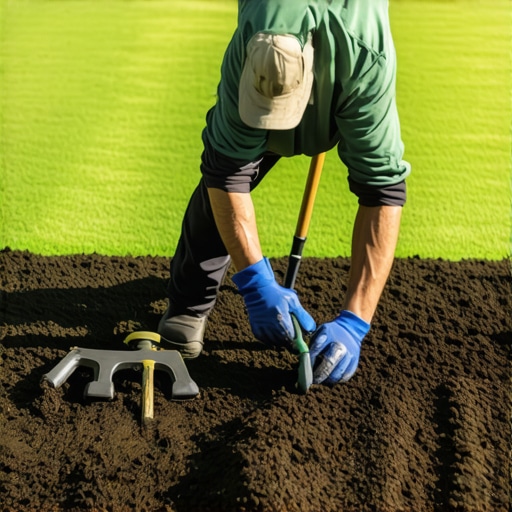
My first attempt at laying sod was a mess because I skipped soil prep, which is like trying to build a house on shaky ground. To do it right, start by removing all weeds, rocks, and debris from the area. Use a tiller or rake to loosen the soil, then mix in compost or topsoil to improve drainage and nutrient content. This step ensures your sod roots can establish strong, healthy growth. I learned this the hard way when patches of my grass started dying within weeks, but now I always dedicate time to soil prep. For detailed guidance, check out top sod install yard cleanup tips.

Many homeowners enter the world of landscaping with a set of beliefs that, while popular, often lead them astray. Let’s dig deeper into some of the most common misconceptions about sod installation and irrigation, so you can avoid costly mistakes and achieve a lush, healthy lawn in 2025.

Why Most People Overlook Soil Preparation’s Nuances

A frequent myth is that soil preparation is a minor step, or worse, unnecessary. In reality, this is the foundation of a successful lawn. Properly amending your soil with compost and ensuring optimal drainage are crucial for root establishment. Skipping this step often results in patchy grass, weed invasion, and increased watering needs. It’s a nuanced process that requires understanding your soil’s pH and nutrient profile, which can be assessed with a simple lab test. Neglecting these details is a common mistake that can undermine your entire landscaping efforts. For expert tips on soil prep, check out top sod install yard cleanup tips.

Advanced Irrigation Strategies That Many Miss

Another misconception is that any sprinkler system will do. In truth, irrigation design is a nuanced science. An overly simplistic setup may lead to uneven watering, root rot, or drought stress, especially during peak summer months. Advanced designs incorporate zones, smart controllers, and drip irrigation to deliver water precisely where it’s needed. This not only conserves water but also promotes healthier grass growth. Experts recommend integrating your irrigation with soil moisture sensors and weather data for optimal results. If you want your lawn to thrive in 2025, avoid the trap of underestimating irrigation complexity. For detailed insights, explore top irrigation system design tips.

Are DIY Projects Really Cheaper and Better?

A prevalent belief is that DIY installation is always more cost-effective. While it can save money upfront, many underestimate the time, expertise, and potential mistakes involved. Poorly installed sod or irrigation can lead to long-term expenses and frustration. Many professionals emphasize that investing in expert guidance often results in better outcomes with less hassle. For example, professional sod installers understand the specific needs of different grass types and soil conditions, ensuring quick establishment and durability. The same applies to irrigation; custom designs are tailored for your yard’s unique layout, which generic systems cannot match. Want to learn more? Read pro sod install and irrigation tips.

Have you ever fallen into this trap? Let me know in the comments.

Maintaining a lush, healthy lawn in 2025 requires more than just good intentions; it demands the right tools and consistent upkeep. Over the years, I’ve tested a range of equipment and methods that have proven invaluable for long-term success. Investing in quality tools now can save you time and money down the road, ensuring your garden remains vibrant and resilient.

How do I keep my lawn equipment in top shape over time?

The cornerstone of effective lawn maintenance is proper tool care. I highly recommend investing in a high-quality lawn mower like the Honda HRX217VKA, which boasts a robust blade system and easy maintenance. Regularly sharpening the blades ensures clean cuts that promote healthy grass growth, while changing the oil seasonally prevents engine wear. For trimming, I prefer cordless electric trimmers such as the EGO Power+ ST1502, valued for their convenience and battery longevity. To keep these tools running smoothly, I always clean the blades after use and store batteries in a cool, dry place. This routine prolongs their lifespan and ensures optimal performance.

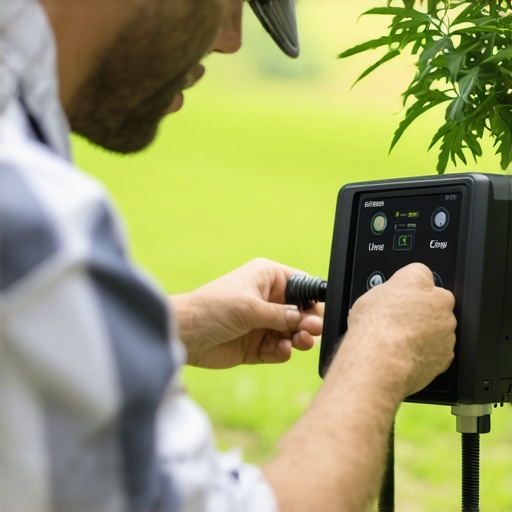
When it comes to irrigation, automation has become a game-changer. I use smart controllers like the Rachio 3, which sync with weather data to adjust watering schedules automatically. This not only conserves water but also prevents overwatering—crucial for maintaining healthy roots and preventing disease. Regularly inspecting sprinkler heads for clogs or leaks prevents uneven watering and extends their lifespan. For detailed system design, I recommend checking out these expert tips to ensure your irrigation setup stays efficient year-round.

What tools will help me scale my landscaping efforts?

If you’re planning to expand your garden or add features like water features or new planting beds, investing in versatile equipment is key. I rely on a cordless auger from Earthquake, which makes planting trees and large shrubs significantly easier. Its cordless design offers mobility and reduces fatigue, making large projects more manageable. For soil preparation, a high-quality tiller like the Troy-Bilt Super Bronco helps break ground quickly and evenly, preparing your soil for sod or planting. To keep these tools in prime condition, I use a simple maintenance kit with blade sharpeners and lubricant sprays, which I apply after every few uses.

Looking ahead, I see trends moving toward integrated smart gardening systems that combine irrigation, fertilization, and monitoring into one platform. Embracing these innovations now, such as remote sensors and app-controlled sprinklers, will keep your landscape thriving with minimal effort. For a comprehensive guide on smart irrigation design, check out these advanced strategies.

By selecting durable, efficient tools and committing to regular maintenance, you’ll set your garden up for long-term success. I challenge you to try out the smart controller I mentioned and see how it transforms your watering routine—your future self will thank you!

The Hardest Lesson I Learned About Gardening Excellence

One of my biggest realizations was understanding that quality soil preparation is the foundation of a lush lawn. Skipping this step seemed like a minor shortcut but ended up costing me months of patchy grass and constant watering. Once I invested time in soil testing and amending the soil with compost, my grass took off beautifully. This lightbulb moment taught me that patience and precision at the start pay off immensely in the long run.

My Essential Toolkit for Lawn Success

Over the years, I’ve trusted tools like the Honda HRX217VKA lawn mower for its durability and ease of maintenance. For trimming, EGO Power+ ST1502 cordless trimmers have saved me countless headaches with their battery life and lightweight design. When it comes to irrigation, the Rachio 3 smart controller has revolutionized my watering schedule, conserving water and keeping my grass healthy. These tools have become my go-to arsenal for a thriving 2025 garden, and I highly recommend them to anyone serious about lawn care.

Believe in Your Garden’s Future

Creating a vibrant, healthy lawn in 2025 is within your reach. With strategic planning, the right tools, and a bit of patience, you can transform your yard into a personal oasis. Don’t let fear or uncertainty hold you back—every great garden starts with a single step. Take action today, experiment with new techniques, and watch your outdoor space flourish. Your future self will thank you for the effort you put in now.

What’s the first step you’re excited to try for your 2025 lawn? Share your plans below—I’d love to hear your gardening goals!

December 11, 2025 | Anna Lee

Expert Yard Cleanup & Landscaping Ideas for a Perfect 2025 Garden

Expert Yard Cleanup & Landscaping Ideas for a Perfect 2025 Garden

I’ll never forget the moment I looked out my window and saw my once lush lawn reduced to a tangled mess of weeds, fallen branches, and fading flowers. It was a wake-up call. I realized that without proper yard cleanup and thoughtful landscaping, my garden’s potential remained just a dream, not a reality. That lightbulb moment made me commit to transforming my outdoor space into a paradise that would make neighbors stop and admire.

Why Getting Your Yard Ready Now Sets the Stage for 2025

Spring is the perfect time to tackle yard cleanup and landscaping projects. Trust me, waiting until summer or fall only makes things harder and more expensive. Early action means you can prevent weeds from taking over, improve soil health, and lay the groundwork for a vibrant, healthy lawn by the time the warmer months roll in. Plus, a well-maintained yard boosts curb appeal and can even increase property value. If you’re like me, you want a garden that’s not just pretty but resilient and sustainable, ready to flourish in 2025.

Have You Faced This Problem Before?

If your yard has looked more like a jungle than a garden lately, you’re not alone. I made the mistake early on of neglecting regular cleanup, which only compounded my problems. That’s why I started digging into expert advice and innovative landscaping ideas. Now, I want to share some of those tips with you so your yard can become the envy of the neighborhood.

Is Landscaping for Yard Cleanup Actually Worth the Hype?

Absolutely. I used to think that yard work was just chores, but I learned that strategic landscaping and expert irrigation can make a huge difference. Proper drainage, soil health, and selecting the right grass and plants are game-changers. For example, I discovered that installing a tailored irrigation system not only saves water but keeps my lawn lush year-round. If you’re skeptical, check out this top yard cleanup strategy to see how professionals approach this task, saving you time and stress.

Early mistakes, like overwatering or ignoring soil preparation, can sabotage your efforts. I once neglected soil testing and ended up with patchy grass that needed redoing. Learning from these blunders helped me focus on the right steps. Now, I believe a comprehensive approach—combining expert landscape planning, strategic cleanup, and smart irrigation—can turn any yard into a masterpiece.

Next, we’ll dive into the practical steps to make this happen, ensuring your yard is ready for a stunning 2025. Ready to transform your outdoor space into a lush oasis? Let’s get started!

} }#assistant {

Clear Debris to Refresh Your Landscape

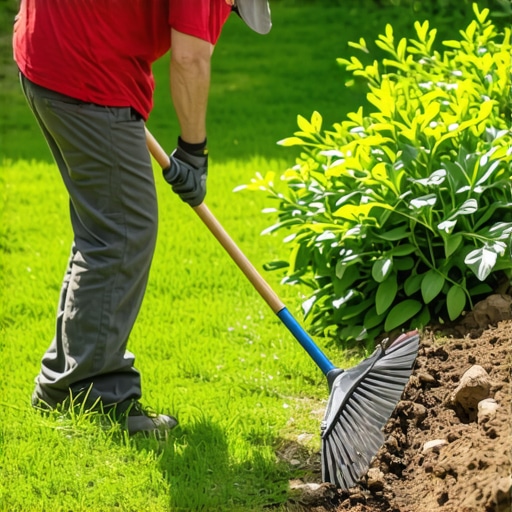
Start by removing all fallen branches, leaves, and weeds. This is like cleaning a cluttered room before decorating—it sets a clean foundation. I remember spending a Saturday afternoon with a rake and trash bag, turning my messy corner into a neat canvas ready for transformation. Once cleared, you’ll see the actual space you have to work with, making subsequent steps easier and more effective.

Assess Your Soil and Plan Your Layout

Next, test your soil’s health using a simple kit. Healthy soil is the backbone of a lush garden. I learned this the hard way when ignoring soil quality resulted in patchy grass. After testing, amend the soil with compost or organic matter if needed. Planning your layout — choosing where to place grass, flower beds, or water features — transforms your yard from chaos to harmony. Consider using expert landscaping ideas to guide your design, ensuring a balanced and thriving garden.

Prepare and Install Your Turf

When laying new sod, ensure the ground is level and well-drained. I opted for a professional sod installation service, which is like giving your yard a fresh carpet—instant transformation. Proper preparation, including removing existing grass and loosening the soil, guarantees good root contact. For expert tips, check out top sod install strategies. This step is crucial to avoid future patches and ensure a lush, even lawn.

Design Your Irrigation System

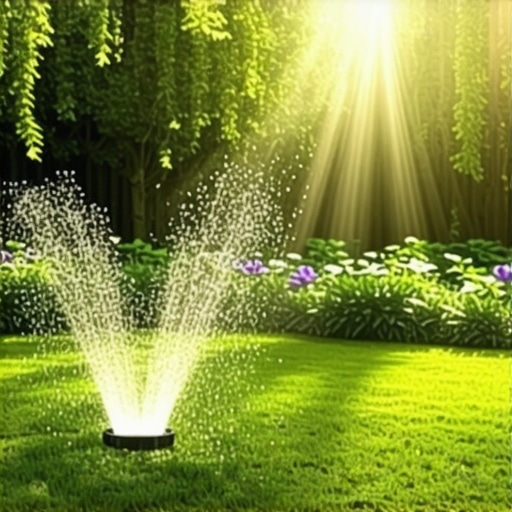
A smart irrigation plan is key to a sustainable yard. I installed drip lines and spray heads tailored to my landscape’s needs. It’s like giving each plant its own water faucet, saving water and preventing overwatering. I used effective irrigation design ideas to map out zones and ensure even coverage. Regular maintenance, like flushing and adjusting heads, keeps your system efficient and your grass green.

Plant Strategically for Long-Term Beauty

Select native and drought-tolerant plants that thrive in your climate. When planting, consider their mature size and sunlight needs, just like choosing the right ingredients for a recipe. I planted perennials that bloom year after year, reducing future effort. Using expert landscaping tips helped me choose the right combination of colors and textures, creating a vibrant, low-maintenance garden.

Incorporate Water Features for Serenity

Adding a water feature, like a fountain or pond, creates a focal point and adds tranquility. I installed a small pond with a gentle waterfall, which became the highlight of my yard. Proper planning and positioning are essential—think of it as adding a piece of art that also supports your ecosystem. For ideas and planning tips, visit water feature installation ideas.

Many homeowners believe that yard cleanup is just about removing leaves and trimming bushes, but in reality, there are nuanced mistakes that can undermine your efforts. One of the most pervasive myths is that more aggressive pruning or extensive cleanup always leads to a healthier lawn. While pruning is beneficial, overdoing it can stress plants and reduce their resilience. Experts advise targeted trimming and selective removal to promote growth without harming the plants, a strategy detailed in professional landscaping guides. Have you ever fallen into this trap? Let me know in the comments.

Why Ignoring Soil Health Can Sabotage Your Landscaping

Another common misconception is that soil quality doesn’t matter if you water and fertilize regularly. However, soil health is the foundation of a thriving yard. Neglecting soil testing and amendments can lead to poor root development and patchy grass. Incorporating organic matter and understanding soil pH is crucial, a tip supported by agronomic studies. For comprehensive guidance, check out expert sod installation tips.

Advanced Mistake: Overwatering and Its Hidden Dangers

Many assume that watering more often or longer keeps grass greener. In truth, overwatering can suffocate roots, promote disease, and waste water. Proper irrigation design, which involves zone mapping and timing, is the key to efficiency and plant health. Studies show that precise watering schedules significantly improve lawn resilience while conserving resources. To learn more about smart irrigation, explore effective irrigation system design.

Why Choosing the Wrong Plants Can Lead to Disappointment

Plant selection is often overlooked, with many planting non-native species that require excessive maintenance. Native, drought-tolerant plants adapt better and require less water and fertilizer, which is a sustainable approach. Experts recommend researching your local climate zones and choosing plants accordingly. This nuanced understanding can save you time, money, and frustration, making your landscape both beautiful and sustainable. For tips, see expert landscaping ideas.

Understanding these subtleties helps avoid common pitfalls and ensures your yard cleanup and landscaping efforts lead to a lush, healthy garden. Ready to dig deeper into expert strategies? Let’s continue transforming your outdoor space into a masterpiece for 2025!

Keep Your Equipment in Top Shape

To achieve a lush, healthy yard, maintaining your tools is crucial. I personally rely on a high-quality chainsaw for trimming overgrown branches efficiently. Regularly sharpening blades prevents tearing grass and plants, promoting healthier growth. An oil-based lubricant is essential for power tools, ensuring smooth operation and extending their lifespan. For example, I use a universal chainsaw chain sharpener, which has saved me money and time by keeping my blades sharp and effective. Remember, well-maintained equipment makes your yard work easier and more enjoyable.

Invest in Smart Irrigation Technology

Smart irrigation controllers are game-changers. I installed a Wi-Fi-enabled system that adjusts watering schedules based on weather forecasts, reducing water waste and ensuring my lawn stays lush. These systems can be programmed directly from your smartphone, providing convenience and precision. As technology advances, I predict more homeowners will adopt AI-driven irrigation solutions that learn from your yard’s unique needs, further optimizing water use and plant health. Check out expert irrigation tips to get started.

Maintain Your Soil for Long-Term Success

Healthy soil is the foundation of a thriving garden. I recommend regular aeration to prevent compaction, allowing roots to breathe and absorb nutrients better. Applying organic compost annually boosts soil fertility naturally. Using a soil test kit helps identify deficiencies and pH imbalances, guiding you to amend soil correctly. This proactive approach ensures your plants and grass stay vibrant without relying heavily on chemical fertilizers. In the future, I foresee soil health monitoring becoming a standard feature in smart garden systems, making it easier to maintain optimal conditions.

How do I keep my irrigation system working over time?

Regular inspection and maintenance are vital. I schedule monthly checks to clear clogged nozzles, tighten fittings, and test controllers. Flushing the system annually prevents buildup and ensures even watering. During winter, draining and storing components prevent freeze damage. Using professional-grade parts and following manufacturer guidelines, such as those outlined in irrigation system design tips, keeps the system reliable year after year. Investing in a durable backflow preventer is also critical to prevent contamination. Don’t forget, a well-maintained irrigation system conserves water and keeps your lawn consistently healthy, making it a true long-term investment.

As technology evolves, expect smarter, more autonomous maintenance solutions to emerge, simplifying yard care even further. Try implementing a scheduled maintenance routine today to ensure your tools and systems stay in peak condition for a vibrant, resilient yard in 2025 and beyond.

Ever experienced the frustration of a neglected yard turning into an unrecognizable mess? I did, and that eye-opening moment drove me to discover the secrets of effective yard cleanup and strategic landscaping. These lessons transformed my outdoor space and can do the same for you, making your yard a stunning oasis by 2025.

The Unexpected Wisdom I Gained from Yard Makeovers

  • Less is More: Over time, I learned that strategic pruning and selective cleanup protect plants and promote healthy growth, rather than overzealous trimming that stresses them out. This delicate balance is a crucial lesson many overlook.
  • Soil Health is the Foundation: Ignoring soil testing led me to patchy grass and poor plant health. Regular amendments with organic matter and pH adjustments made a remarkable difference, emphasizing that healthy soil is your yard’s best asset.
  • Watering Smartly Saves Resources: Overwatering was a common mistake I made. Installing a tailored irrigation system with zone control and weather-based scheduling drastically improved lawn resilience while conserving water. Check out effective irrigation design ideas for insights.
  • Native Plants Offer Longevity: Choosing drought-tolerant, native plants suited my climate and reduced maintenance needs, proving that smart plant selection is a game-changer for sustainable landscaping.
  • Water Features Bring Calm: Adding a small pond with a waterfall created a focal point and peaceful retreat. Planning and positioning are key—think of it as adding a piece of art that also supports your ecosystem.

My Secret Arsenal for a Perfect 2025 Yard

  • Professional Lawn Tools: Regularly sharpening blades and maintaining equipment makes yard work efficient and satisfying.
  • Smart Irrigation Controllers: Wi-Fi-enabled systems that adapt to weather help maintain lush lawns effortlessly.
  • Soil Test Kits and Amendments: Understanding your soil’s needs ensures long-term health and vibrancy.
  • Native and Drought-Resistant Plants: These choices simplify maintenance and increase resilience.
  • Water Features: Well-placed fountains or ponds add tranquility and visual interest.

Seize the Moment to Elevate Your Yard

Remember, the key to a stunning yard in 2025 lies in proactive, expert-guided efforts now. Don’t wait for the weeds to take over—start your transformation today and reap the rewards of a lush, sustainable outdoor space.

What part of yard cleanup or landscaping are you most excited to try first? Share your plans in the comments below!

December 10, 2025 | Jane Doe

Top Sod Install & Irrigation Tips for Lush Lawns in 2025

Top Sod Install & Irrigation Tips for Lush Lawns in 2025

I remember the exact moment when I realized my lawn was a lost cause. It was a scorching summer afternoon, and despite my best efforts, my grass looked patchy, dry, and utterly lifeless. I had spent weekends trying to patch things up, but nothing seemed to work. That lightbulb moment hit me hard — I was neglecting the fundamental principles of proper sod installation and irrigation. Since then, I’ve learned what makes a lawn truly thrive, especially in 2025’s unique climate challenges.

Why Proper Sod and Irrigation Matter More Than Ever

In recent years, the importance of well-installed sod and efficient irrigation has skyrocketed. Climate patterns are becoming unpredictable, droughts are more frequent, and traditional watering methods just aren’t enough anymore. I’ve come to understand that a vibrant, healthy lawn isn’t about chance — it’s about making informed choices. Proper sod installation sets the foundation, ensuring your grass takes root deeply. Meanwhile, a thoughtfully designed irrigation system ensures your lawn gets the right amount of water, exactly when it needs it. If you’ve ever faced frustration watching your lush yard turn into a parched wasteland, you’re not alone. But here’s the good news: with the right tips, you can turn that around.

Have You Faced This Problem?

If you’ve ever wondered why your neighbor’s lawn stays green through droughts or why your efforts to water seem futile, then I know exactly how you feel. Early on, I made the mistake of assuming that more water was better, which only led to soggy patches and root rot. Trust me, I’ve been there. It took some trial and error, plus expert advice, to get it right. That’s why I want to share what I’ve learned — so you won’t have to go through the same frustrations. For starters, exploring the latest top sod install and irrigation tips can make all the difference in your yard’s health and appearance.

What’s Next?

In the upcoming sections, I’ll walk you through the essential steps from choosing the right sod to designing an irrigation system that conserves water and boosts lawn vitality. These are strategies I’ve personally tested and refined, and they’re proven to work in 2025’s changing climate. So, if you’re ready to finally achieve that envy-worthy green yard, stay tuned. There’s no reason your lawn can’t look like a professional’s — and I’ll show you how to make it happen.

Prepare the Soil for Success

Start by removing any existing grass, weeds, or debris. Use a rake or a power tiller to loosen the soil to a depth of about 4-6 inches. Incorporate organic matter like compost to improve soil fertility and drainage. This step is crucial because it creates a healthy environment where your sod can root deeply. I once freed myself from a stubborn patch of weeds by meticulously tilling and enriching the soil, which made the sod installation much smoother.

Lay the Sod with Precision

Measure your area accurately and cut the sod into manageable strips. Lay the pieces tightly together, staggering the seams like bricks to prevent shifting and gaps. Use a sharp knife for clean cuts around edges and obstacles. After laying, press the sod down firmly using a roller or the flat of your foot to eliminate air pockets and ensure contact with the soil below. I vividly recall the satisfaction of seeing the sod fit perfectly around my garden borders, making the lawn look seamless.

Water Immediately and Deeply

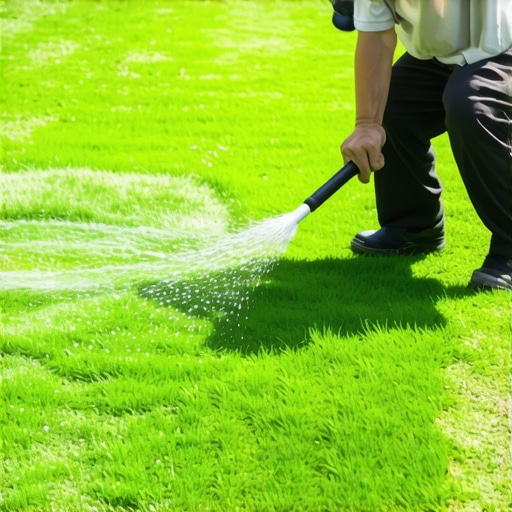
Water the freshly laid sod within 30 minutes to keep the roots moist and encourage quick rooting. Use a gentle spray or a light hose to avoid displacing the sod. Water deeply enough to saturate the soil beneath the sod, about 1-1.5 inches per session. This mimics natural rainfall and promotes deep root growth. I learned that shallow watering leads to weak roots, so I set my sprinkler to run longer, ensuring even saturation.

Establish a Smart Irrigation System

Design your irrigation setup to deliver uniform, efficient watering. Consider installing a drip or rotor system connected to a timer for automation. Zone your yard based on sun exposure and soil type to optimize water usage. Regularly check for dry patches and adjust your sprinklers accordingly. I once experimented with different zones and timers, which saved water and kept my lawn consistently lush even during dry spells.

Optimize Watering Schedules

Adjust your watering frequency based on weather conditions. During hot, windy days, increase watering sessions; during cooler, humid periods, reduce frequency. Early morning is ideal for watering because it minimizes evaporation. Personally, I set my system to run early, and my lawn remained vibrant without wasting water.

Maintain and Monitor Your Lawn

Regularly mow at the right height—around 2.5 to 3 inches—to promote healthy growth. Aerate annually to relieve soil compaction and improve water infiltration. Fertilize appropriately, using a balanced mix to feed the roots without overdoing it. Keep an eye out for signs of drought stress or disease, and respond promptly. These ongoing steps ensure your lawn stays resilient and beautiful throughout the year.

Many homeowners believe they know everything about installing sod and setting up irrigation, but in reality, some widespread myths can lead to costly mistakes. Let’s dig deeper into the nuances that often get overlooked and clarify what truly matters for a lush, healthy lawn in 2025.

Why More Water Isn’t Always Better

A common misconception is that frequent, shallow watering encourages deep roots. In truth, this approach often results in weak root systems and increased vulnerability to drought. Experts recommend deep, infrequent watering—about once a week, providing enough water to penetrate 6-8 inches into the soil. This practice promotes resilient roots capable of accessing moisture from deeper layers, especially important during unpredictable weather patterns. If you want your lawn to withstand droughts, consider investing in an efficient irrigation system that delivers water deeply and uniformly.

Can You Rely on Rain Alone?

Many assume natural rainfall suffices, but this is a dangerous assumption. Relying solely on rain can leave your lawn parched during dry spells, especially in 2025’s erratic climate. A smart irrigation system can supplement rainfall, ensuring your grass receives consistent moisture. Regularly monitoring soil moisture levels is also crucial to prevent over- or under-watering, both of which can harm your lawn’s health.

The Hidden Trap of Over-Fertilizing

Many believe that more fertilizer means greener grass, but excess nutrients can actually weaken your lawn and make it more susceptible to diseases. The key is balanced fertilization aligned with your soil’s needs, which can be determined through a soil test. Over-fertilizing can lead to excessive growth, requiring more water and mowing, and increasing the risk of disease. For expert guidance, check out professional sod installation tips that include proper fertilization practices.

How Proper Soil Preparation Sets the Foundation

Many skip or rush soil preparation, assuming the sod will take root regardless. However, neglecting this step often results in poor sod establishment, uneven growth, and increased maintenance. Proper soil preparation involves removing debris, aerating, and enriching with organic matter, which creates an ideal environment for root development. This nuance is critical—skipping it can undo your efforts later on. For detailed soil prep techniques, see yard cleanup tips for sod success.

Have you ever fallen into this trap? Let me know in the comments. Remember, mastering these subtleties can make all the difference between a mediocre lawn and a stunning outdoor space that impresses everyone in 2025!

Maintaining a lush, healthy lawn over time requires more than just initial setup; it demands the right tools and consistent upkeep. Over the years, I’ve honed my equipment choices to ensure longevity and efficiency, making a noticeable difference in my yard’s vitality. One essential tool I rely on is a high-quality soil moisture meter. Unlike standard rain gauges, these devices provide real-time data on soil moisture levels, helping me avoid over- or under-watering, which is critical given 2025’s unpredictable climate patterns. I personally prefer models like the Vegetronix VH400, praised for their accuracy and durability, ensuring I can monitor moisture levels without guesswork.

In addition, a robust garden sprayer with adjustable nozzles allows me to apply fertilizers and soil amendments evenly, promoting healthier root growth. I’ve found that a pump sprayer with a stainless steel wand is particularly reliable and resistant to corrosion, making it a long-term investment. Regularly, I utilize a cordless electric aerator to relieve soil compaction, which I do at least once a year. This tool helps water and nutrients penetrate deeper, fostering stronger sod establishment and resilience against drought stress.

Beyond hardware, software tools have become invaluable. I use landscape management apps like Yardzen’s Lawn Plan to track watering schedules, fertilization dates, and aeration timelines. These apps help me maintain a consistent routine and plan ahead for seasonal needs, especially as weather patterns grow more erratic. As technology evolves, I predict that integrating IoT (Internet of Things) sensors into irrigation systems will become standard, providing continuous data and automated adjustments for optimal lawn health.

How do I keep my equipment in top shape over time?

Regular maintenance is key. I clean my sprinkler heads and nozzles monthly to prevent clogs and ensure even coverage. Sharpening my lawn mower blades every few months keeps cuts clean, reducing stress on the grass and preventing disease. Storing tools properly—drying them after use and applying protective coatings—extends their lifespan. Additionally, I schedule annual inspections for my irrigation system with professionals, who can identify and fix leaks or faulty zones before they cause damage.

Investing in quality tools and staying consistent with maintenance pays off. It minimizes breakdowns, saves money, and ensures your lawn remains resilient through seasonal changes. Looking ahead, I see the future of lawn care leaning heavily on smart technology—think sensors and AI-driven systems—making maintenance even more precise and effortless. To get started, try upgrading your soil moisture monitoring with a dependable device and set a schedule for blade sharpening and system inspections. These small steps can significantly enhance your lawn’s health and longevity in 2025 and beyond.

The Hardest Lesson I Learned About Lawn Care

One of the most valuable lessons I discovered was that shortcuts in soil preparation or watering can backfire, costing me more time and money in the long run. Properly preparing the soil, for instance, was a game-changer—skipping this step only led to uneven growth and constant patching. Similarly, understanding that deep, infrequent watering promotes stronger roots was an eye-opener that transformed my approach. These insights, gained through trial, error, and expert advice, are what truly differentiate a mediocre yard from a lush, resilient landscape.

My Essential Toolkit for a Thriving Lawn

Investing in quality tools made a difference. I rely on a soil moisture meter like the Vegetronix VH400 to monitor hydration accurately, preventing over- or under-watering. A durable, adjustable garden sprayer helps me apply fertilizers evenly, saving time and ensuring healthy root development. Regular aeration with a cordless electric aerator keeps soil loose and water infiltration optimal. These tools, combined with landscape management apps, help me maintain a consistent care routine that adapts to seasonal changes and weather unpredictability.

Believe in Your Power to Transform Your Lawn

Every yard has the potential to become a stunning outdoor space—regardless of starting point. With the right knowledge, tools, and a proactive mindset, you can achieve a vibrant, healthy lawn that stands out in 2025. Don’t wait for perfect conditions—start small, stay consistent, and see your garden flourish. Remember, your effort today shapes the beauty of your yard tomorrow.

December 9, 2025 | Anna Lee

Expert Yard Cleanup & Landscaping Ideas for a Perfect 2025 Garden

Expert Yard Cleanup & Landscaping Ideas for a Perfect 2025 Garden

There was a moment last spring when I looked over my yard, overwhelmed by fallen leaves, tangled bushes, and a patchy lawn that made me feel more like a caretaker than a gardener. It hit me then—if I didn’t get serious about my yard cleanup and landscaping, I’d be stuck with a jungle instead of a beautiful garden I could enjoy. That realization sparked my quest for effective, expert-approved strategies to transform my outdoor space into a lush, inviting oasis for 2025.

Why a Well-Maintained Yard Matters More Than Ever

In today’s fast-paced world, a stunning yard isn’t just eye candy; it’s a sanctuary that boosts your mental health, increases property value, and offers a welcoming environment for friends and family. As I learned from experts, neglecting yard maintenance can lead to persistent issues like pests, weeds, and soil erosion—problems that become costly and time-consuming if ignored. Plus, with water conservation becoming a priority, knowing how to optimize irrigation and landscaping strategies is crucial. Investing in professional tips and tricks now ensures your garden remains vibrant and healthy, even during droughts or unexpected weather swings.

Are you facing the same struggle, feeling overwhelmed by yard chores and unsure where to start? Don’t worry—I’ve been there. The good news is, with the right guidance, you can turn your yard into a masterpiece tailored for 2025 and beyond.

Is Landscaping and Yard Cleanup Actually Worth the Hype?

Early in my journey, I made the mistake of thinking I could DIY everything without a plan—big mistake. I wasted time, money, and effort on ineffective methods. But I discovered that consulting with experts and following proven strategies—like proper lawn installation, smart irrigation, and strategic landscaping—makes all the difference. For example, learning about effective irrigation system design from this detailed guide helped me save water and keep my grass green during dry spells. If you want a lush, vibrant yard that stands out in 2025, investing in expert advice and practical strategies is the smartest move you can make.

Now that I’ve shared my initial missteps and victories, let’s dive into the core ideas that will help you craft a stunning garden this coming year. From soil prep to irrigation, I’ll guide you through the essentials to elevate your yard from a chore to a celebration of nature’s beauty.

Start with a Clear Plan

Before grabbing your tools, visualize your ideal yard. Break down the process into sections: lawn, flower beds, trees, and pathways. I remember a spring morning when I laid out a detailed sketch of my yard, marking areas for new grass, shrubbery, and irrigation. This map kept me focused and prevented me from getting overwhelmed as I started tearing out old plants and clearing debris.

Prep the Soil for Success

Healthy plants depend on good soil. I used a garden fork to aerate compacted patches, then mixed compost into the topsoil—think of it as giving your yard a nutritional boost. This step is crucial because it improves water retention and encourages root growth. For a professional touch, consider testing your soil’s pH and nutrients; if needed, amend it based on expert soil tests. Proper soil prep is like laying a solid foundation for a house—nothing else will stand tall without it.

Apply the Right Techniques

When I installed new grass, I opted for sod instead of seed because it established faster and looked perfect in days. I followed these sod installation tips to ensure a clean, level surface. This involved removing debris, watering thoroughly before laying the sod, and pressing it down firmly. Think of sod like a fresh carpet—smooth, even, and ready to enjoy.

Implement Smart Irrigation

Watering correctly is a game-changer. I once overwatered my new lawn, leading to muddy patches and weak roots. After that, I adopted a drip irrigation system, which conserves water and delivers it directly to roots. For optimal results, review expert irrigation strategies to design your system. Think of irrigation like a health plan for your yard—consistent, targeted, and efficient.

Design with Purpose

Strategic landscaping enhances curb appeal and reduces maintenance. I added mulch around flower beds to suppress weeds and retain moisture—it’s like giving your plants a cozy blanket. Incorporate native plants to reduce water needs and attract local pollinators. Use pathways to guide visitors through your garden, making it inviting yet functional. Visualize your yard as a living artwork—every element should serve a purpose and contribute to harmony.

Maintain Regularly

Ongoing care keeps your yard looking its best. I set a weekly schedule to mow, prune, and check irrigation. During one hectic month, I neglected these tasks, and weeds took over. A quick weekend spent pulling weeds and trimming bushes restored order and beauty. Remember, yard care isn’t a one-time job; it’s a continuous process that rewards your effort with a stunning 2025 garden.

Many gardening enthusiasts and homeowners share misconceptions about yard care that can lead to costly mistakes. Let’s dig deeper into what most people get wrong and uncover some hidden nuances that can elevate your landscaping game.

Why Following Popular Advice Might Hold You Back

One prevalent myth is that more water always equals a greener lawn. In reality, overwatering can cause root rot and promote fungal diseases, ultimately harming your grass. Experts recommend adopting a tailored irrigation plan aligned with your specific soil and climate conditions. For instance, effective watering strategies emphasize deep, infrequent watering rather than daily light sprinklings. This nuance helps your lawn develop stronger roots and resist drought stress.

Don’t Fall for the One-Size-Fits-All Approach

Another common trap is believing that all soil types respond similarly to amendments. Many assume that adding compost alone will fix poor soil, but the reality is that soil pH, texture, and nutrient levels vary significantly. Conducting a professional soil test can reveal specific deficiencies or imbalances, guiding precise amendments. This targeted approach ensures your plants get exactly what they need for healthy growth. For expert advice, check out this comprehensive yard cleanup and soil prep guide.

The Hidden Danger of Neglecting Proper Drainage

Many DIY landscapers overlook drainage issues, assuming they can fix them later. However, poor drainage can lead to waterlogged roots, promoting disease and root decay. The subtle signs include pooled water after rain or muddy patches that persist longer than they should. Advanced landscaping involves designing your yard with proper grading and installing drainage solutions like French drains or swales. This not only protects your plants but also prevents erosion and foundation problems. If you’re thinking about a major overhaul, explore innovative drainage design ideas to future-proof your yard.

What Makes a Truly Expert Landscaping Strategy

For the advanced gardener, understanding that landscaping is an interconnected system is vital. From soil health and water management to plant selection and layout, every element influences the others. Relying solely on aesthetic decisions without considering ecological balance can backfire. Incorporating native plants, for example, reduces maintenance and water needs while supporting local biodiversity. Additionally, smart irrigation systems integrated with weather data can optimize water use. Remember, a professional approach considers long-term sustainability, not just immediate visual appeal. For a comprehensive plan, see expert strategies for a thriving garden.

Have you ever fallen into this trap? Let me know in the comments and share your experience so we can learn from each other!

Keeping Your Yard in Prime Condition with the Right Tools

Maintaining a lush, vibrant yard requires more than just good intentions; it demands the right equipment and a strategic approach. Over the years, I’ve refined my toolkit, selecting specific tools that deliver consistent, high-quality results. For instance, a high-powered, cordless leaf blower from Stihl has become indispensable for clearing debris efficiently without the hassle of cords or heavy cords. Its lightweight design and powerful airflow help me quickly tidy up after storms or seasonal cleanups, saving hours and reducing fatigue.

Similarly, a robust soil tester kit from Whiteside Soil has revolutionized how I approach soil amendments. Knowing the exact pH and nutrient levels helps me administer targeted treatments—whether it’s lime for acidity or specific fertilizers—ensuring my plants thrive and my soil remains healthy. This precision prevents over- or under-fertilizing, which can harm your lawn and garden over time.

Automation Is the Future of Yard Maintenance

Automation tools like smart irrigation controllers have become game changers. I installed a smart irrigation system that adjusts watering schedules based on weather forecasts and soil moisture levels. This not only conserves water but keeps my lawn consistently hydrated, leading to a healthier, greener yard. These systems are increasingly sophisticated, with AI-powered options that learn your yard’s needs over time, predicting droughts or heavy rainfall and adjusting accordingly.

Investing in durable, quality tools pays off long-term. Cheaper alternatives often break or underperform, leading to frustration and higher replacement costs. By choosing equipment designed for professional use—like my Echo hedge trimmers and Toro lawnmower—I ensure my yard looks great year-round with less effort and fewer repairs.

How do I maintain my tools over time?

Proper maintenance is key to extending the lifespan of your equipment. Regularly cleaning blades, lubricating moving parts, and storing tools in dry, sheltered spaces prevent rust and wear. For motorized tools, following manufacturer guidelines for oil changes and filter replacements is essential. I also schedule quarterly inspections to catch issues early, ensuring my tools are always ready for the next project. This proactive approach saves money and keeps my yard work seamless.

Looking ahead, I predict that integration of IoT devices and AI will make yard maintenance even smarter. Imagine robotic lawn mowers that communicate with your irrigation system to optimize watering and cutting schedules automatically. Embracing these innovations now will position you ahead of the curve, making yard care more efficient and sustainable.

Don’t hesitate—try upgrading your watering system today with an intelligent controller. It’s a small investment that can dramatically improve your yard’s health and reduce your water bills. With the right tools and regular maintenance, your yard will remain beautiful and functional for years to come.

The Hardest Lesson I Learned About Yard Transformation

One of the most valuable lessons I learned was that rushing into DIY projects without proper planning often leads to wasted time and resources. Taking the time to analyze my yard’s unique needs and consulting with experts helped me avoid costly mistakes and achieve lasting results.

3 Myths About Yard Care That Held Me Back

I used to believe that more watering always meant a greener lawn, which turned out to be false. Overwatering can weaken roots and promote disease. Learning to tailor my irrigation schedule based on soil and climate conditions made a huge difference in my yard’s health.

What Experts Won’t Tell You About Soil and Drainage

Many overlook the importance of proper drainage, assuming it can be addressed later. Poor drainage leads to waterlogged roots and erosion. Incorporating French drains and grading techniques early ensures a resilient and beautiful landscape that lasts.

My Essential Toolkit for a Thriving Garden

Investing in quality tools like a cordless leaf blower from Stihl and a soil tester kit from Whiteside Soil has transformed my yard maintenance routine. These tools provide precision and save me hours during cleanup and soil amendments.

The Future of Yard Maintenance is Smart and Automated

Smart irrigation controllers that adapt to weather forecasts and soil moisture are game changers. Embracing these technologies now ensures your yard stays lush with less effort and water waste. Start exploring options today to future-proof your landscape.

December 9, 2025 | Anna Lee

Pro Sod Install & Irrigation Tips for a Thriving 2025 Lawn

Pro Sod Install & Irrigation Tips for a Thriving 2025 Lawn

It was a sweltering July afternoon when I saw my carefully laid sod turn from vibrant green to a patchy, lifeless mess. I had rushed the installation, thinking I could save time, but the truth hit me hard—without proper irrigation and expert installation, my dream lawn was doomed from the start. That moment was my lightbulb moment. I realized that many homeowners and landscapers overlook the critical importance of professional sod installation and smart irrigation strategies, especially as we look ahead to 2025. If you’re tired of battling dry patches, weeds, and a lawn that refuses to thrive, you’re in the right place. Today, I’ll share proven tips that will transform your yard into a lush, healthy paradise—no more guesswork, just results.

Why Proper Irrigation is the Secret to a Thriving 2025 Lawn

In my early days of lawn care, I thought watering was simple—turn on the hose, wait, repeat. Boy, was I mistaken. Turns out, effective irrigation is a science and an art. It’s about delivering just the right amount of water at the right times, evenly across your entire yard. Overshoot, and you drown your grass; undershoot, and your lawn wilts faster than you can say drought. According to the University of California, proper irrigation can reduce water use by up to 50% while improving turf health. That’s a win-win. But here’s the catch—many folks don’t realize that a poorly designed irrigation system can do more harm than good, creating dry patches or encouraging disease. This is why investing in expert irrigation system design is a game-changer, especially if you want a vibrant lawn come 2025. If you’ve been struggling with uneven watering or wasted water bills, you’re not alone. I’ve been there, and I’ll show you how to fix it.

Is Overwatering Still the Biggest Concern for Lawns?

Early on, I made the mistake of thinking more water meant healthier grass. Turns out, overwatering can suffocate roots, promote fungus, and lead to root rot. Learning about the right watering schedules and amounts is crucial. For instance, deep infrequent watering encourages roots to grow deeper, making your lawn more drought-resistant. It’s a simple tweak that made a huge difference in my yard’s resilience. Curious about how to get your irrigation right? Check out my favorite tips at Expert Irrigation Tips for a Healthy Lawn in 2025 for more insights. Now, let’s get into the practical steps to ensure your lawn stays lush and green, no matter what 2025 throws at us.

Start with a Solid Foundation

Before you lay down new sod, clear your yard of weeds, debris, and any old grass. Use a rake or power blower to create an even surface. If your soil is compacted, aerate it to improve water penetration and root growth. This initial prep is crucial—think of it as setting the stage for a beautiful performance. In my experience, taking the time to properly prepare saved me hours of troubleshooting later. For detailed yard cleanup strategies, check out Pro Sod Install Yard Cleanup Tips.

Choose the Right Sod and Lay It Correctly

Select high-quality, disease-resistant sod varieties suited for your climate. When installing, lay the sod in a brick-like pattern, staggering joints to prevent gaps. Roll the sod with a lawn roller to ensure good contact with the soil, which promotes root establishment. I once rushed my installation on a humid day, and the sod didn’t root well. Re-laying and watering thoroughly helped salvage the yard, but it was a lesson in patience. For expert tips, see Expert Sod Installation Tips.

Design an Effective Irrigation System

Invest in a well-planned irrigation system, such as sprinklers or drip lines, tailored to your yard’s shape and size. Use zone-based controls to water different areas appropriately—think of it as giving each section the personalized attention it needs. I installed a zone system myself, following ideas from Irrigation System Design Ideas, which drastically reduced water waste and improved turf health. Make sure sprinklers cover the entire yard evenly; uneven watering leads to patchy growth. Check out Effective Irrigation System Design for comprehensive planning.

Set a Smart Watering Schedule

Deep, infrequent watering encourages roots to grow deeper—making your lawn more resilient. Water early in the morning to minimize evaporation, and avoid watering in the heat of the day. For example, I set my system to run for 30 minutes early mornings, adjusting seasonally. Use a rain sensor or smart controller to prevent overwatering—this is especially helpful during rainy spells. Remember, overwatering can drown roots and promote disease, so monitor your yard regularly. For tailored watering tips, visit Expert Irrigation Tips.

Maintain and Adjust for Optimal Growth

Regularly inspect your irrigation system for leaks or clogs—think of it as tuning a musical instrument. Adjust sprinklers to avoid dry patches or waterlogged spots, especially after heavy rains. Keep your soil moist but not soaked; use a soil moisture meter if needed. In my yard, I noticed a corner drying out, so I increased watering duration slightly and added mulch to conserve moisture. For ongoing yard health, see Landscaping Ideas to keep your lawn thriving.

While it’s tempting to believe that simply watering more will lead to a healthier lawn, this is one of the most persistent myths in lawn care. Many homeowners think that frequent, light watering is the best approach, but in reality, overwatering can cause more harm than good. Excess water can suffocate roots, promote fungal diseases, and lead to root rot, ultimately weakening your grass rather than strengthening it. Instead, deep, infrequent watering encourages roots to grow deeper, making your lawn more drought-resistant and resilient over time. To master this nuance, consider setting your irrigation system to deliver longer, less frequent watering sessions early in the morning, and always monitor your soil moisture levels. For detailed guidance, visit Expert Irrigation Tips.

What do advanced gardeners really understand about irrigation that novices overlook?

Let’s dig deeper. One often overlooked aspect is the importance of zone-based irrigation design. Many systems are installed with a one-size-fits-all approach, which can lead to uneven watering—dry patches or overly saturated areas. By designing zones tailored to different parts of your yard, you can ensure each section receives the appropriate amount of water, optimizing turf health and conserving resources. This nuanced approach isn’t just for professionals; with the right planning, homeowners can implement zone control systems that significantly improve irrigation efficiency. According to studies in horticulural science, such tailored systems can reduce water waste by up to 30%, while improving overall lawn health. To explore ideas for your yard, check out Irrigation System Design Ideas.

Beware of the trap of ignoring soil health in irrigation planning

One common mistake is focusing solely on the sprinkler coverage without considering soil quality. Healthy soil promotes better water absorption and retention, reducing runoff and uneven wetting. Incorporating organic matter and aeration into your soil management can enhance the effectiveness of your irrigation system, ensuring water reaches roots efficiently. Neglecting this can lead to an over-reliance on irrigation and increased water bills, without improving turf health. Remember, smart irrigation is about synergy—soil, weather, and system design working together. For more insights, visit Landscaping Ideas.

Have you ever fallen into this trap? Let me know in the comments. Mastering these nuances will elevate your lawn care from good to great, setting you up for a lush and thriving yard in 2025 and beyond.

Maintaining an effective irrigation system over time demands the right tools and a proactive approach. From regular inspections to advanced software, equipping yourself with the correct resources ensures your lawn stays lush and healthy year-round. One of my top recommendations is investing in a durable soil moisture meter. This device allows me to precisely monitor moisture levels in different yard zones, preventing over- or under-watering. I personally use the XLux Soil Moisture Meter because of its reliability and easy digital readouts, which save me from guesswork and help optimize watering schedules.

Another critical tool is a high-quality lawn sprinkler tester. Over the years, I’ve found that uneven spray patterns often lead to patchy watering. With a sprinkler test kit, I can quickly identify which sprinklers need repositioning or cleaning, ensuring even coverage across my yard. This simple step has significantly improved my irrigation efficiency and cut down water waste.

Automation technology is also transforming how we maintain long-term irrigation health. Smart controllers, like the Rachio 3, sync with weather forecasts to adjust watering schedules automatically. I integrated mine with my smartphone, enabling me to make real-time adjustments and receive alerts about system issues. This automation minimizes manual oversight and ensures my yard gets the right amount of water, even during busy weeks.

Regular maintenance routines are vital. I schedule monthly inspections of sprinkler heads for clogs or leaks, which can dramatically reduce water waste and prevent dry patches. Using a simple tool kit for sprinkler repair makes this task straightforward. For example, I keep a wrench, replacement nozzles, and pipe fittings handy, so I can address issues immediately rather than waiting for problems to escalate.

Looking ahead, the trend is moving toward even smarter, integrated irrigation systems that combine sensors, weather data, and AI-based analytics. Experts predict that by 2030, most residential yards will feature fully automated, self-optimizing irrigation networks—reducing water use by up to 40%. You can start leveraging these innovations today by upgrading your system with compatible smart controllers and moisture sensors.

How do I maintain my irrigation system over time?

The key lies in routine checks and staying ahead of potential issues. Regularly clean sprinkler filters, inspect hoses for cracks, and replace worn-out components. Additionally, updating your software and firmware ensures that your smart controllers operate with the latest features and security patches. Incorporating these practices into your lawn care routine will keep your irrigation system running efficiently and extend its lifespan, saving you money and effort in the long run. For a detailed guide on ongoing maintenance, visit yard cleanup tips that complement your irrigation upkeep. Take one of these advanced tools today and transform your watering routine!” ,

The Hidden Lessons That Changed My Lawn Game

  • One of the toughest lessons I learned was that rushing sod installation without proper soil prep and irrigation planning can set my lawn up for failure. Patience and precision are key.
  • Investing in zone-based irrigation systems was a game-changer—tailoring water delivery to specific yard sections drastically improved turf health and reduced water bills. It’s a tip I wish I had started with sooner.
  • Deep watering early in the morning and using moisture sensors has saved me from common mistakes like overwatering and uneven patches. These small adjustments made my lawn more resilient and lush.
  • Understanding the soil’s role in water absorption and retention opened my eyes to holistic lawn care—soil health and irrigation are inseparable partners in the quest for a perfect yard.

My Go-To Resources for Lawn Excellence

  • Expert Irrigation Tips for a Healthy Lawn in 2025: This guide helped me develop a watering schedule that encourages deep root growth and conserves water. It’s a must-read for anyone serious about lawn care.
  • Irrigation System Design Ideas: I used these ideas to plan an efficient, zone-based sprinkler layout that covers every inch of my yard evenly, reducing waste and improving growth.
  • Pro Sod Install Yard Cleanup Tips: Proper preparation and cleanup are vital. This resource provided step-by-step strategies that saved me hours of troubleshooting and ensured my sod rooted well from day one.
  • Effective Irrigation System Design: For long-term success, this resource taught me how to integrate sensors and smart controllers, making my system adaptable and highly efficient.

Believe in Your Lawn’s Bright Future

Embracing expert irrigation and sod installation techniques transforms your yard into a lush, vibrant sanctuary. Every step, from soil prep to system maintenance, is an investment in your outdoor happiness. Start today, stay proactive, and watch your lawn thrive in 2025 and beyond. Your dream yard is within reach—just take that first step with confidence.

What’s the biggest challenge you face when caring for your lawn’s irrigation system? Share your experience below—I’d love to hear your story!

December 8, 2025 | Anna Lee

Water Feature Installation & Yard Cleanup for a Perfect 2025 Garden

Water Feature Installation & Yard Cleanup for a Perfect 2025 Garden

I remember the exact moment I realized my backyard was a disaster zone. It was a scorching summer afternoon, and I was desperately trying to enjoy my garden, only to be greeted by overgrown weeds, stagnant water in the old fountain, and a lawn that looked more like a desert than a lush paradise. That lightbulb moment hit hard — I needed to get serious about yard cleanup and water feature installation if I wanted my garden to shine in 2025.

Why Getting Your Garden Ready Now Matters More Than Ever

Every year, I see neighbors and fellow garden enthusiasts struggle with the same problems. The truth is, a beautiful garden isn’t just about planting pretty flowers. It’s about creating a balanced ecosystem that includes smart water features, healthy lawns, and proper cleanup routines. Starting now means you’ll avoid the last-minute scramble and costly mistakes come springtime. Plus, with climate patterns becoming more unpredictable, investing in quality irrigation and cleanup strategies today guarantees your garden stays vibrant and resilient in 2025.

Are You Wary That Water Features Might Be Too Much Trouble?

Honestly, I made that mistake early on. I thought installing a fountain or pond would be complicated and expensive. Turns out, the biggest mistake I made was neglecting proper planning. If you’re worried about maintenance or cost, know that with the right design — like those discussed in expert sod install and yard cleanup strategies — water features can become a beautiful, low-maintenance centerpiece of your garden. It’s all about choosing the right system and maintenance plan.

In the next sections, I’ll share proven tips to help you tackle your yard cleanup, install water features that complement your landscape, and ensure your garden thrives in 2025. Ready to turn your outdoor space into a lush oasis? Let’s dive in and make it happen!

Start with a Clean Slate: Tackle Your Yard First

My first step in transforming my garden was removing all debris, weeds, and overgrown plants. I used heavy-duty gloves and a pruning saw to clear out the tangled mess. Think of your yard like a blank canvas—removing unwanted elements creates space for new growth and design. To ensure a lush lawn, I followed expert yard cleanup strategies that focus on soil aeration and debris removal. This step boosts soil health, helping your new grass and plants thrive.

Prep Your Soil for a Healthy Foundation

Once cleared, I tested my soil’s pH and nutrient levels using a simple kit. Adjusting soil acidity and adding compost or fertilizer was crucial. It’s like preparing the foundation before building a house—healthy soil leads to a vibrant, durable lawn. For best results, check out top sod installation and cleanup tips to maximize your lawn’s potential.

Design and Install Your Water Features

Next, I mapped out where my water feature would sit, considering sunlight and sightlines. I decided on a small pond with a fountain, which I saw as the centerpiece of my garden. Installing a water feature is like adding jewelry to an outfit—it enhances the overall look. I used a pre-formed pond liner and a low-voltage pump, making installation straightforward. For a seamless integration, I followed top irrigation and landscaping ideas to ensure proper water flow and maintenance ease.

Ensure Low-Maintenance and Longevity

To keep my water feature beautiful with minimal effort, I installed a biological filter and a simple skimmer. I also added aquatic plants that naturally clean the water and attract wildlife. Remember, regular cleaning of debris and monitoring water quality are essential—think of it like maintaining a fish tank. To streamline maintenance, I followed professional sod installation and yard cleanup tips that emphasize durable, low-maintenance solutions.

Enhance Your Lawn with Smart Irrigation

With my water features in place, I focused on irrigation. An efficient system ensures your garden gets the right amount of water without waste. I installed a drip system for flower beds and a smart sprinkler controller for my lawn, which adapts watering schedules based on weather forecasts. This approach saves water and promotes healthy grass. For detailed guidance, I referred to best irrigation system design strategies.

Fine-Tune and Test Your Setup

Finally, I ran several test cycles, checking for coverage gaps and adjusting sprinkler zones. Properly calibrated irrigation saves money and ensures every corner of your yard receives adequate hydration. Remember, a lush yard in 2025 starts with a well-planned, efficient watering system—don’t skip this step! For expert tips, explore expert irrigation tips.

Many garden enthusiasts fall prey to misconceptions that can hinder their progress in creating a stunning outdoor space. Let’s dig deeper into some of the most prevalent myths and uncover the hidden nuances that can make or break your garden project. First, there’s a widespread belief that water features are inherently high-maintenance and expensive to keep pristine. While it’s true that poorly planned water installations can become burdensome, the truth is, with proper design—such as choosing low-maintenance pumps and natural filtration systems—you can enjoy a beautiful pond or fountain with minimal effort. For practical insights, check out expert sod install and yard cleanup strategies that emphasize durable, low-maintenance solutions.

Next, many assume that soil preparation is just about adding fertilizer. However, soil health is much more nuanced. Testing soil pH and organic content before planting ensures your lawn and plants get the right nutrients. Overlooking this step often leads to patchy grass and poor plant health, which could have been avoided by following top sod installation and cleanup tips. Remember, healthy soil is the foundation of a lush garden.

What advanced gardeners should know about irrigation efficiency

Here’s a sophisticated tip: Many think that installing a standard sprinkler system is enough. But, the real secret lies in customizing your irrigation zones based on plant type, sun exposure, and soil moisture levels. Implementing smart controllers that adapt to weather forecasts can reduce water waste and promote healthier growth. According to expert irrigation strategies, this approach can save up to 30% of water while maintaining a vibrant yard. Don’t fall into the trap of one-size-fits-all watering; tailor your system for optimal results.

Have you ever fallen into this trap? Let me know in the comments. By understanding the nuances and avoiding these common pitfalls, you’ll be well on your way to a garden that impresses in 2025 and beyond.

Keep Your Water Features Running Smoothly

Maintaining water features like ponds and fountains is crucial to ensuring they stay beautiful and functional over the years. One of my go-to strategies is installing a biological filtration system, which naturally keeps water clean without the need for harsh chemicals. Regularly inspecting pumps and filters, ideally every month, prevents clogs and mechanical issues that can cause costly repairs. Additionally, using a pond skimmer helps remove leaves and debris before they decompose, reducing algae growth and maintaining water clarity. These routine checks and equipment upgrades extend the lifespan of your water features and keep them looking pristine well into 2025.

Tools I Recommend for Water Feature Maintenance

My preferred toolset includes a high-quality pond vacuum, like the Aquascape Pond Vacuum, which makes cleaning debris effortless without disturbing aquatic plants or fish. For water testing, I rely on digital water quality meters such as the HM Digital COM-100, which provides instant readings of pH, dissolved oxygen, and other vital parameters. These tools help me catch potential issues early, saving time and money. I also swear by a durable, weatherproof pond net for routine debris removal, especially during fall when leaf fall is heavy. Investing in reliable tools ensures your water features stay low-maintenance and impressive throughout the year.

Planning for Long-Term Water Feature Success

Looking ahead, the trend in water feature maintenance is moving toward automation. Smart sensors that monitor water quality and trigger cleaning cycles are becoming more affordable and accessible. For example, integrating a smart controller with your pump and filtration system allows for real-time adjustments based on weather conditions and usage patterns. This not only reduces manual labor but also optimizes water quality, supporting a healthier ecosystem. As technology advances, expect more intelligent, self-sustaining systems that make water feature upkeep even easier by 2025.

How do I maintain my water features over time?

Consistency is key. Regularly testing water parameters, cleaning filters, and inspecting pumps prevent small problems from escalating. Additionally, scheduling seasonal maintenance, such as draining and cleaning ponds in the fall, prepares your water features for harsh weather. Be sure to keep aquatic plants healthy, as they naturally filter water and reduce algae. For detailed guidance, consult expert irrigation and water feature strategies. Start implementing these tips now, and you’ll enjoy a vibrant, low-maintenance water garden in 2025.

The Hardest Lessons I Learned About Yard Transformation

  • One of my biggest mistakes was rushing into water feature installation without proper planning. Now I know that a well-designed, low-maintenance water feature can be a centerpiece that elevates your garden’s appeal and doesn’t drain your energy or wallet.
  • I underestimated the importance of soil health. Testing and improving my soil early on created a foundation that supported lush grass and thriving plants, saving me time and money later.
  • Ignoring the right irrigation system led to uneven watering and patchy lawns. Customizing zones and using smart controls made all the difference in maintaining a vibrant yard in 2025.
  • Overlooking routine maintenance for water features caused costly repairs. Regular inspections and using quality tools kept everything running smoothly and beautifully.
  • Thinking that yard cleanup is a one-time task kept me from achieving a consistently stunning landscape. Consistent seasonal cleanup is essential for ongoing garden health and beauty.

My Essential Toolkit for a Thriving Garden

  • Expert sod install and yard cleanup strategies: They transformed my soil and provided a lush foundation, making maintenance easier and more effective. Check out this resource for proven methods.
  • Top irrigation design ideas: Installing smart controllers and zone-specific sprinklers saved water and kept my lawn uniformly green. For detailed guidance, visit these tips.
  • Professional water feature maintenance tools: A pond vacuum and digital water quality meter are game changers. They make routine cleaning quick and ensure water clarity and health.
  • Comprehensive yard cleanup guides: Regular debris removal and soil aeration keep my garden thriving year-round. Explore these expert tips for lasting results.

Your Turn to Make It Happen

Now is the perfect moment to start transforming your garden for 2025. With the right planning, tools, and mindset, you can create an outdoor space that’s stunning, sustainable, and low-maintenance. Don’t wait for the spring rush—begin today and enjoy the process of bringing your garden dreams to life.

What’s the first step you’re excited to tackle in your yard transformation? Share your plans below—I’d love to hear from you!

December 8, 2025 | Anna Lee

Landscaping Tips & Sod Install for a Lush 2025 Yard Transformation

Landscaping Tips & Sod Install for a Lush 2025 Yard Transformation

I remember the first time I tried laying down sod in my backyard. It was a hot summer day, and I was eager to transform my patchy, dull lawn into a lush paradise. But after hours of work, I was left with uneven patches and a lot of frustration. It was a lightbulb moment for me—realizing that proper planning and technique are everything in creating a stunning yard. If you’ve ever faced a similar struggle, you know how discouraging it can be to invest time and money only to end up with a less-than-perfect lawn.

Why Your Yard Deserves a Fresh Start in 2025

In 2025, there’s no reason your outdoor space can’t be the envy of the neighborhood. A healthy, vibrant lawn not only boosts curb appeal but also provides a peaceful retreat right outside your door. With the right landscaping tips and sod installation techniques, you can avoid common pitfalls and achieve that picture-perfect yard you’ve always wanted. But here’s the kicker—without understanding the essentials, it’s easy to make mistakes that cost time and money. Trust me, I’ve been there. One early mistake I made was skipping the yard cleanup before laying sod, which led to weed growth and uneven surfaces. You can learn from my error by checking out this comprehensive guide on yard cleanup tips for 2025.

Is Sod Installation Really Worth the Hype

Perhaps you’re skeptical about whether investing in sod is worth it. I get it. I used to think that seeding was enough, but after a few failed attempts, I realized that quality sod provides instant gratification and a better chance at long-term success. Early on, I ignored the importance of preparing the soil properly, which was a mistake that set me back months. Now, I know that a successful sod project hinges on proper soil prep, watering, and maintenance. For expert advice on how to do it right, definitely check out expert sod install tips.

So, if you’re ready to ditch the guesswork and create a lush, green yard in 2025, stay tuned. I’ll walk you through the practical steps, from soil prep to irrigation, that will make your landscape dreams a reality. Let’s get started!

,

Prepare Your Soil Like a Pro

Think of your soil as the foundation of a house; if it’s shaky or full of weeds, your entire lawn suffers. I remember once skipping this step and ending up with uneven patches and invasive weeds that choked my new sod. To avoid this, remove all debris, weeds, and old grass. Loosen the topsoil with a rake or tiller to a depth of at least 4 inches. Mix in compost or topsoil to improve drainage and nutrient content, akin to giving your soil a vitamin shot. For expert guidance, check out yard cleanup tips.

Level and Compact the Ground

Imagine building a sandcastle on uneven ground—your castle will collapse. Similarly, a level surface ensures even water distribution and root growth. Use a long board or screed to smooth out the soil, removing high spots and filling low areas. Then, lightly compact the soil with a hand tamper or roller. This compaction prevents settling later, which can create bumps or dips. I learned this the hard way when I skipped this step and saw my sod sink unevenly after rain. Proper compaction sets your yard up for success. For more detailed techniques, visit pro sod installation tips.

Lay the Sod with Precision

Imagine laying bricks in a running bond pattern; staggering seams prevents cracks and gaps. Similarly, lay sod in a brick pattern, starting from one corner and working your way across. Unroll each piece tightly against the previous one without overlaps or gaps. As I did in my first attempt, I found that overlapping edges or leaving gaps led to uneven growth and weed invasion. Use a sharp knife to trim sod to fit tricky corners or edges. Once laid, press the sod firmly into the soil with your feet or a roller. This ensures good contact, much like pressing down on a cake to make it settle smoothly. For expert techniques, see best sod install tips.

Water Thoroughly and Consistently

Think of watering as giving your lawn a refreshing drink after a long day. Immediately after laying sod, water deeply to saturate the entire root zone—about an inch of water. Maintain consistent moisture, especially during the first two weeks, to help roots establish. I learned this when I neglected regular watering during a hot spell, and my sod turned brown. Use a sprinkler or irrigation system to ensure even coverage. For optimal watering strategies, check irrigation tips.

Implement a Smart Maintenance Routine

Think of your lawn as a pet—it needs regular care to thrive. Mow at the right height, typically 2.5 to 3 inches, to promote healthy growth and shade out weeds. Fertilize every 6-8 weeks with a balanced, slow-release fertilizer. Aerate annually to alleviate soil compaction. Keep an eye out for pests and weeds, removing them promptly. I once ignored pest signs and saw my lawn deteriorate quickly; now I catch issues early and save time and effort. For comprehensive maintenance ideas, visit yard maintenance tips.

Optimize Your Irrigation System

Proper irrigation is the backbone of a lush lawn. Consider installing a timer-controlled sprinkler system with zones tailored to your yard’s shape. Adjust the system seasonally to prevent overwatering or underwatering. I upgraded my system last year using top irrigation strategies and saw remarkable improvements in grass health. Remember, consistent watering fosters deep roots, making your lawn drought-resistant and vibrant. For detailed system design, see irrigation design tips.

Many homeowners believe that the biggest mistake in sod installation is skipping the soil prep or rushing the laying process. While these are important, there’s a more subtle yet impactful misconception that often goes unnoticed: the idea that more watering always equals better results. In reality, overwatering can lead to root rot, fungal diseases, and a weak lawn that struggles to establish itself. According to turf management experts, watering should be done deeply but infrequently, allowing the soil to dry slightly between sessions. This encourages deep root growth and drought resistance. For an in-depth look at watering techniques, check out top irrigation tips.

Investing in the Right Equipment Keeps Your Lawn Healthy

Maintaining a lush sod lawn requires more than just a watering can; it involves using specialized tools that promote healthy root growth and prevent common problems. One tool I personally swear by is a high-quality lawn aerator. Aeration helps alleviate soil compaction, allowing nutrients, water, and air to reach the roots effectively. I use a spike aerator for small patches and a core aerator for larger areas, which I find significantly improves lawn resilience and reduces thatch buildup. Regular aeration, especially in the spring and fall, ensures your sod remains vigorous and resistant to pests and diseases. For detailed guidance, check out yard cleanup tips.

Another essential tool is a precision soil pH tester. Sod thrives within specific pH ranges, usually between 6.0 and 7.0. I personally use a digital soil tester because it provides quick, accurate readings, helping me adjust soil amendments accordingly. Keeping the soil pH balanced ensures optimal nutrient uptake, which is critical for long-term lawn health. Regular testing, at least twice a year, helps catch imbalances early and prevents issues like nutrient deficiencies or toxicity. As soil health is the backbone of a vibrant lawn, investing in the right testing equipment is well worth it.

Smart Maintenance Practices for Long-Term Success

Maintaining your sod lawn over time means adopting smart, consistent practices. I recommend setting up a seasonal fertilization schedule using a slow-release, balanced fertilizer. This approach feeds your lawn steadily, reducing the risk of nutrient runoff and promoting deep root development. Additionally, mowing height plays a crucial role; keeping the mower blades sharp and mowing at 2.5 to 3 inches encourages grass to grow thicker and shades out weeds. Aeration and overseeding are also game-changers—these practices repair thin patches and introduce new, resilient grass varieties. To stay ahead of pests and weeds, I use a combination of organic and targeted chemical treatments, always following environmental guidelines. For more detailed strategies, visit yard maintenance tips.

How do I maintain my sod lawn over time?

The key to long-term sod health is consistency and monitoring. Regularly inspect your lawn for signs of pests, diseases, or uneven growth. Implementing efficient watering systems, such as a smart irrigation controller, ensures your lawn receives adequate moisture without overwatering. These systems can be programmed to water at optimal times, saving water and preventing fungal issues. Additionally, I recommend annual soil testing to adjust pH levels and nutrient inputs as needed. Remember, a thriving sod lawn is a result of proactive care, not just reactive fixes. For advanced tips on irrigation, see top irrigation strategies.

Finally, staying updated on new tools and technologies is crucial as landscaping trends evolve. In the future, I believe automation and AI-driven lawn management will become standard, offering tailored advice based on real-time data. For now, start with these proven tools and routines—your future self will thank you for the lush, resilient yard.

What I Wish I Knew Before Laying My First Sod

– The biggest mistake I made was rushing the soil preparation. Taking the time to properly loosen and enrich the soil made all the difference in how my sod took root and thrived. Now I see it as the foundation of everything.

– I used to think watering more was better, but I learned that deep, infrequent watering encourages stronger roots and prevents fungal issues. This insight saved me from overwatering and wasting water.

– Ignoring soil pH was a costly oversight. Regular testing and amendments keep my lawn vibrant and healthy, proving that soil health is the backbone of a lush yard.

– Skipping lawn aeration led to compacted soil and patchy growth. Incorporating aeration into my routine revitalized my grass and reduced disease.

– I underestimated the power of quality tools. Investing in a good soil tester, aerator, and proper sod handling equipment made my project smoother and results better.

My Arsenal of Tools and Resources for a Vibrant Lawn

Expert yard cleanup tips have been invaluable in preparing my space, removing weeds and debris for optimal sod laying.

Top irrigation strategies help me automate watering and avoid common pitfalls like overwatering or dry patches.

Complete yard cleanup guides ensure my yard is always ready for the next step, keeping it healthy and attractive.

Best sod installation tips streamline my process and guarantee professional results every time.

Seize the Moment and Cultivate Your Dream Yard

Creating a lush, resilient yard in 2025 is within your reach. With the right knowledge, tools, and attitude, you can turn your outdoor space into a personal paradise. Remember, the secret is in the details—soil prep, watering, and ongoing maintenance are your best friends in this journey. So why wait? Your perfect lawn is just a few smart steps away. Dive into these expert tips and start transforming your yard today—your future self will thank you for it.

December 7, 2025 | Jane Doe

Pro Sod Install & Irrigation Strategies for a Perfect 2025 Lawn

Pro Sod Install & Irrigation Strategies for a Perfect 2025 Lawn

I remember the moment vividly. It was last spring, and I had just laid down new sod in my backyard, confident I had followed all the expert tips I’d read about. Yet, within weeks, patches started turning brown, weeds crept in, and the lawn just never looked as vibrant as I’d hoped. I realized that my biggest mistake wasn’t just in how I installed the sod—it was in neglecting an essential piece of the puzzle: proper irrigation. That lightbulb moment changed everything for me. Today, I want to share how you can avoid the same pitfalls and create a picture-perfect lawn that will impress in 2025 and beyond.

Why Proper Irrigation and Sod Installation Matter for Your 2025 Lawn

Achieving that lush, green yard isn’t just about laying sod or watering sporadically. It’s about combining expert-level sod install techniques with a tailored irrigation strategy that promotes healthy root growth and resilience. When I first started, I underestimated how vital consistent, correctly timed watering was. Early on, I made the mistake of watering deeply once a day—thinking more water equals better growth. Turns out, that’s a quick way to invite disease and weak roots. According to the University of California Cooperative Extension, proper watering practices are crucial for establishing a durable, drought-resistant lawn (learn more here).

If you’re tired of patchy, dull grass and want a lawn that stands out in 2025, mastering these skills is non-negotiable. And trust me, it’s easier than you think when you know the right steps. So, let’s dive into how to get your sod install and irrigation strategy perfectly aligned for a vibrant, healthy yard.

Have you faced struggles with uneven growth or watering woes?

Prepare Your Soil for Lasting Success

Before laying down new sod, clear the area thoroughly. Remove all weeds, debris, and old grass using a rake or a garden hoe. Loosen the soil to a depth of at least 4 inches with a garden tiller or a sturdy rake. This creates a hospitable environment for roots to establish quickly. I once skipped this step, thinking a quick rake was enough, but the sod struggled to root, leading to patchy areas. Proper soil prep is like laying a solid foundation for a house—it determines the entire project’s success.

Perfect Your Sod Installation Technique

Lay sod in a brick-like pattern, staggering joints to prevent gaps. Use a sharp knife to cut sod to fit irregular spots, ensuring tight edges. Gently press each piece into the soil with a roller or your feet to eliminate air pockets. I recall a weekend where I meticulously fit every piece, and the uniformity made a big difference in growth. For a seamless look and strong root contact, avoid overlapping edges or leaving gaps.

Water Deeply and Consistently

Right after installing, water the entire area thoroughly—think of it as giving the sod a big drink to settle in. Maintain a deep watering schedule, aiming for about 1 to 1.5 inches of water twice a week. Use a rain gauge or a small container to measure. Early on, I experimented with watering daily but found that deep, less frequent watering encouraged roots to grow downward, making the lawn more drought-resistant. This strategy aligns with expert advice on irrigation system design.

Optimize Your Irrigation System

Implement a smart sprinkler system or oscillating sprinklers to ensure even coverage. Set timers to water in the early morning, ideally between 4 and 8 am, when evaporation is minimal. Avoid watering during the heat of the day or at night to prevent disease. I faced a challenge with uneven watering until I installed a zone-specific system, which made a huge difference in consistency. Think of your irrigation setup as the backbone of lawn health—it needs to be reliable and precisely targeted.

Adjust Based on Weather and Growth

Monitor your lawn regularly for signs of over or under-watering. Use a screwdriver to check soil moisture—if it penetrates easily to about 6 inches, your watering schedule is on point. During hot spells, increase watering frequency; during rain, cut back. I learned this the hard way when neglecting to adapt, resulting in brown patches. Keeping a gardening journal or using weather apps helps anticipate changes and plan irrigation accordingly.

Maintain Proper Lawn Care Practices

Alongside irrigation, mow at a height of 2.5 to 3 inches, and avoid mowing when the grass is wet. Aerate annually to relieve soil compaction, which improves water absorption. Apply fertilizer tailored for new sod, focusing on phosphorus-rich formulas for root growth. These practices complement your irrigation efforts, creating a resilient, lush lawn that will thrive into 2025 and beyond.

Many DIY enthusiasts and even some seasoned landscapers fall into traps when it comes to sod installation and irrigation. A prevalent myth is that watering daily, regardless of conditions, will speed up root establishment. In reality, this approach can lead to shallow root growth, making your lawn more vulnerable to drought and disease. Experts emphasize that deep, infrequent watering encourages roots to grow downward, creating a resilient turf (learn more here).

Another common misconception is that more fertilizer always results in faster greening. However, over-fertilizing can harm the soil and promote disease. A balanced, phosphorus-rich fertilizer tailored for new sod is preferred to promote healthy root development. Remember, quality over quantity matters.

Many believe that once the sod is laid, it requires minimal care. But without proper irrigation adjustments in response to weather changes, the lawn can become stressed. For example, skipping adjustments during a heatwave or heavy rain can cause uneven growth or disease. Regular soil moisture checks and adapting your watering schedule are crucial, especially in the transition period.

For advanced landscapers, understanding the nuances of irrigation system design can make a significant difference. A common mistake is relying solely on traditional sprinklers that don’t provide even coverage, leading to dry patches. Implementing zone-specific, smart irrigation systems can optimize water use and promote uniform growth (see expert ideas here).

Finally, there’s a myth that mowing height is insignificant. In truth, mowing too short can weaken grass, especially during the establishment phase. Maintaining a height of 2.5 to 3 inches encourages deeper roots and shades out weeds, making your lawn more durable over time.

Have you ever fallen into this trap? Let me know in the comments and share your experiences! Mastering these nuances can turn your lawn into a lush, vibrant space that stands out in 2025 and beyond.

Keeping Your Lawn in Top Shape with the Right Tools

Maintaining a lush, vibrant lawn over time requires more than just knowledge; it demands reliable equipment and smart techniques. Personally, I swear by a high-quality oscillating sprinkler system, like the Rain Bird ESP-TM2, because it offers precise control, even watering, and can be programmed for different zones. Using a smart irrigation controller, such as the Rachio 3, allows me to automate watering schedules based on weather data, saving water and promoting healthier grass. These tools ensure my lawn gets the right amount of water consistently, which is critical for long-term success.

Another essential tool in my arsenal is a soil moisture meter. I rely on the XLUX T10 to regularly check soil hydration levels, preventing overwatering or drought stress. This simple device helps me fine-tune my irrigation, making sure every inch of soil receives optimal moisture. As the trend in landscaping shifts toward data-driven decisions, integrating these tools becomes increasingly vital for achieving a resilient yard that withstands climate fluctuations.

How do I maintain my irrigation system over time?

Regular maintenance of your irrigation system is key to long-term performance. I recommend inspecting sprinkler heads for clogs or damage monthly, especially after harsh weather. Clearing debris and adjusting spray patterns ensures even coverage and prevents water waste. Additionally, scheduling annual professional check-ups can identify leaks or faulty valves early, saving you money and headaches down the line. With advancements in smart tech, future systems will likely incorporate AI-driven diagnostics, making maintenance even more straightforward and predictive.

For soil health, aeration is a game-changer. I perform core aeration every fall, which improves water infiltration and nutrient absorption. Pairing this with a topdressing of compost helps build a robust soil structure, nurturing deep roots. Using a dethatcher tool annually also keeps thatch buildup in check, fostering a healthier root environment. These long-term practices, combined with your irrigation setup, create a cycle of ongoing lawn improvement that pays dividends year after year.

Investing in quality tools like soil testers and programmable controllers might seem costly initially, but they significantly reduce guesswork and improve your lawn’s resilience. As technology advances, I expect future tools will offer even more automation, AI-based monitoring, and real-time adjustments, making lawn care more efficient and less time-consuming. Experimenting with these innovations now puts you ahead in the game, ensuring your yard remains the envy of the neighborhood well into 2025 and beyond.

Ready to elevate your lawn care? Try upgrading your irrigation controller or adding a soil moisture sensor today. These small investments can make a big difference in your yard’s health and beauty. For more expert tips on maintaining your landscaping tools and strategies, check out top irrigation design ideas and start building your ideal landscape today.

After my initial struggles with patchy grass and uneven growth, I discovered that the most valuable lessons came from my mistakes. One of the hardest lessons I learned was that rushing the soil preparation process can sabotage your entire project. Properly loosening and enriching your soil creates a foundation that supports healthy root development and resilience, making all the difference in the long run.

I also realized that the myth of daily watering speeding up establishment is just that—a myth. Deep, infrequent watering encourages roots to grow downward, resulting in a drought-resistant lawn that can thrive with less water. It’s a simple shift, but it transformed my approach to irrigation and my yard’s health.

Lastly, I learned to value the importance of zone-specific, smart irrigation systems. These tools not only save water but also ensure even coverage, preventing those dreaded dry patches. Investing in quality equipment has paid off, turning my lawn into a lush, green oasis.

My Essential Toolkit for a Perfect Lawn

For me, the Rain Bird ESP-TM2 sprinkler system is a game-changer because of its precise control and durability. Pairing it with a smart controller like the Rachio 3 allows me to automate watering based on weather forecasts, reducing waste and stress. Soil moisture meters such as the XLUX T10 help me monitor hydration levels accurately, ensuring I don’t over- or under-water. These tools are the backbone of my successful lawn care routine and are worth every penny.

Keep Learning and Innovate

As technology advances, I believe future tools will incorporate AI diagnostics and real-time data analysis, making lawn care even more efficient. Regular maintenance of your irrigation system, like inspecting sprinkler heads and adjusting spray patterns, is crucial to keep everything running smoothly. Combining these practices with annual aeration and soil amendments creates a cycle of continuous improvement that results in a vibrant yard year after year.

Your Turn to Cultivate Success

Remember, creating a lush lawn in 2025 is within your reach when you master the right techniques and tools. It’s about consistent effort, smart investments, and a willingness to learn from each season. Your dream yard is just a few adjustments away—start today and watch it flourish!

What’s been your biggest challenge with sod installation or irrigation? Let me know below, and let’s grow our yards together!

December 7, 2025 | Jane Doe

Top Landscaping Tips for a Lush 2025 Yard Transformation

Top Landscaping Tips for a Lush 2025 Yard Transformation

I remember the first time I tried to overhaul my yard. I was so eager to create that perfect outdoor oasis, but I quickly ran into problems—patchy grass, wilting plants, and a landscape that just didn’t feel right. It was frustrating, and honestly, I almost gave up. But then I had a lightbulb moment: I needed a strategic approach, not just random planting and watering. That realization changed everything.

Why Your Landscaping Efforts Might Be Falling Short and How to Fix It

In my experience, many homeowners get excited about transforming their yard but stumble because they don’t plan for the future. They overlook the importance of proper irrigation, soil health, or even seasonal cleanup. These overlooked details can turn your dream yard into a maintenance nightmare. But here’s the good news: with some expert tips and a little patience, you can achieve a lush, vibrant landscape by 2025.

Today, I’ll share proven strategies that helped me and countless others turn our yards into stunning outdoor spaces. Whether you’re dreaming of a perfect lawn, vibrant flower beds, or a mix of everything, these tips will set you on the right path. Ready to finally see your yard thrive? Let’s dive in.

Is Landscaping for a Lush Yard Worth the Effort and Cost?

Early on, I made the mistake of underestimating how much planning and effort goes into a truly lush landscape. I thought a little watering here and a few plants there would do the trick. Spoiler: it didn’t. Proper landscaping isn’t just about planting—it’s about creating a sustainable ecosystem. Investing in a good irrigation system, like the ideas discussed here, can make all the difference.

Research shows that a well-designed irrigation system can save up to 50% of water use while keeping your lawn healthy and green (source: American Water Works Association). That’s a win-win for your wallet and the environment.

If you’ve faced these issues, know you’re not alone. Many homeowners struggle with maintaining lush landscapes, especially with unpredictable weather patterns and busy schedules. But with the right strategies, your yard can become a thriving haven by 2025. Ready to learn the secrets? Let’s move forward to the foundational steps.

Start with a Solid Foundation: Soil Preparation

When I decided to overhaul my yard, I realized that healthy soil was the key to success. I removed weeds, loosened compacted earth, and enriched the ground with compost. This process acts like building a strong base for a house — without it, everything else struggles. Use a garden fork or tiller to aerate the soil, then mix in organic matter to boost nutrients and drainage. This step ensures your plants and grass roots can flourish, setting the stage for a vibrant landscape.

Choose the Right Plants for Your Climate

Picking native or well-adapted plants is crucial. I made the mistake of selecting exotic flowers that wilted in my climate, wasting time and money. Instead, I researched local flora that thrive naturally. This approach reduces maintenance and increases success. For example, if you live in a dry area, opt for drought-tolerant species like succulents or native grasses. Tailoring your plant choices to your environment guarantees a lush yard with less watering and fuss.

Implement Efficient Irrigation Systems

An effective irrigation system is like a well-oiled machine — it delivers water precisely where and when needed. I installed drip irrigation and adjustable sprinklers, which saved me from overwatering and reduced waste. For detailed design ideas, explore here. Think of it as giving your yard a smart hydration plan that adapts to weather changes, ensuring consistent moisture and healthy growth. Proper irrigation is the backbone of a thriving landscape, especially during dry spells.

Lay Down Fresh Sod or Seed Strategically

My experience with sod taught me that quality matters. I opted for premium sod and followed expert tips here. I prepared the ground meticulously, laid the sod in a brick pattern, and immediately watered thoroughly. This quick action prevents roots from drying out and promotes rapid establishment. Alternatively, seeding can be cost-effective, but it requires patience and consistent watering. Whichever you choose, proper preparation and timely watering are critical for a lush, green lawn.

Schedule Regular Maintenance and Seasonal Cleanups

Consistency is key. I set reminders for seasonal cleanup, pruning, and fertilizing. Regularly removing dead leaves and trimming encourages new growth and prevents disease. I also invested in a soil test to determine nutrient deficiencies, then tailored my fertilization schedule accordingly. Think of this as giving your yard a health check-up — it keeps your plants resilient and vibrant. For detailed cleanup tips, visit here.

Monitor and Adjust as Needed

Finally, I learned to observe my yard’s response to changes. If certain plants struggled, I replaced them with better-suited varieties. If patches of grass turned brown, I increased watering or adjusted the mowing height. This adaptive approach resembles tuning an instrument — small tweaks lead to harmony. Regular monitoring ensures your landscape remains healthy and beautiful, bringing you closer to that lush yard you envision for 2025.

Many homeowners fall prey to misconceptions about landscaping that can hinder their progress and lead to costly mistakes. Let’s dig deeper into some of the most pervasive myths and uncover the hidden nuances that can help you achieve a truly lush yard.

Why Does Everyone Think More Water Means a Greener Lawn?

It’s a common belief that watering excessively will make your grass greener faster. In reality, overwatering can drown roots, promote fungal diseases, and waste resources. The key is understanding your soil’s absorption rate and adjusting irrigation accordingly. Installing an effective irrigation system that adapts to weather conditions can prevent common mistakes and save up to 50% of water. Remember, quality over quantity is the rule for sustainable landscaping.

Myth: Native Plants Are Always the Best Choice

While native plants generally thrive better and require less maintenance, they aren’t a one-size-fits-all solution. Factors such as soil type, sunlight, and microclimates can influence plant success. Sometimes, carefully selected non-native plants can provide unique aesthetic appeal or better resistance to pests. The secret is conducting thorough site analysis before making your plant choices. For detailed guidance, consider exploring expert tips on selecting the right plants.

What Could Be the Biggest Trap in Lawn Renovation?

The biggest mistake I see is neglecting soil health before planting or seeding. Many think that simply laying sod or sowing seeds will result in a lush lawn, but without proper preparation, roots struggle to establish. Aerating soil and enriching it with organic matter can dramatically improve water retention and nutrient availability. Skipping this step can lead to patchy growth and increased weed invasion. For a more resilient lawn, check out professional sod installation advice.

Have you ever fallen into this trap? Let me know in the comments. Recognizing these misconceptions is the first step toward transforming your yard into a thriving landscape.

Keeping your landscaping system in top shape requires the right tools and consistent maintenance routines. Over the years, I’ve tested various equipment and software to streamline the process and ensure long-term success. Today, I’ll share the essentials that have made a real difference in my yard care efforts.

Invest in a Quality Soil Tester for Ongoing Health Checks

One of my most valuable tools is a reliable soil testing kit. I use the Rapitest Soil Test Kit because it provides quick, accurate readings of pH, nitrogen, phosphorus, and potassium levels. Regular testing — at least twice a year — helps me tailor my fertilization schedule and avoid deficiencies that can weaken my landscape. As soil conditions change with seasons and weather, this proactive approach keeps my plants healthy and vibrant. Predictably, the trend in soil health monitoring is moving toward digital sensors that sync with smartphone apps, providing continuous data and alerts for optimal yard management.

Automated Irrigation Systems Save Water and Time

Proper irrigation is the backbone of any lush yard. I personally installed a smart drip irrigation system that adapts to weather forecasts and soil moisture levels. This system automatically adjusts watering schedules, preventing over- or under-watering. The benefit is twofold: healthier plants and significant water savings. In the future, I see these systems becoming even more intelligent, integrating AI to predict watering needs with greater precision, further reducing waste and ensuring your yard stays lush year-round.

Power Tools for Efficient Lawn and Bed Maintenance

Maintaining your yard’s structure requires a suite of dependable power tools. I rely on a high-quality cordless string trimmer because it offers mobility and ease of use without the hassle of cords. For edging and trimming, I prefer a battery-powered edge trimmer that cuts cleanly and quickly. To handle larger cleanup tasks, a leaf blower with variable speed controls helps me clear debris efficiently, especially during the fall. As technology advances, expect future tools to feature longer battery lives, quieter operation, and smarter sensors that detect when maintenance is needed.

Digital Landscape Management Software Simplifies Long-Term Planning

Keeping track of maintenance schedules, plant care, and seasonal tasks can become overwhelming. I recommend using landscape management software like Gardenize or My Garden. These apps allow you to organize plant inventories, set reminders for pruning, fertilizing, and watering, and even plan seasonal upgrades. As cloud-based services become more sophisticated, I predict AI-driven landscape planning tools that analyze your yard’s specific conditions and suggest personalized improvements, making yard care more intuitive and less time-consuming.

How Do I Maintain My Landscaping Tools and Systems Over Time?

Regular maintenance is key to ensuring your tools and systems perform optimally. For power tools, I clean blades and filters after each use, lubricate moving parts, and check batteries for wear. Irrigation systems benefit from annual inspections to repair leaks and clean filters. Software updates should be installed promptly to benefit from new features and security patches. Creating a seasonal maintenance checklist — perhaps linked to your yard’s calendar — helps me stay on top of all tasks and extend the lifespan of my equipment. Remember, investing time in upkeep now saves money and effort in the long run, keeping your landscape thriving well into 2025 and beyond.

Try implementing a soil sensor or upgrading to a smart irrigation controller this season — these small steps can yield huge benefits for your yard’s health. Staying proactive and using the right tools will ensure your landscape remains lush, healthy, and beautiful for years to come.

3 Lessons That Changed How I Approach Landscaping

  • Soil is Everything: I used to think planting was enough, but I learned that healthy soil is the foundation of a lush yard. Investing in organic matter and testing soil pH regularly made a huge difference.
  • Native Plants Save Time and Money: I was tempted by exotic flowers, but native plants adapted better and required less fuss, making my landscape more sustainable and vibrant.
  • Smart Irrigation is a Game-Changer: Manual watering was tedious, but installing an effective irrigation system that adjusts to weather helped me conserve water and keep my yard consistently lush.

My Go-To Tools and Resources for a Healthy Garden

  • Rapitest Soil Test Kit: Trusted for quick, accurate readings that guide my fertilization and soil improvements.
  • Smart Drip Irrigation Systems: These systems adapt to weather, saving water and ensuring healthy growth — I recommend here.
  • Landscape Management Software: Apps like Gardenize help me organize tasks and keep track of plant care, making yard maintenance less overwhelming.
  • Power Tools: Cordless trimmers and leaf blowers improve efficiency, especially with the latest long-lasting batteries and smart sensors.

Your Next Step in Creating a Lush Landscape

Now is the perfect time to start transforming your yard. With the right mindset, tools, and expert tips, your outdoor space can become a vibrant oasis by 2025. Remember, small consistent actions yield the biggest results—your lush yard is within reach!

What’s the first thing you plan to improve in your landscape? Let me know below!

December 6, 2025 | Anna Lee

Top Sod Install & Yard Cleanup Strategies for a Perfect 2025 Lawn

Top Sod Install & Yard Cleanup Strategies for a Perfect 2025 Lawn

Ever spent a weekend battling with patchy grass, stubborn weeds, and a yard that just wouldn’t cooperate? I sure have. One spring, after a botched sod installation and a messy cleanup, I stared at my yard feeling defeated. It was a real eye-opener—the kind that makes you realize that a beautiful lawn isn’t just about planting grass; it’s about strategic planning and proper upkeep. If you’ve ever faced that frustrating moment of seeing your yard look worse after effort, you’re not alone. But here’s the thing: with the right techniques, you can turn your yard into a lush, envy-worthy space by 2025. Today, I’m going to share proven strategies for top sod install and yard cleanup that will make your lawn the talk of the neighborhood.

Why Cutting Corners Can Cost You More

When I started my journey, I thought skipping some preliminary steps would save time and money. Big mistake. I overlooked the importance of soil preparation and proper drainage—two essentials that experts emphasize for a thriving lawn. According to landscaping professionals, neglecting these basics can lead to patchy growth, weeds, and even disease. It’s like building a house on shaky ground; no matter how nice the roof looks, the foundation matters. So, before you plant that new sod, make sure your soil is healthy and well-draining. This sets the stage for success and reduces the need for constant maintenance down the line.

Have you ever rushed into sod installation without prepping your yard? That’s a mistake I made early on, and it taught me the hard way how vital proper groundwork is. Learn from my mistake, and you’ll save yourself the headache of redoing work later.

Beyond soil prep, a comprehensive yard cleanup is equally crucial. Removing debris, weeds, and dead grass creates a clean slate for your new sod and promotes healthy growth. Professional yard cleanup not only boosts curb appeal but also ensures that pests and diseases don’t take hold. Thinking about doing it yourself? I’d recommend checking out professional yard cleanup tips for guidance. Trust me, a tidy yard makes all the difference.

Next, I’ll walk you through the essential steps to ensure your sod installation and yard cleanup efforts lead to a vibrant, healthy lawn in 2025. Ready to transform your yard into the lush oasis you’ve always wanted? Let’s dive in.

Prepare Your Soil as if Building a Foundation

Think of soil prep like laying a sturdy foundation for a house. During my first attempt, I skipped this step and ended up with uneven patches and weeds sprouting through the cracks. To avoid repeating that mistake, loosen the soil to about 4-6 inches deep using a rototiller, then mix in compost or topsoil to enrich nutrient content. Rake the surface smooth and level, ensuring proper drainage. This creates a reliable base that supports healthy sod growth, reducing future issues and maintenance. For detailed soil preparation techniques, visit professional yard cleanup tips.

Clear the Deck Before You Lay the Green Carpet

Imagine trying to paint on a dirty wall—won’t look good and won’t last. I learned this the hard way when I left debris and weeds in my yard, which soon caused my new sod to lift and develop bald spots. Remove all rocks, sticks, and weeds, and mow the existing grass as short as possible. Use a rake or blower to clear the surface thoroughly. This clean slate ensures good contact between the soil and sod, promoting root establishment. For expert advice on yard cleanup, check professional yard cleanup strategies.

Lay the Sod Like a Pro

When I finally laid the sod, I worked in staggered rows, like laying bricks, to prevent seams from aligning. Unroll the sod and press down firmly, using a roller if available, to eliminate air pockets. Water it immediately, ensuring the soil beneath remains moist. Remember, the key is consistent moisture; I once overwatered and saw root rot develop, so monitor your watering closely. For detailed installation techniques, see effective sod installation tips.

Water Smart and Deep

In my experience, watering deeply but infrequently encourages deep root growth. Set your irrigation system to deliver about an inch of water per session, twice a day for the first two weeks. Use a rain gauge or small container to measure. Avoid shallow, frequent watering, which can lead to weak roots. Once established, gradually reduce frequency but increase the depth of watering for a resilient lawn. For irrigation design ideas, visit irrigation tips for a lush lawn.

Tackle Weeds and Debris Regularly

Weeds are like uninvited guests; they take over quickly if not controlled. Regularly inspect your yard and remove weeds by hand or with a weed puller, especially around the edges of your sod. Additionally, mow your lawn at the correct height—about 2-3 inches—to shade out weeds and promote healthy grass. Mulch beds and edges to prevent weed seed dispersal. Consistent cleanup and maintenance will keep your yard pristine and healthy. For comprehensive yard cleanup strategies, see yard cleanup tips.

Integrate Efficient Irrigation for Best Results

After establishing your sod, an effective irrigation system is vital. Consider drip or rotor sprinklers that deliver even coverage. Schedule watering during early morning hours to minimize evaporation. Adjust your system seasonally to ensure optimal moisture levels. Proper irrigation not only helps the sod root deeply but also conserves water. For more on irrigation system design, visit irrigation design tips.

Many homeowners believe that achieving a lush, healthy lawn is simply a matter of laying down some sod and watering regularly. However, there are several nuanced mistakes that even experienced gardeners often overlook. Let’s dig deeper into what most people get wrong about lawn installation and yard cleanup, and how these misconceptions can hinder your progress.

Why the Popular Myths About Quick Fixes Fail

One of the most widespread myths is that shortcuts during soil preparation or skipping the proper drainage setup will save time and money. In reality, these shortcuts often lead to costly rework. For instance, neglecting to loosen compacted soil or failing to enrich the ground with compost can cause uneven growth, patchiness, and weed invasion. According to soil scientists, healthy soil structure is foundational for root development and nutrient uptake, which directly impacts sod success. Proper soil prep isn’t just a step—it’s the backbone of a thriving lawn.

Beware of the Overwatering Trap

Many homeowners assume that frequent shallow watering is best, but this is a common mistake. Shallow watering encourages superficial roots, making your grass vulnerable to drought and disease. Instead, deep, infrequent watering promotes deep root growth, which creates a more resilient lawn. The key is to deliver about an inch of water per session and allow the soil to dry slightly between watering. Overwatering not only wastes water but can also lead to root rot and fungal issues. For advanced watering techniques, check out deep watering strategies.

How to Avoid the Weeds and Debris Pitfall

Another common mistake is underestimating the importance of yard cleanup. Leaving debris, weeds, and dead grass in place can sabotage your sod installation. These obstacles prevent proper contact between the soil and the new grass, leading to patchy growth and pest infestations. An often overlooked nuance is that weeds seed aggressively and can outcompete your new sod if not removed early. Regular inspections and thorough cleanup are essential. For expert-approved methods, explore yard cleanup tips.

What Advanced Gardeners Know About Soil and Water Balance

For those with more experience, understanding the soil’s pH balance and nutrient content can make a significant difference. Many assume that adding fertilizer alone will suffice, but soil tests often reveal deficiencies or imbalances that need correction for optimal sod growth. Additionally, integrating efficient irrigation systems that deliver uniform coverage prevents dry spots and overwatering. Properly designing your irrigation layout, based on expert advice, can save water and improve lawn health. Dive into irrigation system design to elevate your yard.

Have you ever fallen into this trap? Let me know in the comments. Remember, understanding these hidden nuances can transform your lawn from average to extraordinary, ensuring that your yard becomes the envy of the neighborhood in 2025.

Maintaining a lush, vibrant lawn requires more than just the initial installation and occasional watering. To keep your yard looking its best year-round, investing in the right tools and adopting a consistent maintenance routine is crucial. Over the years, I’ve refined my toolkit, focusing on durability, precision, and ease of use to ensure my lawn remains healthy and beautiful. Today, I’ll share the essential equipment I recommend and explain why they’re vital for ongoing yard care.

Invest in a Quality Lawn Aerator

Lawn aeration is often overlooked but plays a significant role in maintaining soil health. A reliable core aerator, like the **Agri-Fab 45-0299**, creates small holes that improve air, water, and nutrient penetration. I personally use this model because it’s durable, easy to operate, and effective at reducing soil compaction. Aeration should be part of your annual routine, especially if your soil tends to be dense or clay-heavy. Regular aeration promotes deeper root growth and enhances the overall resilience of your turf.

Choose the Right Soil Testing Kit

Understanding your soil’s pH and nutrient levels is foundational for long-term success. I recommend the **Luster Leaf 1601 Rapitest** soil test kit because it provides accurate readings and is user-friendly. By testing your soil periodically, you can tailor your fertilization and lime applications, preventing over- or under-fertilizing. This proactive approach saves money and ensures your grass gets exactly what it needs to thrive.

Upgrade to a Precision Sprinkler System

A well-designed irrigation system is key to consistent watering and avoiding common pitfalls like overwatering or dry spots. I use the **Hunter MP Rotator** sprinklers because they deliver even coverage and can be adjusted for different zones. Pairing these with a programmable timer allows me to automate watering, ensuring my lawn gets deep, infrequent watering sessions—ideal for root development. As technology advances, smart irrigation controllers are becoming more accessible, allowing remote adjustments and weather-based watering schedules. This trend is likely to grow, making smart systems the standard for efficient yard care.

Maintain Your Equipment Regularly

Even the best tools need upkeep. I schedule biannual sharpening of my mower blades to ensure clean cuts that promote healthy grass. Cleaning and lubricating my sprinkler heads and aerator prevent clogs and breakdowns. Investing in quality equipment and maintaining it properly extends its lifespan and keeps your yard care routine effective. Remember, a well-maintained tool is a powerful asset in your landscaping arsenal.

How do I keep my tools in top shape over time?

Regular cleaning after each use is essential. For example, rinsing mower blades and removing debris from sprinkler heads prevents buildup that can impair performance. Sharpen blades at least once a season to ensure precise cuts and healthy turf. Additionally, store your tools in a dry, organized space to prevent rust and damage. Setting a maintenance schedule—perhaps every three to six months—helps you stay proactive. As new technology emerges, I plan to adopt smart sensors and automation tools that monitor soil moisture and adjust watering automatically, paving the way for even more efficient yard management in the future.

If you haven’t already, try upgrading your sprinkler system with adjustable, zone-specific heads like the Hunter MP Rotator. It’s a game-changer for uniform watering and long-term lawn health. Remember, consistent maintenance and smart tools are your best allies in achieving a stunning yard in 2025 and beyond.

The Hardest Lesson I Learned About Lawn Success

One of my biggest realizations was that rushing soil preparation leads to patchy, unhealthy grass that’s difficult to fix later. Taking the time to loosen compacted soil and enrich it with compost made all the difference, creating a strong foundation for sod to thrive. This taught me that patience in this step saves time and money down the line.

What I Wish I Had Known About Weed Prevention

I used to think pulling weeds once was enough, but I learned that consistent, early intervention prevents weeds from seeding and overtaking my yard. Regular inspections and a good mulching strategy kept my lawn weed-free and healthier overall. Small, consistent efforts are key to long-term beauty.

The Surprising Power of Deep Watering

Overwatering was my mistake—shallow watering made roots superficial and weak. Deep, infrequent watering encouraged roots to grow deep into the soil, making my lawn more drought-resistant and lush. Using a rain gauge helped me measure exactly how much water my lawn needed, and now I water smarter, not harder.

Curated Tools for a Flawless Yard

My essential toolkit includes a **core aerator** like the Agri-Fab 45-0299, which improves soil health and root growth. I trust the **Luster Leaf 1601 Rapitest** soil test kit for accurate readings, helping me fine-tune my fertilizing schedule. A programmable **Hunter MP Rotator** sprinkler ensures even watering coverage, saving time and water. Regular maintenance of these tools prolongs their effectiveness and keeps my lawn looking perfect.

Your Yard’s Future Starts Today

Transforming your yard in 2025 isn’t just about quick fixes—it’s about strategic planning, patience, and consistent care. Every step you take now builds towards the lush, vibrant lawn you’ve dreamed of. Remember, even small improvements can lead to extraordinary results over time.