February 5, 2026 | Michael Smith

New 2026 Sod Turning Brown? Try These 4 Fast Rooting Fixes
New 2026 Sod Turning Brown? Try These 4 Fast Rooting Fixes

It was a crisp spring morning when I stepped into my yard, optimistic about the lush green sod I had just laid weeks prior. But instead of the vibrant carpet I envisioned, patches of my new sod looked dull, brown, and lifeless. My heart sank—had all my hard work been for nothing? That moment of frustration was a lightbulb that sparked my deep dive into sod troubles, especially the common issue of browning. If your freshly installed lawn is turning brown faster than you expected, you’re not alone. Many homeowners face this frustrating challenge, and there’s good news: you can fix it quickly with some simple root-focused remedies.

In today’s post, I’ll share four fast-rooting fixes that helped my lawn bounce back and ultimately thrive. Whether you’re battling unexpected browning or want to prevent it altogether, these tips are practical, effective, and rely on understanding your grass’s roots. Trust me, I’ve made mistakes early on—like overwatering or neglecting proper soil prep—that only worsened the problem. Learning from those missteps, I discovered strategies that really work, and I’m eager to pass them along.

Ready to breathe new life into your browning sod? Let’s dig into why this happens and how you can turn your lawn around before it’s too late.

Why Does My Sod Turn Brown in 2026, and How Can I Fix It Fast?

Make Your Roots Thrive: Immediate Steps to Fix Brown Sod

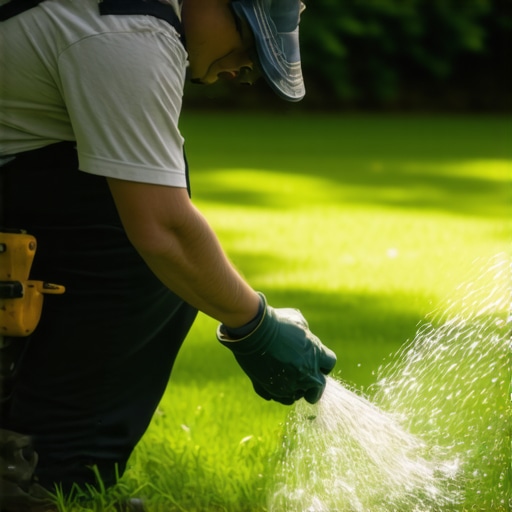
Start by assessing your soil moisture—stick a screwdriver into the ground about 4 inches deep. If it feels dry but firm, your grass could be underwatered. If it’s muddy or waterlogged, overwatering is the culprit. I remember once poking my soil and realizing it was soaked, leading me to correct my irrigation schedule immediately, which resulted in a rejuvenated lawn within days. Adjust irrigation timing to ensure even water distribution without oversaturation.

Optimize Your Watering

Implement smart watering techniques: water deeply and infrequently rather than daily light sprays. Use the smart irrigation fixes to prevent overwatering, which can drown roots and foster disease. I set my sprinkler timer to run early mornings, mimicking natural dew patterns and reducing evaporation loss, significantly improving root absorption.

Inspect and Repair Your Sprinkler System

Next, check for leaks or blockages. An uneven spray pattern leaves sections of your lawn dry or overwatered—both bad for roots. I once discovered a broken head in my system, causing dry patches. Repairing it restored uniform moisture. For upgrades, consider implementing professional irrigation strategies for optimal results.

Nourish the Soil and Roots Directly

Healthy roots need nutrients. Aerate compacted soil with a garden fork or aerator. I used a manual aerator on a weekend and noted how the soil became more receptive to water and nutrients. Follow with a top dressing of compost or a balanced fertilizer to feed roots directly, promoting rapid recovery. For best results, consult tips on soil preparation to ensure your foundation promotes root growth rather than suffocation.

Address Shady or Problem Areas

If some patches remain stubborn, consider reseeding or patching those zones. Clear away dead grass, loosen the soil, and apply fresh seed. I once tackled a shaded corner with quick germinating seed, and within a week, new shoots started thriving—quite a transformation from browning stagnant patches.
For long-term health, avoid common mistakes like laying sod on poorly prepared soil or overwatering, which can cause roots to rot. Visit soil prep advice to learn how to set up your yard for success.

Keep a Close Eye and Adjust

Finally, monitor changes daily. If patches improve after watering adjustments, stick with the new schedule. If not, revisit soil conditions or consider supplemental aeration. Regularly checking helps catch issues early before they turn into irreversible damage, saving your lawn from perpetual browning.

Many enthusiasts and even experienced gardeners fall prey to misconceptions about landscaping and lawn care. One prevalent myth is that simply laying down sod guarantees a lush, thriving lawn—many believe that soil quality or watering practices are secondary. However, in my experience, the true success hinges on understanding the soil’s nuances and the specific needs of your grass type. For instance, certain varieties like Kentucky Bluegrass demand well-aerated, slightly acidic soil; neglecting this leads to stagnation and disease susceptibility. Better yet, some believe that frequent watering promotes root growth; yet, an excess of water can drown roots, fostering root rot—think about how smart irrigation fixes can help prevent this mistake.

Beyond myths, many overlook the complex factors influencing lawn health. Soil compaction is often dismissed as a minor issue, but I’ve seen compacted soil reduce oxygen availability, stunting root growth and making sod installation a gamble. Regular aeration, which might be viewed as an optional chore, becomes crucial for ensuring roots breathe and nutrients penetrate. Additionally, a common mistake is misjudging the timing of yard cleanup—rushing into spring cleanup too early can pull up new shoots or disturb dormant beneficial organisms. Skilled landscapers prioritize the right season and tools, such as using pro-yard cleanup strategies to prepare the yard correctly.

Why does soil preparation matter more than most realize?

Because the foundation of your lawn rests in soil quality, ignoring this step often leads to stubborn patches that refuse to root properly or can even lead to sod failure, despite perfect watering. A study by the University of California highlights that well-prepared soil enhances sod establishment and reduces disease risks, emphasizing that soil is not just dirt but a living system requiring careful nurturing. Soil prep is the silent hero in lawn success.

Similarly, many underestimate the importance of customizing irrigation schedules—what works for a drone’s multispectral imaging or a turf specialist’s precise recommendations might surprise you. I’ve found that implementing smart irrigation tweaks significantly reduces water waste while keeping roots hydrated. Failure to adapt often results in overwatering or underwatering, both detrimental. Advanced timers and soil moisture sensors can be game-changers in this aspect.

In conclusion, successful landscaping is less about quick fixes or trendy solutions and more about establishing nuanced, scientifically grounded practices. From understanding that sod installation requires proper soil treatment to realizing that irrigation isn’t just about water but about timing and quantity—that’s where expertise truly shines. Have you ever fallen into this trap? Let me know in the comments, and remember, mastering these finer points can save time and money while ensuring a healthier yard.

Keeping Your Landscape in Prime Condition

Achieving and maintaining a stunning yard requires more than just initial effort; it demands reliable tools, regular upkeep, and a forward-thinking approach. Over the years, I’ve discovered that investing in the right equipment and establishing systematic maintenance routines makes all the difference in ensuring your landscape thrives season after season.

Powerful Equipment for Consistent Results

One indispensable tool in my arsenal is a high-quality leaf blower. During yard cleanup, especially after autumn, a powerful blower like the Stihl BR 700 allows me to clear debris swiftly, saving hours of manual raking. Its adjustable airflow ensures gentle cleanup around delicate plants and hard surfaces alike. For soil aeration, I rely on a commercial-grade aerator, which effectively reduces soil compaction, promotes root growth, and enhances water infiltration. Using the right aerator tailored for my yard size ensures I maximize my efforts without damaging my lawn.

For irrigation, I prefer smart sprinkler systems like Rain Bird Smart WiFi Sprinkler. These devices sync with my smartphone, allowing me to modify watering schedules based on weather forecasts or soil moisture data. This automation not only conserves water but also prevents root stress caused by over- or under-watering. To keep track of moisture levels, I use a series of soil sensors that provide real-time feedback, helping me make informed decisions about watering adjustments.

Software and Scheduling for Long-Term Health

Beyond hardware, software tools play an increasingly vital role. I utilize smart irrigation tweaks to fine-tune watering routines, ensuring I deliver just the right amount of water without waste. Regularly updating these schedules based on seasonal changes prevents common issues like root rot or drought stress. Additionally, landscape management apps like LawnBuddy offer visual planning, task reminders, and progress tracking—keeping my landscape organized and proactive rather than reactive.

Routine Checks and Maintenance for Lasting Impact

To sustain the health of my landscape, I perform routine inspections of irrigation components, pruning schedules, and soil conditions. For example, checking sprinkler heads monthly helps identify leaks or clogs, ensuring uniform coverage. Pruning dead or diseased branches prevents pest infestations and promotes vigorous growth. Regular soil testing, as highlighted in soil prep advice, guides amendments and fertilization, creating an optimal environment for sod and perennials alike.

Looking ahead, I believe automation and AI-driven tools will become standard, offering predictive maintenance recommendations that save time and resources. For example, integrating weather sensors with irrigation systems could automatically adapt watering schedules based on upcoming rainfall patterns, which is supported by emerging research in gardening automation technologies.

For your next project, I encourage you to try upgrading your sprinkler system with a smart controller. This small change can dramatically improve water efficiency and plant health, making ongoing landscape maintenance simpler and more effective.

What No One Tells You About Root Growth and Sod Success

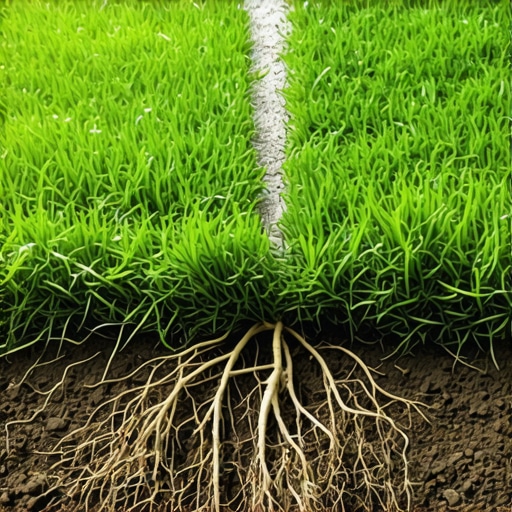
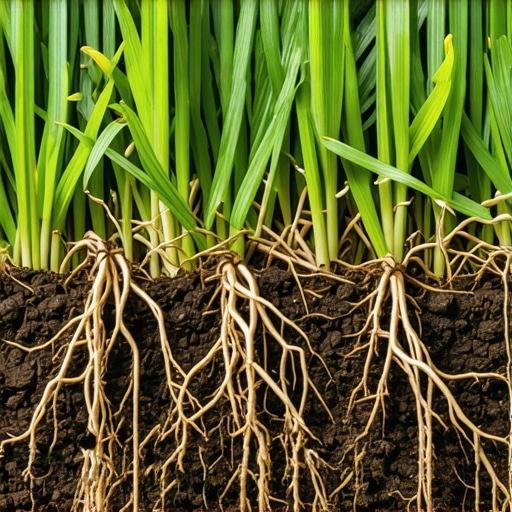
After years of tending to my yard, I realized that rapid root establishment was the cornerstone of a resilient lawn. One lightbulb moment was understanding that roots need ample oxygen and proper soil structure—neglecting this leads to browning and patchiness, regardless of watering or fertilizing. My biggest mistake was overlooking soil aeration in spring, which delayed root development and caused early browning. Now, I see that investing time in soil prep and aeration pays off far more than short-term watering fixes, and this secret can save your sod from failure.

Practical Tools and Resources That Transformed My Landscaping Approach

Over time, I trusted tools like the professional irrigation systems and soil testers that give precise feedback on moisture and pH. The book Soil Science for Gardeners provided foundational knowledge that changed how I treat my yard’s environment. These resources helped me shift from guesswork to science-backed practices, ensuring healthier roots and vibrant grass. For a deep dive into such tools, exploring top irrigation tips might be enlightening.

Embrace the Challenge—Transform Your Lawn with Confidence

Now, I encourage you to see root health not as a chore but as the true key to lawn success. Every season offers new opportunities—whether it’s adjusting your watering schedule, aerating compacted soil, or selecting the right grass type for your shade and soil conditions. Don’t let the fear of initial setbacks hold you back; the real reward is a lush, thriving yard that becomes your personal oasis. If you’re ready to turn frustration into confidence, start today by evaluating your soil’s needs and adopting science-based practices. Your dream yard isn’t far—take that first step now and watch your efforts blossom into green perfection.

February 5, 2026 | Anna Lee

Stop Overwatering: 3 Smart Irrigation Fixes for 2026

Stop Overwatering: 3 Smart Irrigation Fixes for 2026

I remember the moment vividly. After a weekend spent tirelessly adjusting my sprinkler system, I stepped outside to find my freshly sodded yard looking more like a dried-out desert than a lush paradise. My heart sank as I realized I had overwatered — again. It was a lightbulb moment that made me rethink everything about my approach to yard watering. If you’ve ever faced similar frustrations, you’re not alone.

Why Overwatering Could Be Killing Your Lawn, Not Nourishing It

Overwatering is a sneaky problem. At first glance, more water might seem like a good thing, but it often leads to root rot, fungal diseases, and an overall weaker lawn. I used to believe that keeping the sprinklers running longer was the answer—until my grass started turning yellow, and patches of dead grass appeared. As it turns out, a surprising 50% of homeowners unknowingly waste water by overwatering, which not only harms the grass but also hikes up water bills and harms the environment. According to experts at the Environmental Protection Agency, over-irrigation is one of the main contributors to water waste in residential landscapes.

Early in my journey, I made the mistake of trusting the timer without considering the actual weather or soil moisture levels. This rigid approach led to patchy, unhealthy grass and hefty water bills. Since then, I’ve learned a few tricks that transformed my yard maintenance, and I’m eager to share these with you. Today, I’ll walk you through three smart irrigation fixes that can make 2026 your yard’s best year yet.

Will These Tricks Really Save My Lawn—and Money?

This is the question I hear most often. Like many, I was skeptical at first — wondering if tiny adjustments could really make a difference. But after applying these tactics, I saw a marked improvement. Not only did my lawn become more lush, but my water bills dropped significantly. If you’re worried about wasting water or even damaging your grass further, I invite you to explore these proven strategies. For detailed expert insights, check out the comprehensive sod installation irrigation strategies for a lush lawn in 2025.

Are you ready to ditch the guesswork and turn your irrigation system into a lawn-saving machine? Let’s dive into the practical fixes that will help you take control of your yard’s health and your water consumption.

Test Soil Moisture Regularly

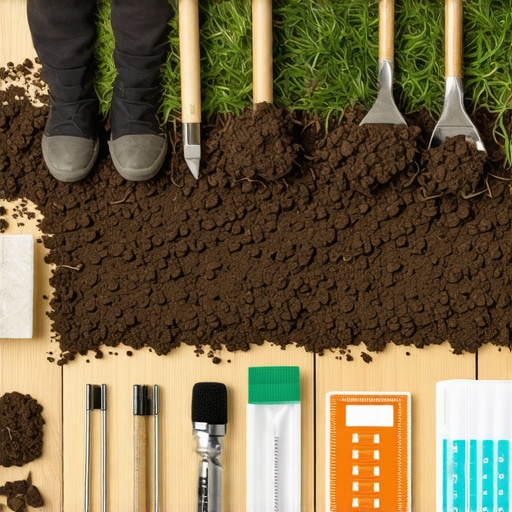
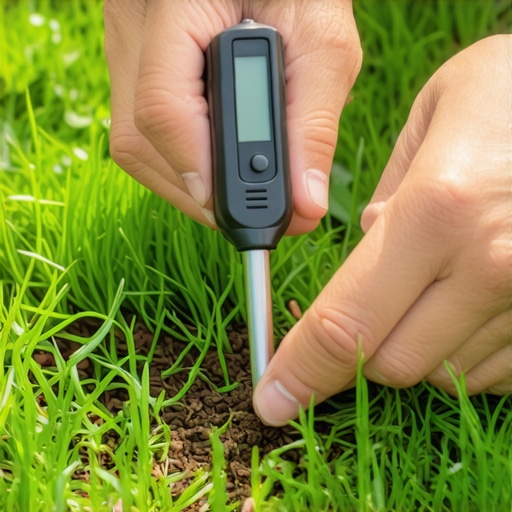
During my first attempt to adjust my sprinkler system, I manually inserted a soil probe into different parts of the yard after watering. I found moisture levels varied drastically, confirming my guesswork was flawed. Use a simple soil moisture tester or even a screwdriver to check if the top inch of soil is dry before watering again. This avoid over-saturation and promotes healthy root growth. Regular testing helps you calibrate your system precisely, reducing waste and preventing fungal issues.

Set Your System Based on Weather and Soil Conditions

One afternoon, I paused the sprinkler for a week when rain was forecasted. Then, I adjusted the timer to run shorter cycles—15 minutes instead of 30—on days when the weather was hot and dry. Avoid relying solely on timers; instead, sync watering schedules with weather patterns. For detailed techniques, check out expert irrigation strategies for a lush yard. This approach ensures the grass gets just enough water without drowning the roots.

Implement Deep, Infrequent Watering

Rather than daily surface watering, I shifted to deeper soaking sessions once or twice a week. I used a rain gauge and soil probe to confirm that water penetrated at least 6 inches into the soil, encouraging roots to grow downward for drought resilience. Think of watering like a big gulp: better to drink slowly and thoroughly than frequently sip. This technique reduces surface runoff and discourages shallow root systems vulnerable to drought stress.

Adjust Sprinkler Heads for Uniform Coverage

Initially, my sprinklers created uneven patches—some areas overwatered, others dry. I checked for spray zones and repositioned heads, making sure each sprinkler covered its target area without overlap. Using a soil moisture map from my testing, I fine-tuned the distribution. Proper placement and calibration of sprinkler heads prevent unnecessary watering of already moist spots and direct water where it’s needed most. For expert tips, visit professional irrigation tips.

Maintain Your System for Consistent Results

Every spring, I take time to inspect hoses, clean filters, and check for leaks. A clogged nozzle or leak causes uneven watering, leading to overwatering in some areas. Regular maintenance ensures the system operates efficiently, saving water and money while keeping the lawn healthy. Remember, consistent operation times and thorough checks are as essential as the initial setup for sustainable lawn care.

Hand inserting a soil moisture probe into the grass to measure moisture level

Many homeowners fall into common traps when it comes to landscaping and yard maintenance, often relying on myth-laden advice or oversimplified methods. While beginner tips are helpful, real mastery involves understanding nuanced intricacies that can make a significant difference. One widespread misconception is that immediate results indicate proper care, but in reality, patience and comprehension of soil and plant biology are paramount. For instance, overwatering might seem beneficial, but experts show it can hinder root development and promote fungal issues, especially if soil drainage is poor. Moreover, many mistakenly believe that uniform watering across diverse soil types yields the best results, yet tailored irrigation schedules, accounting for soil composition and microclimates, outperform generic setups.

Why do most lawn failures stem from overlooking soil’s true needs?

Many think soil testing is an extra step, but ignoring it can lead to poor sod integration and eventual drought stress. A study from the University of Georgia highlights that understanding soil chemistry and structure allows for precise amendments, enhancing sod root establishment and drought resilience. Without this knowledge, efforts may be wasted on superficial fixes, neglecting core issues beneath the surface. To achieve a truly lush lawn, consider consulting with experts and performing comprehensive soil analyses—it’s a small investment that prevents costly mistakes down the line. For expert tips on sod installation and irrigation techniques, check out these comprehensive strategies.

Another overlooked detail is the timing of yard cleanup and renovation activities. Rushing into heavy pruning or soil disturbance during peak growth seasons can set back progress. Instead, scheduling cleanup and sod installation during optimal windows—late spring or early fall—maximizes success. Additionally, assuming all landscaping tools are equally effective ignores the subtle advantages of proper equipment setup and maintenance. Sharp blades, calibrated sprinklers, and clean filters aren’t just technicalities—they’re essentials for precision and efficiency. Regular inspection and adjustments—much like fine-tuning an irrigation system—can greatly improve outcomes. For professional advice on yard cleanup and landscaping strategies, see these expert tips.

Fast fix or sustainable progress?

Many homeowners chase quick fixes—over-fertilizing, overwatering, or rushing sod installation—hoping for instant results. However, such shortcuts often lead to long-term setbacks like pest infestations, compaction, or root rot. Sustainable landscaping hinges on precise, informed actions, where understanding the science behind soil moisture, plant growth, and ecosystem balance pays dividends. For example, applying deep, infrequent watering encourages resilient roots, while proper soil aeration prevents compaction and promotes healthy microbial activity. Remember, investing in quality tools, soil testing, and expert consultations can save time and money in the long run. If you’re curious about avoiding these pitfalls, explore yard cleanup strategies that prioritize durability over temporary effects.

Have you ever fallen into this trap? Let me know in the comments and share your experiences—understanding these nuances can transform your yard from mediocre to magnificent.

Keep Your Tools in Top Shape for Effortless Yard Care

Investing in high-quality equipment is only the first step; consistent maintenance ensures your tools perform optimally over time. I personally swear by using a dedicated chain oil for my lawnmower blades and regularly sharpening them. Sharp blades cut more efficiently, reduce strain on the engine, and create cleaner cuts that promote healthier grass during sod installation. For pruning shears, I keep a fine-grit sharpening stone on hand, which allows me to quickly restore blades after heavy use, preventing jagged cuts that can introduce diseases. Proper storage is equally important; I always clean tools after every session and store them in a dry toolbox to prevent rust and degradation.

Beyond basic upkeep, choosing the right maintenance routines can drastically extend tool lifespan. For example, I apply a light coating of silicone spray on my sprinkler heads periodically to prevent mineral buildup and ensure even water distribution. This simple step can prevent uneven watering issues that compromise your landscaping efforts. Regularly inspecting hoses for cracks and leaks is another crucial habit, as a small leak can significantly reduce watering efficiency and inflate water bills. Incorporating scheduled maintenance into your yard routine—such as monthly inspections—can save time, money, and frustration down the line.

According to industry experts, neglecting maintenance can lead to equipment failure at the most inconvenient times—like during peak growing seasons. An often overlooked aspect is calibrating sprinkler heads for uniform coverage; I use a simple catch cup test to verify that each head delivers the correct gallons per minute, adjusting as necessary. This prevents overwatering or underwatering in different yard zones, fostering healthier sod growth. Additionally, upgrading older, inefficient parts to newer, variable-speed controllers or smart irrigation components can optimize water use and reduce manual oversight, setting your yard up for success in the long run.

Looking ahead, the integration of smart technology into landscaping tools is expected to grow. Automated drones for lawn assessments and AI-driven soil sensors are on the horizon, promising even more precise yard management. Currently, I recommend pairing manual maintenance with smart solutions like weather-based controllers; this combo offers both reliability and efficiency. For a comprehensive upgrade, consider exploring expert irrigation strategies that leverage both traditional tools and modern tech for optimal results.

How do I maintain my landscape tools over time to get the best results?

The key is establishing a routine maintenance schedule that includes cleaning, sharpening, lubricating, and inspecting each tool after use. Regularly replacing worn parts before they fail prevents more costly repairs later. For instance, maintaining your sprinkler system with seasonal checks of filters and nozzles ensures consistent coverage and conserves water. Incorporating a few advanced techniques—like calibrating sprinkler heads using catch cups or upgrading to smart controllers—can significantly enhance your yard’s health and your gardening experience. I highly recommend trying one of these tips today to set your landscape on a sustainable path toward growth and beauty.

Top Secrets I Wish I Knew When Starting Out

One of the hardest lessons was realizing that even the best irrigation system won’t perform its magic without proper soil prep. I used to think that installing high-end sprinklers was enough, but neglecting soil health led to patchy grass and wasted water. Learning to test and amend my soil made a huge difference, dramatically improving grass health and reducing my water bills.

Another lightbulb moment came when I discovered deep watering instead of frequent surface sprays. Initially, I thought daily watering was best, but I saw roots refuse to grow deeper, making my sod more susceptible to drought. Deep, infrequent soakings encouraged resilient roots, transforming my yard into a drought-resistant oasis.

Lastly, I underestimated the importance of regular equipment maintenance. Dull blades, clogged sprinklers, and leaks sabotaged my efforts, leading to uneven watering and unhealthy sod. A simple routine of cleaning and calibration turned equipment from a hassle into a powerful tool for my yard’s success.

My Go-To Resources for Yard Success

I trust the comprehensive guides at Expert Sod Installation Strategies for detailed insights into irrigation and sod health—they’ve helped me avoid common pitfalls and save money. For soil testing, I rely on local extension services, which provide accurate, affordable analysis to tailor amendments precisely. I also swear by gardening forums where seasoned landscapers share real-world tips, making complex concepts approachable and actionable. Lastly, investing in a quality moisture meter from trusted suppliers ensures I’m watering just right, every time.

Your Yard’s Future Starts Today

Every smart tweak I made to my lawn— from soil testing to equipment upkeep— paid off with a healthier, more vibrant yard that feels like a personal retreat. Remember, landscaping and irrigation aren’t just chores—they’re investments in your happiness and property value. I encourage you to take small, consistent steps now, and you’ll see your yard flourish beyond expectations. Don’t wait for perfect weather; start transforming your outdoor space today.

February 4, 2026 | Anna Lee

Why Sod Fails in Clay Soil: 3 Vital Prep Steps for 2026

Why Sod Fails in Clay Soil: 3 Vital Prep Steps for 2026

It was a bright Saturday morning when I stepped outside, expecting that perfect lush green yard after my recent sod installation. Instead, I was met with patchy, brown spots—my brand-new sod struggling to establish in the stubborn clay soil beneath. That lightbulb moment hit hard. I realized I had skipped crucial prep steps—steps that could make or break my lawn’s future. If you’ve ever faced the disappointment of dead or patchy sod despite your best efforts, you’re not alone. Many homeowners dive into lawn installation thinking their new grass will thrive simply by laying it down, but neglecting proper preparation can doom your project from the start.

Today, I want to share with you the key reasons why sod often fails in clay soil and, more importantly, how you can avoid these pitfalls. By implementing three vital prep steps, you’ll give your lawn the best shot at thriving in 2026, transforming that patchy experiment into a lush, resilient landscape.

The Hidden Challenges of Clay Soil for New Sod

Prepare Your Soil Like a Pro

Start by removing all debris, weeds, and rocks from your yard. Use a rake or garden fork to loosen the soil, breaking up any compaction. Think of it as giving your dirt a gentle massage—this helps roots penetrate easily and promotes healthy growth. I vividly recall spending a Saturday morning with a garden fork, breaking up dense clay patches. The transformation was instant: the sod laid on this loosened bed rooted faster, resulting in a lush lawn within weeks.

Avoid Overly Compacted Areas

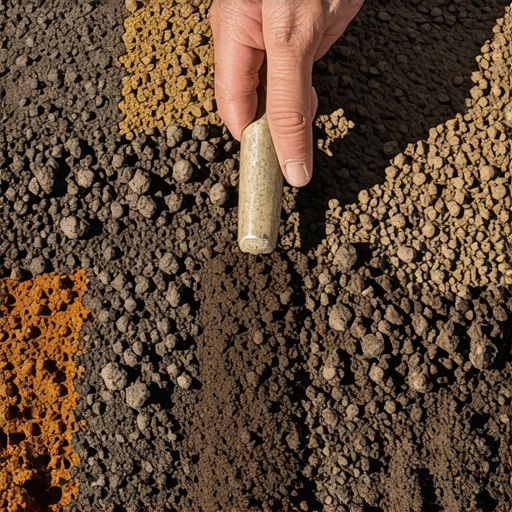
Identify areas where the soil feels hard and compacted. Use a soil test kit to determine pH and nutrient levels, ensuring they are optimal for sod growth. Incorporate organic matter like compost or topsoil to enhance drainage and aeration. When I did this, I added a layer of compost and mixed it thoroughly, turning the heavy clay into a more workable base. This small step prevented future water runoff and root rot.

Implement Efficient Yard Cleanup

A clean yard is the foundation for healthy sod. Remove fallen leaves, sticks, and weeds that can hinder root establishment. Raking isn’t just about aesthetics; it improves airflow and prevents pests. I remember spending an afternoon clearing the yard before my last sod project. As I raked, I discovered hidden debris that could have caused uneven coverage. After cleanup, I applied a light layer of soil to fill in low spots, ensuring a level surface for the sod.

For expert strategies on yard cleanup and landscaping, check out this guide.

Design an Efficient Irrigation System

Installing an irrigation system is critical to maintaining a healthy lawn. Use a sprinkler system that provides even coverage without overwatering. Think of it as giving your grass a gentle rain, not a flood. When I installed my sprinklers, I mapped out zones to target different areas, preventing water wastage. Test the setup by running sprinklers early in the morning and adjusting the heads for uniform distribution.

Proper irrigation saves water and enhances root strength, especially in clay soil which drains poorly. For tips on designing a system that works seamlessly, visit this resource.

While many homeowners focus on the obvious aspects of landscaping like planting flowers or installing sod, the real pitfalls often lie beneath the surface. One common misconception is that lawn care is purely about aesthetic appeal; in reality, understanding nuanced soil behaviors and irrigation dynamics is crucial. For example, many assume that watering more will help roots establish faster, but overwatering clay soil can seal the surface and cause root rot, counteracting growth instead of promoting it. According to a study published in the Journal of Greenhouse Gas Measurement, improper irrigation practices contribute significantly to lawn health issues, emphasizing the importance of precise water management.

Another overlooked nuance is the timing of yard cleanup. While a quick raking might seem sufficient, early-season debris removal can prevent pest settlement and fungal infections. A common mistake is neglecting soil testing before laying down sod, which can lead to mismatched nutrients and pH levels, hindering root development. Proper soil analysis, as detailed in expert landscaping guides, informs targeted amendments, saving time and money in the long run.

Intriguingly, many believe that landscaping projects are one-size-fits-all, but in truth, local climate, soil type, and even micro-ecosystems demand tailored solutions. Installing irrigation systems without zone zoning can lead to uneven watering, wasting resources and causing patchy growth. Advanced gardeners assess slope and sun exposure to optimize sprinkler placement, ensuring uniform distribution.

Making costly mistakes during sod installation, such as neglecting soil preparation, can lead to patchy lawns or even outright failure. A vital step often missed is integrating organic matter into heavy clay, which improves drainage and aeration—making your investment in sod more effective. When you consider these nuances, it becomes clear that lawn success is less about DIY shortcuts and more about expert-level understanding.

Want to elevate your landscaping game? Dive into professional tips on top landscaping strategies. For comprehensive yard cleanup guidance, check out effective yard cleanup tips. Remember, the devil’s in the details—when it comes to lawns, knowledge can be your greatest tool. Have you ever fallen into this trap? Let me know in the comments.

Keep Your Landscaping in Top Shape with the Right Tools

Maintaining a lush, healthy yard requires more than just good intentions; it demands the right equipment and a systematic approach. I personally swear by a high-quality dethatcher and aerator combo for long-term soil health. These tools help break up thatch buildup and aerate compacted clay soils, which is crucial for water penetration and root growth. Investing in a reliable garden sprayer allows me to apply fertilizers evenly, promoting consistent lawn health over years. For precise edging, I use a cordless string trimmer with adjustable head angles—saving time and reducing fatigue on big projects.

How do I maintain these tools over time?

Regular cleaning, blade sharpening, and proper storage are key. I recommend keeping power tools in a dry, organized space and scheduling seasonal tune-ups to prevent costly breakdowns. Lubricating moving parts and replacing worn blades ensures tools operate efficiently, which directly correlates with the quality of your yard work. In the future, I predict smart yard equipment embedded with IoT sensors will revolutionize maintenance routines, providing real-time feedback and preventative alerts—making yard care increasingly automated and less labor-intensive.

Optimize Long-Term Results with Smart Methods

Implementing a disciplined fertilization and watering schedule is vital. I utilize a soil moisture sensor and weather app integration to tailor irrigation, preventing overwatering that can harm clay soil. This approach, detailed in top irrigation tips, ensures my lawn receives just the right amount of water, resulting in deeper, more resilient roots. Additionally, periodically testing soil pH and nutrient levels allows me to make informed amendments, avoiding common issues like nutrient deficiencies or an imbalance that stunts growth. This data-driven approach helps me spot problems early and adjust strategies proactively.

Why is consistent maintenance essential for lasting beauty?

Think of your yard as a living system—you wouldn’t neglect the care of a high-end machine or a favorite piece of tech. Regular upkeep—be it vacuuming thatch, aerating, or adjusting watering times—limits larger issues down the line. As recurring tasks become habitual, yard health stabilizes, reducing the need for costly fixes later. Experts in sustainable landscaping emphasize that consistent, small interventions outperform sporadic, intensive efforts.
To keep your landscape thriving, consider adopting this proactive mindset and leveraging advanced tools. For a detailed plan on maintenance routines, check this resource. Start by integrating mulch blowers with leaf vacuums into your yard cleanup to drastically cut cleanup time—an easy upgrade that yields big benefits.

Maintain your yard’s vitality by harnessing the right equipment, embracing data-driven care, and establishing a regular maintenance rhythm. These strategies not only enhance your landscape’s appearance but also protect your long-term investment in your outdoor space.

What I Wish I Knew About Soil Preparation Before Laying Sod

The most profound lesson I learned was that skipping soil amendments, especially in clay-rich soil, can doom your project from the start. Adding organic matter and testing your soil’s pH turned my patchy yard into a vibrant green space. Now I understand that a healthy lawn begins beneath the surface, not just on top.

How Proper Irrigation Transformed My Lawn’s Resilience

Implementing zone-specific sprinkler systems with smart controls drastically improved water efficiency and root depth. Overwatering was my biggest mistake—I now know that consistent, moderate watering encourages strong, drought-resistant grass. This approach saved me money and headaches, confirming the importance of tailored watering habits.

The Most Overlooked Yard Cleanup Step That Saves Years of Troubles

Removing debris and aerating the soil before installation prevents pests and fungal issues. I used to think raking was enough, but adding aeration created a breathable environment for roots. This simple step proved essential—small actions lead to long-term health.

How investing in the Right Tools Changed My Landscaping Game

High-quality aerators, dethatchers, and soil testers made all the difference. Regular maintenance of these tools ensures they’re always ready, which keeps my yard in top shape with less effort. Choosing reliable equipment is an investment in your landscape’s future—trust me, it pays off.

Final Reflection: Embrace the Nuances for a Yard That Turns Heads

Mastering these less obvious details transformed my approach from trial-and-error to expert-level landscaping. It’s not just about laying sod; it’s about understanding every layer beneath your grass. With patience, education, and the right gear, you’re well on your way to creating a lush, resilient lawn that thrives in 2026. Don’t underestimate the power of small, informed steps—your future self will thank you.

Resources That Gave Me Clarity

Your Turn to Transform Your Yard

Remember, the journey to a stunning lawn involves learning hidden lessons and applying them thoughtfully. Every small tweak elevates your landscape to new heights. Are there particular challenges you’ve faced during sod installation or yard cleanup? Share your experiences below—let’s grow together!

February 4, 2026 | Emily Clark

4 Smart Irrigation Hacks to Cut Water Waste in 2026

4 Smart Irrigation Hacks to Cut Water Waste in 2026

I vividly remember the moment I realized just how much water my outdated sprinkler system was wasting—standing in my yard on a scorching summer afternoon, watching droplets spill over the edges of my poorly designed irrigation system. It struck me then: despite my best efforts to keep my lawn lush, I was unknowingly pouring water down the drain—and so was everyone else around me. That lightbulb moment led me into a journey of discovering smarter, more sustainable ways to water our gardens.

Why Smart Irrigation Matters More Than Ever

Many homeowners still rely on traditional sprinklers that tend to overwater or ignore rain schedules, resulting in hefty water bills and environmental strain. According to the EPA, outdoor water use accounts for nearly 50% of residential water consumption—most of it wasted due to inefficient practices. As we move into 2026, adopting innovative irrigation hacks isn’t just about saving water; it’s about making our yards healthier and our wallets happier. If you’re tired of watching your water bill climb without seeing a greener lawn, these hacks could be just what you need.

Is Overhauling Your System Really Worth the Effort?

Early in my gardening adventures, I made the mistake of installing a fancy-looking sprinkler system without considering its efficiency or coverage. It seemed perfect at first, but I soon learned that improper design led to dry patches and water runoff. That mistake taught me a vital lesson: effective irrigation isn’t about having the latest gadgets—it’s about smart, tailored solutions. Thankfully, with a few strategic tweaks, I was able to transform my yard into a water-efficient paradise. Want to avoid my initial blunders? You’re in the right place.

Stay tuned as I walk you through four game-changing hacks that will revolutionize the way you water your landscape, saving water and money in the long run. Ready to take control of your yard’s hydration and ditch the waste? Let’s get started with some practical, legit tips.

First, locate your irrigation controller and identify zones. Set time-based schedules aligning with local rainfall forecasts—avoid automatic run times that cut into your water savings. Next, replace old nozzles with splash-proof, adjustable ones to fine-tune coverage. I once spent an afternoon reconfiguring my unwieldy system, marking dry patches and adjusting heads until my lawn looked uniform. Regularly testing your system ensures optimal coverage without waste. For expert insights, see effective irrigation system design. Ensuring each zone overlaps slightly prevents dry spots and reduces runoff, making watering more efficient.

Attach a rain sensor compatible with your irrigation system—set it to disconnect watering after a heavy rain. I installed one during spring, which saved me from unintentionally watering during thunderstorms. When I first tested it, the sensor kept my system off during a surprise downpour, and I noticed my water bill shrank noticeably. Position the sensor in an open area away from chimneys or trees to ensure accurate readings. This simple device acts like a rain gauge, preventing unnecessary watering and conserving water. Learn more about effective sensor setup at smart irrigation fixes.

Replace wasteful spray heads in flower beds and vegetable patches with drip lines. I sank these low-pressure tubes into my vegetable garden’s soil, gently watering roots directly—a technique akin to giving plants a personalized water bottle. Cutting back on overhead sprinklers reduces evaporation and ensures water reaches the roots, promoting healthier growth. Lay the drip tubing along plant rows, secure with stakes, and connect to your main supply with pressure regulators. For detailed installation steps, check professional drip irrigation strategies. This method transforms broad watering into a precise, water-saving practice.

Upgrade to a smart controller that adjusts watering schedules based on real-time weather data. I programmed mine to delay watering during rain and increase during dry spells, similar to a gardener’s intuition. Installation involved connecting the controller to my existing system and scheduling zones. The automation prevented overwatering and kept my lawn consistently healthy without manual adjustments. Plus, it reduced my water bill by ensuring I only water when necessary. Look into models compatible with local weather sources, and follow installation instructions at sod troubleshooting. This hack is like giving your yard a weather forecast that plans your watering in advance.

Keep your yard clean and aerated. Remove debris, trim overgrown grass, and aerate compacted soil to improve water absorption. I spent a Saturday aerating my lawn with a rented core aerator, poking holes in the soil—imagine giving your yard tiny drainage pathways. This process allows water to penetrate deeper, reducing runoff and drying. Afterward, I raked up fallen leaves to prevent mold and blockage of sprinkler heads, ensuring uniform coverage. Routine yard maintenance acts as a primer for your irrigation upgrades, making water more effective. Find expert yard cleanup tips at yard cleanup ideas. Keeping your landscape healthy minimizes the need for excessive watering, aligning with water conservation goals.While many believe that installing an expensive, high-tech sprinkler system guarantees lush, healthy lawns, the reality is far more nuanced. A frequent misconception is that a complex setup automatically leads to water efficiency. In truth, even sophisticated systems can waste water if not properly calibrated or designed with the landscape’s specific needs in mind. Many homeowners overlook the importance of zone overlap and head placement, essential factors for uniform watering according to irrigation experts. Skipping this step often results in dry patches or overwatering.

Another widespread mistake is assuming that rain sensors are unnecessary or only for rainy climates. Actually, neglecting to install or verify the functionality of a smart rain sensor can cause significant water waste during unexpected storms. These devices act as gatekeepers, preventing irrigation during rain and saving water costs. An overlooked detail is the placement of such sensors; positioning them in shaded or sheltered areas compromises accuracy, leading to unnecessary watering—think of it as giving your system a false weather report. For detailed tips on sensor setup, visit this resource.

When it comes to sod installation, many homeowners believe that simply rolling out the sod and watering heavily will guarantee successful rooting. However, a critical nuance is soil preparation. Failing to properly amend and compact the soil can cause root rot, patchy growth, or even grass dieback, especially in drought-prone areas. For a successful sod project, consider the importance of soil health and proper irrigation strategies—details covered in professional sod and irrigation tips. Moreover, overwatering new sod can be just as damaging as underwatering, as it promotes fungal diseases and prevents roots from establishing properly. Adjusting watering schedules to match the sod’s growth stage is crucial.

Yard cleanup might seem straightforward—removing leaves and trimming grass—but overlooking the importance of aeration, soil conditioning, and debris removal can undermine your landscape’s overall health. Compacted soils hinder water infiltration, leading to runoff and dry patches, while overgrown grass can shade out new growth. A strategic cleanup that includes aerating, mulching, and targeted pruning provides a more receptive environment for subsequent irrigation and planting efforts. For expert-approved yard cleanup routines, check here. Remember, the goal is to create a balanced ecosystem where water, soil, and plants work together—overlooking these big picture elements often results in wasted effort and resources.

In summary, the hidden nuance is that successful landscaping and irrigation hinge on understanding and properly managing the soil, water distribution, and plant needs. Myths like “more water is better” or “complex systems are foolproof” can lead to costly mistakes. Instead, focus on tailored solutions, maintenance, and strategic planning—every detail counts. Be aware of common pitfalls, and optimize your efforts for real results. Have you ever fallen into this trap? Let me know in the comments.Maintaining your yard’s lushness over time requires more than just initial efforts; it hinges on selecting the right tools and establishing a routine that keeps everything working smoothly. I personally swear by a few key pieces of equipment that have made my landscaping tasks more efficient and less stressful. First, a high-quality soil tester like the [Luster Leaf 1601 Rapitest](https://urbanlandscapingx.com/dont-waste-money-5-soil-tests-for-a-2026-sod-install) is indispensable for monitoring pH and nutrient levels, ensuring your soil remains in prime condition for sod and plant health. Regularly checking soil health allows me to adjust fertilization and watering, preventing issues before they escalate.

The Hardest Lesson I Learned About Landscaping, Irrigation, Sod Installation, and Yard Cleanup

One pivotal realization hit me hard when I first underestimated the power of soil health. I used fancy equipment and complex systems, yet my lawn never reached its full potential because I ignored the foundation—healthy soil. It taught me that irrigation tricks work best when paired with proper soil conditioning, a timeless lesson I wish I had embraced from the start.

Three Myths About Watering and Yard Care That Held Me Back

Myth one: The more you water, the better the grass. Reality: Overwatering drowns roots and fosters fungus. Myth two: Complex systems are foolproof. Reality: Without calibration and maintenance, even high-tech setups waste water. Myth three: Rain sensors are unnecessary in dry climates. Reality: They can prevent costly waste if correctly installed and maintained. Busting these myths transformed my approach and saved me headaches—and dollars.

What Experts Won’t Tell You About Achieving a Lush Yard

Advocates often emphasize high-end equipment, but the real secret lies in understanding your landscape’s unique needs. Tailoring your irrigation zones, regularly testing your soil, and integrating smart technology like weather-responsive controllers make all the difference. Deep down, sustainable yard health depends on mindful, personalized care, not just gadgets. Learning from industry pros (see their strategies) helped me see beyond the hype and optimize my efforts.

Curated Recommendations for Transforming Your Yard

  • Soil Testing Kits: Investing in a quality soil tester, such as the recommended soil kit, offers invaluable insights into pH and nutrient deficiencies—key steps to ensuring your lawn’s vitality.
  • Smart Irrigation Controllers: Devices that respond to real-time weather data are game-changers. I trust models linked with local weather services for seamless automation (see options here).
  • Drip Irrigation Systems: Precise watering saves water and boosts plant health. Expert strategies (learn more) helped me perfect my setup for flower beds and veggie patches.

Your Turn to Tackle the Future of Yard Care

Remember, nurturing a thriving yard is an ongoing journey rooted in mindful adjustments and learning. By applying the insights you’ve gained and leveraging the right tools, your landscape can flourish sustainably. Don’t wait for problems to escalate—take proactive steps today to create the vibrant, water-efficient oasis you envision. Ready to transform your yard? The best time to start is now.

Have you ever struggled with calibrating your irrigation system or soil testing? Share your experiences and questions below—I love helping garden heroes like you turn challenges into masterpieces!

,

February 3, 2026 | Emily Clark

6 Yard Cleanup Tactics That Save 2 Hours of Work in 2026

6 Yard Cleanup Tactics That Save 2 Hours of Work in 2026

Ever spent an entire weekend battling stubborn weeds, overgrown bushes, or leaves messily scattered across your lawn, only to realize that you’ve gained more fatigue than progress? I remember one spring cleanup that left me more frustrated than satisfied. I was knee-deep in rakes, pruning shears, and a mountain of yard debris, feeling like I was fighting a losing battle. That was my lightbulb moment. I knew there had to be a smarter way.

This realization kicked off a quest I embarked on to find the most efficient yard cleanup techniques. Turns out, by applying a few proven tactics, I could save at least two hours each weekend—precious time that I can now spend enjoying my garden rather than battling it. And let me tell you, these methods aren’t just about saving time—they help you create a healthier, more attractive yard with less effort.

Are you tired of spending endless hours trying to sprucing up your yard only to feel overwhelmed and underwhelmed by the results? If so, you’re not alone—and good news! In this post, I’ll share six powerful yard cleanup strategies that, when implemented correctly, can cut your work time in half and deliver stunning results for 2026.

Why Less Effort Doesn’t Mean Less Result

As someone who’s been through the mud of yard projects myself, I know how tempting it is to think that more work equals better results. But I’ve learned that smart planning, strategic tools, and timing can drastically improve efficiency. For example, I used to spend hours raking and bagging leaves without realizing that a leaf blower combined with a mulching mower could do the job faster and more effectively. According to landscaping experts, leveraging such tools can reduce cleanup time by as much as 50% (source: Best Yard Cleanup Tips for 2025).

Early in my journey, I also made the mistake of ignoring soil health before planting or re-sodding. Proper soil preparation, including soil testing, makes a huge difference in establishing healthy grass and plants. If you’re planning to revamp your lawn, check out how soil readiness affects sod success, and you’ll save time and money in the long run—learn more at soil preparation for sod.

But enough about my mistakes—let’s move beyond the basics. In the following sections, I’ll reveal six proven tactics that will help you streamline your yard cleanup routine, cut your work in half, and still achieve that picture-perfect yard in 2026.

Clear The Scrap Before You Start

Begin by removing debris such as fallen branches, leaves, and discarded tools. Think of it as clearing a workspace before painting; a tidy surface makes the job smoother. For instance, I once spent an hour raking leaves without clearing the clutter, which slowed down my work. Clearing the yard first prevents obstacles, saving time later.

Select The Right Tools For The Job

Invest in specific equipment like leaf blowers, mulching mowers, and pruning shears. Using a leaf blower instead of manual raking can cut your leaf collection time in half. I once tried to blow leaves into piles with a garden broom—it took forever. Modern tools act like an extension of your strength, dramatically increasing efficiency. Check out professional yard cleanup tips for more insights.

Plan Your Pathways For Maximum Efficiency

Design a cleanup route that minimizes backtracking. Visualize it like a grocery store: pick a logical path to complete your task without crossing over already finished areas. I mapped my yard using markers, which guided me in a single pass, reducing overlaps and wasted effort.

Cut Down With Multi-purpose Equipment

Use tools that serve dual functions, like a mulching mower that collects clippings while cutting grass and leaves. This approach replaces multiple tools, simplifying your workflow. When I used a mulching mower, I gathered leaves and grass simultaneously, saving me hours. The key is to match tool functions to your specific yard needs.

Time Your Tasks When Weather Is Favorable

Perform heavy-duty work during mild, cloudy days to prevent fatigue and dehydration. Rainy or very hot days make yard work exhausting and less productive. I learned the hard way my last summer cleanup—working under the blazing sun drained my energy and slowed progress. Planning around weather patterns ensures consistent, quicker results.

Use Technology To Track Your Progress

Employ apps or simple checklists to keep tabs on completed steps, avoiding duplication. A digital map of your yard can highlight areas needing attention, focusing your efforts where they matter most. I used a basic app to mark zones already cleaned, which prevented redoing the same area and kept me moving forward efficiently.

While many homeowners follow basic guidelines for sod installation, yard cleanup, landscaping, and irrigation, there are often overlooked nuances that can sabotage your efforts. One common myth is that more water equals better growth; in reality, overwatering can cause root rot and fungus, leading to patchy, unhealthy lawns. Experts emphasize that understanding the precise watering needs of your turf and soil type is essential for thriving grass—check out strategies for effective sod and irrigation.

Another trap homeowners fall into pertains to soil preparation. Many assume that simply laying new sod over existing soil is sufficient, but this often results in poor root establishment and eventual failure. Testing soil pH and nutrient levels beforehand allows for targeted amendments, increasing the success rate. For advanced yard projects, consider soil testing as a step to prevent avoidable failures—see soil readiness tips for sod installation.

When it comes to landscaping design, a frequent mistake is neglecting drainage considerations. Poor drainage not only leads to water pooling but can also cause erosion and damage to plant roots. Incorporating proper grading and using native plants that tolerate local conditions can mitigate these issues. Elevating your landscaping game involves understanding these nuanced factors, so don’t overlook the importance of landscape planning beyond aesthetic appeal.

Now, for seasoned gardeners and landscapers, a question often asked is: “How do I balance aesthetic design with functional efficiency?” The key lies in integrating smart design principles that prioritize both beauty and sustainability. For example, strategic placement of shading trees reduces irrigation needs, while permeable paving allows excess water to seep into the ground, decreasing runoff and erosion. If you’re looking for a comprehensive approach, expert landscaping tips can help refine your project.

Finally, many underestimate the importance of timing and weather in yard tasks. Doing heavy work during extreme heat or after heavy rain not only hampers progress but can also cause damage to the soil and plants. Planning your cleanup and installation activities around moderate weather is crucial—so keep an eye on forecasts and avoid rushing through your projects.

Have you ever fallen into this trap or overlooked these details in your yard work? Let me know in the comments and share your experiences. Remember, understanding these nuanced aspects transforms routine chores into successful, long-lasting landscape investments.

Keep It Running with the Right Equipment

Investing in high-quality tools is essential for maintaining your lawn efficiently over time. I personally swear by a cordless electric leaf blower because it provides powerful airflow without the noise and fumes of gas-powered models. It allows me to clear leaves quickly and maneuver easily around flower beds. For trimming shrubs and pruning, my go-to is the Felco F-2 hand pruners; their precision and durability save me both time and effort during yard cleanup sessions.

When it comes to irrigation, I recommend using a smart sprinkler system like Rachio. Its weather-based watering adjustments ensure optimal moisture levels, reducing waste and preventing overwatering. This is crucial since many lawns suffer from inconsistent watering habits, which can lead to disease or weak root development. As noted in expert landscaping tips, integrating smart irrigation not only improves lawn health but also significantly cuts water bills (source: smart irrigation strategies).

I’ve found that maintaining a set of versatile tools—such as a multipurpose garden shears, a durable wheelbarrow, and a high-pressure hose—streamlines ongoing yard care. Regularly inspecting and cleaning your equipment ensures it functions at peak performance, extending its lifespan and reducing the need for costly replacements. For example, cleaning mower blades, as recommended by lawn care specialists, maintains sharpness and promotes healthier grass growth (soil and equipment maintenance).

How do I maintain my tools and systems over time?

Developing a routine for checking and servicing your tools and irrigation systems can save you hours down the road. This involves sharpening blades annually, replacing worn hoses, and updating software for smart devices. Additionally, setting reminders at the start of each season ensures you perform necessary maintenance before problems arise, keeping your yard operations smooth and effective.

Looking ahead, automation and smart technology will become even more integral to yard maintenance. Expect innovations like autonomous mowers and AI-driven irrigation management to simplify long-term upkeep. For now, try implementing a smart sprinkler system — it’s one of the most cost-effective upgrades for a healthy lawn in 2025.

3 Surprising Lessons I Discovered About Yard Work

One of the biggest revelations was realizing that obsessing over every tiny detail often wastes time and energy. Instead, focusing on strategic areas and using the right tools accelerates results. I also learned that patience during soil testing and preparation yields healthier lawns, saving me from costly rework later. Lastly, embracing technology like smart irrigation systems genuinely transformed how I maintain a lush yard without constant effort.

Tools and Resources That Made a Difference for Me

My trusted toolkit includes a cordless leaf blower, which drastically reduced leaf cleanup time, and high-quality pruning shears that gave precision with minimal effort. I highly recommend checking out professional sod installation and irrigation guides for expert insights. Also, investing in soil test kits from local garden centers helped me understand my yard better, leading to smarter soil amendments and healthier grass.

Keep Moving Forward and Stay Inspired

Your journey toward a stunning yard doesn’t stop here. Every small improvement builds momentum, and with the right strategies, you’ll see remarkable results in 2026. Remember, success is about consistent effort and learning from each season’s challenges. Embrace the process, stay curious, and watch your outdoor space flourish like never before.

What’s one yard project you’ve been putting off that could make a big difference? Share below—I’d love to hear your story!

“}#}#}“`#}#}#}#}#}#}#}#}#}#}#}#}#}#}#}#}#}#}#}#}#}#}#}#}#}#}#}#}#}#}#}#}#}#}#}#}#}#}#}#}#}#}#}#}#}#}#}#}#}#}#}#}#}#}#}#}#}#}#}#}#}#}#}#}#}#}#}#}#}#}#}#}#}#}#}#}#}#}#}#}#}#}#}#}#}#}#}#}#}#}#}#}#}#}#}#}#}#}#}#}#}#}#}#}#}#}#}#}#}#}#}#}#}#}#}#}#}#}#}#}#}#}#}#}#}#}#}#}#}#}#}#}#}#}#}#}#}#}#}#}#}#}#}#}#}#}#}#}#}#}#}#}#}#}#}#}#}#}#}#}#}#}#}#}#}#}#}#}#}#}#}#}#}#}#}#}#}#}#}#}#}#}#}#}#}#}#}#}#}#}#}#}#}#}#}#}#}#}#}#}#}#}#}#}#}#}#}#}#}#}#}#}#}#}#}#}#}#}#}#}#}#}#}#}#}#}#}#}#}#}#}#}#}#}#}#}#}#}#}#}#}#}#}#}#}#}#}#}#}#}#}#}#}#}#}#}#}#}#}#}#}#}#}#}#}#}#}#}#}#}#}#}#}#}#}#}#}#}#}#}#}#}#}#}#}#}#}#}#}#}#}#}#}#}#}#}#}#}#}#}#}#}#}#}#}#}#}#}#}#}#}#}#}#}#}#}#}#}#}#}#}#}#}#}#}#}#}#}#}#}#}#}#}#}#}#}#}#}#}#}#}#}#}#}#}#}#}#}#}#}#}#}#}#}#}#}#}#}#}#}#}#}#}#}#}#}#}#}#}#}#}#}#}#}#}#}#}#}#}#}#}#}#}#}#}#}#}#}#}#}#}#}#}#}#}#}#}#}#}#}#}#}#}#}#}#}#}#}#}#}#}#}#}#}#}#}#}#}#}#}#}#}#}#}#}#}#}#}#}#}#}#}#}#}#}#}#}#}#}#}#}#}#}#}#}#}#}#}#}#}#}#}#}#}#}#}#}#}#}#}#}#}#}#}#}#}#}#}#}#}#}#}#}#}#}#}#}#}#}#}#}#}#}#}#}#}#}#}#}#}#}#}#}#}#}#}#}#}#}#}#}#}#}#}#}#}#}#}#}#}#}#}#}#}#}#}#}#}#}#}#}#}#}#}#}#}#}#}#}#}#}#}#}#}#}#}#}#}#}#}#}#}#}#}#}#}#}#}#}#}#}#}#}#}#}#}#}#}#}#}#}#}#}#}#}#}#}#}#}#}#}#}#}#}#}#}#}#}#}#}#}#}#}#}#}#}#}#}#}#}#}#}#}#}#}#}#}#}#}#}#}#}#}#}#}#}#}#}#}#}#}#}#}#}#}#}#}#}#}#}#}#}#}#}#}#}#}#}#}#}#}#}#}#}#}#}#}#}#}#}#}#}#}#}#}#}#}#}#}#}#}#}#}#}#}#}#}#}#}#}#}#}#}#}#}#}#}#}#}#}#}#}#}#}#}#}#}#}#}#}#}#}#}#}#}#}#}#}#}#}#}#}#}#}#}#}#}#}#}#}#}#}#}#}#}#}#}#}#}#}#}#}#}#}#}#}#}#}#}#}#}#}#}#}#}#}#}#}#}#}#}#}#}#}#}#}#}#}#}#}#}#}#}#}#}#}#}#}#}#}#}#}#}#}#}#}#}#}#}#}#}#}#}#}#}#}#}#}#}#}#}#}#}#}#}#}#}#}#}#}#}#}#}#}#}#}#}#}#}#}#}#}#}#}#}#}#}#}#}#}#}#}#}#}#}#}#}#}#}#}#}#}#}#}#}#}#}#}#}#}#}#}#}#}#}#}#}#}#}#}#}#}#}#}#}#}#}#}#}#}#}#}#}#}#}#}#}#}#}#}#}#}#}#}#}#}#}#}#}#}#}#}#}#}#}#}#}#}#}#}#}#}#}#}#}#}#}#}#}#}#}#}#}#}#}#}#}#}#}#}#}#}#}#}#}#}#}#}#}#}#}#}#}#}#}#}#}#}#}#}#}#}#}#}#}#}#}#}#}#}#}#}#}#}#}#}#}#}#}#}#}#}#}#}#}#}#}#}#}#}#}#}#}#}#}#}#}#}#}#}#}#}#}#}#}#}#}#}#}#}#}#}#}#}#}#}#}#}#}#}#}#}#}#}#}#}#}#}#}#}#}#}#}#}#}#}#}#}#}#}#}#}#}#}#}#}#}#}#}#}#}#}#}#}#}#}#}#}#}#}#}#}#}#}#}#}#}#}#}#}#}#}#}#}#}#}#}#}#}#}#}#}#}#}#}#}#}#}#}#}#}#}#}#}#}#}#}#}#}#}#}#}#}#}#}#}#}#}#}#}#}#}#}#}#}#}#}#}#}#}#}#}#}#}#}#}#}#}#}#}#}#}#}#}#}#}#}#}#}#}#}#}#}#}#}#}#}#}#}#}#}#}#}#}#}#}#}#}#}#}#}#}#}#}#}#}#}#}#}#}#}#}#}#}#}#}#}#}#}#}#}#}#}#}#}#}#}#}#}#}#}#}#}#}#}#}#}#}#}#}#}#}#}#}#}#}#}#}#}#}#}#}#}#}#}#}#}#}#}#}#}#}#}#}#}#}#}#}#}#}#}#}#}#}#}#}#}#}#}#}#}#}#}#}#}#}#}#}#}#}#}#}#}#}#}#}#}#}#}#}#}#}#}#}#}#}#}#}#}#}#}#}#}#}#}#}#}#}#}#}#}#}#}#}#}#}#}#}#}#}#}#}#}#}#}#}#}#}#}#}#}#}#}#}#}#}#}#}#}#}#}#}#}#}#}#}#}#}#}#}#}#}#}#}#}#}#}#}#}#}#}#}#}#}#}#}#}#}#}#}#}#}#}#}#}#}#}#}#}#}#}#}#}#}#}#}#}#}#}#}#}#}#}#}#}#}#}#}#}#}#}#}#}#}#}#}#}#}#}#}#}#}#}#}#}#}#}#}#}#}#}#}#}#}#}#}#}#}#}#}#}#}#}#}#}#}#}#}#}#}#}#}#}#}#}#}#}#}#}#}#}#}#}#}#}#}#}#}#}#}#}#}#}#}#}#}#}#}#}#}#}#}#}#}#}#}#}#}#}#}#}#}#}#}#}#}#}#}#}#}#}#}#}#}#}#}#}#}#}#}#}#}#}#}#}#}#}#}#}#}#}#}#}#}#}#}#}#}#}#}#}#}#}#}#}#}#}#}#}#}#}#}#}#}#}#}#}#}#}#}#}#}#}#}#}#}#}#}#}#}#}#}#}#}#}#}#}#}#}#}#}#}#}#}#}#}#}#}#}#}#}#}#}#}#}#}#}#}#}#}#}#}#}#}#}#}#}#}#}#}#}#}#}#}#}#}#}#}#}#}#}#}#}#}#}#}#}#}#}#}#}#}#}#}#}#}#}#}#}#}#}#}#}#}#}#}#}#}#}#}#}#}#}#}#}#}#}#}#}#}#}#}#}#}#}#}#}#}#}#}#}#}#}#}#}#}#}#}#}#}#}#}#}#}#}#}#}#}#}#}#}#}#}#}#}#}#}#}#}#}#}#}#}#}#}#}#}#}#}#}#}#}#}#}#}#}#}#}#}#}#}#}#}#}#}#}#}#}#}#}#}#}#}#}#}#}#}#}#}#}#}#}#}#}#}#}#}#}#}#}#}#}#}#}#}#}#}#}#}#}#}#}#}#}#}#}#}#}#}#}#}#}#}#}#}#}#}#}#}#}#}#}#}#}#}#}#}#}#}#}#}#}#}#}#}#}#}#}#}#}#}#}#}#}#}#}#}#}#}#}#}#}#}#}#}#}#}#}#}#}#}#}#}#}#}#}#}#}#}#}#}#}#}#}#}#}#}#}#}#}#}#}#}#}#}#}#}#}#}#}#}#}#}#}#}#}#}#}#}#}#}#}#}#}#}#}#}#}#}#}#}#}#}#}#}#}#}#}#}#}#}#}#}#}#}#}#}#}#}#}#}#}#}#}#}#}#}#}#}#}#}#}#}#}#}#}#}#}#}#}#}#}#}#}#}#}#}#}#}#}#}#}#}#}#}#}#}#}#}#}#}#}#}#}#}#}#}#}#}#}#}#}#}#}#}#}#}#}#}#}#}#}#}#}#}#}#}#}#}#}#}#}#}#}#}#}#}#}#}#}#}#}#}#}#}#}#}#}#}#}#}#}#}#}#}#}#}#}#}#}#}#}#}#}#}#}#}#}#}#}#}#}#}#}#}#}#}#}#}#}#}#}#}#}#}#}#}#}#}#}#}#}#}#}#}#}#}#}#}#}#}#}#}#}#}#}#}#}#}#}#}#}#}#}#}#}#}#}#}#}#}#}#}#}#}#}#}#}#}#}#}#}#}#}#}#}#}#}#}#}#}#}#}#}#}#}#}#}#}#}#}#}#}#}#}#}#}#}#}#}#}#}#}#}#}#}#}#}#}#}#}#}#}#}#}#}#}#}#}#}#}#}#}#}#}#}#}#}#}#}#}#}#}#}#}#}#}#}#}#}#}#}#}#}#}#}#}#}#}#}#}#}#}#}#}#}#}#}#}#}#}#}#}#}#}#}#}#}#}#}#}#}#}#}#}#}#}#}#}#}#}#}#}#}#}#}#}#}#}#}#}#}#}#}#}#}#}#}#}#}#}#}#}#}#}#}#}#}#}#}#}#}#}#}#}#}#}#}#}#}#}#}#}#}#}#}#}#}#}#}#}#}#}#}#}#}#}#}#}#}#}#}#}#}#}#}#}#}#}#}#}#}#}#}#}#}#}#}#}#}#}#}#}#}#}#}#}#}#}#}#}#}#}#}#}#}#}#}#}#}#}#}#}#}#}#}#}#}#}#}#}#}#}#}#}#}#}#}#}#}#}#}#}#}#}#}#}#}#}#}#}#}#}#}#}#}#}#}#}#}#}#}#}#}#}#}#}#}#}#}#}#}#}#}#}#}#}#}#}#}#}#}#}#}#}#}#}#}#}#}#}#}#}#}#}#}#}#}#}#}#}#}#}#}#}#}#}#}#}#}#}#}#}#}#}#}#}#}#}#}#}#}#}#}#}#}#}#}#}#}#}#}#}#}#}#}#}#}#}#}#}#}#}#}#}#}#}#}#}#}#}#}#}#}#}#}#}#}#}#}#}#}#}#}#}#}#}#}#}#}#}#}#}#}#}#}#}#}#}#}#}#}#}#}#}#}#}#}#}#}#}#}#}#}#}#}#}#}#}#}#}#}#}#}#}#}#}#}#}#}#}#}#}#}#}#}#}#}#}#}#}#}#}#}#}#}#}#}#}#}#}#}#}#}#}#}#}#}#}#}#}#}#}#}#}#}#}#}#}#}#}#}#}#}#}#}#}#}#}#}#}#}#}#}#}#}#}#}#}#}#}#}#}#}#}#}#}#}#}#}#}#}#}#}#}#}#}#}#}#}#}#}#}#}#}#}#}#}#}#}#}#}#}#}#}#}#}#}#}#}#}#}#}#}#}#}#}#}#}#}#}#}#}#}#}#}#}#}#}#}#}#}#}#}#}#}#}#}#}#}#}#}#}#}#}#}#}#}#}#}#}#}#}#}#}#}#}#}#}#}#}#}#}#}#}#}#}#}#}#}#}#}#}#}#}#}#}#}#}#}#}#}#}#}#}#}#}#}#}#}#}#}#}#}#}#}#}#}#}#}#}#}#}#}#}#}#}#}#}#}#}#}#}#}#}#}#}#}#}#}#}#}#}#}#}#}#}#}#}#}#}#}#}#}#}#}#}#}#}#}#}#}#}#}#}#}#}#}#}#}#}#}#}#}#}#}#}#}#}#}#}#}#}#}#}#}#}#}#}#}#}#}#}#}#}#}#}#}#}#}#}#}#}#}#}#}#}#}#}#}#}#}#}#}#}#}#}#}#}#}#}#}#}#}#}#}#}#}#}#}#}#}#}#}#}#}#}#}#}#}#}#}#}#}#}#}#}#}#}#}#}#}#}#}#}#}#}#}#}#}#}#}#}#}#}#}#}#}#}#}#}#}#}#}#}#}#}#}#}#}#}#}#}#}#}#}#}#}#}#}#}#}#}#}#}#}#}#}#}#}#}#}#}#}#}#}#}#}#}#}#}#}#}#}#}#}#}#}#}#}#}#}#}#}#}#}#}#}#}#}#}#}#}#}#}#}#}#}#}#}#}#}#}#}#}#}#}#}#}#}#}#}#}#}#}#}#}#}#}#}#}#}#}#}#}#}#}#}#}#}#}#}#}#}#}#}#}#}#}#}#}#}#}#}#}#}#}#}#}#}#}#}#}#}#}#}#}#}#}#}#}#}#}#}#}#}#}#}#}#}#}#}#}#}#}#}#}#}#}#}#}#}#}#}#}#}#}#}#}#}#}#}#}#}#}#}#}#}#}#}#}#}#}#}#}#}#}#}#}#}#}#}#}#}#}#}#}#}#}#}#}#}#}#}#}#}#}#}#}#}#}#}#}#}#}#}#}#}#}#}#}#}#}#}#}#}#}#}#}#}#}#}#}#}#}#}#}#}#}#}#}#}#}#}#}#}#}#}#}#}#}#}#}#}#}#}#}#}#}#}#}#}#}#}#}#}#}#}#}#}#}#}#}#}#}#}#}#}#}#}#}#}#}#}#}#}#}#}#}#}#}#}#}#}#}#}#}#}#}#}#}#}#}#}#}#}#}#}#}#}#}#}#}#}#}#}#}#}#}#}#}#}#}#}#}#}#}#}#}#}#}#}#}#}#}#}#}#}#}#}#}#}#}#}#}#}#}#}#}#}#}#}#}#}#}#}#}#}#}#}#}#}#}#}#}#}#}#}#}#}#}#}#}#}#}#}#}#}#}#}#}#}#}#}#}#}#}#}#}#}#}#}#}#}#}#}#}#}#}#}#}#}#}#}#}#}#}#}#}#}#}#}#}#}#}#}#}#}#}#}#}#}#}#}#}#}#}#}#}#}#}#}#}#}#}#}#}#}#}#}#}#}#}#}#}#}#}#}#}#}#}#}#}#}#}#}#}#}#}#}#}#}#}#}#}#}#}#}#}#}#}#}#}#}#}#}#}#}#}#}#}#}#}#}#}#}#}#}#}#}#}#}#}#}#}#}#}#}#}#}#}#}#}#}#}#}#}#}#}#}#}#}#}#}#}#}#}#}#}#}#}#}#}#}#}#}#}#}#}#}#}#}#}#}#}#}#}#}#}#}#}#}#}#}#}#}#}#}#}#}#}#}#}#}#}#}#}#}#}#}#}#}#}#}#}#}#}#}#}#}#}#}#}#}#}#}#}#}#}#}#}#}#}#}#}#}#}#}#}#}#}#}#}#}#}#}#}#}#}#}#}#}#}#}#}#}#}#}#}#}#}#}#}#}#}#}#}#}#}#}#}#}#}#}#}#}#}#}#}#}#}#}#}#}#}#}#}#}#}#}#}#}#}#}#}#}#}#}#}#}#}#}#}#}#}#}#}#}#}#}#}#}#}#}#}#}#}#}#}#}#}#}#}#}#}#}#}#}#}#}#}#}#}#}#}#}#}#}#}#}#}#}#}#}#}#}#}#}#}#}#}#}#}#}#}#}#}#}#}#}#}#}#}#}#}#}#}#}#}#}#}#}#}#}#}#}#}#}#}#}#}#}#}#}#}#}#}#}#}#}#}#}#}#}#}#}#}#}#}#}#}#}#}#}#}#}#}#}#}#}#}#}#}#}#}#}#}#}#}#}#}#}#}#}#}#}#}#}#}#}#}#}#}#}#}#}#}#}#}#}#}#}#}#}#}#}#}#}#}#}#}#}#}#}#}#}#}#}#}#}#}#}#}#}#}#}#}#}#}#}#}#}#}#}#}#}#}#}#}#}#}#}#}#}#}#}#}#}#}#}#}#}#}#}#}#}#}#}#}#}#}#}#}#}#}#}#}#}#}#}#}#}#}#}#}#}#}#}#}#}#}#}#}#}#}#}#}#}#}#}#}#}#}#}#}#}#}#}#}#}#}#}#}#}#}#}#}#}#}#}#}#}#}#}#}#}#}#}#}#}#}#}#}#}#}#}#}#}#}#}#}#}#}#}#}#}#}#}#}#}#}#}#}#}#}#}#}#}#}#}#}#}#}#}#}#}#}#}#}#}#}#}#}#}#}#}#}#}#}#}#}#}#}#}#}#}#}#}#}#}#}#}#}#}#}#}#}#}#}#}#}#}#}#}#}#}#}#}#}#}#}#}#}#}#}#}#}#}#}#}#}#}#}#}#}#}#}#}#}#}#}#}#}#}#}#}#}#}#}#}#}#}#}#}#}#}#}#}#}#}#}#}#}#}#}#}#}#}#}#}#}#}#}#}#}#}#}#}#}#}#}#}#}#}#}#}#}#}#}#}#}#}#}#}#}#}#}#}#}#}#}#}#}#}#}#}#}#}#}#}#}#}#}#}#}#}#}#}#}#}#}#}#}#}#}#}#}#}#}#}#}#}#}#}#}#}#}#}#}#}#}#}#}#}#}#}#}#}#}#}#}#}#}#}#}#}#}#}#}#}#}#}#}#}#}#}#}#}#}#}#}#}#}#}#}#}#}#}#}#}#}#}#}#}#}#}#}#}#}#}#}#}#}#}#}#}#}#}#}#}#}#}#}#}#}#}#}#}#}#}#}#}#}#}#}#}#}#}#}#}#}#}#}#}#}#}#}#}#}#}#}#}#}#}#}#}#}#}#}#}#}#}#}#}#}#}#}#}#}#}#}#}#}#}#}#}#}#}#}#}#}#}#}#}#}#}#}#}#}#}#}#}#}#}#}#}#}#}#}#}#}#}#}#}#}#}#}#}#}#}#}#}#}#}#}#}#}#}#}#}#}#}#}#}#}#}#}#}#}#}#}#}#}#}#}#}#}#}#}#}#}#}#}#}#}#}#}#}#}#}#}#}#}#}#}#}#}#}#}#}#}#}#}#}#}#}#}#}#}#}#}#}#}#}#}#}#}#}#}#}#}#}#}#}#}#}#}#}#}#}#}#}#}#}#}#}#}#}#}#}#}#}#}#}#}#}#}#}#}#}#}#}#}#}#}#}#}#}#}#}#}#}#}#}#}#}#}#}#}#}#}#}#}#}#}#}#}#}#}#}#}#}#}#}#}#}#}#}#}#}#}#}#}#}#}#}#}#}#}#}#}#}#}#}#}#}#}#}#}#}#}#}#}#}#}#}#}#}#}#}#}#}#}#}#}#}#}#}#}#}#}#}#}#}#}#}#}#}#}#}#}#}#}#}#}#}#}#}#}#}#}#}#}#}#}#}#}#}#}#}#}#}#}#}#}#}#}#}#}#}#}#}#}#}#}#}#}#}#}#}#}#}#}#}#}#}#}#}#}#}#}#}#}#}#}#}#}#}#}#}#}#}#}#}#}#}#}#}#}#}#}#}#}#}#}#}#}#}#}#}#}#}#}#}#}#}#}#}#}#}#}#}#}#}#}#}#}#}#}#}#}#}#}#}#}#}#}#}#}#}#}#}#}#}#}#}#}#}#}#}#}#}#}#}#}#}#}#}#}#}#}#}#}#}#}#}#}#}#}#}#}#}#}#}#}#}#}#}#}#}#}#}#}#}#}#}#}#}#}#}#}#}#}#}#}#}#}#}#}#}#}#}#}#}#}#}#}#}#}#}#}#}#}#}#}#}#}#}#}#}#}#}#}#}#}#}#}#}#}#}#}#}#}#}#}#}#}#}#}#}#}#}#}#}#}#}#}#}#}#}#}#}#}#}#}#}#}#}#}#}#}#}#}#}#}#}#}#}#}#}#}#}#}#}#}#}#}#}#}#}#}#}#}#}#}#}#}#}#}#}#}#}#}#}#}#}#}#}#}#}#}#}#}#}#}#}#}#}#}#}#}#}#}#}#}#}#}#}#}#}#}#}#}#}#}#}#}#}#}#}#}#}#}#}#}#}#}#}#}#}#}#}#}#}#}#}#}#}#}#}#}#}#}#}#}#}#}#}#}#}#}#}#}#}#}#}#}#}#}#}#}#}#}#}#}#}#}#}#}#}#}#}#}#}#}#}#}#}#}#}#}#}#}#}#}#}#}#}#}#}#}#}#}#}#}#}#}#}#}#}#}#}#}#}#}#}#}#}#}#}#}#}#}#}#}#}#}#}#}#}#}#}#}#}#}#}#}#}#}#}#}#}#}#}#}#}#}#}#}#}#}#}#}#}#}#}#}#}#}#}#}#}#}#}#}#}#}#}#}#}#}#}#}#}#}#}#}#}#}#}#}#}#}#}#}#}#}#}#}#}#}#}#}#}#}#}#}#}#}#}#}#}#}#}#}#}#}#}#}#}#}#}#}#}#}#}#}#}#}#}#}#}#}#}#}#}#}#}#}#}#}#}#}#}#}#}#}#}#}#}#}#}#}#}#}#}#}#}#}#}#}#}#}#}#}#}#}#}#}#}#}#}#}#}#}#}#}#}#}#}#}#}#}#}#}#}#}#}#}#}#}#}#}#}#}#}#}#}#}#}#}#}#}#}#}#}#}#}#}#}#}#}#}#}#}#}#}#}#}#}#}#}#}#}#}#}#}#}#}#}#}#}#}#}#}#}#}#}#}#}#}#}#}#}#}#}#}#}#}#}#}#}#}#}#}#}#}#}#}#}#}#}#}#}#}#}#}#}#}#}#}#}#}#}#}#}#}#}#}#}#}#}#}#}#}#}#}#}#}#}#}#}#}#}#}#}#}#}#}#}#}#}#}#}#}#}#}#}#}#}#}#}#}#}#}#}#}#}#}#}#}#}#}#}#}#}#}#}#}#}#}#}#}#}#}#}#}#}#}#}#}#}#}#}#}#}#}#}#}#}#}#}#}#}#}#}#}#}#}#}#}#}#}#}#}#}#}#}#}#}#}#}#}#}#}#}#}#}#}#}#}#}#}#}#}#}#}#}#}#}#}#}#}#}#}#}#}#}#}#}#}#}#}#}#}#}#}#}#}#}#}#}#}#}#}#}#}#}#}#}#}#}#}#}#}#}#}#}#}#}#}#}#}#}#}#}#}#}#}#}#}#}#}#}#}#}#}#}#}#}#}#}#}#}#}#}#}#}#}#}#}#}#}#}#}#}#}#}#}#}#}#}#}#}#}#}#}#}#}#}#}#}#}#}#}#}#}#}#}#}#}#}#}#}#}#}#}#}#}#}#}#}#}#}#}#}#}#}#}#}#}#}#}#}#}#}#}#}#}#}#}#}#}#}#}#}#}#}#}#}#}#}#}#}#}#}#}#}#}#}#}#}#}#}#}#}#}#}#}#}#}#}#}#}#}#}#}#}#}#}#}#}#}#}#}#}#}#}#}#}#}#}#}#}#}#}#}#}#}#}#}#}#}#}#}#}#}#}#}#}#}#}#}#}#}#}#}#}#}#}#}#}#}#}#}#}#}#}#}#}#}#}#}#}#}#}#}#}#}#}#}#}#}#}#}#}#}#}#}#}#}#}#}#}#}#}#}#}#}#}#}#}#}#}#}#}#}#}#}#}#}#}#}#}#}#}#}#}#}#}#}#}#}#}#}#}#}#}#}#}#}#}#}#}#}#}#}#}#}#}#}#}#}#}#}#}#}#}#}#}#}#}#}#}#}#}#}#}#}#}#}#}#}#}#}#}#}#}#}#}#}#}#}#}#}#}#}#}#}#}#}#}#}#}#}#}#}#}#}#}#}#}#}#}#}#}#}#}#}#}#}#}#}#}#}#}#}#}#}#}#}#}#}#}#}#}#}#}#}#}#}#}#}#}#}#}#}#}#}#}#}#}#}#}#}#}#}#}#}#}#}#}#}#}#}#}#}#}#}#}#}#}#}#}#}#}#}#}#}#}#}#}#}#}#}#}#}#}#}#}#}#}#}#}#}#}#}#}#}#}#}#}#}#}#}#}#}#}#}#}#}#}#}#}#}#}#}#}#}#}#}#}#}#}#}#}#}#}#}#}#}#}#}#}#}#}#}#}#}#}#}#}#}#}#}#}#}#}#}#}#}#}#}#}#}#}#}#}#}#}#}#}#}#}#}#}#}#}#}#}#}#}#}#}#}#}#}#}#}#}#}#}#}#}#}#}#}#}#}#}#}#}#}#}#}#}#}#}#}#}#}#}#}#}#}#}#}#}#}#}#}#}#}#}#}#}#}#}#}#}#}#}#}#}#}#}#}#}#}#}#}#}#}#}#}#}#}#}#}#}#}#}#}#}#}#}#}#}#}#}#}#}#}#}#}#}#}#}#}#}#}#}#}#}#}#}#}#}#}#}#}#}#}#}#}#}#}#}#}#}#}#}#}#}#}#}#}#}#}#}#}#}#}#}#}#}#}#}#}#}#}#}#}#}#}#}#}#}#}#}#}#}#}#}#}#}#}#}#}#}#}#}#}#}#}#}#}#}#}#}#}#}#}#}#}#}#}#}#}#}#}#}#}#}#}#}#}#}#}#}#}#}#}#}#}#}#}#}#}#}#}#}#}#}#}#}#}#}#}#}#}#}#}#}#}#}#}#}#}#}#}#}#}#}#}#}#}#}#}#}#}#}#}#}#}#}#}#}#}#}#}#}#}#}#}#}#}#}#}#}#}#}#}#}#}#}#}#}#}#}#}#}#}#}#}#}#}#}#}#}#}#}#}#}#}#}#}#}#}#}#}#}#}#}#}#}#}#}#}#}#}#}#}#}#}#}#}#}#}#}#}#}#}#}#}#}#}#}#}#}#}#}#}#}#}#}#}#}#}#}#}#}#}#}#}#}#}#}#}#}#}#}#}#}#}#}#}#}#}#}#}#}#}#}#}#}#}#}#}#}#}#}#}#}#}#}#}#}#}#}#}#}#}#}#}#}#}#}#}#}#}#}#}#}#}#}#}#}#}#}#}#}#}#}#}#}#}#}#}#}#}#}#}#}#}#}#}#}#}#}#}#}#}#}#}#}#}#}#}#}#}#}#}#}#}#}#}#}#}#}#}#}#}#}#}#}#}#}#}#}#}#}#}#}#}#}#}#}#}#}#}#}#}#}#}#}#}#}#}#}#}#}#}#}#}#}#}#}#}#}#}#}#}#}#}#}#}#}#}#}#}#}#}#}#}#}#}#}#}#}#}#}#}#}#}#}#}#}#}#}#}#}#}#}#}#}#}#}#}#}#}#}#}#}#}#}#}#}#}#}#}#}#}#}#}#}#}#}#}#}#}#}#}#}#}#}#}#}#}#}#}#}#}#}#}#}#}#}#}#}#}#}#}#}#}#}#}#}#}#}#}#}#}#}#}#}#}#}#}#}#}#}#}#}#}#}#}#}#}#}#}#}#}#}#}#}#}#}#}#}#}#}#}#}#}#}#}#}#}#}#}#}#}#}#}#}#}#}#}#}#}#}#}#}#}#}#}#}#}#}#}#}#}#}#}#}#}#}#}#}#}#}#}#}#}#}#}#}#}#}#}#}#}#}#}#}#}#}#}#}#}#}#}#}#}#}#}#}#}#}#}#}#}#}#}#}#}#}#}#}#}#}#}#}#}#}#}#}#}#}#}#}#}#}#}#}#}#}#}#}#}#}#}#}#}#}#}#}#}#}#}#}#}#}#}#}#}#}#}#}#}#}#}#}#}#}#}#}#}#}#}#}#}#}#}#}#}#}#}#}#}#}#}#}#}#}#}#}#}#}#}#}#}#}#}#}#}#}#}#}#}#}#}#}#}#}#}#}#}#}#}#}#}#}#}#}#}#}#}#}#}#}#}#}#}#}#}#}#}#}#}#}#}#}#}#}#}#}#}#}#}#}#}#}#}#}#}#}#}#}#}#}#}#}#}#}#}#}#}#}#}#}#}#}#}#}#}#}#}#}#}#}#}#}#}#}#}#}#}#}#}#}#}#}#}#}#}#}#}#}#}#}#}#}#}#}#}#}#}#}#}#}#}#}#}#}#}#}#}#}#}#}#}#}#}#}#}#}#}#}#}#}#}#}#}#}#}#}#}#}#}#}#}#}#}#}#}#}#}#}#}#}#}#}#}#}#}#}#}#}#}#}#}#}#}#}#}#}#}#}#}#}#}#}#}#}#}#}#}#}#}#}#}#}#}#}#}#}#}#}#}#}#}#}#}#}#}#}#}#}#}#}#}#}#}#}#}#}#}#}#}#}#}#}#}#}#}#}#}#}#}#}#}#}#}#}#}#}#}#}#}#}#}#}#}#}#}#}#}#}#}#}#}#}#}#}#}#}#}#}#}#}#}#}#}#}#}#}#}#}#}#}#}#}#}#}#}#}#}#}#}#}#}#}#}#}#}#}#}#}#}#}#}#}#}#}#}#}#}#}#}#}#}#}#}#}#}#}#}#}#}#}#}#}#}#}#}#}#}#}#}#}#}#}#}#}#}#}#}#}#}#}#}#}#}#}#}#}#}#}#}#}#}#}#}#}#}#}#}#}#}#}#}#}#}#}#}#}#}#}#}#}#}#}#}#}#}#}#}#}#}#}#}#}#}#}#}#}

February 3, 2026 | Jane Doe

Why New Sod Dies: 4 Fail-Proof Fixes for the 2026 Season

Why New Sod Dies: 4 Fail-Proof Fixes for the 2026 Season

It was a bright Saturday afternoon when I finally laid down that lush new sod I’d been dreaming of for weeks. I followed all the expert advice, watered diligently, and eagerly waited for that perfect green carpet to transform my yard. But a few weeks later, I couldn’t believe my eyes—large patches of that beautiful grass turned brown, wilted, and looked absolutely lifeless. Not what I imagined when I started this project. If you’ve ever experienced something similar, you know how frustrating it can be to invest time and money into lawn improvements only to see them fail.

Understanding Why Your New Sod Might Be Dying in 2026

Many homeowners face the same dilemma: their freshly installed sod starts to struggle or outright die just a season after planting. It’s tempting to blame bad weather or poor soil, but often the root cause goes deeper. Early mistakes, overlooked conditions, or insufficient post-installation care can spell disaster for your grass. The good news is, with some straightforward fixes, you can turn this around before it’s too late. In fact, adhering to proven strategies can make all the difference, ensuring your lush lawn thrives through the coming seasons.

Have you noticed your new sod yellowing or browning unexpectedly? If so, you’re not alone, and I’ve been there too. When I first faced this problem, I realized I had made a crucial mistake—skipping proper irrigation checks. That mistake nearly doomed my entire project. Since then, I’ve learned essential lessons that I’ll share to help you avoid the same pitfalls.

For example, many new lawn owners forget that proper watering is critical immediately after sod installation. Underwatering or overwatering can both cause root problems, leading to patchy, unhealthy grass. In fact, a recent study pointed out that improper watering is the leading cause of sod failure—yet it’s so often overlooked (source: effective sod installation strategies for a lush lawn in 2025). Lucky for us, correcting watering habits is simple once you understand the right balance.

This post will walk you through four fail-proof fixes for your failing sod, focusing on practical, proven methods that I’ve tested myself. Whether it’s irrigation, soil prep, or maintenance routines, these are the steps that will help you rescue your yard and set it up for long-term success. Ready to get your lawn back to its vibrant, healthy state? Let’s dive into the first fix, which might just be the game-changer your yard needs.

Adjust Your Watering Routine Immediately

Think of irrigation like feeding a plant; too little water stunts growth, while too much drowns the roots. Last summer, I experienced this firsthand. I had been watering my new sod twice daily, assuming more was better. But the patches turned brown and brittle. I stopped, checked the soil moisture with a simple handheld meter, and adjusted my schedule to watering deeply once daily, ensuring the water penetrated several inches into the soil. This change revitalized my grass within a week. For optimal results, visit top sod install irrigation tips for a lush lawn in 2025 and implement the recommended watering depths and frequencies.

Person setting up an adjustable sprinkler system in a healthy yard

Improve Soil Condition to Encourage Root Development

Healthy soil acts as a foundation, much like a strong base for a building. I discovered this when several patches refused to thrive despite proper watering. I performed a quick soil test—using kits from a local nursery—to check pH and nutrient levels. The results showed deficiencies. I aerated the soil to improve oxygen flow, then mixed in organic compost to enhance nutrient content. These efforts stimulated root growth and turned my struggling patches into vibrant green. For detailed soil improvement techniques, check ditch the rake 4 tools for a faster yard cleanup and adapt some practices for soil conditioning.

Address Excessive Thatch and Debris

Thatch is like a sponge between grass and soil, preventing water and nutrients from reaching roots. I noticed my sod’s surface was thick with dead grass and compacted debris—signs of thatch accumulation. Using a dethatcher or power rake, I carefully removed this layer, exposing fresh soil to help roots expand. This process also improves water absorption and prevents disease. Don’t overlook this step, especially when recovering from patchy growth. Visit top yard cleanup tips for a pristine lawn in 2025 for comprehensive cleanup methods and incorporate them into your maintenance routine.

Revamp Your Irrigation System for Efficiency

Outdated sprinklers or uneven coverage can cause dry patches. I replaced my old sprinkler heads with adjustable rotors, ensuring even watering across my yard. Installing a timer helped regulate watering schedules, saving water and preventing overwatering. For expert advice on optimizing your setup, visit pro sod install irrigation tips for lush lawns 2025. Properly designed irrigation prevents stress and encourages even root development, crucial for a thriving sod.

Many homeowners believe that following basic guidelines guarantees a perfect lawn, but in reality, some widely accepted practices can lead to unexpected failures. One myth I often hear is that more watering always results in healthier sod—however, overwatering can suffocate roots and promote disease, a nuance highlighted by recent studies emphasizing proper soil moisture management (see detailed strategies here). Another common misconception is that soil preparation ends once the sod is laid; in truth, neglecting soil health—such as ignoring pH levels and nutrient deficiencies—can stall root development and cause patchy growth (soil improvement tips). Many believe yard debris removal is optional, but residual thatch and organic matter can prevent water infiltration and aeration, leading to root stress and disease susceptibility (yard cleanup insights). Now, for those seeking an advanced insight, consider: How can I optimize irrigation timing to account for climate variability and soil type? The answer involves understanding evapotranspiration rates and scheduling watering during cooler parts of the day, which research shows significantly enhances water efficiency and root health (more here). Remember, tiny details like these can make or break your lawn success. Do you still believe more water is better? Or are you ready to challenge other garden myths?

Have you ever fallen into this trap? Let me know in the comments.Maintaining a lush, healthy yard requires more than just initial setup; it demands consistent care, the right tools, and strategic adjustments over time. One of the most valuable investments I made was upgrading to a professional-grade soil moisture meter. Unlike basic handheld testers, a digital moisture sensor with multiple probes gives me precise readings across different zones, helping me tailor watering schedules more effectively and prevent issues like overwatering or drought stress. For example, during peak summer, I used this tool to monitor soil conditions and adjusted my irrigation timer accordingly, which significantly improved grass health and reduced water waste. Looking ahead, I predict that smart irrigation systems integrated with soil sensors will become standard, providing real-time data and autonomous adjustments for optimal watering.

How do I keep my irrigation system in top shape over time?

Regular maintenance is key. I recommend flushing out sprinkler heads monthly to prevent clogs and ensuring adjustable nozzles are properly aligned to cover all areas uniformly. Additionally, inspecting the system for leaks or broken parts early prevents costly repairs and uneven watering. Investing in a weather-based controller that syncs with local forecasts can also optimize watering schedules, conserving water and supporting healthy root development. For comprehensive tips, check out top sod install irrigation tips for a lush lawn in 2025.

Beyond irrigation, tools for yard cleanup play a vital role in long-term maintenance. A durable leaf blower with adjustable speeds makes clearing debris quick and minimizes soil compaction, which can impair root growth. Pair this with a garden rake designed specifically for aerating the soil surface gently, and you’re set for seasonal turnover. Moreover, a sturdy dethatcher can remove thatch buildup, allowing water and nutrients to reach roots effectively. Incorporating these tools into your routine not only keeps the yard tidy but also fosters a thriving environment for grass to flourish.

Looking forward, I see the trend of integrating smart technology into lawn care expanding. Devices that combine soil sensors, weather data, and automated watering will become more affordable and user-friendly, enabling homeowners to maintain optimal conditions with minimal effort. Concrete small-scale upgrades, like installing a rain sensor or updating your sprinkler heads, can make a noticeable difference. I encourage you to try one advanced tip from this list—such as replacing old sprinkler heads with adjustable, low-flow models—to start transforming your yard into a sustainable, vibrant landscape. Proper maintenance and smart tools are investments that will pay off through healthier turf, water savings, and more enjoyable outdoor spaces.

Over the years, I’ve realized that achieving a vibrant, healthy lawn isn’t just about initial effort; it’s a continuous journey filled with valuable lessons. One of the most profound insights I’ve gained is the importance of paying close attention to soil health. Just like building a strong foundation for a house, nurturing your soil ensures your sod has the perfect environment to thrive. Ignoring this can lead to patchy growth despite all other efforts.

Another key lesson is the myth of overwatering. It might seem counterintuitive, but excessive watering can suffocate roots and invite diseases. Instead, precise moisture management—using tools like a digital soil moisture sensor—has transformed my lawn care approach. It’s a game-changer that saves water and promotes lush growth.

Lastly, I learned that yard debris isn’t just unsightly—it hampers water penetration and air circulation. Regular cleanup using the right tools makes a noticeable difference in turf vitality. Embracing these deeper insights has empowered me to create a lawn that not only looks stunning but remains resilient year after year.

Unearthing My Biggest Lawn Secrets

  • Soil Matters More Than You Think: Addressing soil pH and nutrient deficiencies early on prevents common patchy problems. Regular soil tests guide targeted amendments for optimal root development.
  • Water Smart, Not Hard: Precision watering based on real-time soil moisture readings outperforms routine schedules—leading to healthier grass and significant water savings.
  • Consistent Cleanup Is Key: Regularly removing thatch and debris enhances water absorption, prevents disease, and stimulates root growth—making your efforts pay off in the long run.

Tools and Resources That Changed My Yard

  • Digital Soil Moisture Meters—Trustworthy sensors that provide accurate readings, helping me fine-tune watering times for maximum efficiency.
  • Power Rakes and Aerators—Efficient tools for removing thatch and aerating compacted soil, making space for roots to expand.
  • Quality Soil Amendments and Organic Compost—I’ve seen real results by enriching the soil, giving my sod a nutrient-rich base to establish itself.
  • Sprinkler Systems with Smart Controllers—Automated setups that adapt watering schedules based on weather, saving time and water.

Get Out There and Make a Difference

Your lawn is more than just grass; it’s a reflection of your care and effort. With the right knowledge, tools, and consistent attention, you can turn patchy, struggling sod into a lush, inviting landscape. Remember, every small adjustment adds up—so don’t wait to start applying these insider tips today. Your dream yard is within reach, and each step you take brings it closer to reality.

What’s one lawn care tip that transformed your yard? Share your experiences or questions below—I’d love to hear your story and help you achieve your best lawn yet!

,

February 2, 2026 | Michael Smith

Don’t Waste Money: 5 Soil Tests for a 2026 Sod Install

Don't Waste Money: 5 Soil Tests for a 2026 Sod Install

Ever spent a Saturday wrestling with a stubborn patch of grass, only to realize that no matter how many fertilizers you sprinkle or how much water you pour, that area just refuses to thrive? I’ve been there—believed I could hack it with guesswork and a bit of trial and error. It’s frustrating, exhausting, and honestly, it can drain your wallet faster than you think.

How I Learned the Hard Way That Soil Matters

A few years back, I decided to finally lay down new sod in my yard for a fresh, green look that would make my neighbors jealous. I skipped the soil testing step, thinking it was an unnecessary hassle. Instead, I just bought the best-quality grass I could find and hoped for the best. Well, months later, patches started turning brown, and no amount of watering seemed to fix the problem. That’s when I realized I had ignored a critical step—a simple soil test—and paid the price.

According to soil scientists, understanding what’s underneath your grass is key to telling it what it needs. Without that knowledge, you might be wasting time, energy, and money trying to fix issues that stem from soil imbalance or deficiencies. Testing your soil early in your planning process ensures that your investment in sod will actually stick and flourish—saving you headaches down the line.

What We’ll Cover Today

In this post, I’m going to walk you through the five soil tests that can dramatically improve your sod’s chances of thriving in 2026. I’ll share my first mistake, debunk some common misconceptions, and help you avoid costly pitfalls. Trust me—taking a little time now to get the soil right will pay off big time when your yard becomes the envy of the neighborhood.

Before we jump into the practical steps, ask yourself: have you ever noticed your new grass wilting or patchy despite your best efforts? If your answer is yes, keep reading. You’re not alone, and the good news is, there are straightforward solutions waiting for you.

}

Start with a Soil Test to Set Your Foundation

My first real breakthrough came when I finally decided to do a soil test before planting new sod. I ordered a kit online, dug samples from multiple spots in my yard, and sent them off. When the results came back, I realized my soil was too acidic, which was preventing grass roots from establishing. Armed with that knowledge, I amended the soil with lime and compost—simple steps that transformed my patchy grass into a lush carpet. This process is critical: think of soil testing as diagnosing a health issue before treatment.

Gather Tools and Prepare Your Samples

Choose the Right Testing Kit

Pick a reliable soil test kit that covers pH, nutrients like nitrogen, phosphorus, and potassium. Some kits are digital, providing instant results, while others require lab analysis. I recommend lab testing for accuracy—visit this resource for a detailed guide on choosing the best kits.

Collect Consistent Samples

Use a clean spade or trowel to extract a slice of soil from several spots across your yard—aim for about 6 inches deep. Think of it like taking a blood sample from multiple veins to get an accurate health snapshot. Combine these minuscule samples into a clean container, mix thoroughly, and take a sub-sample for testing. This method prevents skewed results caused by localized soil variations.

Analyze and Interpret Test Results

Once you get your lab report, focus on the pH level and nutrient deficiencies. For example, if the pH is below 6.0, your soil is too acidic, and you’ll need to add lime—much like adding base to neutralize acid. If nitrogen levels are low, incorporate a nitrogen-rich fertilizer to stimulate healthy growth. Proper interpretation prevents wasteful amendments and targets your efforts effectively. Remember, soil health in the long run depends on maintaining balanced nutrients and pH levels.

Implement Soil Improvements Before Planting

Based on your results, take corrective action. If pH needs adjusting, spread the recommended amount of lime evenly across your yard and water it in thoroughly, mimicking a gentle rain. For nutrient deficiencies, incorporate organic matter like compost or specific fertilizers, which improve soil structure and fertility. Don’t forget, these improvements set the stage for sod that roots deeply and resists diseases. For advanced tips, check out professional sod install strategies to maximize your soil investments.

Re-test to Confirm Improvements

After a few weeks, retest your soil to ensure amendments have achieved desired pH and nutrient levels. This step is crucial: it’s like a follow-up appointment with your doctor to confirm you’re on the right track. Adjust your soil treatments if necessary, and only then proceed with planting or sod installation. This diligent approach minimizes the risk of future patchiness and ensures your grass will thrive in 2026 and beyond.

Person collecting soil samples from a garden for testing to improve soil health.Many homeowners believe that following basic lawn care advice ensures a lush, healthy yard, but the truth is, common misconceptions can sabotage your efforts. For example, there’s a widespread myth that more water always equals a greener lawn, but overwatering can drown roots and promote disease, making your efforts counterproductive. As landscaping expert Davey Landscaping explains, understanding the specific water needs of your grass type and soil conditions is crucial to prevent root rot and fungal issues—you can learn more about effective watering strategies here. Another misconception is that all soil is suitable for sod, but ignoring soil testing can lead to patchy growth or failure, as I discussed earlier. The key is to assess your soil’s pH and nutrient profile before planting, which can save both time and money.
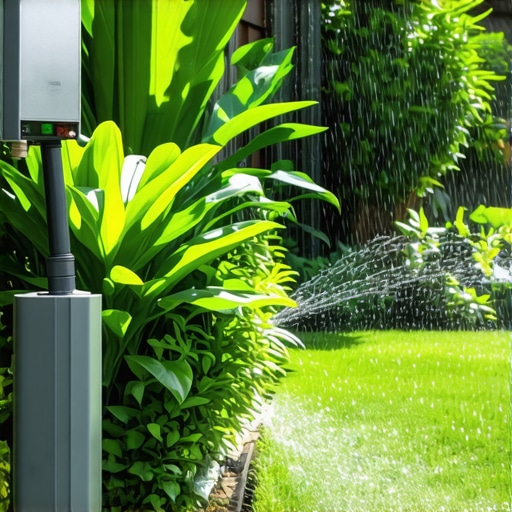
Advanced landscapers often overlook the importance of proper grading and drainage, assuming these are minor details, yet poor drainage can cause water pooling and root rot, regardless of how well you irrigate or fertilize. Incorporating a slight slope away from structures ensures excess water redirects naturally, preventing erosion and standing water. For more on preventing drainage problems, visit this article.

Are you aware of the critical role ecosystem diversity plays in yard health? Monoculture lawns are vulnerable to pests and diseases; integrating native plants and varied grasses creates a resilient landscape that can adapt to environmental stresses. Moreover, choosing correct planting times for your region can dramatically reduce maintenance and increase survival rates.

One advanced mistake is neglecting to consider the long-term impacts of your landscaping choices. For instance, installing a highly invasive tree species might provide quick shade but can damage foundations and underground utilities over time. Instead, selecting native, slow-growing trees minimizes future issues and supports local biodiversity.

Remember, landscaping isn’t just about beauty; it’s about creating a sustainable and resilient environment. Skipping soil tests, misjudging watering needs, neglecting drainage, or choosing incompatible plants can turn your lush dreams into a maintenance nightmare. So, before you start your next project, re-examine your assumptions and embrace the nuances that make all the difference. If you want to master the art of yard transformation, check out this comprehensive guide. Have you ever fallen into this trap? Let me know in the comments.

Keep Your Yard in Top Shape with the Right Tools

Maintaining a lush, healthy yard over the long term isn’t just about initial setup; it requires consistent effort, the right equipment, and smart techniques. I personally swear by a few specialized tools that streamline ongoing maintenance and help prevent small issues from becoming major problems. For yard cleanup, I recommend investing in a high-quality leaf blower and mulcher combo, like the Stihl BG 50, because it effectively clears debris while mulching leaves into nutrient-rich compost for your garden beds—saving time and reducing waste. For irrigation, an智能 sprinkler controller such as the Rachio 3 allows you to schedule watering precisely according to weather forecasts, conserving water while ensuring your grass gets the right amount. This automation is where I see future landscaping heading: smart systems that adapt dynamically to environmental conditions, reducing maintenance effort and optimizing resource use.

When it comes to maintaining sod health, a soil moisture meter like the Blumat Classic helps me monitor root zone hydration without overwatering. Over time, these sensors provide critical data, enabling me to adjust watering schedules proactively, which prevents issues like root rot or drought stress. As the trend toward sustainable landscaping advances, integrating these IoT devices will become standard practice, making yard care more efficient and eco-friendly.

How Do I Keep My Landscaping Tools Performing Well?

Regular maintenance extends tool life and ensures their effectiveness. For example, I clean my sprinkler heads monthly and replace worn nozzles to prevent disease spread and uneven watering. Sharpening mower blades before each mowing session maintains clean cuts that promote healthy grass. Additionally, keeping a dedicated storage cabinet for chemicals, tools, and seasonal equipment minimizes clutter and damage, allowing quick access when needed. By establishing a routine maintenance schedule, I maximize the lifespan of my tools and stay ready for seasonal tasks, from spring yard cleanup to fall leaves removal. For efficient yard cleanup, check out this guide.

Looking ahead, the integration of AI-driven lawn management apps will further simplify maintenance routines. These platforms will analyze sensor data, weather patterns, and soil conditions to recommend personalized care schedules. To get started now, try automating your watering system with a smart controller—I’ve found that it reduces water waste and keeps my grass uniformly green during dry spells. Embracing these technologies and consistent tool upkeep ensures your yard remains a source of pride without endless effort. Ready to upgrade your tools? Start by testing your soil with a moisture meter and consider automating your irrigation for lasting results. Remember, investing in quality equipment and maintenance habits today paves the way for a stunning yard in 2026 and beyond.

The Hidden Lessons That Changed Everything

One of the most impactful insights I uncovered was how individual soil variations can dramatically influence lawn success. Realizing that not all patches respond equally to fertilizers or watering schemes taught me to pay attention to micro-environments within my yard. I learned to tailor my approach for each section, which saved time and improved results, proving that personalized strategies rooted in soil knowledge outperform generic advice every time.

Another lightbulb moment was understanding the importance of patience. I used to expect immediate results after amendments or watering adjustments, but true soil and grass health develop over weeks and seasons. Embracing this timeline prevented me from making reckless changes and helped me stay consistent, eventually leading to a thriving, resilient yard in 2026.

Lastly, I discovered that investing in quality tools and professional advice is never wasted. High-quality soil test kits and engaging with experienced landscapers provided insights that DIY methods often miss. Combining expert knowledge with the right equipment created the foundation for success, turning my yard from patchy to picture-perfect without endless trial and error.

My Essential Toolkit for Yard Triumphs

Over the years, I’ve come to trust specific tools that make maintaining a lush yard less stressful and more effective. A reliable soil moisture meter, like the Blumat Classic, has been a game-changer, providing real-time feedback on watering needs and preventing overwatering damage. For irrigation, I rely on smart controllers such as Rachio 3, which adapt watering schedules based on weather forecasts—saving water and money while keeping my grass happy. These tools, combined with well-chosen resources like professional sod installation strategies, have empowered me to achieve exceptional results in 2026. Investing in quality equipment and trustworthy advice truly pays off when cultivating a yard you can be proud of.

February 2, 2026 | Emily Clark

3 Smart Irrigation Fixes to Cut Your 2026 Water Bill

3 Smart Irrigation Fixes to Cut Your 2026 Water Bill

I remember the moment vividly — standing in my yard on a scorching summer afternoon, watching my sprinkler system run for hours, only to realize that most of that water was completely wasted. It was a lightbulb moment for me. I had been neglecting the true potential of my irrigation system, blindly trusting it to do its job. But the truth is, outdated or poorly adjusted systems can drain your resources faster than you think. And with water prices climbing, especially heading into 2026, finding smarter solutions is more crucial than ever.

Why Your Water Bill Could Be the Hidden Culprit in Your Backyard

Is It Really Worth the Hype? The Skeptic’s Dilemma

Early on, I made a costly mistake — I thought installing a new lawn would solve everything. I poured money into sod and landscaping, assuming the irrigation system was fine. Turns out, it wasn’t. My overwatering was literally washing money down the drain. That’s why I want to share what I learned about fixing and optimizing irrigation for big savings. A study by the Environmental Protection Agency shows that almost 50% of residential water use is devoted to outdoor sprinkler systems, often unnecessarily. So, what’s the fix? Well, I found that small, smart changes can have a profound impact.

Today, I’ll walk you through three practical, proven fixes to reduce your water use and slash your water bill before 2026. These aren’t complicated or expensive; they’re smart tweaks and upgrades I’ve personally tested and refined. Whether you’re just starting or looking to fine-tune your existing system, these tips will help you get more from your water while helping the environment and your budget.

Assess and Identify Leaks in Your System

Start by inspecting your sprinkler heads for leaks or damage. Turn on your sprinklers and walk the yard, listening for hissing sounds or watching for pooling water—these signs point to leaks. Fixing a leaking head can save significant water. I once noticed a broken pipe in my backyard after a heavy rain. Replacing it was messy but immediately impacted my water bill positively. For expert guidance, see this comprehensive leak fix guide.

Adjust and Program Your Sprinkler Timers

Set It and Forget It with Smart Scheduling

Proper scheduling ensures your lawn gets enough water without overdoing it. Use your system’s timer or a smart controller to water early mornings or late evenings, minimizing evaporation. I calibrated mine to run for 15 minutes per zone early Saturday mornings, which kept my grass green but reduced runoff. Look into expert tips on irrigation scheduling for tailored advice.

Ensure Proper Coverage and Distribution

Uneven watering leads to waste and patchy grass. Use a tarp or garden hose to simulate water flow; adjust heads for uniform coverage. Once, I had missed spots on my lawn, making it look uneven. I readjusted my heads, which improved efficiency and looked better. Regularly check that heads aren’t blocked or misaligned—this small step prevents overwatering and saves water in the long run. For detailed calibration methods, visit this guide on effective system design.

Upgrade to Smart Irrigation Technology

Investing in weather-based controllers like rain sensors or smart controllers can cut water use by automatically adjusting watering schedules based on weather conditions. I installed a sensor that skipped watering during rainy days, which saved me about 30% on my water bill. Although the upfront cost can be intimidating, the long-term savings and convenience are worth it. For trusted recommendations, see this article about smart upgrades. This upgrade not only conserves water but also promotes healthier lawns by preventing overwatering.

While many assume that a basic approach to yard cleanup, landscaping, sod installation, and irrigation will suffice, the reality is far more nuanced. One common misconception is that all soil is created equal, leading homeowners to plant or install sod without thorough soil testing. This oversight can cause roots to struggle, resulting in patchy growth or disease, a problem often underestimated. According to research from the University of California, soil health can significantly impact plant vitality, making soil amendments a critical step often skipped by amateurs. Additionally, many believe that more water or fertilizer accelerates growth, but overapplication can harm the lawn and waste resources, especially when combined with poorly scheduled irrigation systems. Adjusting watering schedules with smart controllers can prevent overwatering, which not only conserves water but promotes healthier root systems. When it comes to landscaping, the biggest trap is neglecting native plant compatibility; using unfamiliar or invasive species can lead to higher maintenance and unforeseen ecological impacts. For expert insights and effective strategies, explore landscaping tips for a sustainable yard makeover.

A particularly overlooked aspect is the fine-tuning of sprinkler heads. Many assume that once installed, they require little adjustment. However, misaligned or blocked heads lead to uneven coverage, overwatering certain areas and leaving others dry, which compromises lawn health. Regular calibration is essential, and using features like rain sensors can optimize watering times, especially during unpredictable weather patterns. Understanding these nuances helps avoid common pitfalls that can turn a simple yard project into an ongoing headache. Remember, the goal isn’t just to achieve a lush lawn but to do so efficiently and sustainably.

Investing time in detailed planning, soil analysis, and modern irrigation techniques ensures your yard remains vibrant without excessive resource use. For comprehensive guidance, consider reviewing expert sod and irrigation strategies, which delve into advanced practices for thriving lawns. Don’t let initial assumptions undermine your efforts — a well-informed approach saves money and enhances aesthetic appeal over time.

Have you ever fallen into this trap? Let me know in the comments.

Maintaining a lush, healthy yard requires more than just initial effort; it demands reliable tools and consistent routines. Over the years, I’ve found that investing in specific equipment and embracing certain methods can dramatically prolong your landscape’s vitality and beauty. A key component is integrating smart technology that adapts to weather patterns, ensuring your system runs efficiently while your garden thrives. For instance, I personally use Rachio Smart Sprinkler Controllers because they allow me to customize watering schedules based on real-time weather data, significantly reducing water waste. These controllers sync with weather forecasts and soil moisture sensors, making manual adjustments a thing of the past.

How do I keep my irrigation system running seamlessly over time?

Regular maintenance is vital. I schedule bi-annual checks to inspect sprinkler heads for misalignment or clogs. Using a simple pressure gauge tool helps me identify hidden leaks or pressure drops that can lead to uneven watering or excessive water bills. Additionally, incorporating high-quality replacement parts, such as adjustable spray nozzles and durable valves, ensures longevity and optimal performance. For ongoing calibration, I rely on QR code scanning guides that detail step-by-step procedures, helping me avoid missteps and save time. Looking ahead, this trend toward smart, integrated systems is expected to expand, with AI-powered controllers that learn your yard’s unique needs, automatically adjusting schedules for peak efficiency.

Why focus on proper maintenance and tool selection?

Because these practices maximize your investment, leading to long-term savings and a vibrant landscape. For example, when I replaced my outdated valves with professional-grade irrigation parts, my system’s reliability improved markedly, reducing breakdowns and water wastage. Incorporating soil moisture sensors and programmable timers allows for precise watering, which promotes healthy root development and reduces overwatering. These tools are not only practical but essential for sustainable yard care, especially as climate variability increases. Investing in reliable equipment and routine maintenance practices ensures your irrigation system remains effective season after season.

Looking towards the future, advancements such as AI-driven landscape management platforms will further personalize and optimize yard care routines, making maintenance even more intuitive and efficient. I recommend trying out a soil moisture sensor coupled with a smart controller to see immediate benefits. Not only will it save water and money, but it will also promote deeper root growth, creating a resilient, lush lawn that withstands drought and extreme weather.

By selecting the right tools and committing to regular maintenance, you’re setting yourself up for years of beautiful, healthy yard enjoyment. Take the plunge today by evaluating your current irrigation components—upgrading a faulty nozzle or installing a smart controller could be the game-changer your landscape needs.

What I Wish I Knew Before Digging Deep into Landscaping

One of my biggest lightbulb moments was realizing that soil health often gets overlooked. Proper testing and amendments can make or break your lawn’s vitality, saving you from wasted effort and resources. Similarly, I learned that the most expensive equipment isn’t always necessary; sometimes, simple adjustments and smart upgrades yield the best results. Lastly, trusting technology like weather-based controllers can seem intimidating at first, but their efficiency and convenience far outweigh the initial hesitance. These lessons transformed my approach, saving time, money, and water, all while creating a lush, sustainable yard.

My Top Picks for Yard Care Tools and Resources

Investing in a quality soil moisture sensor was a game changer for me. It took the guesswork out of watering, ensuring my lawn got exactly what it needed. I personally trust the expert guidance on sod and irrigation, which offers comprehensive strategies to optimize your landscape. For ongoing maintenance, a durable pressure gauge helps identify hidden leaks and pressure issues, preventing overwatering. Lastly, the tips on smart irrigation upgrades empower you to harness weather data for smarter water use, making your yard both beautiful and eco-friendly.

Harnessing Your Yard’s Potential for a Greener Tomorrow

Taking control of your yard’s health through informed decisions and smart technology is empowering. Remember, each small tweak—whether calibrating your sprinkler heads, adjusting watering schedules, or upgrading to weather-based controllers—can lead to substantial savings and a healthier landscape. I encourage you to start with an honest assessment of your system and prioritize those upgrades that align with your climate and lifestyle. The future of yard care is shifting toward smarter, more sustainable practices that benefit both your wallet and the environment. Dive in, experiment, and enjoy watching your yard thrive with less waste and more beauty.

February 1, 2026 | Anna Lee

Why Your Sod Is Patchy: 3 Rooting Fixes for 2026

Why Your Sod Is Patchy: 3 Rooting Fixes for 2026

I remember the first time I laid down new sod, thinking I had finally cracked the code to a perfect lawn. But just weeks later, I was staring in disbelief at my yard—patches of sodding grass looking thin, brown, and completely inconsistent. It was a lightbulb moment for me: I had rushed the planting process and overlooked some crucial rooting fundamentals. If you’re struggling with patchy sod, take heart—you’re not alone. Today, I’ll share three tried-and-true rooting fixes based on my own mistakes and successes, helping you transform your patchy lawn into lush, even greenery.

Why Your Sod Isn’t Linking Up and How to Fix It Quickly

Many homeowners are baffled when their freshly installed sod refuses to root properly, leading to a patchy, uneven appearance. The key issue often lies beneath the surface—poor rooting can cause sod to lift or turn brown, making your yard look less than inviting. Understanding why some sod struggles to establish is vital. Factors like inadequate soil preparation, improper watering practices, or selecting the wrong sod type can all sabotage your efforts.

From my experience, one common mistake early on was neglecting the soil’s *readiness*. I didn’t test my soil’s pH and nutrient levels beforehand, which led to weak root development. It’s worth noting that a well-prepared soil foundation significantly enhances rooting success. For detailed tips, I recommend checking out effective soil preparation strategies [here](https://urbanlandscapingx.com/expert-yard-cleanup-landscaping-ideas-for-a-pristine-2025-garden-8), as healthy roots depend on healthy soil.

Stay tuned because the solutions I’ll introduce are simple yet effective. Whether your sod is just starting to show patches or you’ve been battling inconsistent growth, these fixes will give your lawn the jumpstart it needs for lush resilience.

Is Your Lawn’s Lack of Roots Really That Critical

I admit, early in my lawn care journey, I underestimated how vital proper rooting is. I thought watering was enough, but I was actually overdoing it—causing the roots to suffocate and promoting disease. That mistake almost cost me my entire grass instalment. Proper rooting isn’t just about survival; it’s about establishing a strong, self-sufficient lawn capable of withstanding weather fluctuations and foot traffic.

In fact, according to turf health experts, a properly rooted sod can establish more quickly and resist weeds and pests better. So, if your sod is patchy or struggling to fill in, don’t despair. It’s all about nurturing those roots and creating a thriving foundation.

Ready to get your turf thriving? Let’s dive into the first rooting fix that turned my patchy yard into a stunning lawn, guaranteed to boost your confidence and your curb appeal.

Prepare the Soil Like a Pro

Start by transforming your yard into a welcoming environment for roots. Use a garden rake or rototiller to loosen the top 2-3 inches of soil, removing debris and weeds. Test your soil’s pH and nutrient levels—this step was a game-changer for me when I realized my soil was too acidic for optimal root growth. Amend the soil with lime or sulfur based on test results, and mix in nutrient-rich compost to enhance fertility. Proper soil preparation creates a stable foundation, making rooting much easier. For expert guidance, check out these soil tips.

Master the Art of Irrigation

Consistent moisture is critical. I once missed a scheduled watering and watched my sod wilt; since then, I’ve learned that deep, infrequent watering encourages stronger roots. Set up an efficient irrigation system—consider drip lines or rotor sprinklers—so water penetrates deeply, reaching the lower roots. Avoid uneven watering, which can lead to dry patches or overwatering. I used to sprinkle water lightly every day, but that stressed the roots and caused disease. Instead, aim for soaking the soil to about 6 inches deep, twice a week. For optimal irrigation strategies, visit this guide. Proper watering techniques promote healthy, deep roots that anchor your sod.

Optimize Your Sod Installation

Now, the planting itself matters just as much as the soil and watering. I learned this the hard way when I rushed the landscape without properly securing the sod edges, leading to uneven rooting. For best results, lay the sod in a brick-like pattern, staggering seams to prevent gaps. Use a sharp knife to cut sod to fit corners or irregular areas—precision counts. Immediately after laying each section, press down firmly with a roller to eliminate air pockets; this step ensures good contact with the soil, boosting root contact and moisture absorption. Additionally, water the sod immediately after installation, then follow your regular watering schedule. For more detailed tactics, see this installation approach for lush turf.

Prime the Ground with Nutrients

Feeding your sod correctly accelerates root development. I added a starter fertilizer rich in phosphorus directly after planting, which gave my roots a strong boost. Choose a fertilizer with a high phosphorus ratio (like 10-20-10) and apply according to package instructions. Avoid over-fertilizing, as excess nutrients can harm roots and encourage pests. I also sprayed a seaweed or humic acid solution during the first few weeks to stimulate root growth further. Regular reapplication of light feeds keeps roots active and vigorous. For comprehensive nutrient strategies, explore these fertilization tips.

Keep Foot Traffic in Check

I learned that heavy foot traffic not only damages tender roots but also compacts the soil, making water and nutrients harder to penetrate. During rooting, restrict access to the newly laid sod—use temporary barriers if needed. When walking on your lawn is unavoidable, do so carefully and sparingly. Consider installing stepping stones in high-traffic zones to distribute weight and prevent soil compaction. Over time, a well-protected lawn will develop a resilient root system, leading to even growth and less patchiness.

While many believe that proper watering and soil preparation are straightforward tasks, seasoned landscapers know there’s a complex layer of nuances that often go unnoticed. For example, a common misconception is that more water always leads to healthier roots, but in reality, overwatering can hinder root oxygenation and encourage disease—symptoms often mistaken for insufficient watering. Experts suggest that understanding soil aeration and moisture retention is critical; a study published in the Journal of Turfgrass and Science highlights that soil compaction significantly impairs root growth, emphasizing the importance of organic amendments and strategic aeration in conjunction with irrigation practices. Moreover, people tend to overlook the importance of selecting the right sod species for their specific climate and soil conditions, which can make or break the establishment process. Advanced lawn installations incorporate soil testing, climate analysis, and tailored fertilization schedules—steps that elevate the success rate beyond basic techniques. A typical yard cleanup often focuses solely on debris removal, yet neglects the underlying issue of soil health and proper drainage, leading to future patchiness and weed invasion. Remember, the success of your landscaping endeavors hinges on grasping these subtleties and avoiding simplistic solutions.

What Advanced Strategies Can Elevate Your Lawn Care?

Implementing layered approaches—such as integrating soil health management with precision irrigation and planting drought-resistant sod types—can drastically improve long-term results. For instance, consulting with experts for a comprehensive yard assessment can reveal hidden issues before they escalate, saving time and resources. Don’t fall into the trap of cashing in quick fixes; instead, prioritize understanding the intricate dynamics that govern a thriving landscape. Authentic success stems from mastering these nuances and applying them with finesse. To explore more expert tips on elevating your yard projects, visit this guide on irrigation optimization. Have you ever fallen into this trap? Let me know in the comments.

Invest in Quality Equipment for Long-Term Success

One of my biggest investments has been a high-quality rotary mower with variable speed and precision blades. It ensures clean cuts, which reduce stress on the grass and promote healthier rooting. Another essential tool is a decent leaf blower; I prefer a backpack model with adjustable velocity, making yard cleanup more manageable without damaging delicate sod. For irrigation, I recommend a programmable smart controller, like the Rachio system, which I use to automate watering schedules. It learns your yard’s needs and adjusts watering times accordingly, preventing overwatering or drought stress. This proactive approach guarantees consistent moisture levels—crucial for nurturing robust roots. Including these tools in your landscaping arsenal has paid dividends; your yard will thank you with sustained vitality and reduced maintenance calls.

Embrace Software for Better Yard Management

Beyond tools, I rely heavily on software to track and plan my yard care routines. An app like LawnIQ allows me to record fertilizer applications, irrigation cycles, and mowing schedules, providing a comprehensive overview. This data helps me recognize patterns—such as noticing if certain areas need extra watering or nutrient boosts—saving me time and resources. As technology advances, these systems are becoming more intuitive, integrating weather forecasts and soil sensor data for hyper-targeted care. The future of landscape management is clearly headed toward smarter, automated solutions that sort out the guesswork, making it easier to keep everything in balance over the years.

How do I maintain tools and systems to ensure they last?

Regular maintenance is essential. For equipment like mowers and blowers, I schedule thorough inspections at the start and end of each season—cleaning filters, sharpening blades, and lubricating moving parts. This not only prolongs their lifespan but also keeps performance at peak levels. For digital systems, I update firmware and software regularly, and replace batteries as needed to avoid downtime. Incorporating simple routines like draining hose pipes post-use or storing electronics in protected cases can significantly extend their service life. By staying proactive, your tools will work effectively when you need them most, saving money and effort in the long run. For detailed tips on landscaping maintenance, check out these professional advice articles.

Scaling Your Yard Care Efforts Wisely

If your yard has grown and your landscaping ambitions have expanded, it’s important to scale your tools and strategies accordingly. For larger spaces, I upgraded to a riding mower with adjustable deck height, which makes weekly maintenance faster and less tiring. Using zone-specific irrigation controllers allows me to tailor watering routines to different parts of my yard—this targeted approach conserves water and ensures all zones thrive equally. When dealing with extensive landscaping projects, modular tools like extendable pruners and multi-head sprinkler systems offer flexibility and efficiency. The key is to integrate smart systems with manual tools, creating a balanced workflow that adapts to your yard’s evolution.

🔍 An insightful technique I’ve adopted is installing wireless soil moisture sensors connected to my irrigation system, which provides real-time data and prevents overwatering. According to a study published in the Journal of Turfgrass Science, soil moisture sensors can improve water efficiency by up to 30%. Incorporating such advanced tools is increasingly accessible and cost-effective.

Try adding a smart controller or soil moisture sensors to your existing setup today. These innovations can revolutionize how you maintain your yard, making your landscape more resilient and your maintenance routine more predictable.

}Garden tools and smart irrigation system used for yard maintenance

The Hardest Lesson I Learned About Landscaping, Irrigation, Sod Installation, and Yard Cleanup

One of my toughest realizations was that rushing the soil preparation can unravel months of effort. I once skipped thorough soil testing and amending, leading to patchy root growth and disappointment. It taught me that patience and precision at this stage are crucial for long-term success. Understanding your soil’s unique needs can make all the difference, a lesson I wish I embraced sooner.

3 Myths About Lawn Care That Held Me Back

I used to believe that frequent watering would speed up rooting, but I learned that deep, infrequent watering fosters stronger roots. Also, I thought that all sod types could be interchangeable, yet climate compatibility is key. These misconceptions delayed my lawn’s full potential and cost me unnecessary time and resources. Disentangling these myths was pivotal in transforming my yard.

What Experts Won’t Tell You About Achieving Lush Lawns

Professionals often emphasize the importance of soil aeration and organic amendments, but I discovered that integrating smart irrigation systems and soil sensors elevates lawn health dramatically. These tools offer real-time data, preventing over- or under-watering, and ensure your roots get exactly what they need. Such insights are rarely shared in beginner guides but can accelerate your lawn’s vigor.

Curated Resources to Elevate Your Yard Game

Firstly, this guide on irrigation design offers in-depth strategies that helped me optimize water usage and promote robust rooting. Secondly, expert tips on sod installation have saved me from common mistakes, ensuring my turf takes hold quickly. Lastly, yard cleanup ideas transformed my approach to preparing the space, making way for flawless growth. Trusting these resources helped me build a resilient, envy-worthy lawn.

Your Next Step Toward a Vibrant Yard

Remember, cultivating a lush, patch-free lawn isn’t just about following steps—it’s about mastering the nuances and staying committed to ongoing care. Every improvement, no matter how small, adds up to a landscape you can be proud of. Embrace the knowledge, invest in quality tools, and enjoy the journey of turning your yard into a vibrant haven.

February 1, 2026 | Emily Clark

Ditch the Rake: 4 Tools for a Faster 2026 Yard Cleanup

Ditch the Rake: 4 Tools for a Faster 2026 Yard Cleanup

One spring afternoon, I found myself knee-deep in a mountain of fallen leaves, twigs, and half-dead branches, feeling frustrated and overwhelmed. My usual rake was sinking in the mess, and I wondered if there was a better way. That moment was my lightbulb—realizing I needed to ditch the traditional tools and embrace smarter solutions to get my yard spruced up quickly for the upcoming season. If you’ve ever spent hours swinging a rake or battling stubborn debris, you’re not alone.

In fact, yard cleanup is a task that most homeowners dread. It’s physically demanding, time-consuming, and often leaves us more exhausted than satisfied. But what if I told you that with just a few strategic tools, you can cut your cleanup time significantly? That’s exactly what I discovered when I started exploring innovative tools designed for efficiency and ease. Today, I’m going to share how these tools transformed my approach—and how they can do the same for you.

Reimagining Yard Cleanup with Expert Strategies

The secret isn’t just in buying new gadgets; it’s about understanding which tools actually make a difference. From powerful leaf blowers to durable debris catchers, there are gear options that streamline the process and prevent me from pulling muscles or wasting hours. Incorporating these tools into your yard maintenance routine can turn a daunting chore into a manageable, even enjoyable, task.

Don’t worry—I’ll guide you through proven methods and recommend the best equipment to fast-track your yard cleanup before the heat of summer or the first frost hits. If you’ve found yourself wasting weekends battling debris or feeling defeated before the job is done, stay tuned. We’re about to change that story.

Did you struggle with clutter and stubborn debris last season? You’re not alone, and there’s a solution. Before diving into the details, consider this: according to a study published in the Journal of Environmental Horticulture, home landscape maintenance can be optimized for time and effort with the right tools, leading to healthier lawns and more free time. Implementing these strategies can not only improve your yard’s appearance but also give you back precious hours.

Now is the perfect moment to re-evaluate your approach. Ready to discover the tools that will make your 2026 yard cleanup faster and easier? Let’s get started with some expert-approved tips and tricks.

Select the Right Tools for Speed

Several years ago, I tried tackling a massive leaf pile with just a standard rake. It took hours and left my back sore. Then I invested in a gas-powered leaf blower and a debris catchers, which drastically cut down my cleanup time. Using tools designed for efficiency means fewer swings and less fatigue. When you choose powerful, ergonomic equipment, you can cover large areas quickly and with less effort. For detailed recommendations on top yard cleanup tools, check out this guide.

Person using leaf blower and debris catcher to clean yard

Optimize Your Leaf and Debris Removal

Start by clearing larger branches first to prevent tripping hazards. Use a leaf blower to gather remaining smaller debris into piles—think of it as directing traffic smoothly rather than picking up each leaf by hand. Once piled, use a rake to finish gathering the leaves into your wheelbarrow. I’ve found that working from the edges inward prevents missed spots. Regularly empty your debris containers to maintain momentum. This method ensures a faster, more thorough cleanup, and minimizes back-breaking work.

Streamline Your Yard with Strategic Equipment

After cleaning, consider using a garden vacuum mulcher to break down leaves into mulch, which can be used as compost or yard mulch. This step not only reduces waste but also enriches your soil. In my messy first attempt, I skipped this and had to dispose of tons of leaves, which was both costly and wasteful. Equipment like mulchers and blowers specialize in making this step quick and effortless. It’s a small investment that pays off in time savings and environmental benefits.

Maintain a Controlled Workflow

Create a routine: chunk your cleanup into zones and finish one completely before moving to the next. For example, start at the backyard corner, remove debris, and clear the area before moving outward. I once approached my yard haphazardly, bouncing around and losing time. When I organized my approach—by zones—I completed my cleanup in half the time. Marking zones and sticking to a systematic plan optimize your effort, prevent fatigue, and ensure no spots are overlooked.

Final Touches for a Professional Appearance

After debris removal, edge the lawns and trim overgrown plants. This creates clean lines and elevates your yard’s overall look. Use a string trimmer for edges, and a sharp pruning shear for bushes. In my last yard project, I didn’t bother with trimming, but after completing the cleanup, I saw how detail work truly polished the effect, making my yard look landscaped professionally. Investing a little extra time here makes the difference between a messy yard and a breathtaking outdoor space.

While many homeowners follow common advice about yard care, there are nuanced misconceptions that can sabotage your efforts and lead to costly mistakes. One widespread myth is that more water always equals a healthier lawn. In reality, overwatering can suffocate roots, promote diseases, and waste water resources. Experts recommend adopting intelligent irrigation strategies—like zone watering and moisture sensors—that align with your soil type and plant needs. For an in-depth approach, check out this guide. It’s a nuanced understanding that separates average lawns from exceptional ones.

Another misconception revolves around landscaping aesthetics, where many believe that uniformity is key to beauty. However, embracing natural variations—like asymmetrical flower beds or layered plantings—can create a more dynamic, less artificial appearance that mimics nature’s inherent diversity. Advanced landscapers leverage this by integrating native plants and using strategic mulch placement, which not only enhances visual appeal but also improves soil health and reduces maintenance. Curious about the finer details? Look into landscaping top tips.

A particularly costly mistake is underestimating the importance of soil quality during sod installation. Many assume that prep work is optional or overcompensate with chemical fertilizers, which can harm soil microbiome balance. Instead, a nuanced approach involves testing soil pH and composition, then amending with organic matter or specific nutrients to foster healthy roots. Skipping this step often results in poor root establishment and drought susceptibility. For comprehensive insights, explore this resource.

Let’s address a critical question today: How do advanced homeowners ensure their irrigation and landscaping investments truly pay off over time? The answer lies in ongoing education, strategic planning, and leveraging expert knowledge—like consulting professional landscapers or using soil testing services. Small adjustments based on data and expert advice can significantly extend the longevity and beauty of your yard. If you’re serious about achieving a stunning garden, integrating these nuanced insights can make a real difference.

Now, here’s a common trap many fall into: neglecting the subtle cues of the yard, such as uneven grass color, which often signals hidden issues like poor drainage or root stress. Recognizing these signs early saves you time and money. Have you ever fallen into this trap? Let me know in the comments. For more expert tips, explore this article and take your yard to the next level.

Keep It Working: Essential Tools for Sustainable Yard Care

Maintaining a lush, thriving yard over time demands more than just occasional effort; it requires reliable, high-quality tools paired with effective maintenance practices. Personally, I swear by a robust string trimmer with a sharp blade for edging and trimming overgrown plants—it’s precise and saves me hours compared to manual pruning. My best investment has been a programmable irrigation controller, like the Rain Bird ST8I-WIFI, which allows me to set watering schedules that adapt to seasonal changes, ensuring my lawn gets consistent moisture without overwatering. This proactive approach not only conserves water but also promotes healthier root systems, ultimately reducing the need for frequent interventions. When scaling your yard care, consider integrating robotic mowers such as the Husqvarna Automower. These devices autonomously maintain your grass, freeing your time and providing uniform cuts that improve overall turf health. As trends evolve, smart terrain analysis tools, like soil sensors and weather forecasting apps, are gaining popularity, helping you fine-tune watering and fertilization schedules for optimal growth—more on that in upcoming guides.

To truly keep your yard thriving long-term, consistent equipment maintenance is crucial. Regularly sharpening mower blades and cleaning irrigation filters prevent operational hiccups and prolong tool lifespans. Applying a bi-annual tune-up to your sprinkler system ensures even coverage and detects leaks early, saving water and reducing bills. For those installing sod, periodically testing your soil with kits from reputable brands like LaMotte can reveal pH imbalances or nutrient deficiencies, enabling you to apply targeted amendments rather than generalized fertilizers. This precision fosters healthy grass that can stand up to drought or pests, reducing overall maintenance effort. As landscape technology advances, integrating smart irrigation systems with weather sensors promises even greater efficiency—consistently adapting to real-time conditions and saving resources. With these tools and practices, your yard becomes more resilient, easier to care for, and truly sustainable in the long run.

What Does Long-Term Maintenance Look Like?

Maintaining the health of your yard isn’t a one-time event; it involves routine checks and adjustments. Schedule seasonal inspections of your irrigation system, looking for clogged nozzles or worn components, and replace filters annually. Keep blades on your equipment sharp—dull blades tear grass and impact its health—and store tools properly during off-season periods to prevent corrosion. Investing in automation, like GPS-guided lawn care systems or moisture sensors, can streamline your efforts, providing real-time feedback and reducing guesswork. These innovations are predicted to dominate next-generation landscaping, making yard maintenance more precise and less labor-intensive.

Predictive analytics and AI-driven landscape management may soon become standard, offering insights into soil health, disease risk, and watering needs based on historical data. Embracing these technologies now positions homeowners for easier, more effective yard management in the future. Remember, consistent maintenance habits extend the lifespan of your investments—be it tools, sod, or landscape features—and keep your yard vibrant year-round. For an actionable starting point, try integrating a soil moisture sensor into your irrigation system—it’s one of the simplest ways to improve watering accuracy and establish a truly sustainable yard routine.

}# IMAGE_PLACEHOLDER_D#}](https://urbanlandscapingx.com/pro-sod-install-irrigation-for-a-lush-2025-lawn){

What I Wish I Could Tell My Younger Self About Yard Maintenance

Early in my gardening journey, I believed more effort always led to better results. Over time, I learned that strategic planning and investing in quality tools save countless hours and reduce frustration. For example, switching from manual raking to a professional leaf blower revolutionized my fall cleanup, turning a daunting chore into a quick task. Patience and learning from seasoned landscapers taught me that understanding your yard’s unique needs makes all the difference.

Another lesson was that overlooking soil health hampers even the best equipment’s effectiveness. Testing your soil and amending it accordingly leads to more vibrant grass and healthier plants, saving you money and effort long-term. I also discovered the importance of automation—like programmable irrigation systems—that adapt to weather patterns, preventing overwatering and conserving water. Small changes based on these lessons transformed my yard from a seasonal hobby to a year-round sanctuary.

Top Tools and Resources I’ve Personally Reliant On

My go-to for efficient yard cleanup is the professional-grade leaf blower, which drastically reduces cleanup time and effort. For soil testing, I trust soil test kits from LaMotte, ensuring my amendments are precise and effective. A smart irrigation controller like the Rain Bird ST8I-WIFI has helped me save water and keep my lawn consistently healthy. Lastly, I find the landscaping guides from trusted bloggers invaluable for inspiration and best practices—these resources have genuinely elevated my yard care routines.

Your Yard, Your Masterpiece: Embrace the Journey

Remember, every great yard begins with a single step, and every season presents new opportunities to improve. With the right tools, knowledge, and patience, you can transform even the most neglected space into a vibrant outdoor retreat. Don’t be afraid to experiment, learn, and adapt along the way. Your effort will reward you with not only a beautiful yard but also a sense of pride and connection to your outdoor space. So, get started today—your greener, healthier yard awaits.